
Rich Balsamic Reduction
This Rich Balsamic Reduction is a simple yet transformative recipe that elevates any dish it touches. With just two ingredients, you can create a flavorful glaze that adds depth and complexity.
 Share
Share
This post may contain affiliate links. As an Amazon Associate, we earn from qualifying purchases.
Ingredients for Rich Balsamic Reduction
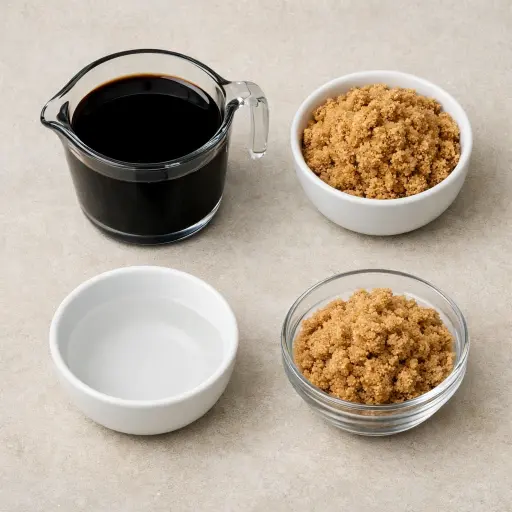
Balsamic vinegar serves as the base of this recipe, providing a rich, tangy flavor that mellows as it reduces. Choosing a quality vinegar will enhance the final result. Brown sugar adds sweetness and helps thicken the glaze, balancing the acidity of the vinegar with its molasses undertones.
Why This Rich Balsamic Reduction Works
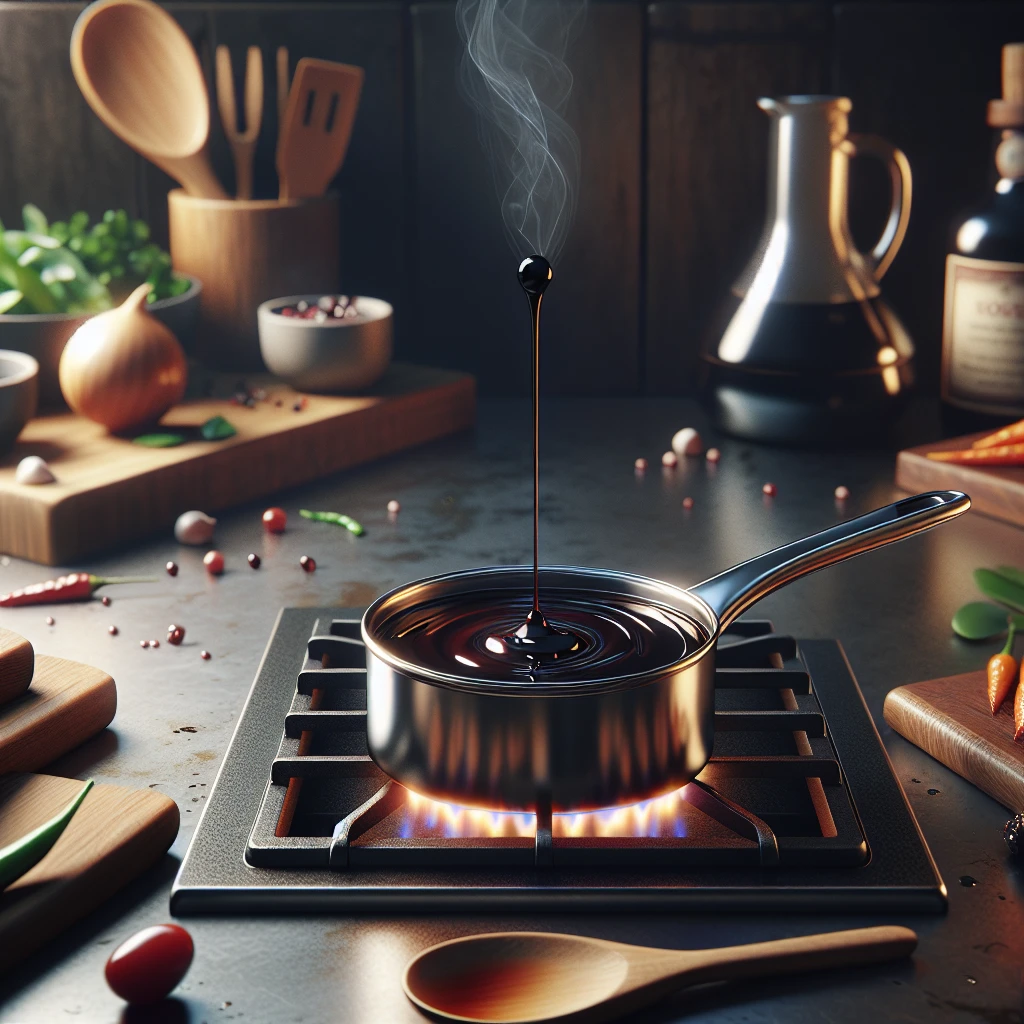
As the balsamic vinegar and brown sugar warm up together, the sugar melts and blends into the vinegar so there are no grainy bits. With steady heat, the liquid starts to bubble and some of the water in the vinegar slowly cooks off into the air. As more water leaves the pan, what stays behind becomes thicker and more syrupy.
During the slow simmer, the brown sugar darkens and the vinegar softens in taste. The sharp bite of the vinegar eases up, and the sweetness from the sugar stands out more. Over time, the bubbles change from fast and loose to slower and heavier, which shows the glaze is getting thicker.
Once the pan comes off the heat and the balsamic reduction cools, it thickens even more. Cooling lets it settle into a glossy, pourable glaze that clings to a spoon instead of running off like plain vinegar.
Rich Balsamic Reduction Tips & Tricks
- Use a high-quality balsamic vinegar for the best flavor; it makes a noticeable difference.
- If you're unsure about the consistency, dip a spoon in the reduction. It should coat the back without running off too quickly.
- Store in an airtight container in the fridge for up to a month. It will continue to thicken as it cools, so remember to bring it to room temperature before using.
Mistakes To Avoid
Letting the reduction boil hard the whole time can scorch the sugar and vinegar on the bottom of the pan. The mixture darkens too fast, smells sharp and burnt, and the final glaze tastes harsh and slightly bitter instead of smooth.
Pulling it off the heat too early leaves the liquid still runny. Once it cools, it stays thin like vinegar instead of turning into a syrupy glaze, so it slides right off food instead of clinging in a shiny layer.
Using very high heat at the start to “speed it up” often makes the liquid bubble up and climb the sides of the pan. This can cause sticky overflow on the stove and uneven cooking in the pot, with some parts thick and others still watery.
Skipping the cooling time means the cook judges the thickness while it is still hot and loose. The glaze then sets much thicker as it cools, sometimes turning into a stiff, molasses-like blob that is hard to drizzle.
Equipment Used:
Ingredients
- 2 cups balsamic vinegar
- 1/2 cup brown sugar
Step-by-step Instructions
- 1. In a medium saucepan, combine the balsamic vinegar and brown sugar.
- 2. Stir over medium heat until the sugar dissolves.
- 3. Bring the mixture to a gentle boil, then reduce the heat to low.
- 4. Simmer for about 20 minutes, stirring occasionally, until the glaze thickens and reduces by half.
- 5. Remove from heat and let it cool completely before using or storing.
Trending Now
Classic Banana Bread
Classic Banana Bread is a timeless dessert beloved for its moist texture and sweet...
View Recipe
Classic Cucumber Salad
A refreshing and light cucumber salad featuring crisp cucumbers and a tangy vinaig...
View Recipe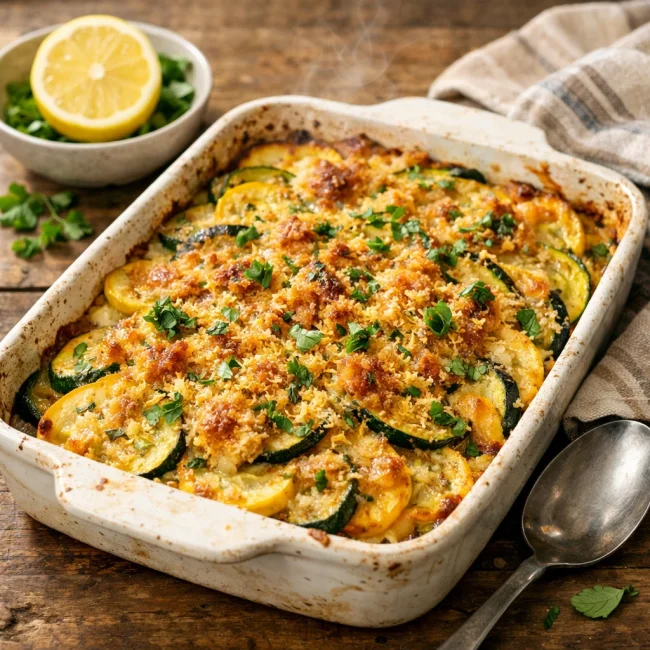
Zesty Summer Squash Casserole
This delightful summer squash casserole combines vibrant garden-fresh vegetables w...
View Recipe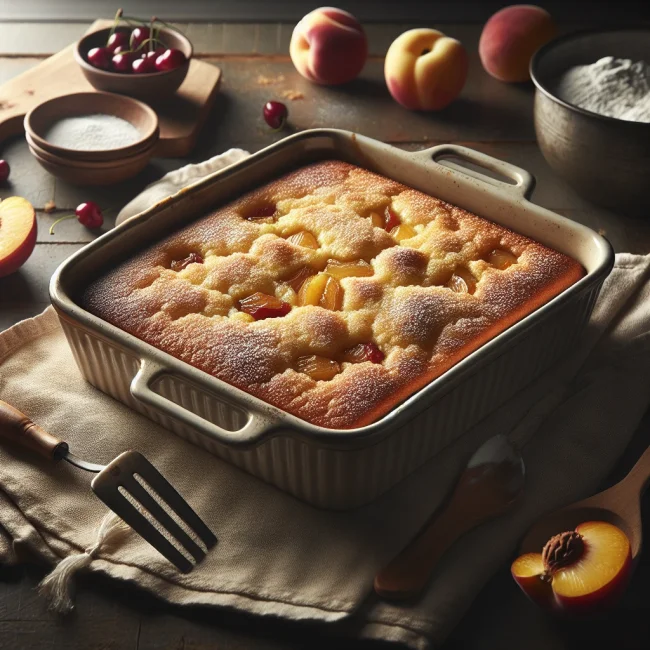
Traditional Dump Cake
Discover the timeless delight of the Traditional Dump Cake, a simple and scrumptio...
View RecipeFrequently Asked Questions
- Can I use white balsamic vinegar instead?
- Yes, white balsamic vinegar will work, offering a lighter flavor and appearance.
- Is there an alternative to brown sugar?
- Honey or maple syrup can be substituted for a different but equally delicious sweetness.
Serving Ideas for Rich Balsamic Reduction
This balsamic reduction pairs beautifully with grilled meats, roasted vegetables, or even drizzled over fresh strawberries or vanilla ice cream. For a quick appetizer, use it to enhance the flavor of a Caprese salad with fresh mozzarella, tomatoes, and basil.
More Condiments Recipes
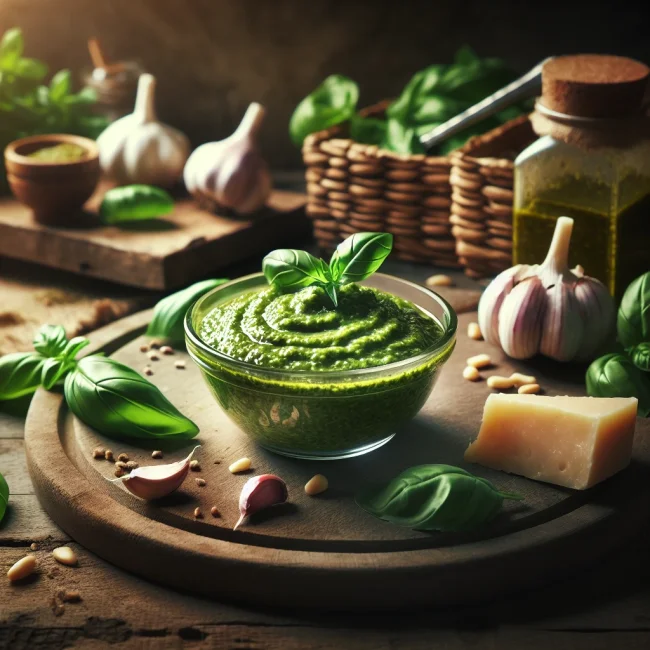
Traditional Pesto
Discover the authentic taste of Italy with our Traditional Pesto recipe, a vibrant...
View Recipe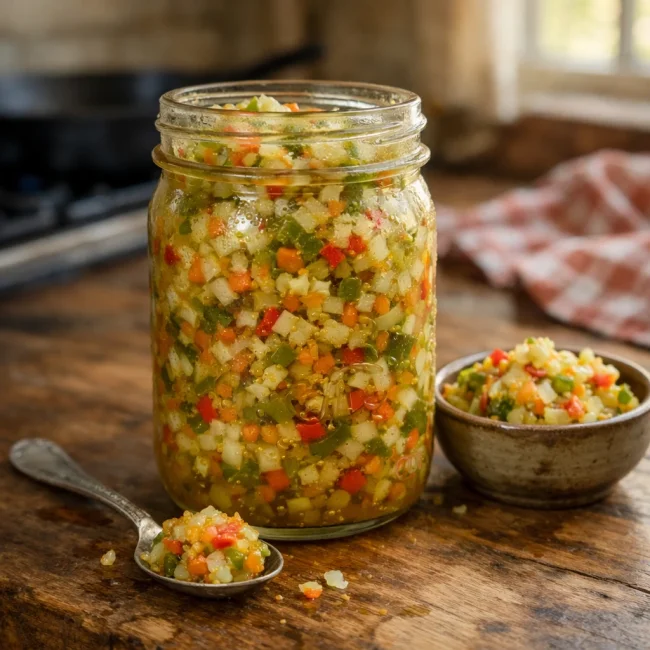
Southern-style Vegetable Chow Chow
Revitalize your palate with our Southern-style Vegetable Chow Chow, a tangy, crunc...
View Recipe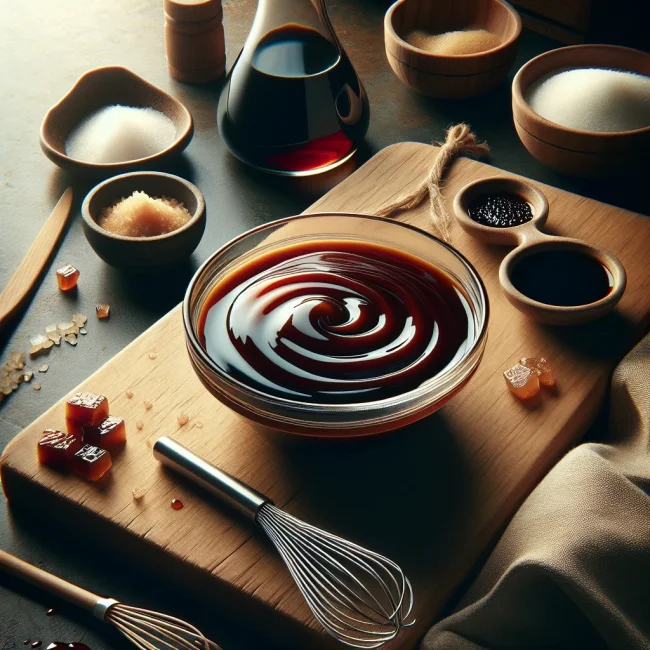
Traditional Teriyaki Sauce
A savory and sweet traditional teriyaki sauce that perfectly balances flavors to e...
View Recipe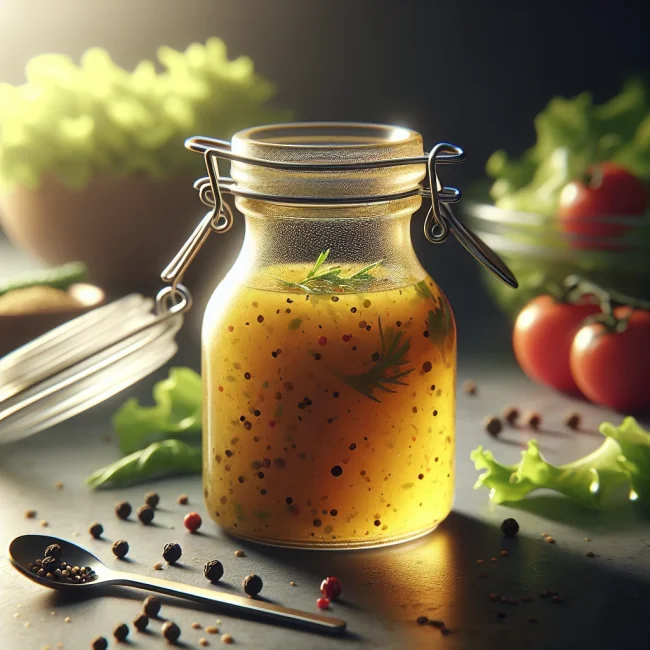
Timeless Vinaigrette
A zesty and delightful vinaigrette perfect for enhancing any salad with its classi...
View Recipe