
Polenta Pizza Crust
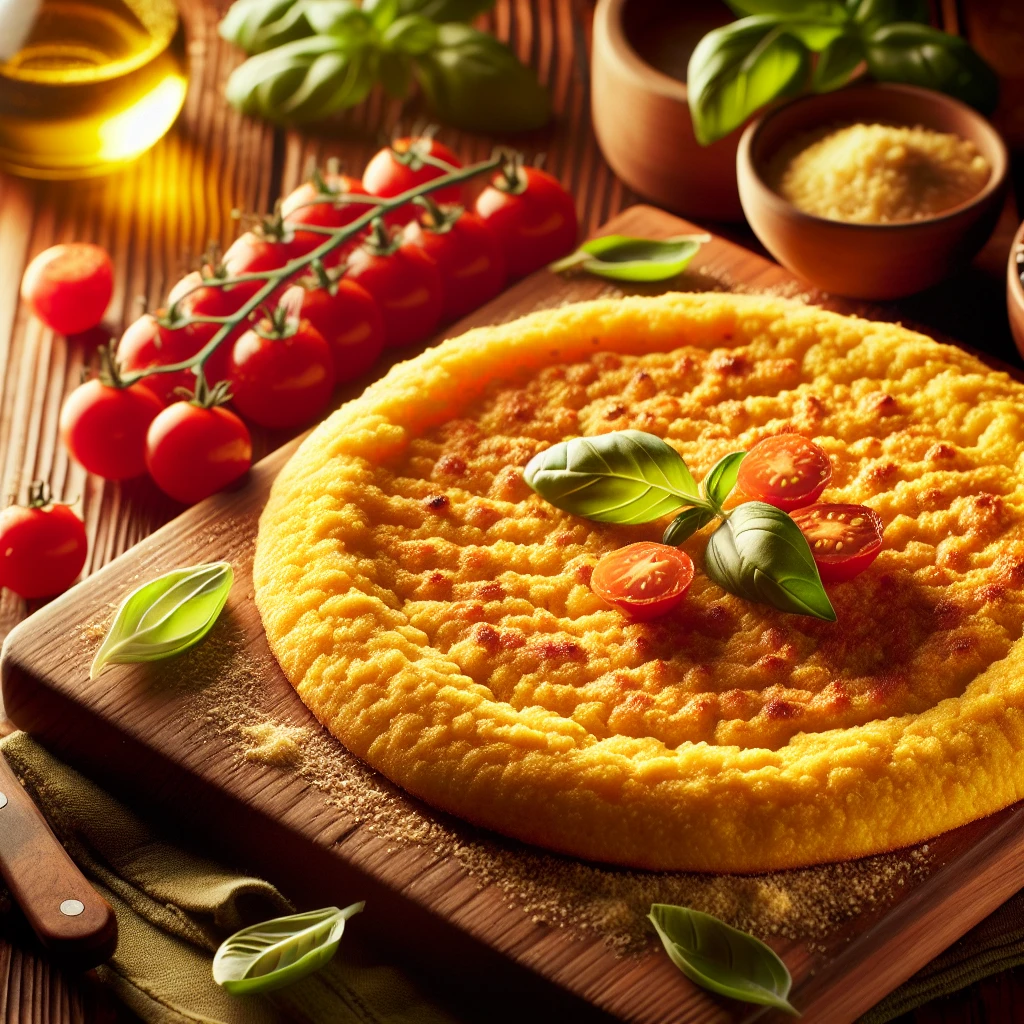
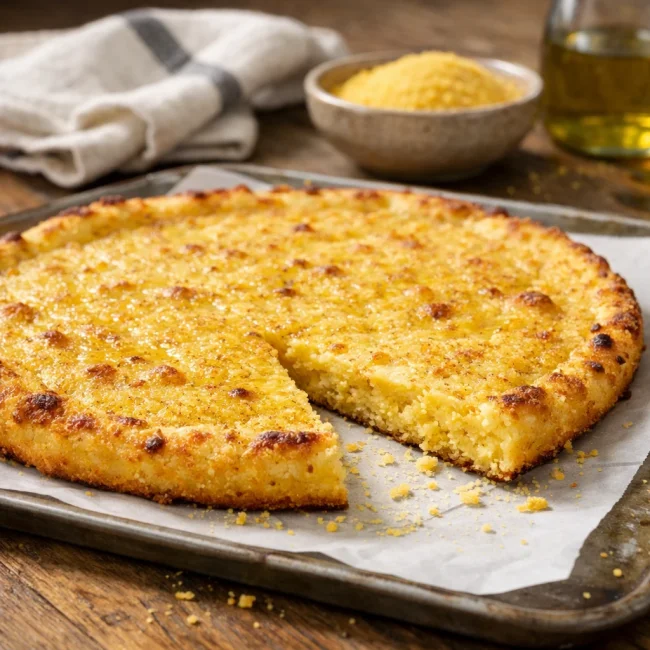
Looking for a gluten-free alternative to traditional pizza crust? This polenta pizza crust is your golden ticket! Not only is it easy to make, but it also delivers a unique and satisfying texture that pairs wonderfully with your favorite toppings.
 Share
Share
This post may contain affiliate links. As an Amazon Associate, we earn from qualifying purchases.
Ingredients for Polenta Pizza Crust
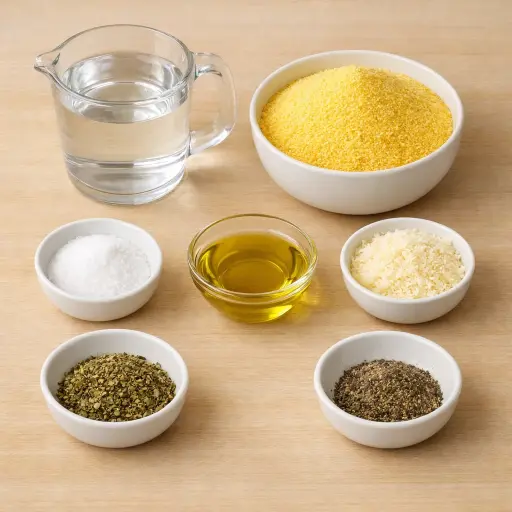
Let's break down why each ingredient is essential for this recipe. First up, water acts as the base, allowing the cornmeal to cook into a smooth mixture. The yellow cornmeal is the star, providing a creamy yet firm texture that stands up to toppings. A dash of salt enhances the overall flavor, while olive oil adds a touch of richness and helps achieve a golden crust. The Parmesan cheese gives a savory depth and crispy edge, while dried Italian herbs infuse the crust with aromatic notes. Finally, a pinch of black pepper adds a mild heat, rounding out the flavor profile.
Why This Polenta Pizza Crust Works
As the cornmeal cooks in the hot salted water, it swells up and soaks in the liquid. After a few minutes, it thickens and turns into a heavy, smooth polenta that can be spread but not poured. At this stage it is soft and a bit sticky, which lets it cling to the olive oil, Parmesan, herbs, and pepper so everything is mixed through evenly.
Once the polenta is spread on the baking sheet and goes into the oven, the heat drives off extra moisture. Over time the outside dries out and firms up, while the inside stays a little tender. The cheese melts into the cornmeal and then sets again as it cools slightly, which helps the crust hold together instead of crumbling. In the oven, the edges start to brown and the surface becomes sturdy enough to pick up. By the time toppings go on for the second bake, the polenta has set into a firm base that can handle more heat without falling apart.
Polenta Pizza Crust Tips & Tricks
- For a crispier crust, let the polenta cool slightly before spreading it on the baking sheet.
- If you like a thicker base, you can double the recipe and adjust the baking time accordingly.
- Experiment with different herbs or spices to tailor the flavor to your liking.
Mistakes To Avoid
Pouring the cornmeal into boiling water all at once often creates stubborn lumps. Dry pockets of cornmeal stay inside those clumps, so parts of the crust bake up with hard, gritty bits instead of a smooth, even base.
Stopping the stovetop cooking too early leaves the polenta loose and runny. In the oven, that soft mixture spreads too much, stays fragile, and the “crust” tears or sags when toppings go on.
Spreading the polenta too thick on the baking sheet keeps the center from firming up. The edges may look golden, but the middle stays soft and spoonable, so slices don’t hold their shape and toppings slide around.
Skipping the first bake or cutting it short means the crust never really sets. When toppings are added and it goes back in the oven, the moisture on top soaks in and the base turns mushy instead of crisp around the edges.
Pulling it from the oven too soon after the second bake leaves the bottom pale and weak. The crust bends instead of lifting like a slice, and the toppings and cheese weigh it down into a soft slab.
Equipment Used:
Ingredients
- 2 cups water
- 1 cup yellow cornmeal
- 1 teaspoon salt
- 1 tablespoon olive oil
- 1/4 cup grated Parmesan cheese
- 1 teaspoon dried Italian herbs
- 1/4 teaspoon black pepper
Step-by-step Instructions
- 1. Preheat the oven to 425°F (220°C) and line a baking sheet with parchment paper.
- 2. In a medium saucepan, bring the water and salt to a boil.
- 3. Gradually whisk in the cornmeal, reducing the heat to low.
- 4. Cook and stir continuously until the mixture thickens, about 10 minutes.
- 5. Remove from heat and stir in olive oil, Parmesan cheese, Italian herbs, and black pepper.
- 6. Spread the polenta mixture onto the prepared baking sheet, forming a circle about 10 inches in diameter.
- 7. Bake in the preheated oven for 25 minutes or until golden and firm.
- 8. Remove from oven, add your favorite toppings, and bake for an additional 10-15 minutes until toppings are cooked.
Trending Now
Classic Cucumber Salad
A refreshing and light cucumber salad featuring crisp cucumbers and a tangy vinaig...
View Recipe
Classic Banana Bread
Classic Banana Bread is a timeless dessert beloved for its moist texture and sweet...
View Recipe
Zesty Summer Squash Casserole
This delightful summer squash casserole combines vibrant garden-fresh vegetables w...
View Recipe
Traditional Dump Cake
Discover the timeless delight of the Traditional Dump Cake, a simple and scrumptio...
View RecipeFrequently Asked Questions
- Can I make this crust ahead of time?
- Yes, you can make the crust in advance and store it in the fridge for up to two days. Just reheat it in the oven before adding toppings.
- Is there a way to make this vegan?
- Absolutely! Simply omit the Parmesan cheese or substitute it with nutritional yeast for a cheesy flavor.
- Can I freeze the cooked crust?
- Yes, wrap it tightly in plastic wrap and freeze for up to a month. Reheat directly from frozen before adding toppings.
Serving Ideas for Polenta Pizza Crust
This polenta pizza pairs beautifully with a fresh arugula salad drizzled with lemon vinaigrette. The peppery greens complement the savory crust perfectly. For a cozy night in, serve it alongside a bowl of creamy tomato soup.
More Gluten-Free, Italian, Vegetarian Recipes
Polenta Pizza Crust
This gluten-free polenta pizza crust is a delightful alternative to traditional pi...
View Recipe