
Pesto Pasta
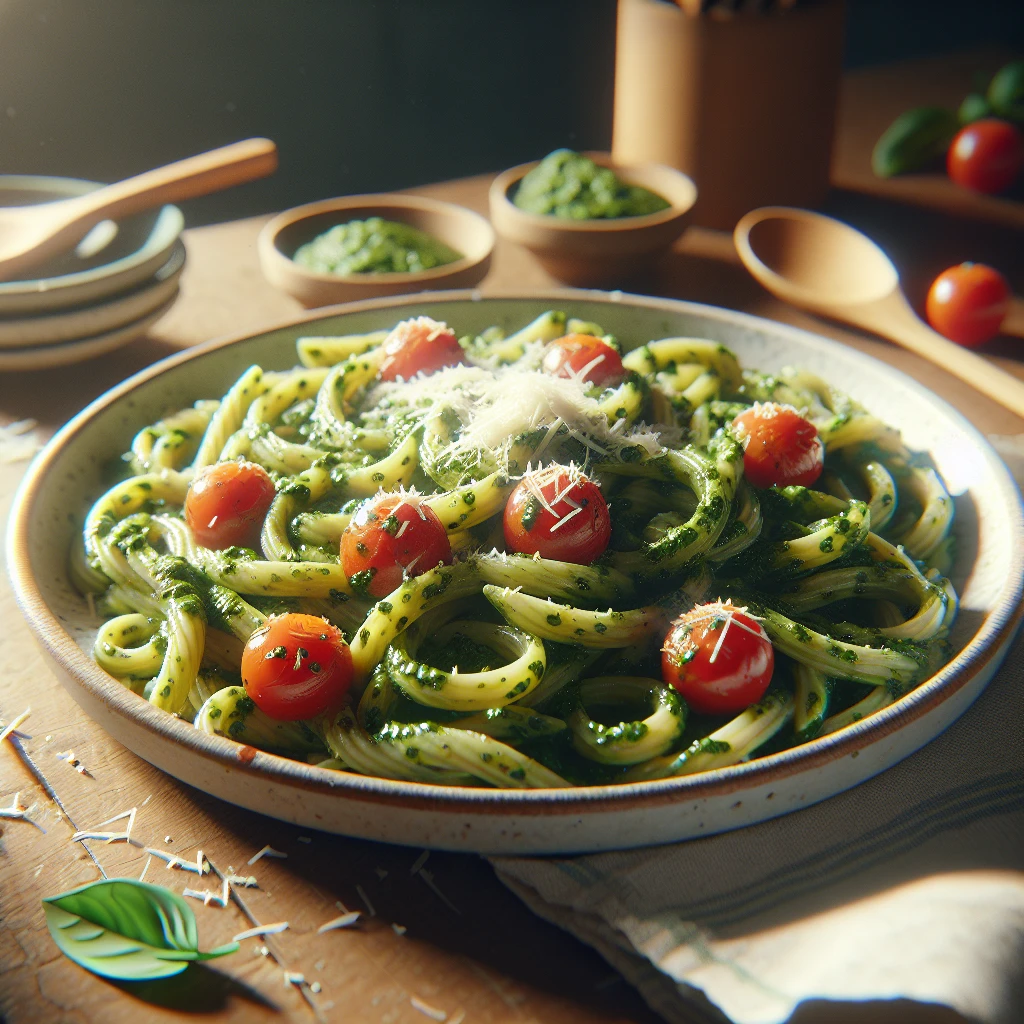
Pesto pasta is one of those incredible dishes that feels like a warm hug in a bowl. It's a simple yet vibrant meal that brings together the fresh flavors of basil and the creamy richness of parmesan. Perfect for a quick weeknight meal or an elegant dinner party, this dish is sure to become a staple in your kitchen.
 Share
Share
This post may contain affiliate links. As an Amazon Associate, we earn from qualifying purchases.
Ingredients for Pesto Pasta
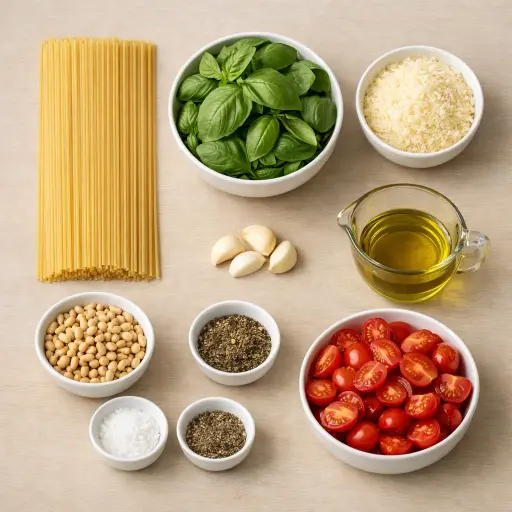
Spaghetti serves as the perfect canvas for our pesto sauce, providing a neutral yet satisfying base. Basil leaves are the star of this dish, offering a fresh, aromatic flavor that’s both herbaceous and slightly peppery. Parmesan cheese adds a salty, umami punch that balances the sweetness of the basil. Pine nuts contribute a creamy, buttery texture and a hint of nuttiness. Garlic brings a savory depth and a bit of zing to the mix. Olive oil ties all the ingredients together with its rich, fruity notes, enhancing the pesto’s smooth texture. Finally, cherry tomatoes add a burst of freshness and color, cutting through the richness of the sauce.
Why This Pesto Pasta Works
As the spaghetti boils in salted water, the strands soak up the seasoned water and swell. By the time it is drained, the pasta is soft but still has a little bite, and its surface is a bit rough, which lets the pesto cling instead of sliding off.
Inside the food processor, the basil, parmesan, pine nuts, and garlic are chopped into tiny pieces. As the blades spin and the olive oil is poured in, the oil slips into all those little gaps. The cheese and nuts thicken the oil so it doesn’t just run off the pasta later. It turns into a loose, green paste that can coat every noodle.
Once the warm pasta is tossed with the pesto, the heat from the spaghetti loosens the olive oil even more, so the sauce spreads and covers everything. The cherry tomatoes go in at the end, staying fresh and a little firm. Their juice mixes with the oily pesto on the pasta, so each bite has a smooth, slick coating instead of a dry or clumpy one.
Pesto Pasta Tips & Tricks
- Toasting the pine nuts lightly before adding them to the food processor can enhance their nutty flavor.
- If the pesto is too thick, add a tablespoon or two of pasta water to achieve the desired consistency.
- For a nuttier flavor, substitute walnuts for pine nuts.
- Store any leftover pesto in an airtight container with a thin layer of olive oil on top to keep it fresh.
Mistakes To Avoid
Letting the pasta sit too long after draining makes it clump and dry on the surface. Once it cools and sticks together, the pesto can’t slide between the strands, so some bites end up coated in thick paste while the middle of the clumps stays almost plain.
Adding hot pasta straight from the pot into a tiny amount of pesto can cause the cheese in the sauce to seize into little lumps. Instead of a smooth coating, the pesto turns grainy and patchy, and the oil separates and pools at the bottom of the bowl.
Running the food processor too long after the oil goes in can overwork the basil and nuts. The mixture warms up, the basil darkens, and the pesto turns heavy and almost pasty instead of loose and glossy.
Tossing the cherry tomatoes too hard or too early breaks them down. Their juice leaks out, thins the pesto, and the pasta ends up sitting in a watery green puddle with bits of tomato skin floating around.
Equipment Used:
Ingredients
- 1 lb spaghetti
- 2 cups fresh basil leaves
- 1/2 cup grated parmesan cheese
- 1/3 cup pine nuts
- 3 cloves garlic
- 1/2 cup olive oil
- 1 pint cherry tomatoes, halved
- Salt and pepper to taste
Step-by-step Instructions
- 1. In a large pot, bring salted water to a boil and cook spaghetti according to package instructions. Drain and set aside.
- 2. In a food processor, combine basil leaves, parmesan cheese, pine nuts, and garlic. Pulse until finely chopped.
- 3. Gradually add olive oil while processing until smooth. Season with salt and pepper to taste.
- 4. In a large mixing bowl, toss the cooked pasta with the pesto until evenly coated.
- 5. Add halved cherry tomatoes and mix gently.
- 6. Serve immediately with extra parmesan cheese on top if desired.
Trending Now
Classic Banana Bread
Classic Banana Bread is a timeless dessert beloved for its moist texture and sweet...
View Recipe
Classic Cucumber Salad
A refreshing and light cucumber salad featuring crisp cucumbers and a tangy vinaig...
View Recipe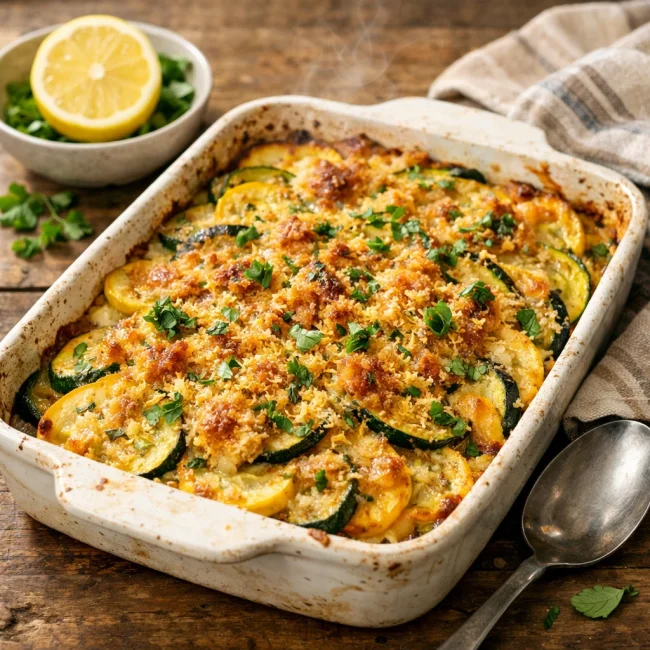
Zesty Summer Squash Casserole
This delightful summer squash casserole combines vibrant garden-fresh vegetables w...
View Recipe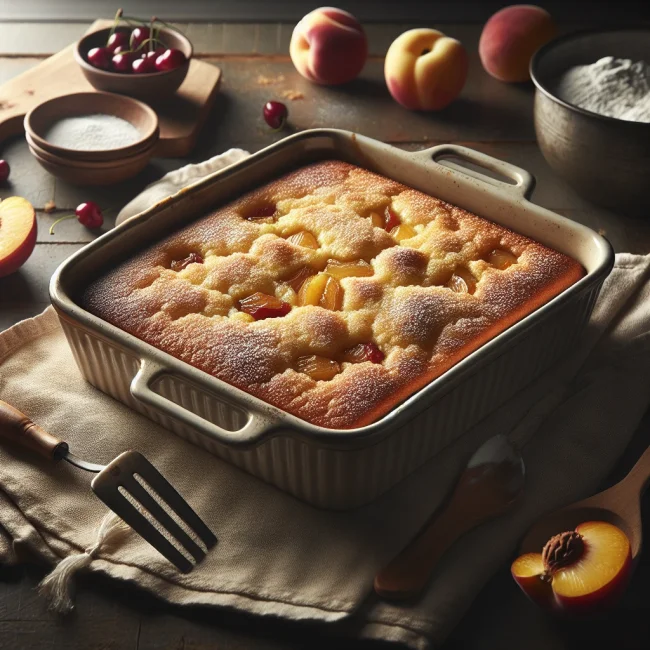
Traditional Dump Cake
Discover the timeless delight of the Traditional Dump Cake, a simple and scrumptio...
View RecipeFrequently Asked Questions
- Can I make this dish vegan?
- Absolutely! Substitute the parmesan cheese with a vegan alternative or nutritional yeast for a similar flavor.
- Can I use a different type of pasta?
- Yes, you can use any pasta shape you prefer. Penne, fusilli, or even fettuccine work well with pesto.
- How long does homemade pesto last?
- Stored properly in the fridge, homemade pesto can last up to a week.
Serving Ideas for Pesto Pasta
This pesto pasta pairs beautifully with a crisp, green salad topped with a simple vinaigrette. For an added protein boost, consider serving it with grilled chicken or shrimp. A slice of crusty garlic bread on the side wouldn’t hurt either!
More Pasta Recipes
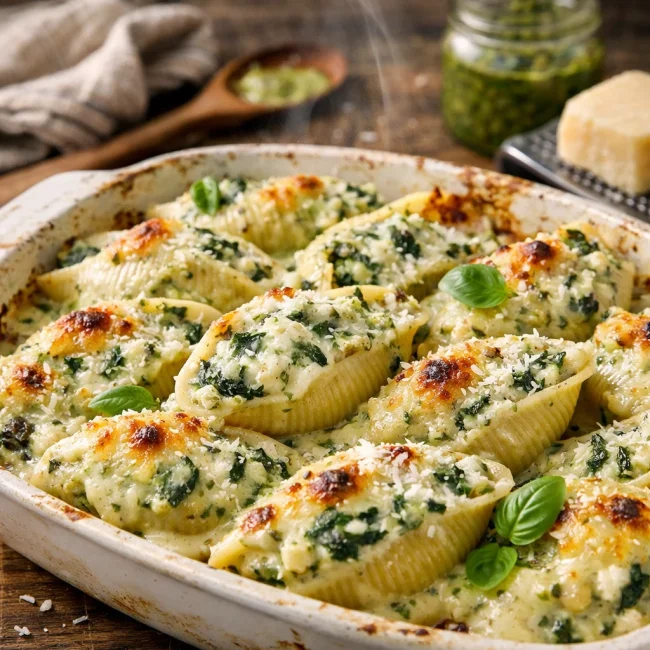
Spinach and Ricotta Stuffed Shells with Pesto Alfredo
Try this delicious twist on classic stuffed shells with a creamy pesto Alfredo sau...
View Recipe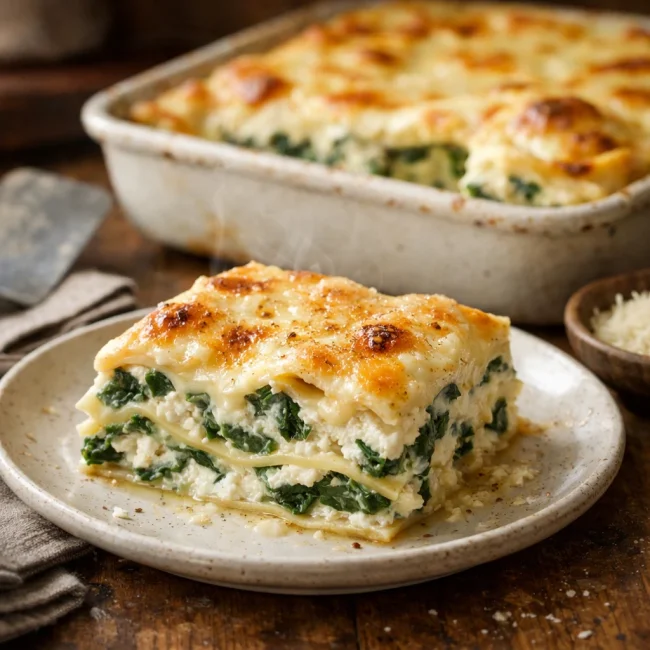
Spinach and Ricotta White Lasagna
A unique twist on the classic lasagna, this white lasagna combines creamy ricotta,...
View Recipe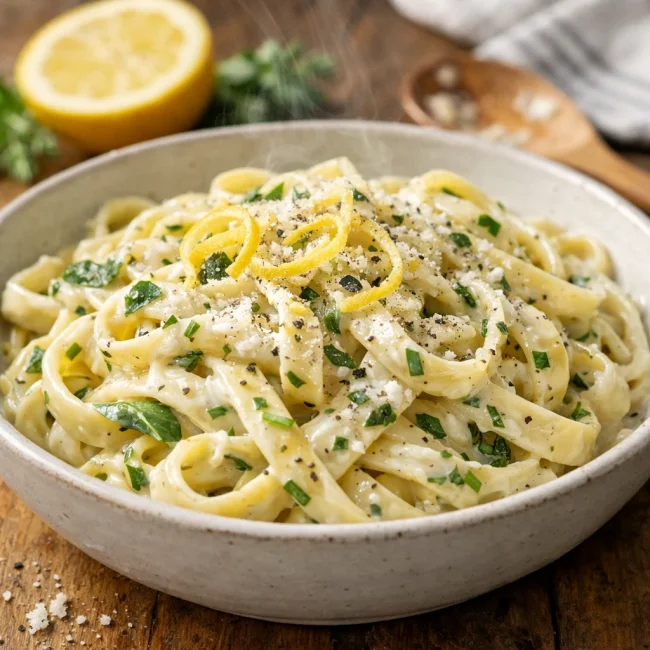
Lemon Herb Fettuccine Alfredo
Lemon Herb Fettuccine Alfredo is a refreshing twist on the classic dish, combining...
View Recipe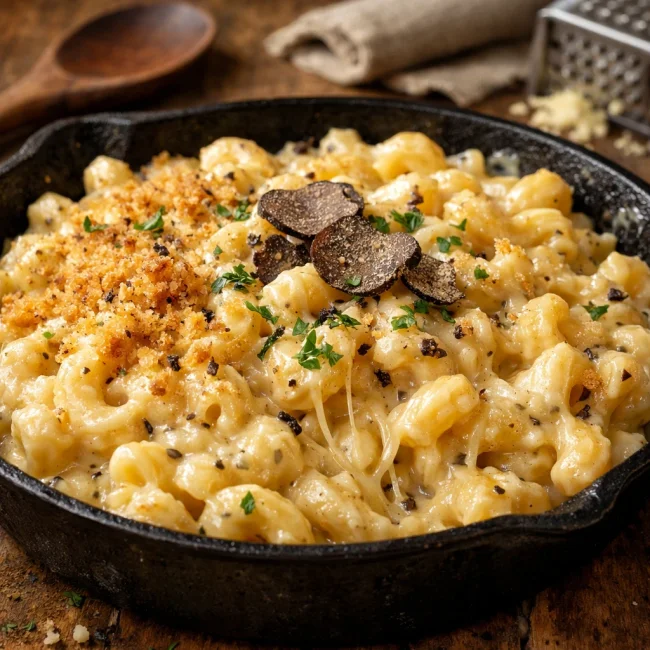
Truffle Mac and Cheese
Experience the ultimate comfort food with a gourmet twist in this Truffle Mac and ...
View Recipe