
Perfectly Seared Steak
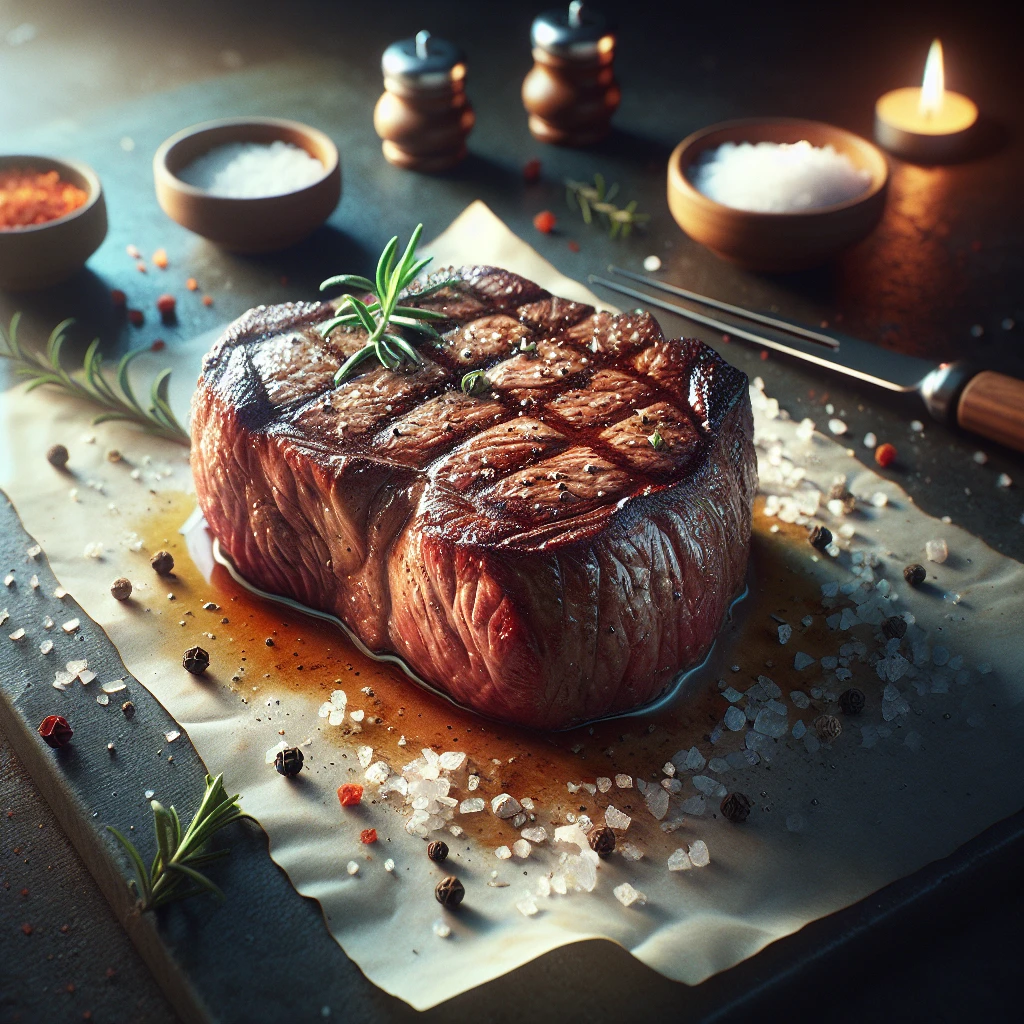
Looking to master the art of a perfectly seared steak? This recipe will guide you through creating a steak that’s crispy on the outside and juicy on the inside, using simple ingredients and a reliable technique. Perfect for a special dinner or whenever you’re craving a restaurant-quality steak at home.
 Share
Share
This post may contain affiliate links. As an Amazon Associate, we earn from qualifying purchases.
Ingredients for Perfectly Seared Steak
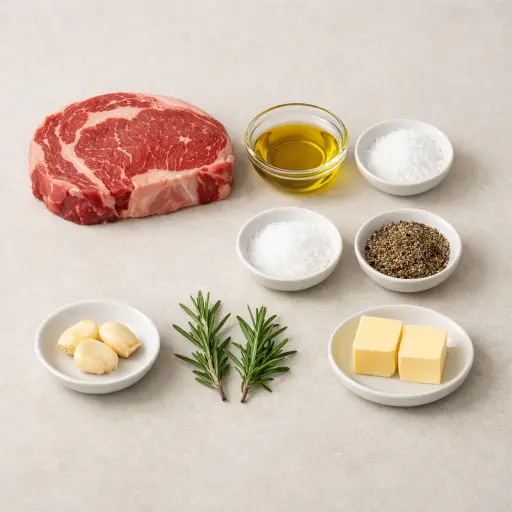
The star of this dish is the ribeye steak. It’s marbled with fat, which melts during cooking to keep the meat juicy and flavorful. We’ve got olive oil to help achieve that golden-brown crust. Kosher salt and black pepper are essential for seasoning; they enhance the steak’s natural taste without overpowering it. Adding smashed garlic and fresh rosemary gives the steak a delightful aromatic infusion, while unsalted butter enriches the flavor and aids in basting.
Why This Perfectly Seared Steak Works
Letting the steak sit out before cooking takes the chill off the center. As it warms up a bit, the meat cooks more evenly, so the outside can brown without the middle staying cold and raw. Heavy seasoning with salt and pepper sticks to the surface and, once the steak hits the hot pan, that coating starts to brown and form a crust. In a very hot cast-iron skillet, the outside browns fast, so the inside stays juicy instead of drying out.
After flipping, the butter melts and mixes with the olive oil, garlic, and rosemary. As the pan is tilted and the steak is spooned with that hot butter, the fat keeps the surface moist while it continues to cook. The hot butter also hits cooler spots on the steak and evens out the cooking. Resting at the end lets the hot juices settle back into the meat instead of running out on the board, so the slices stay tender and moist when cut.
Perfectly Seared Steak Tips & Tricks
- Make sure your skillet is hot enough — it should be almost smoking before you add the steak.
- Resting the steak is crucial. Cutting into it too soon can cause the juices to run out, resulting in a drier steak.
- Use a spoon to continuously baste the steak with butter and aromatics; this keeps the steak moist and flavorful.
Mistakes To Avoid
Letting the steak go straight from the fridge to the pan keeps the center cold while the outside hits high heat. The surface browns fast, but the inside lags behind, so by the time the middle is warm, the outside has turned tough and dry instead of staying juicy.
Starting with a pan that isn’t truly hot enough causes the steak to slowly gray instead of sear. The meat releases more liquid, which steams around it, so the outside stays soft and pale and never forms that firm, browned crust.
Overcrowding the pan or using a pan that’s too small traps steam around the steak. Instead of a strong sizzle, the moisture builds up, the bottom of the steak stays wet, and the surface turns dull and rubbery instead of crisp.
Skipping the resting time sends all the hot juices rushing out as soon as the steak is sliced. The cutting board ends up wet, the slices look dry and fibrous, and the steak feels less tender than it actually is.
Equipment Used:
Ingredients
- 1.5 lbs ribeye steak
- 2 tbsp olive oil
- 1 tbsp kosher salt
- 1 tbsp black pepper
- 2 cloves garlic, smashed
- 2 sprigs fresh rosemary
- 2 tbsp unsalted butter
Step-by-step Instructions
- 1. Take the steak out of the refrigerator 30 minutes before cooking to bring it to room temperature.
- 2. Season both sides of the steak liberally with kosher salt and black pepper.
- 3. Heat a large cast-iron skillet over high heat until it is extremely hot.
- 4. Add olive oil to the skillet and swirl to coat.
- 5. Carefully place the steak in the skillet and sear for 3-4 minutes without moving it.
- 6. Flip the steak and add the smashed garlic, rosemary sprigs, and butter to the skillet.
- 7. Tilt the skillet slightly and use a spoon to baste the steak with the melted butter and aromatics.
- 8. Continue cooking to your desired doneness: 3 minutes for medium-rare, 4 minutes for medium, or 5 minutes for medium-well.
- 9. Remove the steak from the skillet and let it rest on a cutting board for at least 5 minutes before slicing.
- 10. Slice against the grain and serve immediately.
Trending Now
Classic Banana Bread
Classic Banana Bread is a timeless dessert beloved for its moist texture and sweet...
View Recipe
Classic Cucumber Salad
A refreshing and light cucumber salad featuring crisp cucumbers and a tangy vinaig...
View Recipe
Zesty Summer Squash Casserole
This delightful summer squash casserole combines vibrant garden-fresh vegetables w...
View Recipe
Traditional Dump Cake
Discover the timeless delight of the Traditional Dump Cake, a simple and scrumptio...
View RecipeFrequently Asked Questions
- Can I use a different cut of steak?
- Yes, you can! While ribeye is recommended for its marbling, cuts like New York strip or filet mignon also work well with this method.
- What if I don’t have a cast-iron skillet?
- A heavy stainless steel pan will work in a pinch, but avoid non-stick pans as they don’t retain heat as effectively.
- How do I know when the steak is done?
- Using an instant-read thermometer is the most reliable method. Aim for 130°F for medium-rare, 140°F for medium, and 150°F for medium-well.
Serving Ideas for Perfectly Seared Steak
This steak pairs beautifully with a side of creamy mashed potatoes or roasted vegetables. For a touch of freshness, consider a simple arugula salad with a squeeze of lemon. A robust red wine, like a Cabernet Sauvignon, makes for a perfect beverage companion.
More Main Dishes Recipes
Unique Homemade Corned Beef
Discover the ultimate homemade corned beef recipe that balances rich flavors and t...
View Recipe
Spicy Lime Seared Ahi Tuna
Experience a burst of flavor with our Spicy Lime Seared Ahi Tuna, a perfect fusion...
View Recipe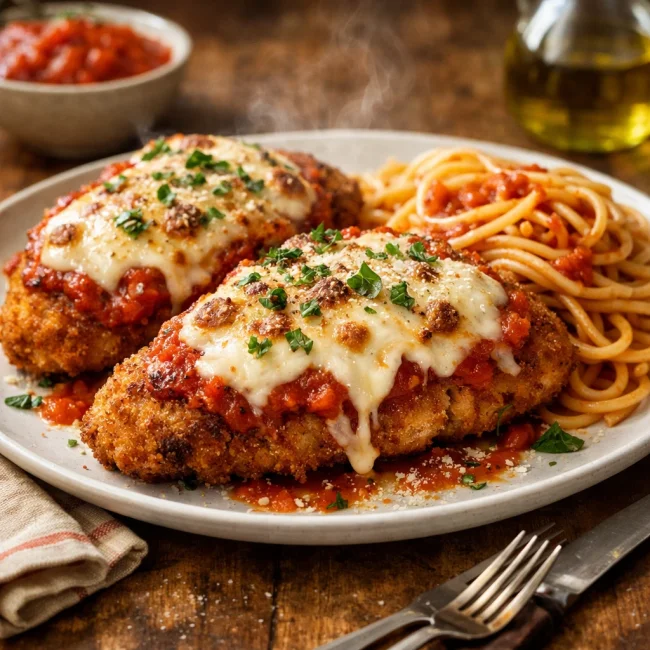
Traditional Chicken Parmesan
Savor the authentic taste of Italian cuisine with our Traditional Chicken Parmesan...
View Recipe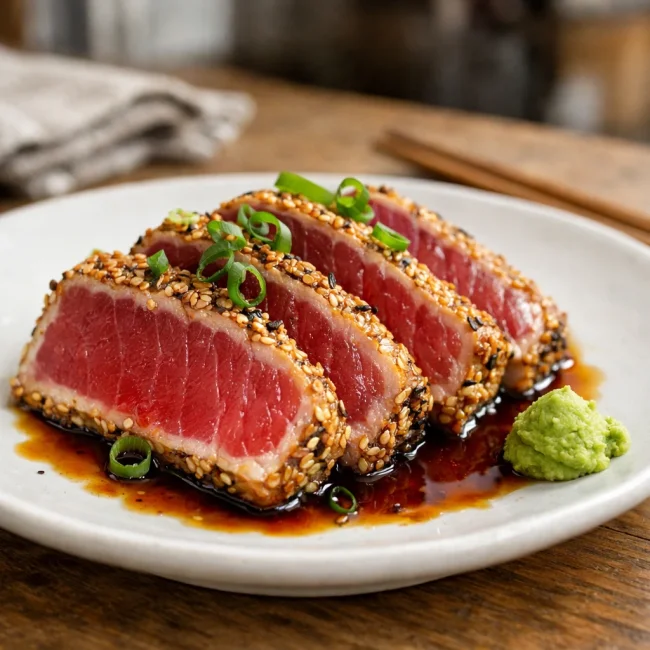
Seared Ahi Tuna
Experience the sublime taste of seared Ahi tuna, a Japanese-inspired dish that hig...
View Recipe