
Pacific Northwest Cioppino
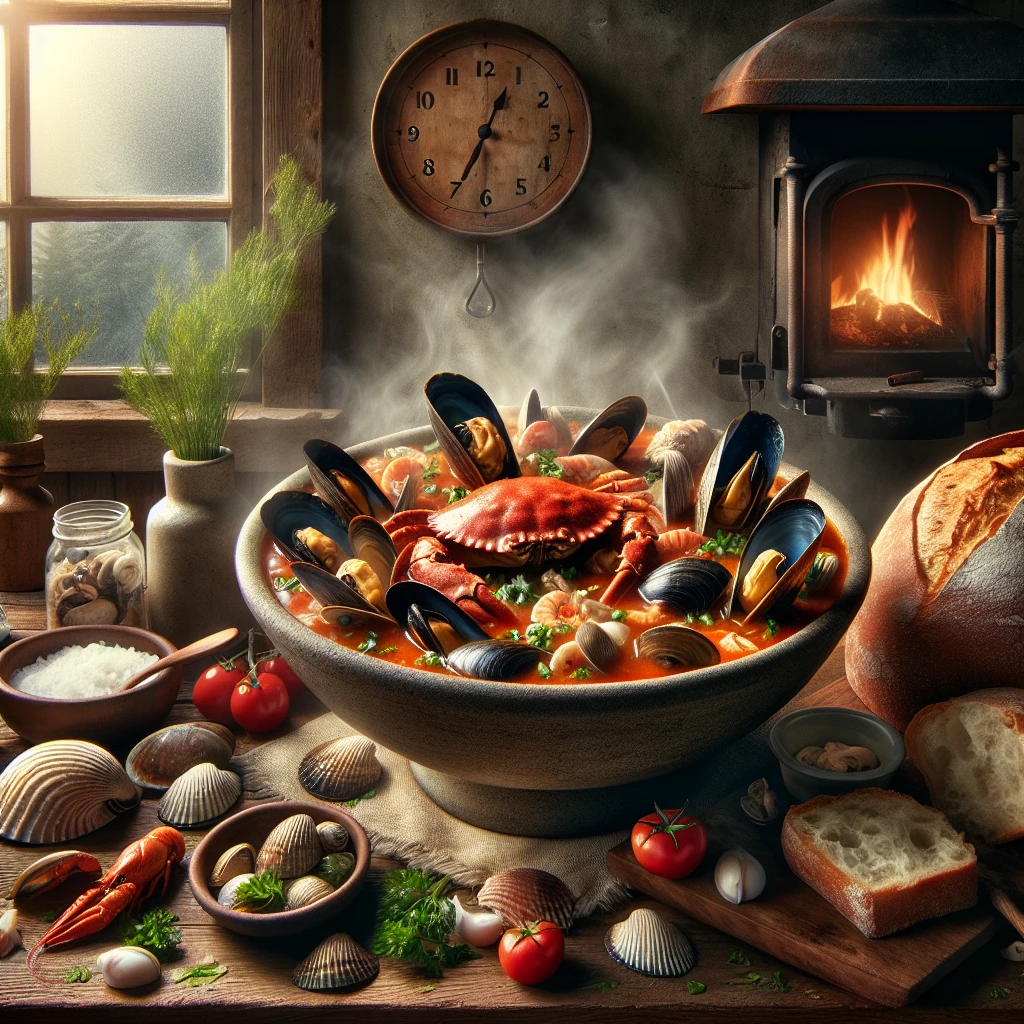
Pacific Northwest Cioppino is a delightful seafood stew that brings the best of the ocean to your table. With its rich flavors and hearty ingredients, it's perfect for those cozy evenings when you crave something comforting yet elegant. This dish is a nod to the vibrant culinary traditions of the Pacific Northwest.
 Share
Share
This post may contain affiliate links. As an Amazon Associate, we earn from qualifying purchases.
Ingredients for Pacific Northwest Cioppino
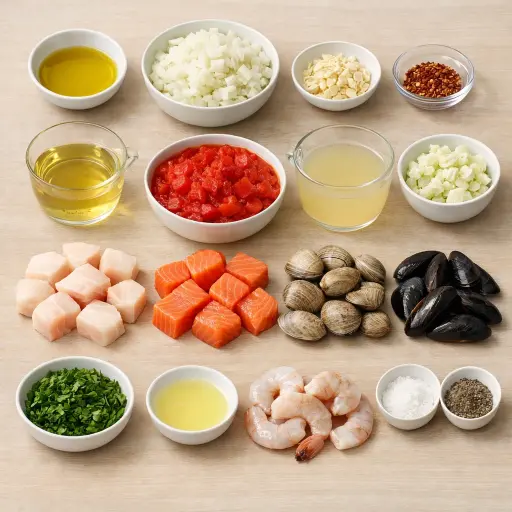
The backbone of this dish is the olive oil, which helps sauté the onions and garlic, creating a flavorful base. Onions add sweetness and depth, while garlic and red pepper flakes bring warmth and a hint of heat. A splash of white wine not only deglazes the pot but also adds a subtle acidity that complements the seafood. Diced tomatoes and clam juice form the stew's rich, savory broth. The unique flavor of fennel bulb adds a subtle anise-like aroma that pairs well with the seafood. The stars of the show are the fresh pieces of halibut and salmon, along with clams and mussels that lend their briny essence. To round it all off, shrimp bring a tender texture and sweetness. Finally, a sprinkle of fresh parsley and a dash of lemon juice brighten the dish right before serving.
Why This Pacific Northwest Cioppino Works
As the pot heats, the onion, garlic, and fennel soften in the olive oil. They lose their sharp bite and start to taste sweeter and milder. The red pepper flakes warm up in the oil, so their heat spreads through the whole pot instead of staying in one spot. When the wine goes in and simmers, some of the liquid cooks off, so the taste stays but the broth doesn’t feel thin.
Once the tomatoes and clam juice are simmering, the liquid starts to thicken a little and everything blends together. The fish goes in first because it needs a bit more time. Halibut and salmon firm up gently in the hot broth, so they stay in nice chunks instead of falling apart. After that, the clams and mussels steam in the covered pot. Their shells opening shows they are just cooked, and their juices drip into the broth and make it taste more like the sea.
Near the end, the shrimp cook very fast and stay tender and springy. Parsley and lemon juice go in last so they stay bright and fresh, cutting through the rich seafood broth instead of getting dull from too much heat.
Pacific Northwest Cioppino Tips & Tricks
- Ensure your clams and mussels are fresh and alive; they should close tightly when tapped.
- Use a good-quality white wine that you enjoy drinking. It makes a difference in the final flavor.
- For a thicker stew, let the broth reduce a bit longer before adding the seafood.
- Serve immediately to enjoy the seafood at its best texture and flavor.
Mistakes To Avoid
Letting the seafood go in all at once can wreck the timing. The clams and mussels need more time than the shrimp, and the fish sits somewhere in the middle. When everything cooks together, the shrimp turns rubbery, the fish breaks into dry flakes, and the shellfish may still be partly raw or stubbornly closed.
Putting the heat too high once the liquid is in the pot often leads to trouble. A hard boil makes the fish pieces slam around and break apart, and the shellfish can overcook on the outside while the centers stay tight and chewy. The broth also reduces too fast and turns salty and harsh instead of light.
Skipping the step of scrubbing clams and cleaning mussels can leave grit and broken shell in the pot. As they open, sand and debris fall into the broth. The final cioppino ends up with a muddy bottom and crunchy bits in almost every spoonful.
Adding the lemon juice early in the simmer can throw things off. The acid can tighten the fish and shrimp while they cook, so they firm up too fast and turn tough. The broth also tastes sharp instead of rounded because it never has a chance to mellow at the end.
Ingredients
- 2 tbsp olive oil
- 1 cup chopped onion
- 4 cloves garlic, minced
- 1/2 tsp red pepper flakes
- 1/2 cup white wine
- 1 can (14.5 oz) diced tomatoes
- 2 cups clam juice
- 1 cup chopped fennel bulb
- 1/2 lb halibut fillet, cut into 1-inch pieces
- 1/2 lb salmon fillet, cut into 1-inch pieces
- 1/2 lb clams, scrubbed
- 1/2 lb mussels, debearded
- 1/2 lb shrimp, peeled and deveined
- 1/4 cup chopped fresh parsley
- 1 tbsp lemon juice
- Salt and pepper to taste
Step-by-step Instructions
- 1. Heat olive oil in a large pot over medium heat.
- 2. Add chopped onion and cook until translucent, about 5 minutes.
- 3. Stir in garlic and red pepper flakes, cooking for 1 minute.
- 4. Pour in white wine and simmer until slightly reduced, about 3 minutes.
- 5. Add diced tomatoes, clam juice, and fennel; bring to a simmer.
- 6. Add halibut and salmon, cooking for 5 minutes.
- 7. Stir in clams and mussels, covering the pot until they open, about 5 minutes.
- 8. Add shrimp and cook until pink, about 3 minutes.
- 9. Stir in parsley and lemon juice, then season with salt and pepper to taste.
Trending Now

Zesty Summer Squash Casserole
This delightful summer squash casserole combines vibrant garden-fresh vegetables w...
View Recipe
Classic Cucumber Salad
A refreshing and light cucumber salad featuring crisp cucumbers and a tangy vinaig...
View Recipe
Classic Banana Bread
Classic Banana Bread is a timeless dessert beloved for its moist texture and sweet...
View Recipe
Traditional Dump Cake
Discover the timeless delight of the Traditional Dump Cake, a simple and scrumptio...
View RecipeFrequently Asked Questions
- Can I use frozen seafood?
- Yes, just make sure to thaw it completely and pat it dry before using.
- What if I can't find clam juice?
- Fish stock or even chicken broth can be a substitute, though it will slightly alter the flavor.
- Is there a non-alcoholic substitute for white wine?
- You can use a mix of chicken broth and a splash of white wine vinegar to simulate the acidity and flavor.
Serving Ideas for Pacific Northwest Cioppino
This cioppino pairs beautifully with a crusty loaf of sourdough bread, perfect for soaking up the delicious broth. For a complete meal, consider a simple green salad with a light vinaigrette. A chilled glass of the same white wine you used in the stew makes for a delightful pairing.
More Soups & Stews Recipes
Classic Clam Chowder
Indulge in a timeless seaside staple with our Classic Clam Chowder recipe, a rich ...
View Recipe
Traditional Beef Stew
A heartwarming traditional beef stew that combines tender beef chunks with classic...
View Recipe
Southwestern Chipotle Taco Soup
Explore the bold flavors of the Southwest with this unique variation of taco soup,...
View Recipe
Southwest Fiesta Taco Soup
Discover the vibrant flavors of our Southwest Fiesta Taco Soup, a quick and hearty...
View Recipe