
Organic Whole Wheat Sourdough Starter
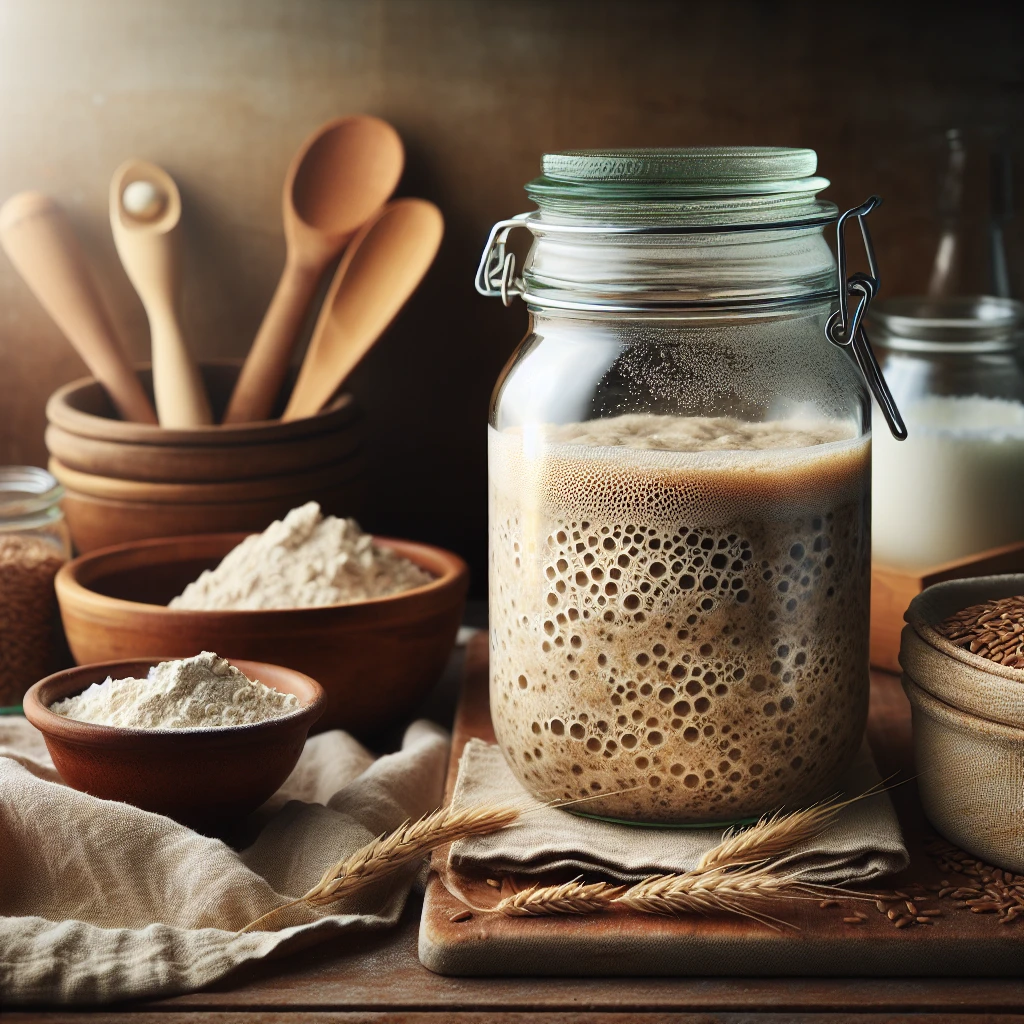
Embarking on the journey of making your own sourdough starter is like adopting a tiny, hungry pet, but without the vet bills. This Organic Whole Wheat Sourdough Starter recipe is simple, natural, and perfect for adding a rustic touch to your homemade bread.
 Share
Share
This post may contain affiliate links. As an Amazon Associate, we earn from qualifying purchases.
Ingredients for Organic Whole Wheat Sourdough Starter
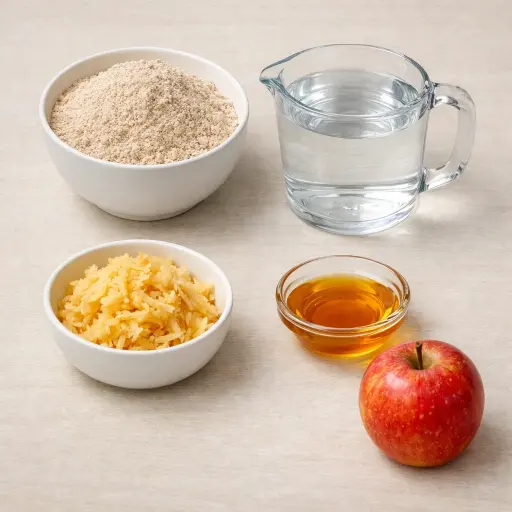
Whole wheat flour forms the base of your starter, providing essential nutrients and natural yeasts. Using whole grains adds depth and a hearty flavor to your bread.
Filtered water is crucial to avoid any chlorine or impurities that might hinder fermentation. Keep it room temperature for best results.
Organic apple is grated to add natural sugars and yeast, boosting the fermentation process. Its subtle sweetness and acidity balance the starter beautifully.
Organic honey contributes additional sugars, fueling the yeast and ensuring a lively, bubbly starter.
Why This Organic Whole Wheat Sourdough Starter Works
At the start, the flour and water just form a thick, sticky paste. After the grated apple and honey go in, there is more natural sugar in the bowl. Wild yeast and bacteria from the flour, apple, and air start eating those sugars. Over the first day, tiny bubbles begin to show up, and the mix loosens a bit and smells a little fruity and sour.
On the second day and after, throwing away half and feeding with fresh flour and water keeps the wild yeast from getting crowded. Each feeding gives them new food and more room. As days pass, the starter rises higher after each feeding and then falls back down, which shows the yeast are active. The whole wheat flour brings in more natural yeast and bacteria and also gives the starter a thicker body, so it holds bubbles well. By day 5 to 7, the bowl is full of bubbles, smells tangy instead of like raw flour, and is strong enough to lift bread dough.
Organic Whole Wheat Sourdough Starter Tips & Tricks
- Use a scale for precise measurements, especially when discarding and feeding your starter.
- Keep your starter in a warm spot, but avoid direct sunlight. A kitchen counter away from drafty windows works well.
- Don’t stress if it takes a bit longer to bubble up — fermentation can be unpredictable based on your environment.
Mistakes To Avoid
Using chlorinated tap water or very hot water often keeps the starter from waking up at all. The natural yeast on the flour and apple gets damaged, so the mixture just sits there, looking like paste with maybe a thin layer of grayish liquid, instead of turning bubbly and active.
Skipping the daily discard and just adding more flour and water each day makes the starter heavy and sluggish. The bowl fills with a thick, doughy mass that rises only a little, and the final starter ends up weak, so bread made with it barely lifts and stays dense.
Covering the bowl too tightly, like with a sealed lid or plastic wrap pressed on, traps gases and limits fresh air. The starter can smell harsh or rotten instead of mildly sour, and the surface may look slimy or oddly colored instead of frothy and lively.
Keeping the bowl in a very cold or very hot spot slows or stresses the yeast. In the cold, it barely bubbles and takes many extra days; in too much heat, it can separate, form a crust on top, and lose its strength.
Equipment Used:
Ingredients
- 2 cups whole wheat flour
- 2 cups filtered water
- 1 organic apple (grated)
- 1 tablespoon organic honey
Step-by-step Instructions
- 1. In a large glass bowl, mix 1 cup of whole wheat flour with 1 cup of filtered water. Stir until smooth.
- 2. Add the grated apple and honey to the mixture and stir well.
- 3. Cover the bowl loosely with a clean cloth and let it sit at room temperature for 24 hours.
- 4. On the second day, discard half of the starter and feed it with 1 cup of whole wheat flour and 1 cup of filtered water, stirring until smooth.
- 5. Repeat the feeding process daily for 5-7 days until the starter is bubbly and has a pleasant sour smell.
Trending Now

Oven-Baked Pork Chops
Enjoy a delightful dinner with these tender and juicy oven-baked pork chops, seaso...
View Recipe
Traditional Corn Casserole
A delightful corn casserole dish that embodies the comforting flavors of sweet cor...
View Recipe
Traditional Cucumber and Tomato Salad
A refreshing and simple salad combining crisp cucumbers and juicy tomatoes, season...
View Recipe
Savory Zucchini Bread
Savory Zucchini Bread is a delectable twist on traditional zucchini recipes, combi...
View RecipeFrequently Asked Questions
- Can I use all-purpose flour instead of whole wheat?
- Yes, but the fermentation might be a bit slower initially. Whole wheat contains more nutrients beneficial for yeast growth.
- What if my starter smells bad?
- A slightly sour aroma is normal, but if it smells putrid, it might have gone bad. Discard and start anew.
- How often should I feed my starter once it's ready?
- Feed it once a week if stored in the fridge. If kept at room temperature, feed it daily.
Serving Ideas for Organic Whole Wheat Sourdough Starter
Your sourdough starter is the hero of any bread recipe. Try it in a rustic loaf, or experiment with pancakes or waffles for a tangy twist. Pair your creations with a hearty soup or stew for a comforting meal.
More Breads & Baked Goods Recipes

Traditional Italian Easter Bread
Savor the delightful taste of a classic Italian Easter bread, a sweet, soft, and s...
View Recipe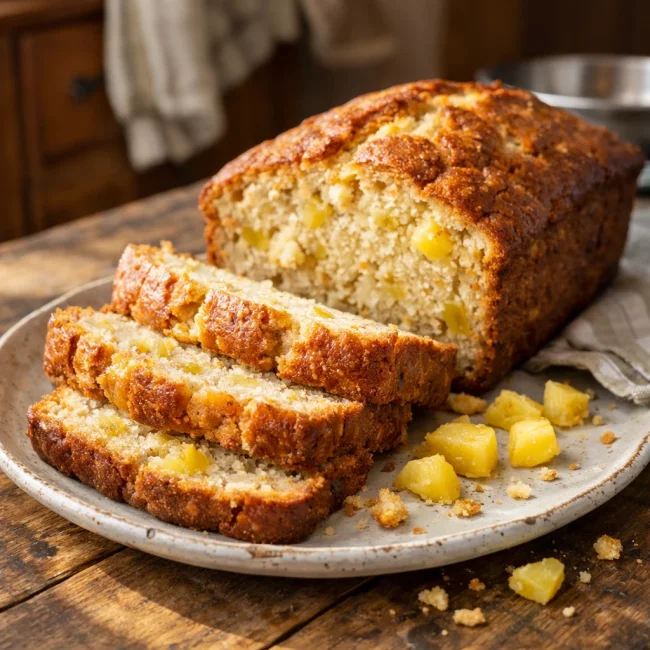
Old-Fashioned Pineapple Bread
A delightful and flavorful bread infused with juicy pineapple, perfect for breakfa...
View Recipe
Old-Fashioned Blueberry Muffins
Transport yourself to simpler times with these delightful old-fashioned blueberry ...
View Recipe
Strawberry Basil Scones
These tender scones combine the sweetness of fresh strawberries with a hint of pep...
View Recipe