
Old-Fashioned Butter Cake
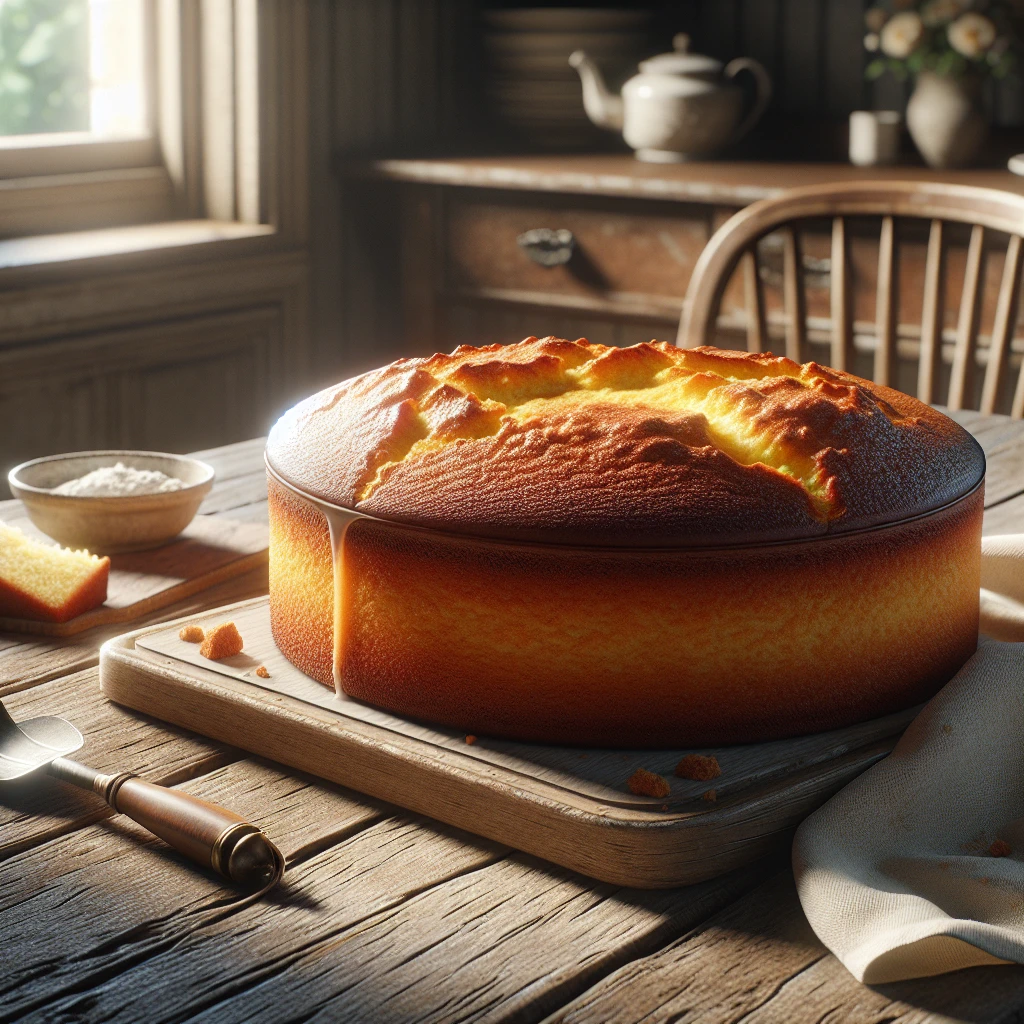
If you’re yearning for a simple yet satisfying dessert that takes you back to grandma’s kitchen, this Old-Fashioned Butter Cake is your ticket. It's a rich, buttery delight that promises comfort in every bite. Perfect for any occasion, this cake is as timeless as it is tasty.
 Share
Share
This post may contain affiliate links. As an Amazon Associate, we earn from qualifying purchases.
Ingredients for Old-Fashioned Butter Cake
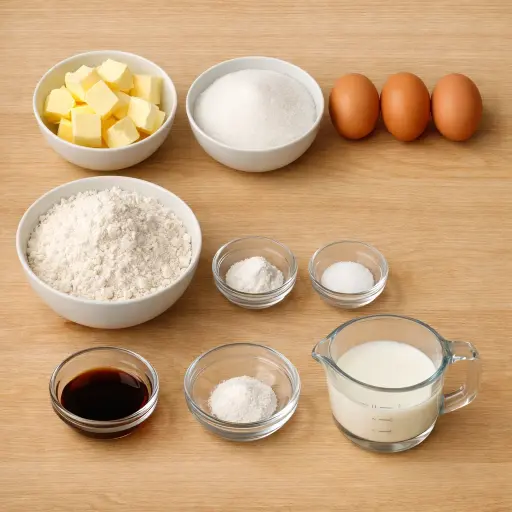
Butter: The star of the show, providing richness and moisture. Make sure it’s softened for easy creaming with sugar. Sugar: This sweetens the cake while giving it a tender crumb. Eggs: They add structure and richness to the cake. Flour: All-purpose flour gives the cake its body. Baking powder: A small amount helps the cake rise just enough. Salt: Enhances the flavors, balancing out the sweetness. Vanilla extract: Adds a warm, aromatic note. Whole milk: This adds moisture and helps create a luscious texture.
Why This Old-Fashioned Butter Cake Works
During mixing, the soft butter and sugar trap a lot of tiny air pockets as they are beaten together. Those little pockets stay in the batter when the eggs go in one by one, so the cake rises evenly instead of puffing in one spot and sinking in another. The eggs also set in the oven and give the cake enough strength so it slices cleanly instead of crumbling.
Once the flour, baking powder, and milk are added in turns, the batter stays smooth instead of heavy. The milk thins the batter just enough so it can rise around the air pockets, and the small amount of baking powder gives a gentle lift without blowing the cake apart. In the oven, the butter melts and soaks into the flour and sugar, so the crumb stays moist and tender. By the time it cools, the structure from the eggs and flour has firmed up, but the butter and milk keep the cake soft all the way through.
Old-Fashioned Butter Cake Tips & Tricks
- For best results, use room temperature ingredients; they mix more evenly.
- Don’t rush the creaming process. Air incorporated during this step helps the cake rise.
- If the top browns too quickly, tent it with foil in the last 15 minutes of baking.
- Ensure your baking powder is fresh for the best rise.
Mistakes To Avoid
Overbaking this cake easily turns it from tender to dry. Letting it go too long in the oven makes the edges hard and the top dark before the center has much moisture left, so the slices crumble and feel rough instead of soft.
Starting with cold, firm butter keeps it from creaming properly with the sugar. Instead of a fluffy, airy mixture, the batter stays heavy and dense, and the baked cake comes out tight and compact with very small or uneven holes inside.
Adding all the eggs at once often causes the batter to look curdled and separated. The fat and liquid stop blending smoothly, so the texture bakes up uneven, with some parts slightly rubbery and others a bit greasy.
Dumping all the flour and all the milk in together makes the batter lumpy and easy to overmix. The flour doesn’t hydrate evenly, more stirring is needed, and the finished cake can turn out tough instead of tender.
Cutting the cooling time short in the pan leads to breakage. The cake is still fragile and steaming hot, so it can crack, tear, or leave chunks stuck to the pan when turned out.
Equipment Used:
Ingredients
- 1 cup unsalted butter, softened
- 1 cup granulated sugar
- 4 large eggs
- 2 cups all-purpose flour
- 1/2 teaspoon baking powder
- 1/4 teaspoon salt
- 1 teaspoon vanilla extract
- 1/2 cup whole milk
Step-by-step Instructions
- 1. Preheat oven to 350°F (175°C) and grease a 9x5 inch loaf pan.
- 2. In a large bowl, cream the butter and sugar together until light and fluffy.
- 3. Add the eggs one at a time, beating well after each addition.
- 4. In a separate bowl, whisk together the flour, baking powder, and salt.
- 5. Gradually add the dry ingredients to the creamed mixture, alternating with the milk, beginning and ending with the flour mixture.
- 6. Stir in the vanilla extract.
- 7. Pour the batter into the prepared loaf pan and smooth the top.
- 8. Bake for 60 to 70 minutes or until a toothpick inserted into the center comes out clean.
- 9. Let the cake cool in the pan for 10 minutes, then turn out onto a wire rack to cool completely.
Trending Now
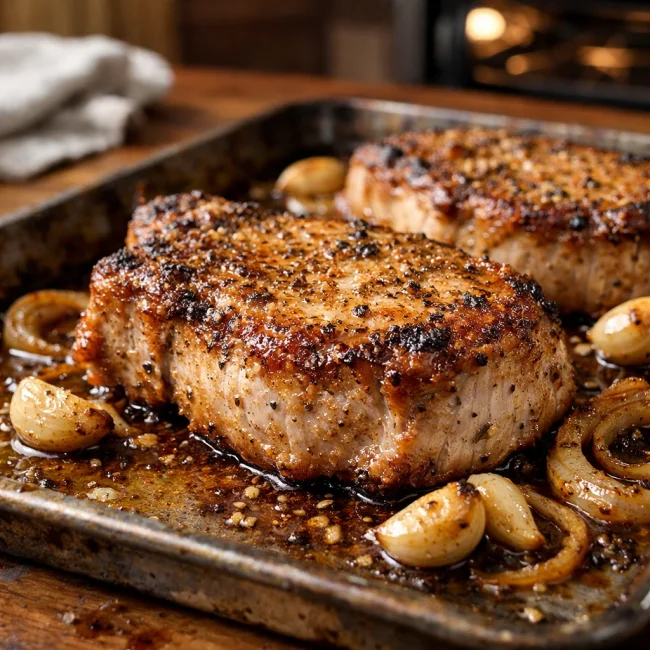
Oven-Baked Pork Chops
Enjoy a delightful dinner with these tender and juicy oven-baked pork chops, seaso...
View Recipe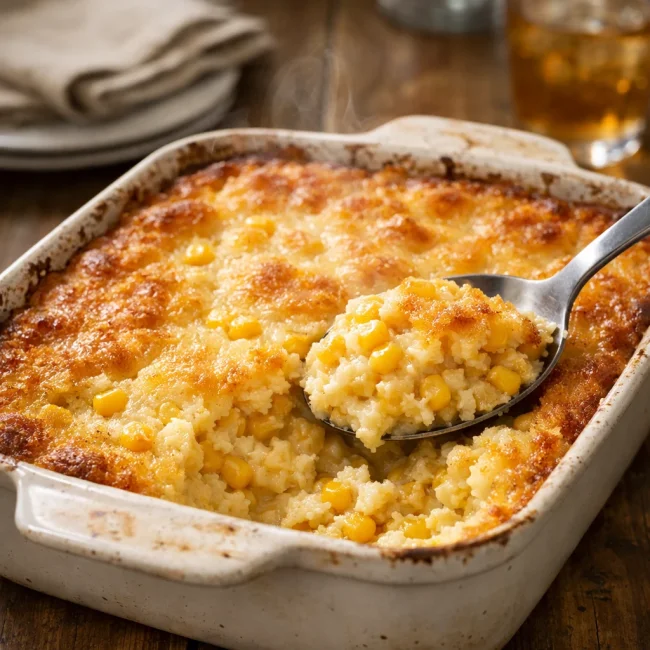
Traditional Corn Casserole
A delightful corn casserole dish that embodies the comforting flavors of sweet cor...
View Recipe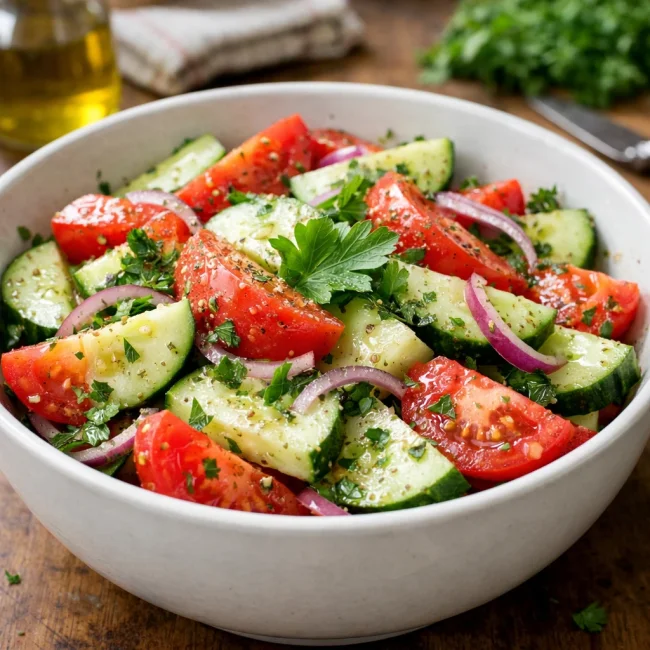
Traditional Cucumber and Tomato Salad
A refreshing and simple salad combining crisp cucumbers and juicy tomatoes, season...
View Recipe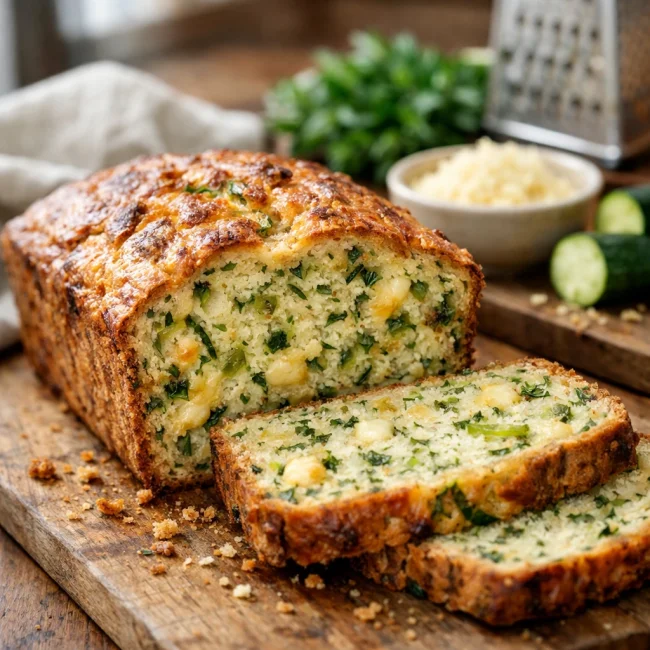
Savory Zucchini Bread
Savory Zucchini Bread is a delectable twist on traditional zucchini recipes, combi...
View RecipeFrequently Asked Questions
- Can I use salted butter?
- Yes, but you may want to omit the added salt to balance the flavor.
- How should I store this cake?
- Keep it in an airtight container at room temperature for up to 3 days, or refrigerate for up to a week.
- Can I freeze this cake?
- Absolutely. Wrap it tightly in plastic wrap and then in foil. It will keep in the freezer for up to 3 months.
Serving Ideas for Old-Fashioned Butter Cake
This cake is delightful on its own, but you can jazz it up with a dollop of whipped cream and fresh berries for a touch of elegance. It’s also wonderful with a drizzle of chocolate sauce or a sprinkle of powdered sugar for a bit of extra sweetness. If you’re serving it for breakfast or brunch, a side of fresh fruit will complement it nicely.
More Baking Recipes
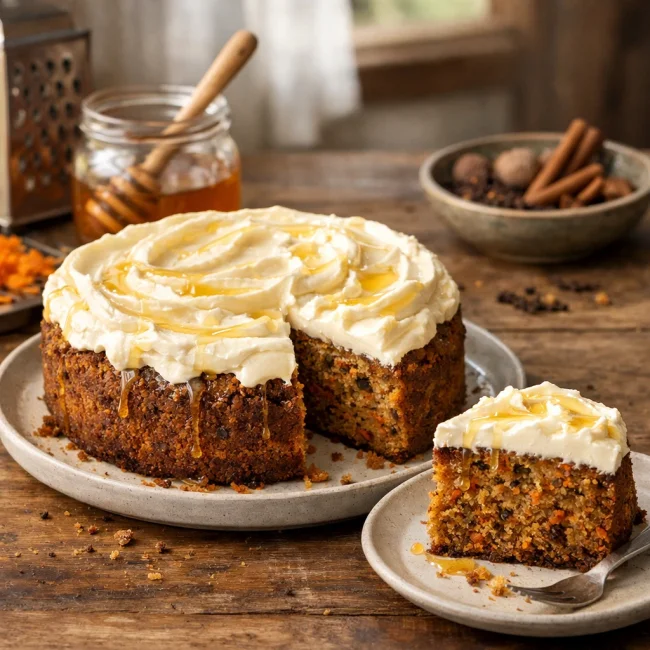
Spiced Honey Carrot Cake
Delight in the rich and moist Spiced Honey Carrot Cake that perfectly balances swe...
View Recipe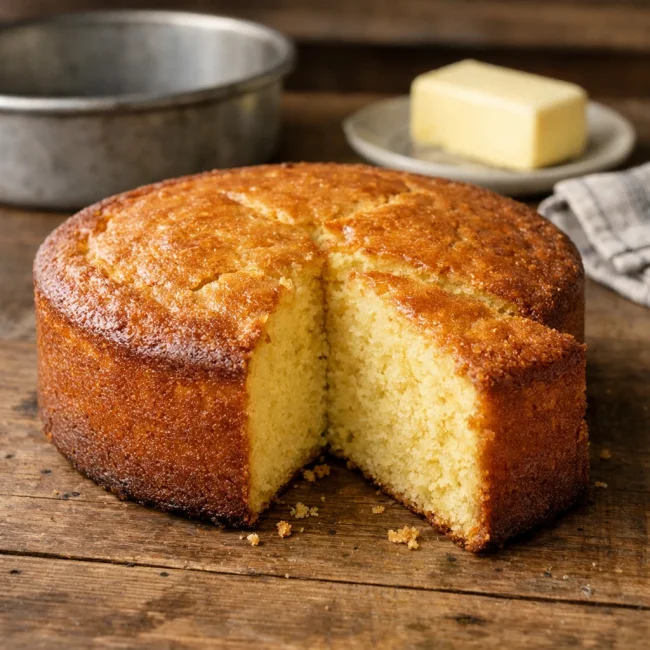
Old-Fashioned Butter Cake
A timeless classic, the Old-Fashioned Butter Cake is a rich, buttery treat perfect...
View Recipe
Rustic Herb Pie Crust
This Rustic Herb Pie Crust is a delightful twist on the classic pie base, infused ...
View Recipe
Traditional Key Lime Pie
Discover the rich and tangy taste of our Traditional Key Lime Pie, a classic desse...
View Recipe