
Molecular Gastronomy Sphere
Molecular Gastronomy Spheres are a playful and innovative way to bring science into the kitchen. With a burst of fresh mango flavor encased in a delicate gel, these spheres are more than just a treat—they're an experience!
 Share
Share

This post may contain affiliate links. As an Amazon Associate, we earn from qualifying purchases.
Ingredients for Molecular Gastronomy Sphere
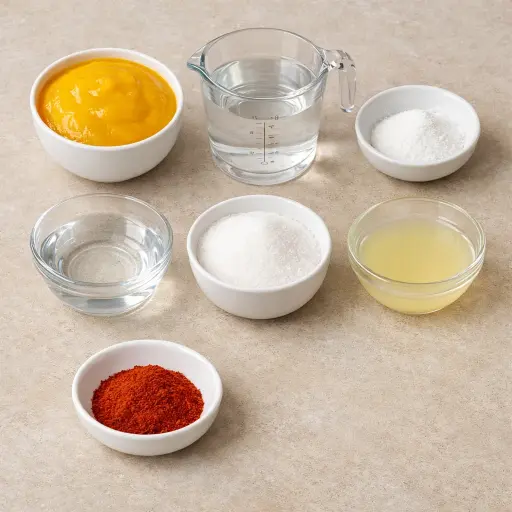
Mango Puree brings the natural sweetness and vibrant color to the dish. Fresh mango works best for a bright, authentic taste.
Sodium Alginate Solution is the magic that helps form the gel-like exterior of the spheres. It’s a key ingredient in spherification, binding with calcium to solidify.
Calcium Lactate acts as a setting agent, reacting with the alginate to create the sphere's thin outer layer.
Lemon Juice adds a hint of acidity, balancing the sweetness of the mango.
Sugar enhances the natural sweetness of the mango, ensuring each sphere is a burst of flavor.
Chili Powder provides a subtle kick to contrast the sweet mango, adding complexity to each bite.
Why This Molecular Gastronomy Sphere Works
As the mango puree blends with the sugar and lemon juice, it turns very smooth and a bit thicker. The sugar melts into the puree, and the lemon keeps the mango bright and stops it from tasting flat. So the liquid that goes into the spheres is even and doesn’t have lumps or stringy bits that could break the skin later.
In a separate bowl, the calcium lactate dissolves into the water, so the water is now full of tiny calcium particles. When the mango mix, which has sodium alginate in it, drops into that bath, the outside of each drop touches the calcium first. Right at that surface, the alginate and calcium grab onto each other and form a thin, soft gel skin, while the inside of the drop stays liquid and juicy.
During the 2 minutes in the bath, that skin gets just thick enough to hold together when lifted with a spoon, but not so thick that the whole thing turns solid. A quick rinse in clean water washes off extra calcium so the outside doesn’t taste salty or chalky. In the end, each sphere keeps a tender shell with a liquid mango center that pops when bitten, and the chili powder on top sticks to the slightly damp surface.
Molecular Gastronomy Sphere Tips & Tricks
- If you don't have a syringe, a small spoon works just fine for dropping the mango mixture.
- Ensure the calcium lactate is fully dissolved in water to avoid gritty spheres.
- Keep the alginate solution smooth by stirring continually as you add it to the mango puree.
- Let the spheres sit for no more than 2 minutes in the bath to prevent them from becoming too firm.
Mistakes To Avoid
Adding the alginate solution too fast or without stirring creates little gel lumps in the mango mix. Those clumps don’t dissolve, so when the mixture goes into the calcium bath, the spheres form with rough, bumpy skins or break apart instead of turning smooth and round.
Using mango puree that is too thick causes trouble in the bath. The heavy mixture sinks fast and doesn’t spread out, so the outside sets unevenly and the centers stay pasty, giving spheres that feel gummy instead of having a thin, delicate shell with a soft middle.
Letting the spheres sit in the calcium bath much longer than 2 minutes makes the gel layer keep growing inward. The whole ball slowly turns firm all the way through, so instead of a liquid center, the result is a solid, rubbery blob.
Skipping the rinse in clean water leaves extra calcium on the surface. That leftover calcium keeps reacting with the alginate, so even nicely formed spheres keep firming up and turn stiff and chewy while they sit.
Equipment Used:
Ingredients
- 1 cup fresh mango puree
- 1 cup sodium alginate solution
- 1/2 teaspoon calcium lactate
- 1/4 cup water
- 1/4 cup sugar
- 1 tablespoon lemon juice
- 1/4 teaspoon chili powder
Step-by-step Instructions
- 1. Combine the mango puree with lemon juice and sugar in a blender, blend until smooth.
- 2. In a separate bowl, mix calcium lactate with water until dissolved.
- 3. Slowly add the alginate solution to the mango mixture while stirring continuously to prevent clumps.
- 4. Use a syringe or spoon to gently drop the mango mixture into the calcium lactate bath, forming spherical droplets.
- 5. Let the spheres sit in the bath for 2 minutes, allowing them to form a thin gel-like outer layer.
- 6. Carefully remove the spheres with a slotted spoon and rinse in a bowl of clean water.
- 7. Pat dry and serve with a sprinkle of chili powder.
Trending Now
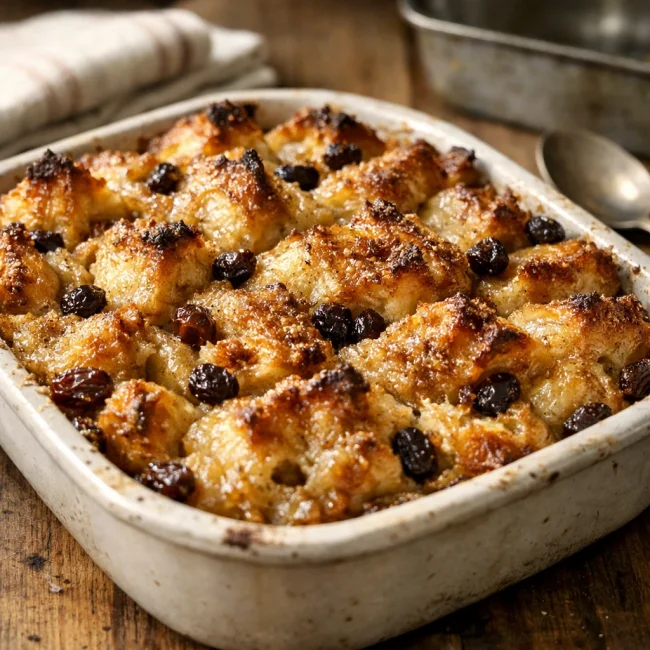
Old-Fashioned Bread Pudding
Discover the classic charm of Old-Fashioned Bread Pudding - a timeless dessert com...
View Recipe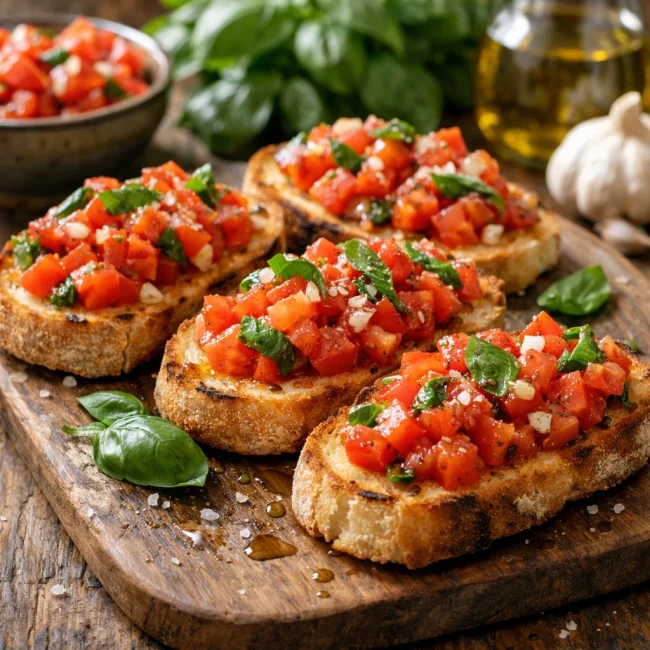
Traditional Italian Bruschetta
Experience the authentic taste of Italian bruschetta, a perfect blend of fresh tom...
View Recipe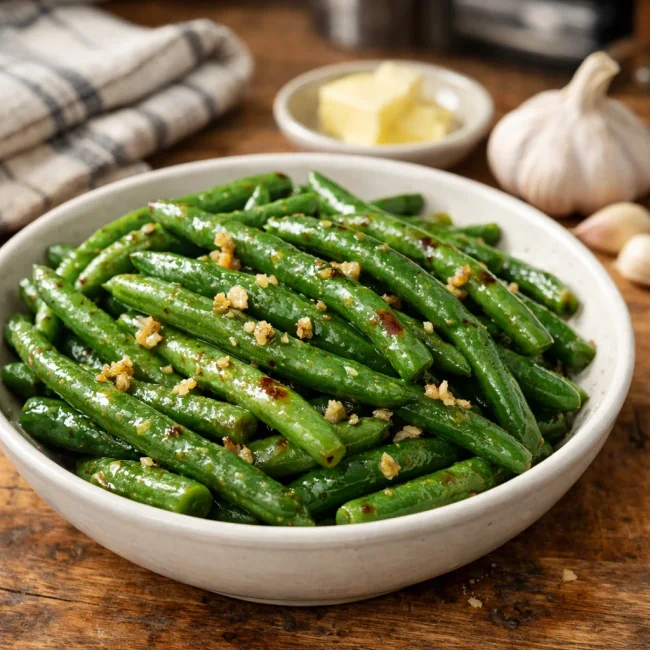
Classic Green Beans
Discover the timeless delight of Classic Green Beans, a simple yet flavorful side ...
View Recipe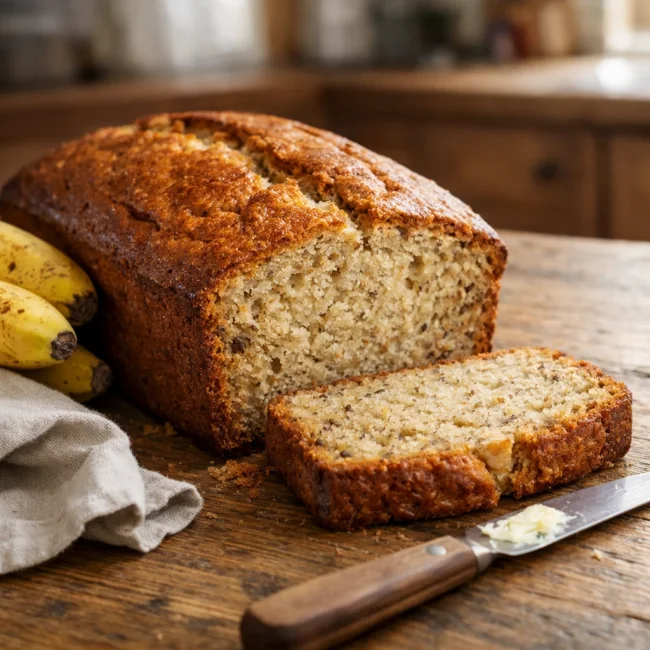
Classic Banana Bread
Classic Banana Bread is a timeless dessert beloved for its moist texture and sweet...
View RecipeFrequently Asked Questions
- Can I use frozen mango for the puree?
- Absolutely! Just make sure to thaw and drain any excess water before blending.
- Where can I find sodium alginate and calcium lactate?
- Check specialty stores or online retailers that sell molecular gastronomy supplies.
- How long can I store the spheres?
- These are best enjoyed fresh, but you can store them in the fridge for up to 24 hours. Just be aware they may lose some texture.
Serving Ideas for Molecular Gastronomy Sphere
These spheres make a delightful addition to a tropical-themed dessert platter. Serve them alongside coconut panna cotta or as a garnish for a refreshing fruit salad. They also pair beautifully with a light, chilled Prosecco.
More Appetizers Recipes

Traditional Sausage Rolls
A timeless recipe for savory sausage rolls, perfect for parties or as a hearty sna...
View Recipe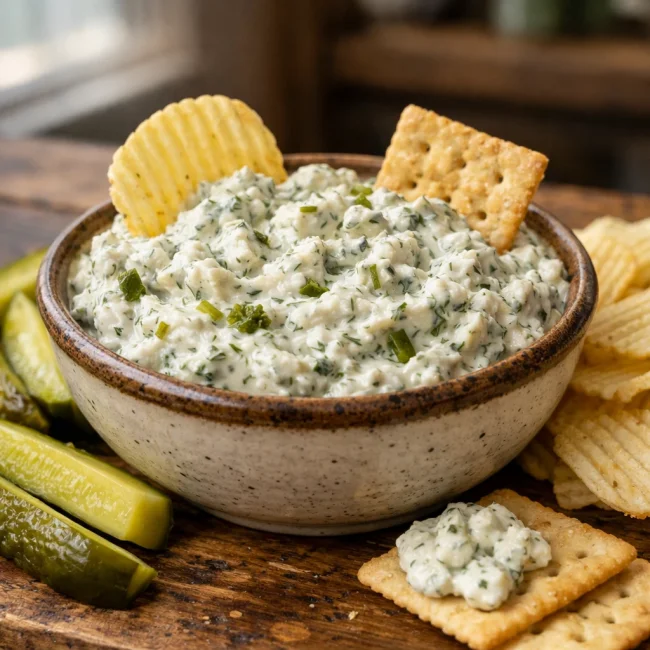
Classic Dill Pickle Dip
A refreshing dill pickle dip perfect for parties and gatherings, featuring a cream...
View Recipe
Savory Bites on Sticks
Savory Bites on Sticks are delightful and colorful appetizers perfect for any soci...
View Recipe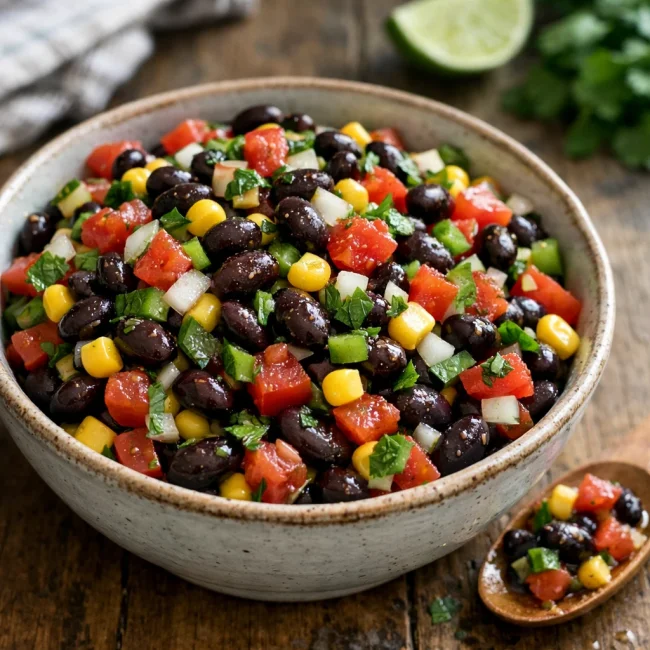
Traditional Black Bean Salsa
Experience a burst of fresh flavors with this classic Black Bean Salsa, perfect fo...
View Recipe