
Mediterranean Stuffed Cabbage Rolls
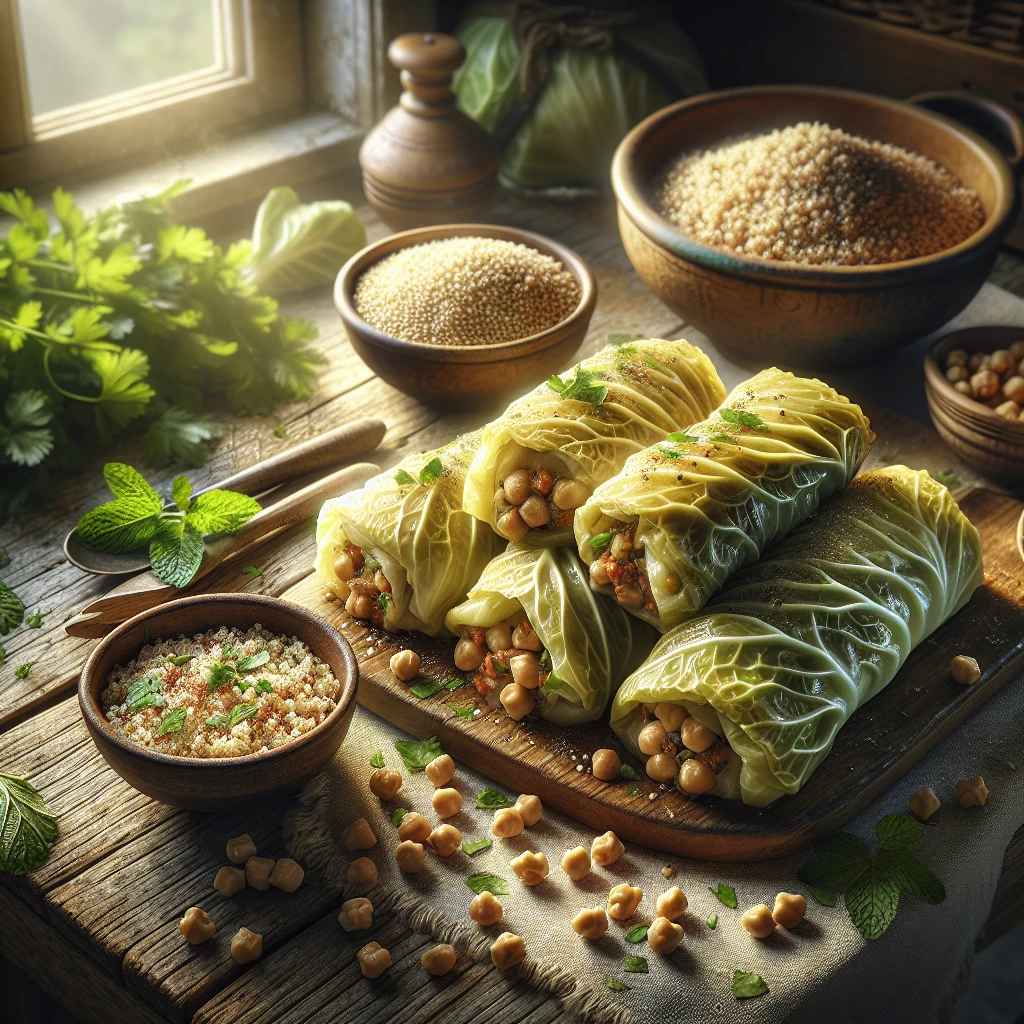
Bring a taste of the Mediterranean to your table with these hearty and flavorful stuffed cabbage rolls. This dish combines vibrant ingredients and spices, making it perfect for a cozy family dinner or a healthy meal prep option.
 Share
Share
This post may contain affiliate links. As an Amazon Associate, we earn from qualifying purchases.
Ingredients for Mediterranean Stuffed Cabbage Rolls
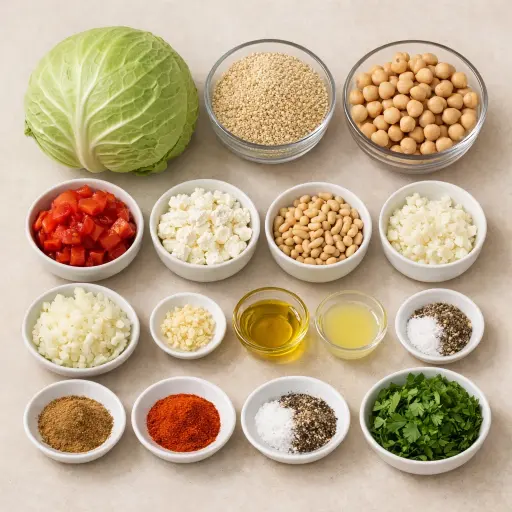
Cabbage: The sturdy leaves of cabbage make the perfect vessel for our filling, offering a subtle sweetness after being blanched.
Quinoa: This protein-packed grain adds texture and a nutty flavor, making the rolls more filling and nutritious.
Chickpeas: These little powerhouses provide heartiness and a creamy texture when blended with the other ingredients.
Diced tomatoes: They bring moisture and a touch of acidity to balance out the richness of the other components.
Feta cheese: The feta adds a tangy, creamy element that pairs perfectly with the spices.
Pine nuts: Toasty and buttery, they add a delightful crunch.
Onion and garlic: These staples add a base of savory depth and aroma.
Olive oil: Helps bring everything together with its rich, fruity flavor.
Lemon juice: Brightens the dish with a hint of citrus.
Cumin and paprika: These spices bring warmth and a touch of smokiness, enhancing the overall Mediterranean vibe.
Parsley: Fresh and vibrant, parsley adds a pop of color and a burst of freshness.
Why This Mediterranean Stuffed Cabbage Rolls Works
During blanching, the cabbage leaves soften just enough so they bend and roll without cracking, but they still stay strong enough to hold the filling. In the pot, the quinoa cooks and swells up, so it becomes fluffy and a little sticky. That texture lets the grains grab onto the chickpeas, tomatoes, and feta instead of everything sliding apart.
As the filling bakes inside the cabbage, the tomatoes warm up and give off some juice, which soaks into the quinoa and chickpeas. The cabbage around the outside traps that moisture, so the rolls stay moist instead of drying out. Feta softens and spreads through the filling, while the pine nuts stay a bit firm, so each bite has both soft and crunchy parts.
In the oven, the onion and garlic lose their sharp bite and turn mild and sweet. The spices and lemon juice spread through the warm filling, and by the time the rolls are heated through, everything inside has settled into one solid, scoopable bundle that holds together on the plate.
Mediterranean Stuffed Cabbage Rolls Tips & Tricks
- If your cabbage leaves are small, use two to wrap one roll securely.
- Toast the pine nuts beforehand for a deeper flavor.
- Feel free to adjust the spices to your taste—add more paprika for smokiness or extra cumin for warmth.
- If you have extra filling, it can be used as a delicious salad topping or side dish.
Mistakes To Avoid
Boiling the cabbage leaves too long in the pot makes them flimsy and torn. Once they get that soft, they rip when rolled and the filling leaks out in the dish. The rolls then bake into a loose pile instead of holding a neat shape.
Skipping the cooling step for the cabbage leaves often leads to soggy rolls. Warm, wet leaves steam the filling from the inside, so the quinoa turns mushy and the feta loses its crumbly texture. The rolls end up soft and heavy instead of firm.
Undercooking the quinoa leaves hard, crunchy bits in the filling. In the oven it does not soften much more, so the center of each roll feels gritty and uneven. The filling also doesn’t pack together well and can fall out when cut.
Packing in too much filling per leaf makes the rolls burst open while baking. The cabbage can’t wrap tightly, so seams pop and the mixture spills into the baking dish. The exposed filling dries out on top instead of staying moist inside the roll.
Equipment Used:
Ingredients
- 1 large cabbage head
- 1 cup quinoa
- 1 can (15 oz) chickpeas, drained and rinsed
- 1 cup diced tomatoes
- 1/2 cup feta cheese, crumbled
- 1/4 cup pine nuts
- 1 small onion, finely chopped
- 2 cloves garlic, minced
- 2 tbsp olive oil
- 1 tbsp lemon juice
- 1 tsp ground cumin
- 1/2 tsp paprika
- Salt and pepper to taste
- 1/4 cup chopped fresh parsley
Step-by-step Instructions
- 1. Preheat your oven to 350°F (175°C).
- 2. In a large pot of boiling water, blanch the cabbage leaves for 2-3 minutes until softened. Carefully remove and set aside to cool.
- 3. In a medium saucepan, cook quinoa according to package instructions, then transfer to a large mixing bowl.
- 4. Add chickpeas, diced tomatoes, feta cheese, pine nuts, onion, garlic, olive oil, lemon juice, cumin, paprika, salt, and pepper to the quinoa. Stir until well combined.
- 5. Place a cabbage leaf on a flat surface, add 2-3 tablespoons of the filling in the center, then roll the leaf around the filling and tuck in the sides.
- 6. Place the rolls seam-side down in a baking dish. Repeat with remaining leaves and filling.
- 7. Cover the dish with foil and bake for 25-30 minutes, or until heated through.
- 8. Garnish with fresh parsley before serving.
Trending Now
Old-Fashioned Bread Pudding
Discover the classic charm of Old-Fashioned Bread Pudding - a timeless dessert com...
View Recipe
Hearty Breakfast Casserole
This Hearty Breakfast Casserole is the quintessential morning dish, combining savo...
View Recipe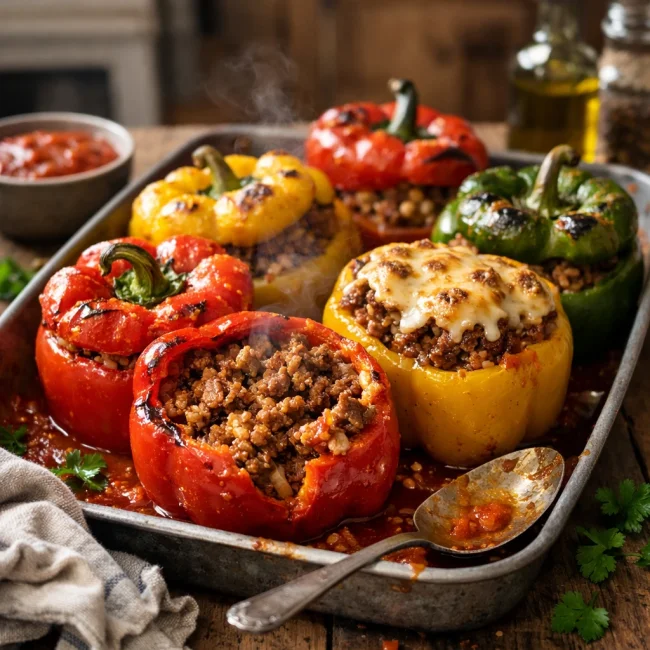
Traditional Stuffed Peppers
Explore the delightful blend of seasoned beef, rice, and tomato sauce nestled in v...
View Recipe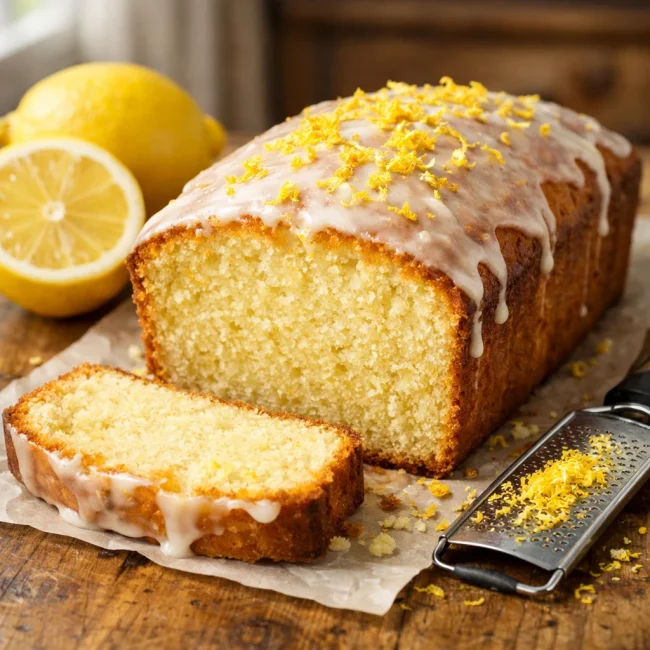
Traditional Lemon Pound Cake
A delightful and moist traditional lemon pound cake infused with the fresh zest an...
View RecipeFrequently Asked Questions
- Can I make these ahead of time?
- Yes, you can assemble the rolls a day in advance and bake them just before serving.
- How do I store leftovers?
- Store them in an airtight container in the refrigerator for up to 3 days. Reheat in the oven or microwave.
- Can I freeze them?
- Absolutely! Freeze unbaked rolls in a single layer, then transfer to a freezer-safe bag. Bake from frozen, adding an extra 10-15 minutes to the cooking time.
Serving Ideas for Mediterranean Stuffed Cabbage Rolls
These rolls pair wonderfully with a side of tzatziki or a simple Greek salad. A slice of crusty bread would also be perfect to mop up any juices. For a heartier meal, serve alongside grilled chicken or lamb.
More Main Dishes Recipes
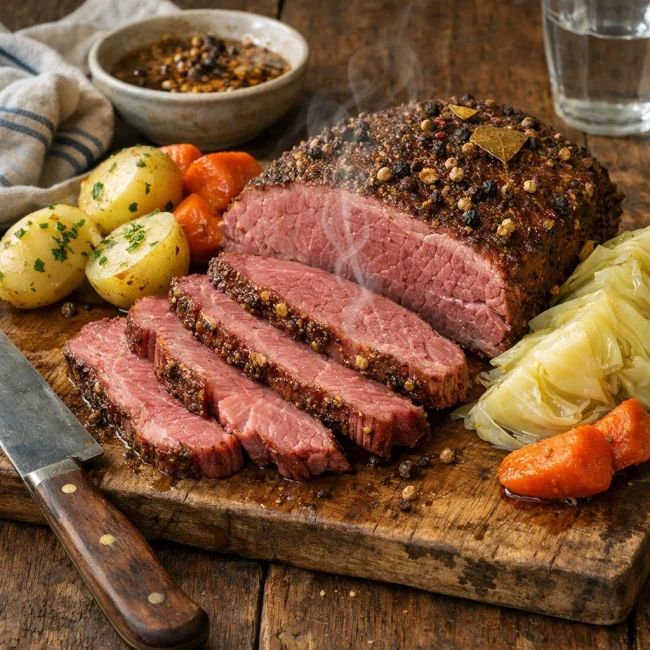
Unique Homemade Corned Beef
Discover the ultimate homemade corned beef recipe that balances rich flavors and t...
View Recipe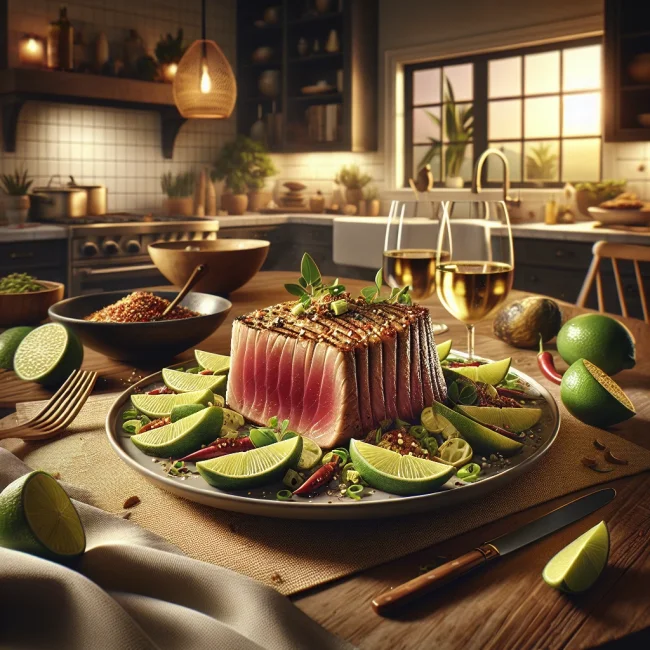
Spicy Lime Seared Ahi Tuna
Experience a burst of flavor with our Spicy Lime Seared Ahi Tuna, a perfect fusion...
View Recipe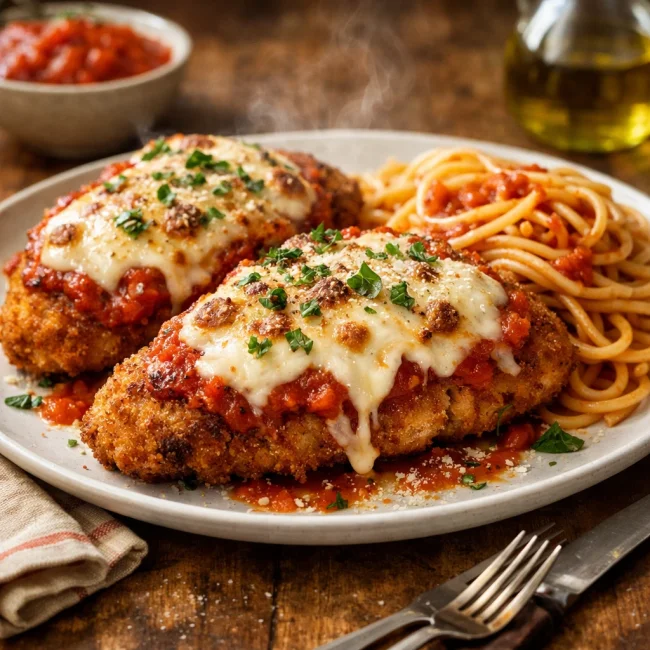
Traditional Chicken Parmesan
Savor the authentic taste of Italian cuisine with our Traditional Chicken Parmesan...
View Recipe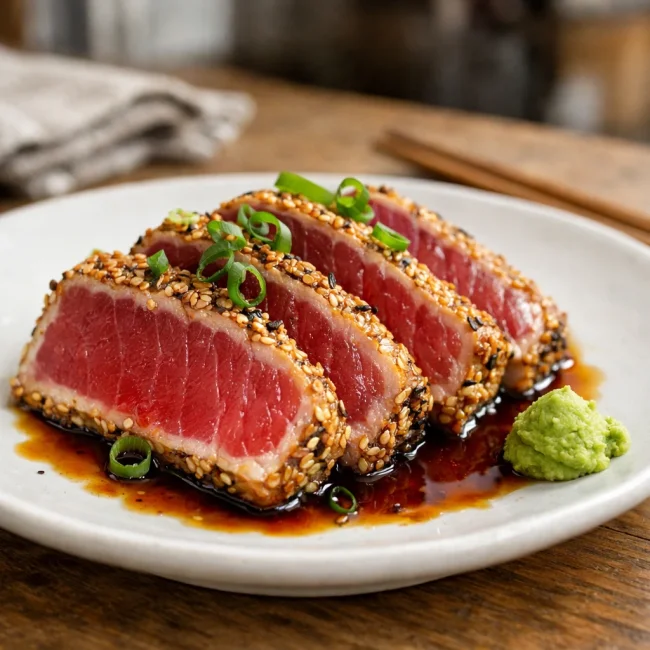
Seared Ahi Tuna
Experience the sublime taste of seared Ahi tuna, a Japanese-inspired dish that hig...
View Recipe