
Maple Balsamic Glaze
If you're looking to add a burst of flavor to your dishes, this Maple Balsamic Glaze will do the trick. It's sweet, tangy, and incredibly versatile, making it perfect for everything from salads to grilled meats. Plus, it's remarkably simple to whip up!
 Share
Share
This post may contain affiliate links. As an Amazon Associate, we earn from qualifying purchases.
Ingredients for Maple Balsamic Glaze
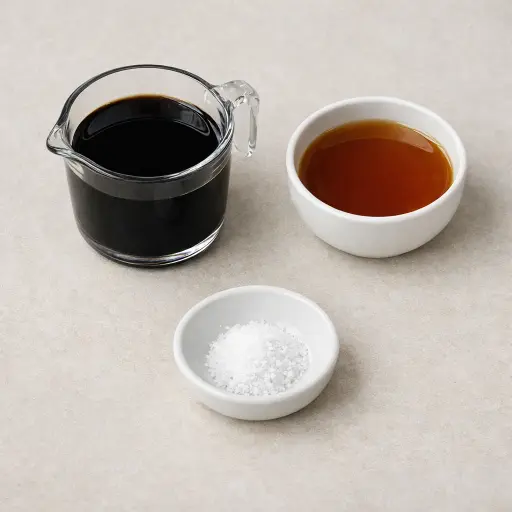
Balsamic vinegar is the star of the show, bringing its rich, complex tanginess to the glaze. Choose a good quality one for the best results. Maple syrup adds a natural sweetness, balancing the tartness of the vinegar while providing a depth of flavor that's hard to beat. Lastly, a touch of sea salt enhances all the flavors and rounds everything out beautifully.
Why This Maple Balsamic Glaze Works
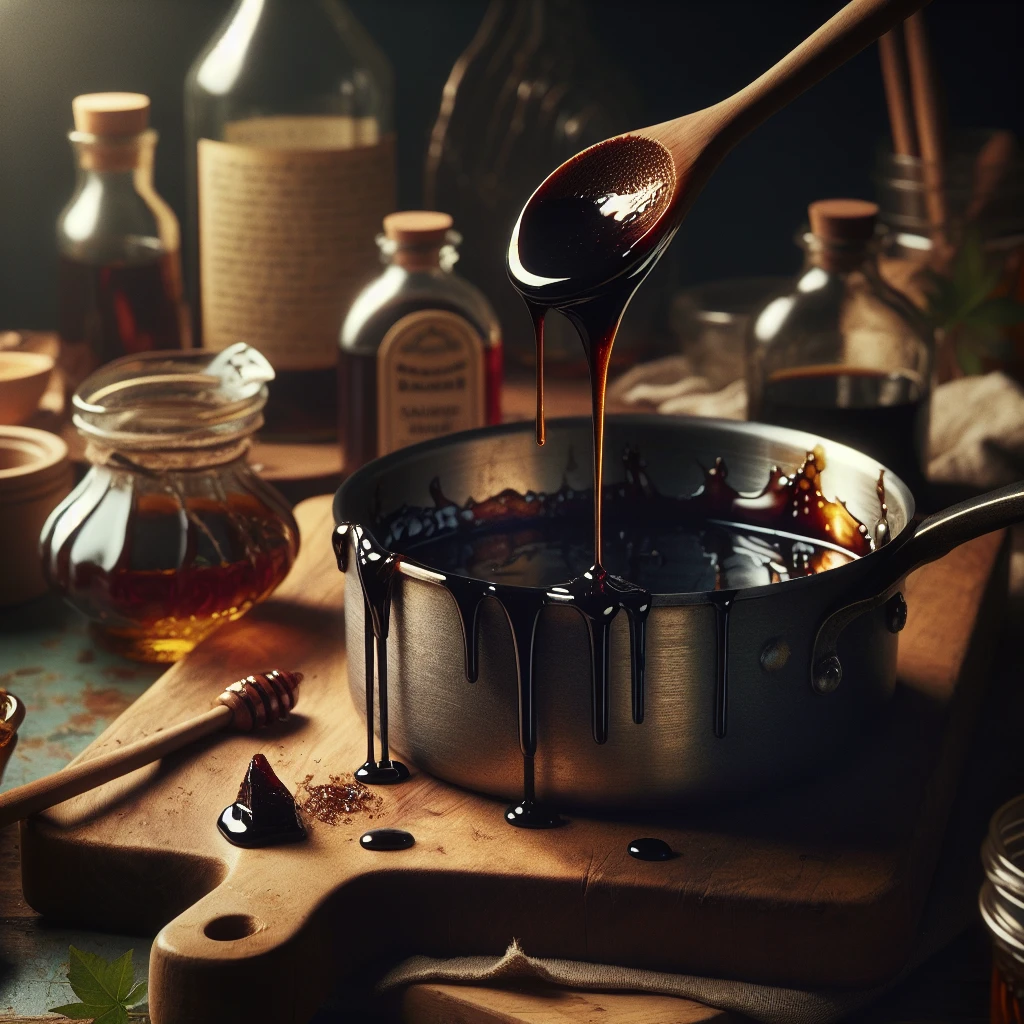
As the balsamic vinegar and maple syrup warm up together, the water in the vinegar slowly cooks off. Over time the liquid in the pan goes from loose and splashy to thicker and more syrupy. With the heat kept low, the sugars in the maple and the natural sugars in the vinegar have time to concentrate instead of burning, so the glaze stays smooth and shiny instead of gritty or bitter.
During the gentle simmer, tiny bubbles keep moving through the pan, which keeps the maple syrup from settling on the bottom and scorching. Stirring now and then spreads the heat and keeps everything cooking evenly. By the time the liquid has reduced by about half, it clings to the spoon and falls off in a slow stream instead of a quick drip.
Once the pan comes off the heat, the glaze keeps changing. As it cools, the sugars firm up a bit and the thick texture really shows. The salt is already dissolved and spread through the glaze, so every spoonful tastes even and the glaze stays pourable but not runny.
Maple Balsamic Glaze Tips & Tricks
- Keep an eye on the heat; too high and you risk burning the glaze.
- If the glaze thickens too much after cooling, just gently reheat it with a splash of water.
- Store in an airtight container in the fridge for up to two weeks.
Mistakes To Avoid
Letting the glaze boil hard instead of gently simmering can scorch the sugars in the maple syrup. The liquid evaporates too fast, the bottom darkens and sticks, and the whole pan can go from glossy to bitter and burnt in a minute. The final glaze ends up harsh and slightly gritty instead of smooth and shiny.
Pulling it off the heat too early leaves the mixture too thin. The vinegar and syrup don’t have time to cook down, so it pours like watery dressing instead of a slow, sticky glaze. On food, it runs straight off instead of clinging in a shiny layer.
On the other hand, cooking it until it looks as thick as finished syrup in the hot pan makes it over-reduce. Once it cools, it tightens up into a stiff, almost taffy-like blob that is hard to drizzle and can set in clumps on the plate.
Skipping the cooling time means the cook judges the texture while it is still loose and hot. The glaze seems too runny, so it often gets cooked longer than needed and then turns overly thick and sticky once it finally cools.
Equipment Used:
Ingredients
- 1 cup balsamic vinegar
- 1/4 cup maple syrup
- 1/4 tsp sea salt
Step-by-step Instructions
- 1. Combine balsamic vinegar and maple syrup in a small saucepan over medium heat.
- 2. Stir in the sea salt and bring the mixture to a gentle simmer.
- 3. Reduce the heat to low and let it simmer gently, stirring occasionally, until the mixture reduces by half and becomes syrupy, about 15-20 minutes.
- 4. Remove from heat and allow the glaze to cool; it will thicken further as it cools.
Trending Now
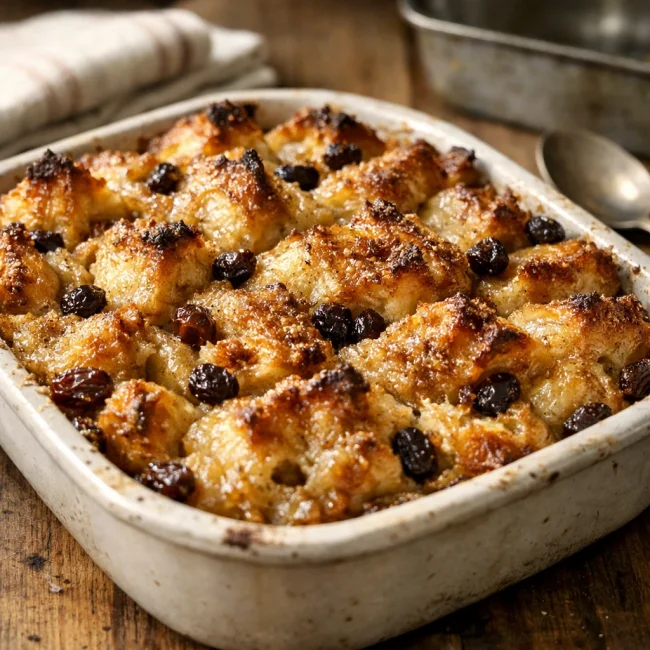
Old-Fashioned Bread Pudding
Discover the classic charm of Old-Fashioned Bread Pudding - a timeless dessert com...
View Recipe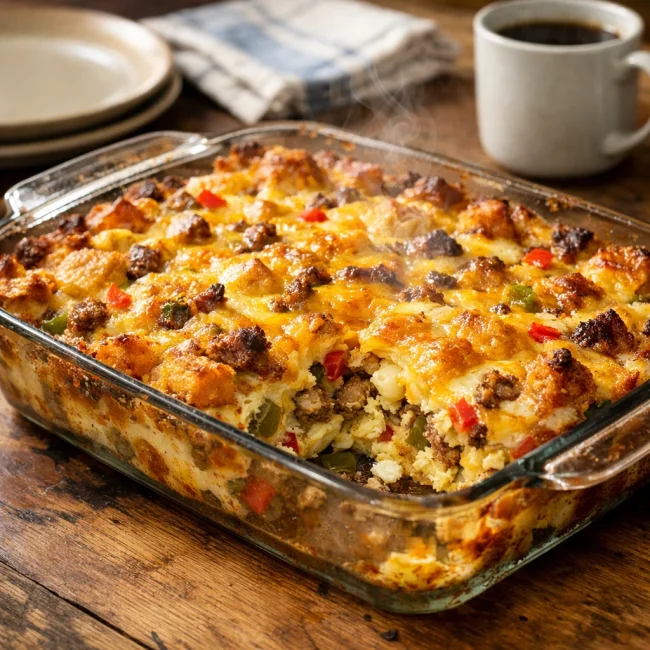
Hearty Breakfast Casserole
This Hearty Breakfast Casserole is the quintessential morning dish, combining savo...
View Recipe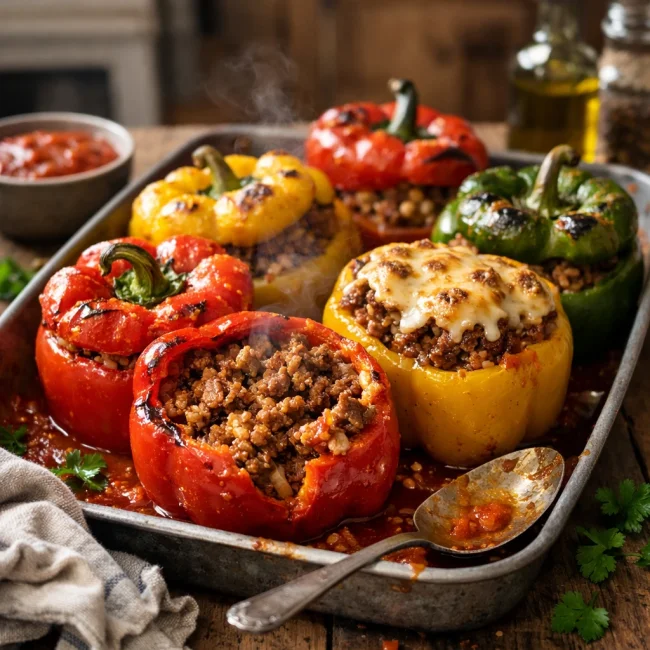
Traditional Stuffed Peppers
Explore the delightful blend of seasoned beef, rice, and tomato sauce nestled in v...
View Recipe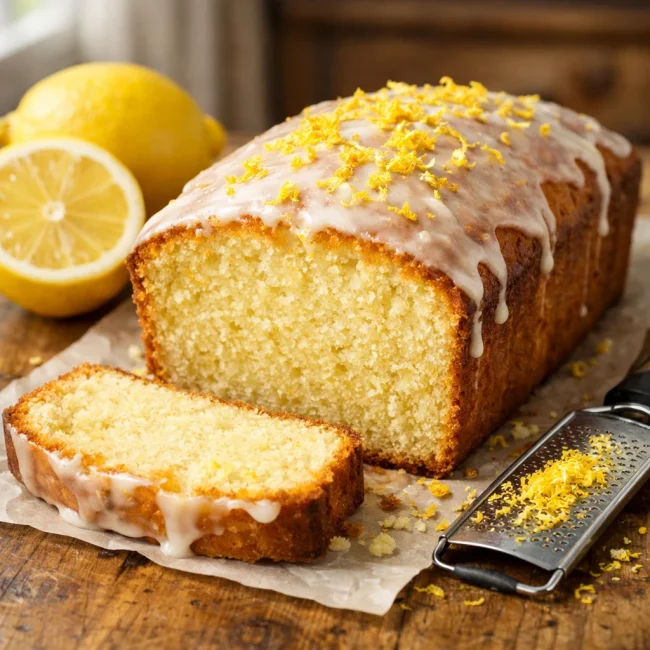
Traditional Lemon Pound Cake
A delightful and moist traditional lemon pound cake infused with the fresh zest an...
View RecipeFrequently Asked Questions
- Can I use a different type of vinegar?
- Balsamic vinegar is ideal for this recipe due to its flavor profile, but you could experiment with apple cider vinegar for a different twist.
- Is there a substitute for maple syrup?
- Honey or agave syrup can be used in a pinch, though each will slightly alter the flavor.
- How can I tell when the glaze is ready?
- You'll know it's ready when it coats the back of a spoon and has reduced by about half.
Serving Ideas for Maple Balsamic Glaze
Drizzle this glaze over roasted vegetables for an extra layer of flavor. It pairs beautifully with grilled meats, especially pork or chicken. For a gourmet touch, try it over vanilla ice cream or fresh strawberries. It's a fantastic way to elevate a simple cheese platter too!
More Vegan Recipes
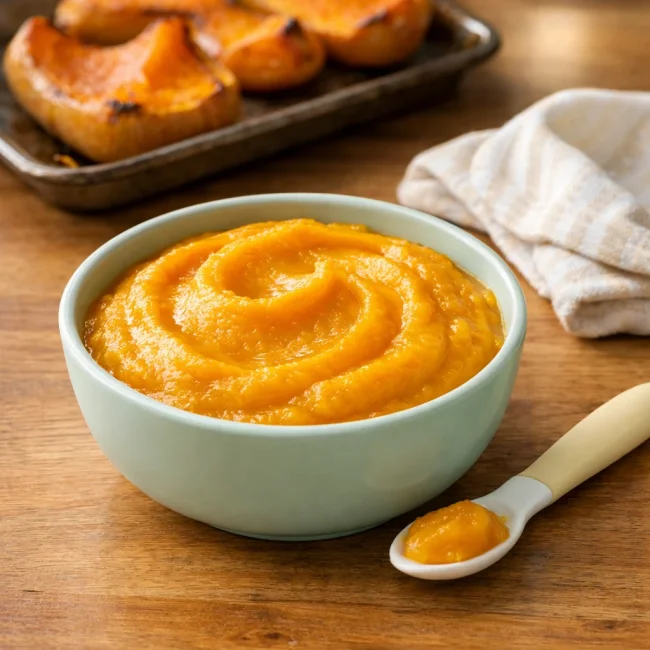
Butternut Squash Puree
Introduce your baby to the gentle sweetness of butternut squash with this easy-to-...
View Recipe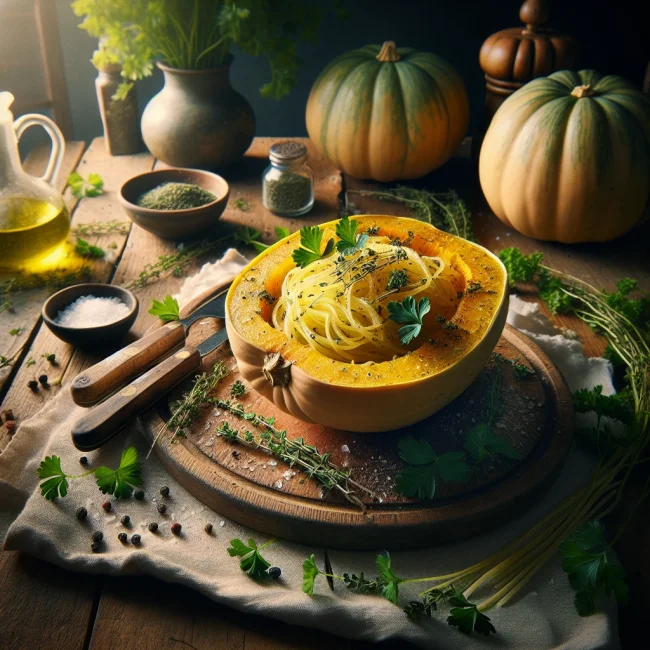
Herb-Roasted Spaghetti Squash
Discover a delicious and healthy way to prepare spaghetti squash with this herb-ro...
View Recipe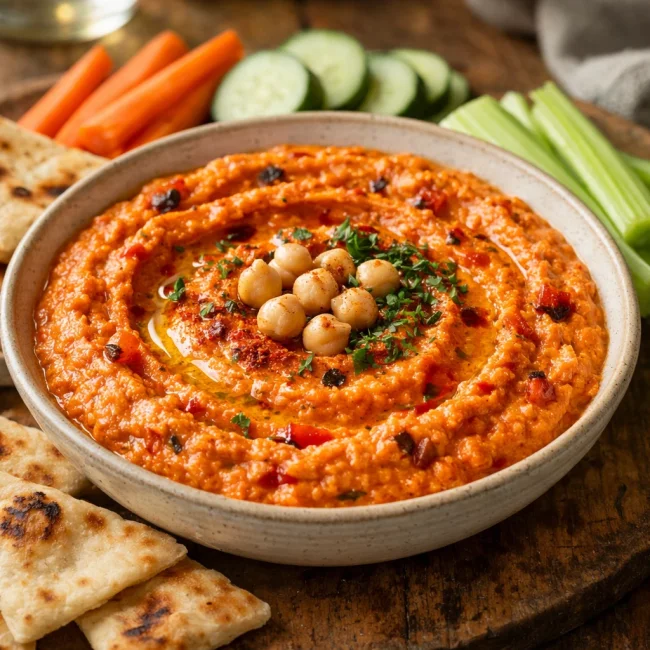
Roasted Red Pepper Hummus
Elevate your appetizer game with this smoky and creamy Roasted Red Pepper Hummus. ...
View Recipe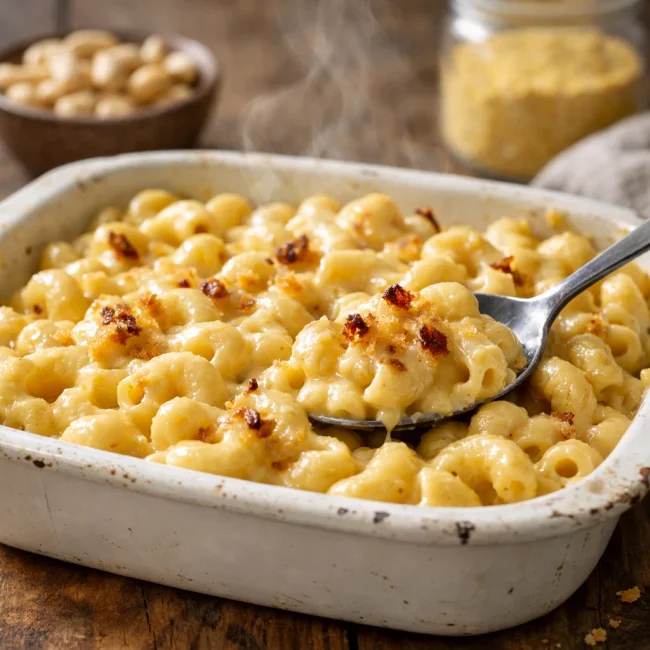
Creamy Vegan Mac and Cheese
Indulge in this luscious and creamy vegan mac and cheese, crafted with a rich blen...
View Recipe