
Lentil and Vegetable Curry
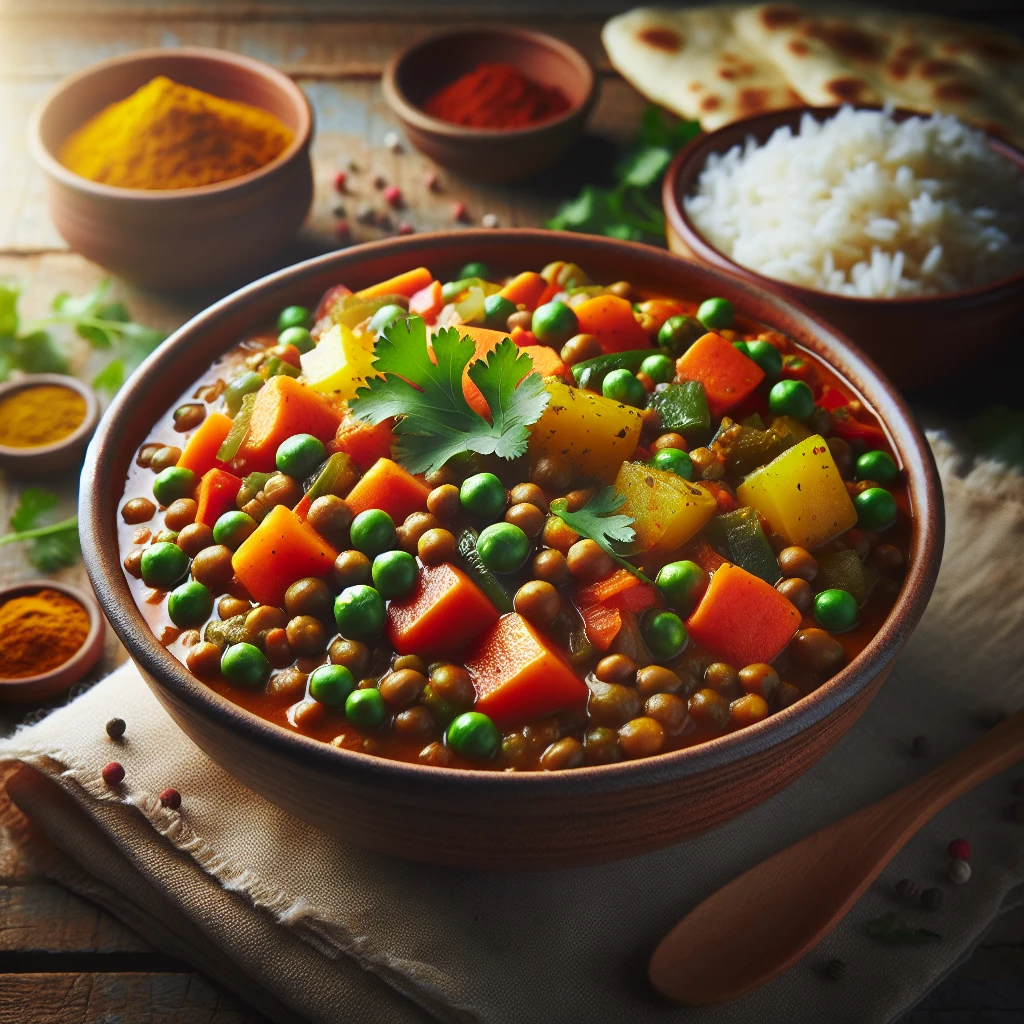
This Lentil and Vegetable Curry is a delightful medley of spices and hearty vegetables, perfect for a cozy dinner at home. It's a vibrant dish that's not only nourishing but also bursting with flavor, making it a fantastic option for both weeknight meals and special occasions.
 Share
Share
This post may contain affiliate links. As an Amazon Associate, we earn from qualifying purchases.
Ingredients for Lentil and Vegetable Curry
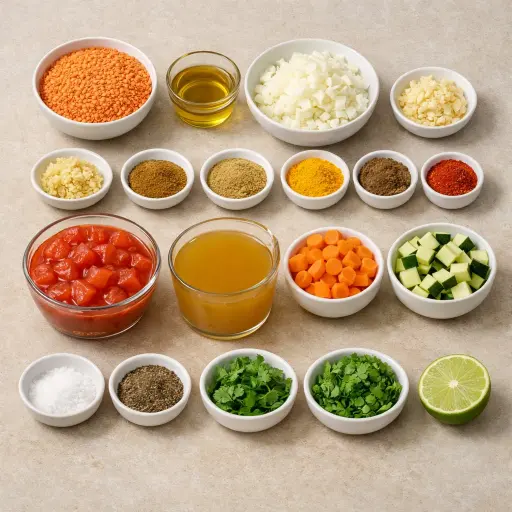
Red lentils are the backbone of this dish, providing a creamy texture and a good dose of protein. Olive oil adds a subtle richness and helps in sautéing the onions to perfection. The onion, garlic, and ginger form the aromatic base, infusing the curry with their savory and slightly spicy notes. A mix of spices including cumin, coriander, turmeric, garam masala, and red chili powder bring depth and warmth to the dish. Diced tomatoes add a tangy sweetness, balancing the spices. Vegetable broth serves as the cooking liquid that melds all the flavors together. Vegetables like carrot, bell pepper, and zucchini add color, texture, and nutrition. Finally, cilantro and lime juice are added at the end to brighten and freshen up the dish.
Why This Lentil and Vegetable Curry Works
As the pot heats up, the onion, garlic, and ginger soften in the oil and lose their sharp bite. They start to taste sweeter and milder, so the base of the curry is smooth instead of harsh. When the dry spices hit the hot oil, they wake up and spread through the onion mix, so every bit of the curry carries the same warm taste instead of having bland spots.
Once the lentils go in with the tomatoes and broth, they slowly soak up the liquid. During this time they swell, soften, and start to break down a little. That change is what turns the thin broth into a thicker, stew‑like curry without adding cream or flour. After a while, the chopped carrot, bell pepper, and zucchini cook in that same starchy, spiced liquid. The vegetables soften but still hold their shape, while the lentils keep thickening around them. Right at the end, lime juice and cilantro cut through the heavier, soft lentils so the curry tastes bright instead of dull or heavy.
Lentil and Vegetable Curry Tips & Tricks
- For a richer flavor, consider using coconut milk instead of some of the vegetable broth.
- If you prefer a thicker curry, reduce the broth slightly or simmer uncovered towards the end.
- Use freshly ground spices for the most intense and authentic flavor.
- To save time, prep all your vegetables while the lentils are cooking.
Mistakes To Avoid
Letting the lentils go in without a good rinse leaves extra starch and dust in the pot, so the curry can turn cloudy and a bit gummy instead of smooth, and the lentils may clump together instead of softening evenly.
Starting the onions, garlic, and ginger on very high heat often burns the edges while the centers stay raw, so the base of the curry ends up with bitter, dark bits and uneven texture that doesn’t blend well into the sauce.
Adding the spices and then cooking them for several minutes instead of just a short toast can scorch the powders on the bottom of the pot, which makes the whole curry taste harsh and gives the sauce a dull, muddy color.
Putting the vegetables in at the same time as the lentils means the carrot, bell pepper, and zucchini sit in the pot too long, so by the time the lentils are soft, the vegetables collapse, lose their shape, and the curry turns into more of a mash.
Skipping the final lime juice and adding cilantro too early during simmering causes the curry to taste flat and heavy, and the cilantro darkens and goes limp instead of staying bright and fresh on top.
Equipment Used:
Ingredients
- 1 cup red lentils
- 2 tablespoons olive oil
- 1 large onion, diced
- 3 cloves garlic, minced
- 1 tablespoon fresh ginger, grated
- 2 teaspoons ground cumin
- 1 teaspoon ground coriander
- 1 teaspoon turmeric powder
- 1 teaspoon garam masala
- 1/2 teaspoon red chili powder
- 1 can (14 oz) diced tomatoes
- 2 cups vegetable broth
- 1 large carrot, diced
- 1 bell pepper, diced
- 1 zucchini, diced
- Salt and pepper to taste
- 1/4 cup fresh cilantro, chopped
- Juice of 1 lime
Step-by-step Instructions
- 1. Rinse the lentils under cold water until the water runs clear.
- 2. In a large pot, heat olive oil over medium heat. Add the diced onion and sauté until translucent.
- 3. Stir in the garlic and ginger, cooking for an additional minute until fragrant.
- 4. Add the cumin, coriander, turmeric, garam masala, and red chili powder, toasting the spices for 30 seconds.
- 5. Add the diced tomatoes and cook for 2-3 minutes, allowing them to break down slightly.
- 6. Stir in the lentils and vegetable broth, bringing the mixture to a boil.
- 7. Reduce heat to a simmer, cover, and cook for 15 minutes.
- 8. Add the carrot, bell pepper, and zucchini.
- 9. Season with salt and pepper to taste, and continue to cook for another 15 minutes or until the lentils and vegetables are tender.
- 10. Stir in the lime juice and garnish with fresh cilantro before serving.
Trending Now
Classic Cucumber Salad
A refreshing and light cucumber salad featuring crisp cucumbers and a tangy vinaig...
View Recipe
Zesty Summer Squash Casserole
This delightful summer squash casserole combines vibrant garden-fresh vegetables w...
View Recipe
Classic Banana Bread
Classic Banana Bread is a timeless dessert beloved for its moist texture and sweet...
View Recipe
Traditional Dump Cake
Discover the timeless delight of the Traditional Dump Cake, a simple and scrumptio...
View RecipeFrequently Asked Questions
- Can I use different lentils?
- Yes, but cooking times will vary. Red lentils cook quickly and break down easily, making them ideal for this curry.
- Is this recipe freezer-friendly?
- Absolutely! Just let the curry cool completely before storing it in an airtight container. It can be frozen for up to 3 months.
- Can I make this curry less spicy?
- Certainly, simply reduce or omit the red chili powder to suit your taste.
Serving Ideas for Lentil and Vegetable Curry
This curry pairs wonderfully with steamed basmati rice or warm naan bread, which help soak up all the delicious sauce. For a low-carb option, serve it over cauliflower rice or alongside a fresh green salad.
More Main Dishes Recipes
Unique Homemade Corned Beef
Discover the ultimate homemade corned beef recipe that balances rich flavors and t...
View Recipe
Spicy Lime Seared Ahi Tuna
Experience a burst of flavor with our Spicy Lime Seared Ahi Tuna, a perfect fusion...
View Recipe
Traditional Chicken Parmesan
Savor the authentic taste of Italian cuisine with our Traditional Chicken Parmesan...
View Recipe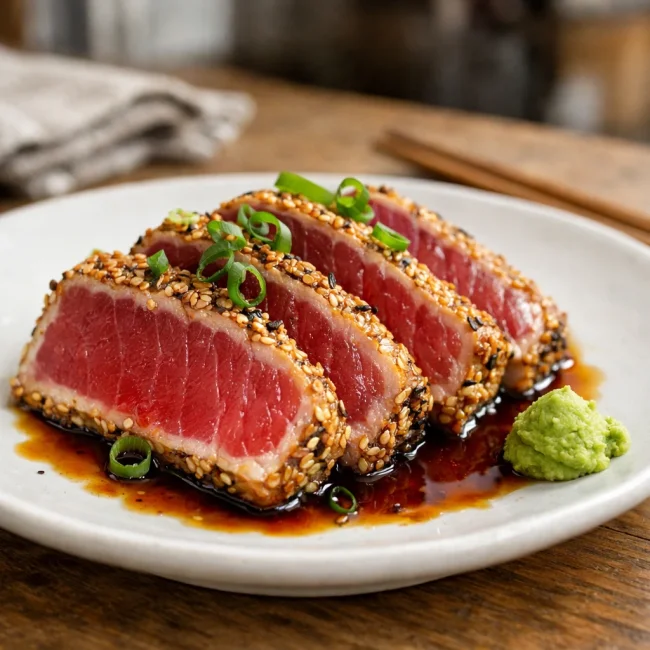
Seared Ahi Tuna
Experience the sublime taste of seared Ahi tuna, a Japanese-inspired dish that hig...
View Recipe