
Lemon Garlic Shrimp Pasta
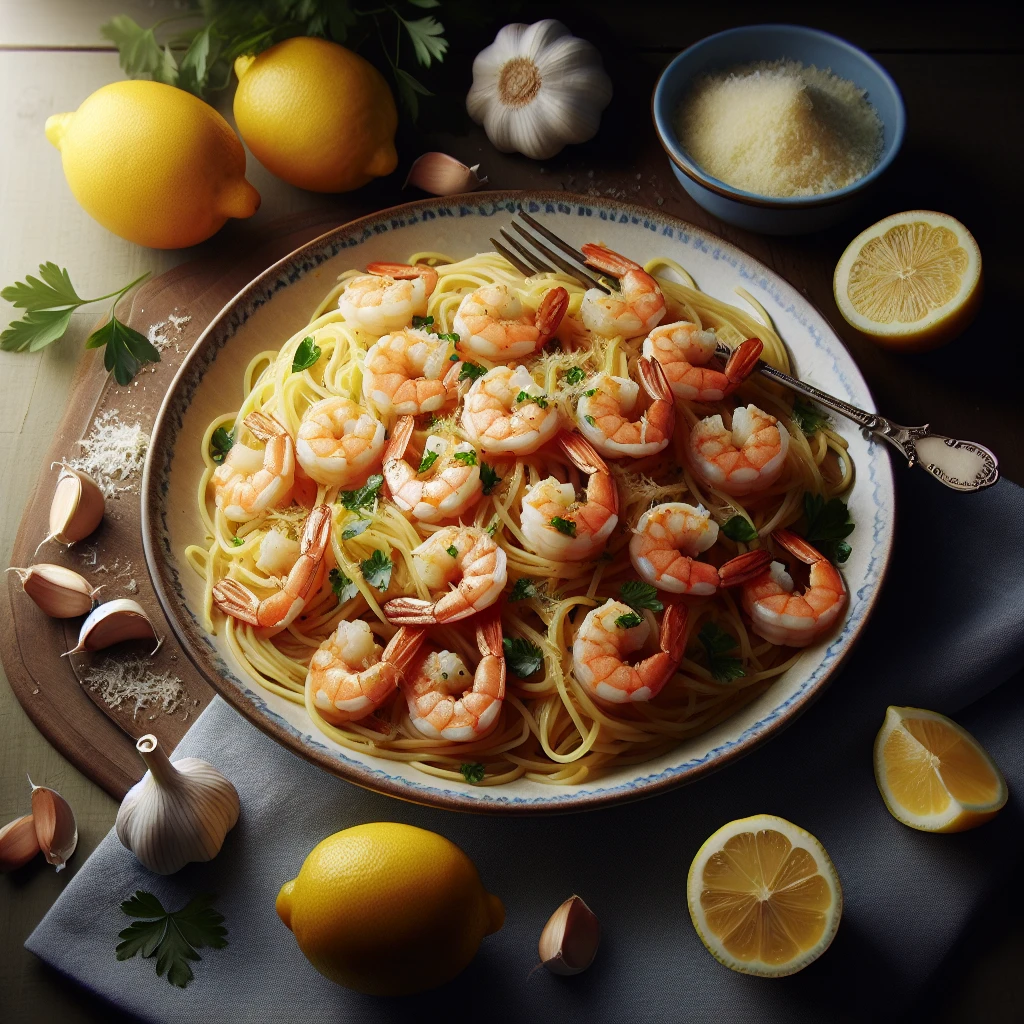
If you're searching for a dish that feels like a mini-vacation to the Mediterranean, look no further. This Lemon Garlic Shrimp Pasta combines simple, fresh ingredients for a meal that's both comforting and elegant. It's quick to make but packed with flavor, perfect for a weekday dinner or a last-minute gathering with friends.
 Share
Share
This post may contain affiliate links. As an Amazon Associate, we earn from qualifying purchases.
Ingredients for Lemon Garlic Shrimp Pasta
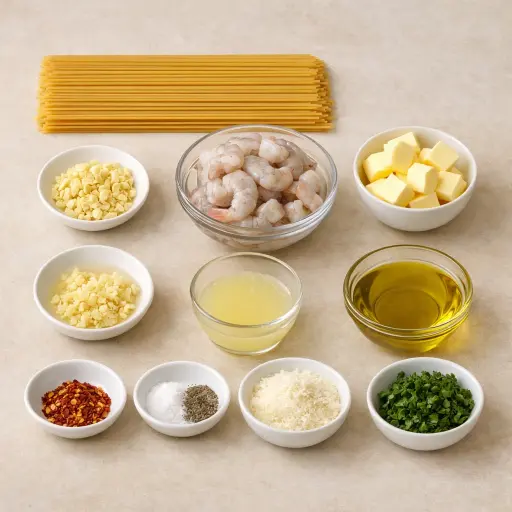
Spaghetti serves as the hearty base of the dish, readily soaking up all the delicious flavors. Shrimp, the star protein, cooks quickly and pairs beautifully with citrus. Garlic adds depth and aroma, while lemon juice brings a fresh zing to the meal. The combination of unsalted butter and olive oil creates a rich, silky sauce that coats the pasta perfectly. A touch of red pepper flakes gives a subtle heat, and salt and pepper balance the flavors. For finishing touches, Parmesan cheese adds a savory depth, and fresh parsley provides a burst of color and freshness.
Why This Lemon Garlic Shrimp Pasta Works
As the pasta boils, starch from the spaghetti moves into the water and lightly coats the noodles. When the hot pasta later goes into the pan, that thin starch layer grabs onto the butter, oil, and lemon juice so the sauce clings instead of sliding off.
In the skillet, butter and olive oil melt together and spread around the pan. Garlic and red pepper flakes warm up in the fat, so their taste moves into the oil. When the shrimp go in, they cook fast in this hot, flavored fat. They change from gray and soft to pink and firm, but stay juicy inside because they are only in the pan for a few minutes.
Once the lemon juice is added and the pasta is tossed in, the hot noodles soak up some of the lemony, garlicky fat. The sauce stays light but still coats every strand. Parmesan goes in at the end and slightly thickens the sauce as it melts, while parsley stays fresh and bright on top.
Lemon Garlic Shrimp Pasta Tips & Tricks
- Use fresh shrimp if possible; it makes a significant difference in flavor.
- To prevent overcooking, remove the shrimp from heat as soon as they turn pink.
- If the sauce seems dry, add a splash of pasta water to achieve the desired consistency.
Mistakes To Avoid
Letting the shrimp cook too long turns them from tender to tough and bouncy. They keep cooking even after the pan is off the heat, so leaving them in a hot skillet while hunting for plates or draining pasta makes them rubbery and dry on the edges.
Adding the garlic too early or over high heat makes it brown fast and then burn. Burnt garlic goes hard and bitter, and those tiny dark bits spread through the whole pan, so the pasta and shrimp pick up that harsh, burnt taste.
Pouring in the lemon juice too early, before the shrimp are cooked, can make the shrimp tighten up on the outside while the inside is still a bit soft and underdone. The acid starts to “cook” the surface, so the shrimp can end up uneven, with a firm outside and a slightly mushy center.
Letting the pasta sit drained for a long time before it goes into the pan makes it clump and dry out. Once it hits the skillet, the strands don’t separate well, so the sauce stays at the bottom and the pasta tastes oily in some spots and plain in others.
Equipment Used:
Ingredients
- 12 oz spaghetti
- 1 lb shrimp, peeled and deveined
- 4 cloves garlic, minced
- 1/4 cup fresh lemon juice
- 1/4 cup unsalted butter
- 1/4 cup olive oil
- 1/4 tsp red pepper flakes
- Salt and pepper to taste
- 1/4 cup grated Parmesan cheese
- 2 tbsp fresh parsley, chopped
Step-by-step Instructions
- 1. Cook the spaghetti according to package instructions until al dente, then drain and set aside.
- 2. In a large skillet over medium heat, heat the olive oil and butter until the butter is melted.
- 3. Add the garlic and red pepper flakes, sauté for 1 minute until fragrant.
- 4. Add the shrimp, season with salt and pepper, and cook until pink and opaque, about 3-4 minutes.
- 5. Stir in the lemon juice and add the cooked pasta to the skillet, tossing to coat the pasta in the sauce evenly.
- 6. Remove from heat and sprinkle with Parmesan cheese and parsley before serving.
Trending Now
Golden Fried Yellow Squash
Experience the delightful taste of golden fried yellow squash, a quintessential So...
View Recipe
Homemade Apple Pie
Classic homemade apple pie with a buttery crust and cinnamon-spiced filling, perfe...
View Recipe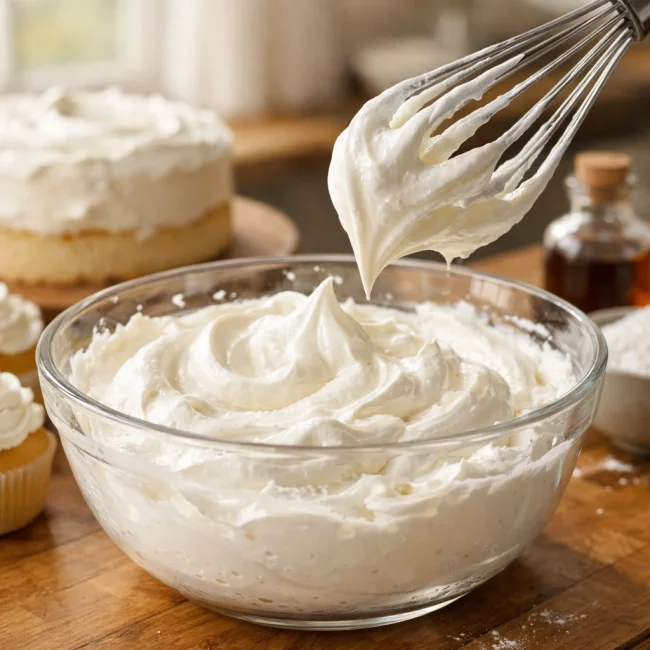
Traditional Whipped Cream Frosting
A rich and creamy whipped cream frosting perfect for topping cakes, cupcakes, and ...
View Recipe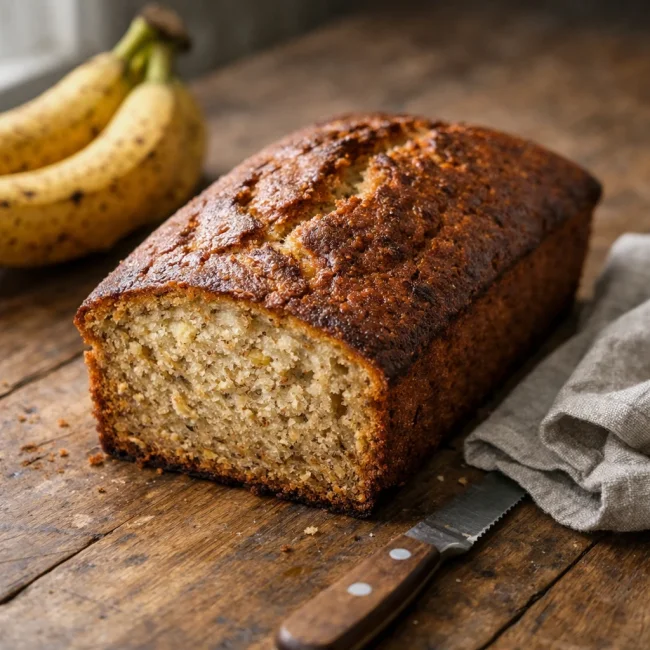
Moist Banana Loaf
Discover the timeless charm of our Moist Banana Loaf, a luscious and tender treat ...
View RecipeFrequently Asked Questions
- Can I use another type of pasta?
- Absolutely! Linguine or fettuccine would be great alternatives.
- What if I don't have fresh parsley?
- You can substitute with dried parsley, although fresh will provide the best flavor.
- Is there a way to make it spicier?
- Feel free to increase the amount of red pepper flakes or add a pinch of cayenne pepper.
Serving Ideas for Lemon Garlic Shrimp Pasta
This pasta pairs wonderfully with a light arugula salad dressed with olive oil and lemon juice. A crusty baguette also makes a great companion to soak up any leftover sauce. A chilled glass of white wine, such as Sauvignon Blanc, enhances the citrus notes of the dish.
More Pasta Recipes
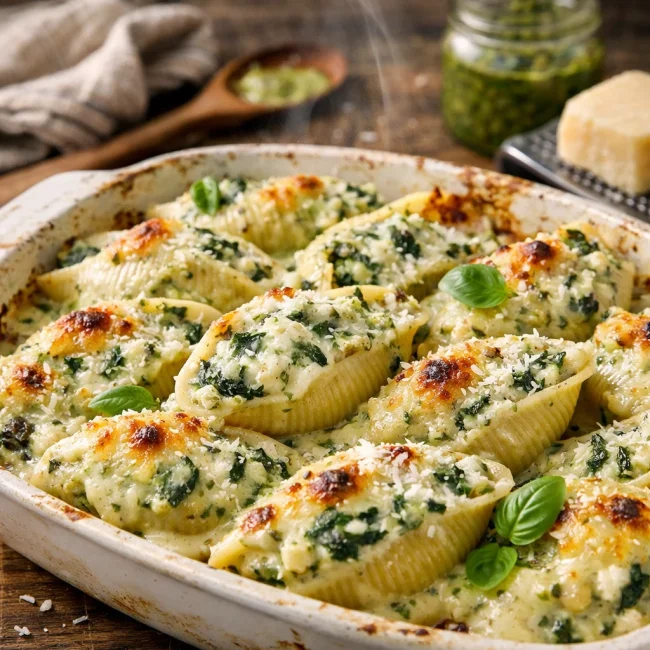
Spinach and Ricotta Stuffed Shells with Pesto Alfredo
Try this delicious twist on classic stuffed shells with a creamy pesto Alfredo sau...
View Recipe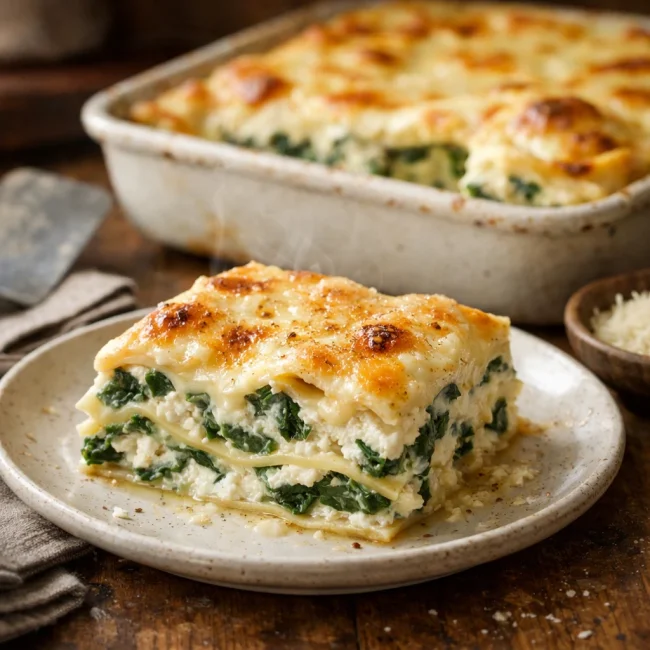
Spinach and Ricotta White Lasagna
A unique twist on the classic lasagna, this white lasagna combines creamy ricotta,...
View Recipe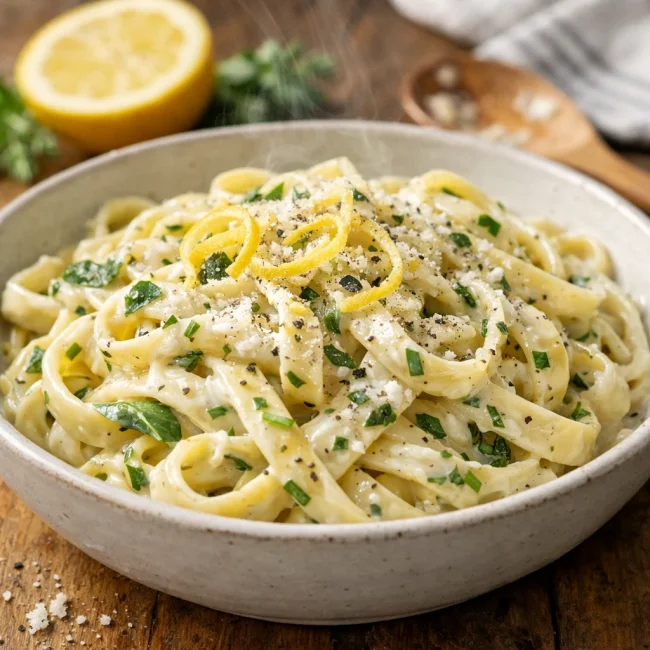
Lemon Herb Fettuccine Alfredo
Lemon Herb Fettuccine Alfredo is a refreshing twist on the classic dish, combining...
View Recipe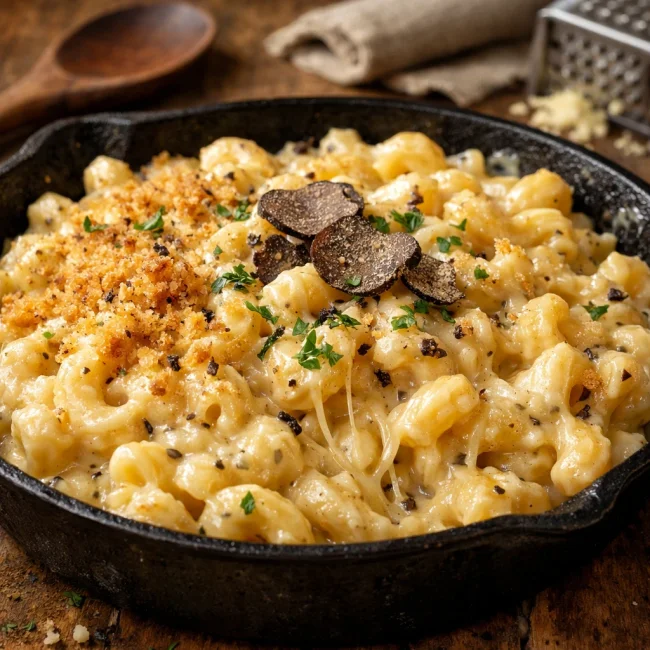
Truffle Mac and Cheese
Experience the ultimate comfort food with a gourmet twist in this Truffle Mac and ...
View Recipe