
Lemon Basil Strawberry Shortcake
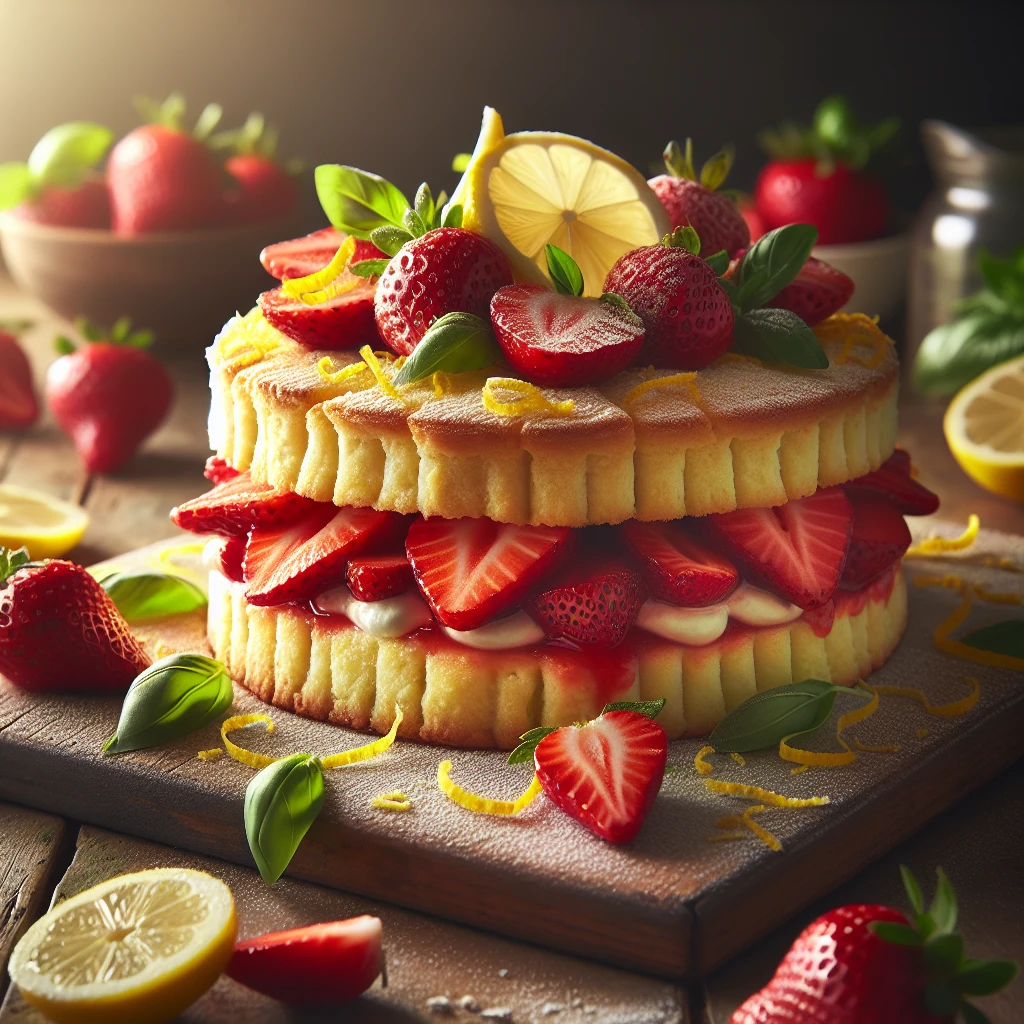
Welcome to the delightful world of Lemon Basil Strawberry Shortcake! This refreshing twist on a classic dessert combines the tangy zest of lemon with the aromatic hint of basil, making it a perfect treat for spring and summer gatherings.
 Share
Share
This post may contain affiliate links. As an Amazon Associate, we earn from qualifying purchases.
Ingredients for Lemon Basil Strawberry Shortcake
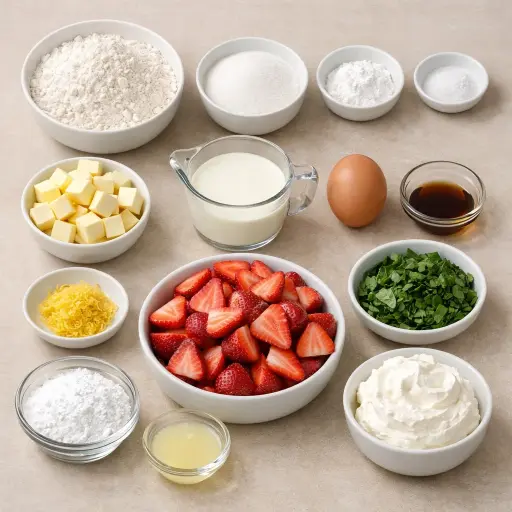
All-purpose flour forms the base of our shortcake, providing structure. Granulated sugar sweetens the dough subtly, while baking powder acts as the leavening agent, helping the shortcakes rise beautifully. A pinch of salt enhances the flavors.
Unsalted butter, chilled and cubed, adds richness and flakiness. Heavy cream keeps the dough tender. A large egg binds the ingredients together, and vanilla extract infuses warmth and depth.
Lemon zest is the star here, offering a zesty aroma and refreshing taste to the shortcakes. Fresh strawberries bring sweetness and juiciness, while fresh basil leaves introduce a unique herbal note.
Confectioners' sugar sweetens the strawberry mixture, and lemon juice enhances their natural flavor. Finally, whipped cream adds a light, creamy finish.
Why This Lemon Basil Strawberry Shortcake Works
In the oven, the shortcakes puff up and set as the butter melts into the flour. Cold butter stays in little bits at first, then melts and leaves tiny gaps, so the shortcakes bake up light instead of dense. Baking powder swells with the heat and gives them extra lift, while the egg and cream firm up and hold everything together. Sugar on the outside starts to brown, so the tops come out golden with a slight crust, but the inside stays soft and tender.
While the shortcakes bake and cool, the sliced strawberries sit with lemon juice, basil, and confectioners’ sugar. Over a few minutes, the sugar pulls juice out of the berries, so they soften and sit in a light syrup instead of staying dry. Lemon juice keeps the berries bright and loose, so the syrup soaks into the cut shortcakes instead of just sliding off. Whipped cream fills the gaps, so each bite has crisp edges, a soft middle, juicy fruit, and a cool, fluffy layer holding it all together.
Lemon Basil Strawberry Shortcake Tips & Tricks
- Chill your butter well for a flakier shortcake.
- Don't over-knead the dough; it should be just combined.
- Macerate the strawberries at least 10 minutes for the best flavor.
- Use a sharp cutter for clean edges on your shortcakes.
Mistakes To Avoid
Overbaking the shortcakes at this high temperature quickly dries them out. The outside turns hard and overly brown while the inside becomes crumbly instead of tender, so they split unevenly and don’t soak up the strawberry juices or hold the cream well.
Overworking the dough after the liquid goes in makes the shortcakes tough. Too much kneading or re-rolling melts the butter into the flour and builds up the gluten, so instead of rising into soft, flaky layers, the shortcakes bake up dense and bready.
Cutting the butter too small or letting it warm up in the dough bowl flattens the texture. When the butter is no longer in small cold pieces, it doesn’t create steam pockets in the oven, and the shortcakes come out low, tight, and a bit greasy instead of light.
Letting the strawberry-basil mixture sit for a long time turns it watery. The sugar and lemon pull a lot of liquid out of the berries, so the juices flood the plate, soak the shortcakes too fast, and make the bottom layer collapse and go mushy.
Equipment Used:
Oven, Pastry cutter, Mixing bowls, Whisk, Rolling pin, Round cutter, Baking sheet, Parchment paper
Ingredients
- 2 cups all-purpose flour
- 1/4 cup granulated sugar
- 1 tbsp baking powder
- 1/2 tsp salt
- 1/2 cup unsalted butter, chilled and cubed
- 3/4 cup heavy cream
- 1 large egg
- 1 tsp vanilla extract
- 1 tbsp lemon zest
- 2 cups fresh strawberries, hulled and sliced
- 1/4 cup fresh basil leaves, chopped
- 1/4 cup confectioners' sugar
- 2 tbsp lemon juice
- 1 cup heavy cream, whipped
Step-by-step Instructions
- 1. Preheat your oven to 425°F (220°C) and line a baking sheet with parchment paper.
- 2. In a large bowl, whisk together the flour, granulated sugar, baking powder, and salt.
- 3. Add the cubed butter to the dry ingredients and use a pastry cutter or your fingers to combine until the mixture resembles coarse crumbs.
- 4. In a separate bowl, whisk together the heavy cream, egg, vanilla extract, and lemon zest.
- 5. Pour the wet ingredients into the dry ingredients and mix until a dough forms.
- 6. Turn the dough out onto a floured surface and gently knead it a few times.
- 7. Roll the dough to a 1-inch thickness and use a round cutter to cut out shortcakes.
- 8. Place the shortcakes on the prepared baking sheet and bake for 12-15 minutes until golden brown.
- 9. While the shortcakes cool, combine strawberries, basil, confectioners' sugar, and lemon juice in a bowl and let them macerate for at least 10 minutes.
- 10. To serve, slice the shortcakes in half, layer with whipped cream, and top with the strawberry-basil mixture.
Trending Now
Old-Fashioned Bread Pudding
Discover the classic charm of Old-Fashioned Bread Pudding - a timeless dessert com...
View Recipe
Traditional Italian Bruschetta
Experience the authentic taste of Italian bruschetta, a perfect blend of fresh tom...
View Recipe
Classic Green Beans
Discover the timeless delight of Classic Green Beans, a simple yet flavorful side ...
View Recipe
Classic Banana Bread
Classic Banana Bread is a timeless dessert beloved for its moist texture and sweet...
View RecipeFrequently Asked Questions
- Can I use frozen strawberries?
- Fresh strawberries are recommended for the best flavor and texture, but you can use thawed frozen ones in a pinch.
- How do I store leftovers?
- Store the components separately and assemble just before serving. Shortcakes can be kept in an airtight container for up to 2 days.
- Can I make the shortcakes ahead of time?
- Yes, bake them and store in an airtight container. Freshly whip the cream and prepare the strawberry mixture before serving.
Serving Ideas for Lemon Basil Strawberry Shortcake
This dessert pairs wonderfully with a light, floral tea or a chilled glass of prosecco. If you're feeling indulgent, serve it alongside a scoop of vanilla ice cream for a truly decadent experience. It's a great way to end a summer barbecue or enjoy on a lazy Sunday afternoon.
More Desserts Recipes
Rustic Vanilla Peach Cobbler
This rustic vanilla peach cobbler combines a rich, buttery crust with the sweet, v...
View Recipe
Traditional Lemon Curd
A classic, tangy lemon curd that is perfect for enhancing desserts, breakfast dish...
View Recipe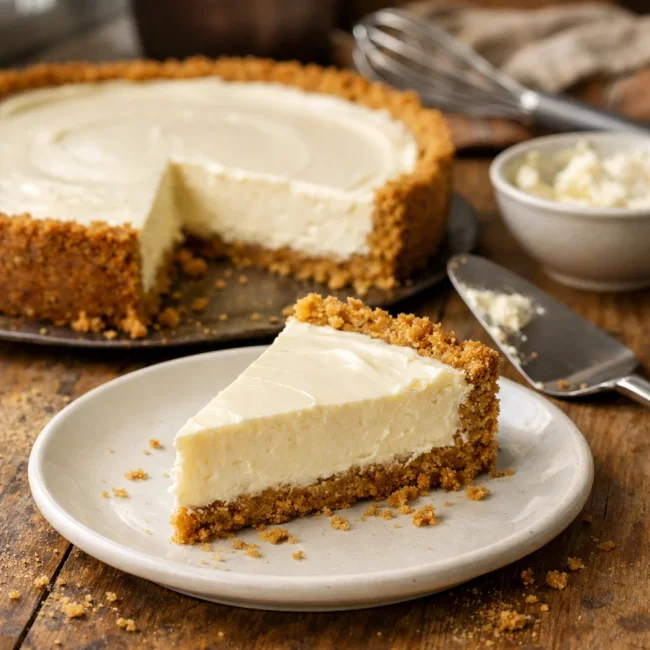
Traditional Cream Cheese Pie
A delightful and timeless dessert, Traditional Cream Cheese Pie offers a rich and ...
View Recipe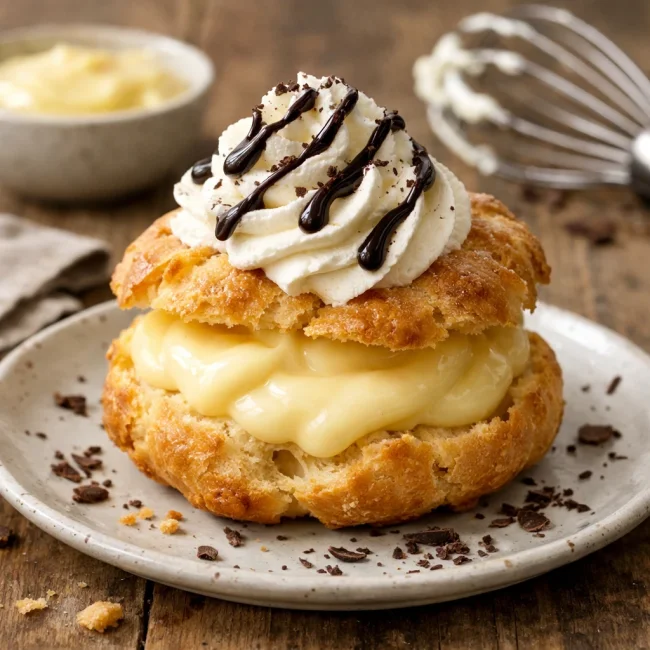
Timeless Cream Puff Delight
Indulge in a delectable Timeless Cream Puff Delight, a classic dessert featuring a...
View Recipe