
Lemon Basil Almond Pesto
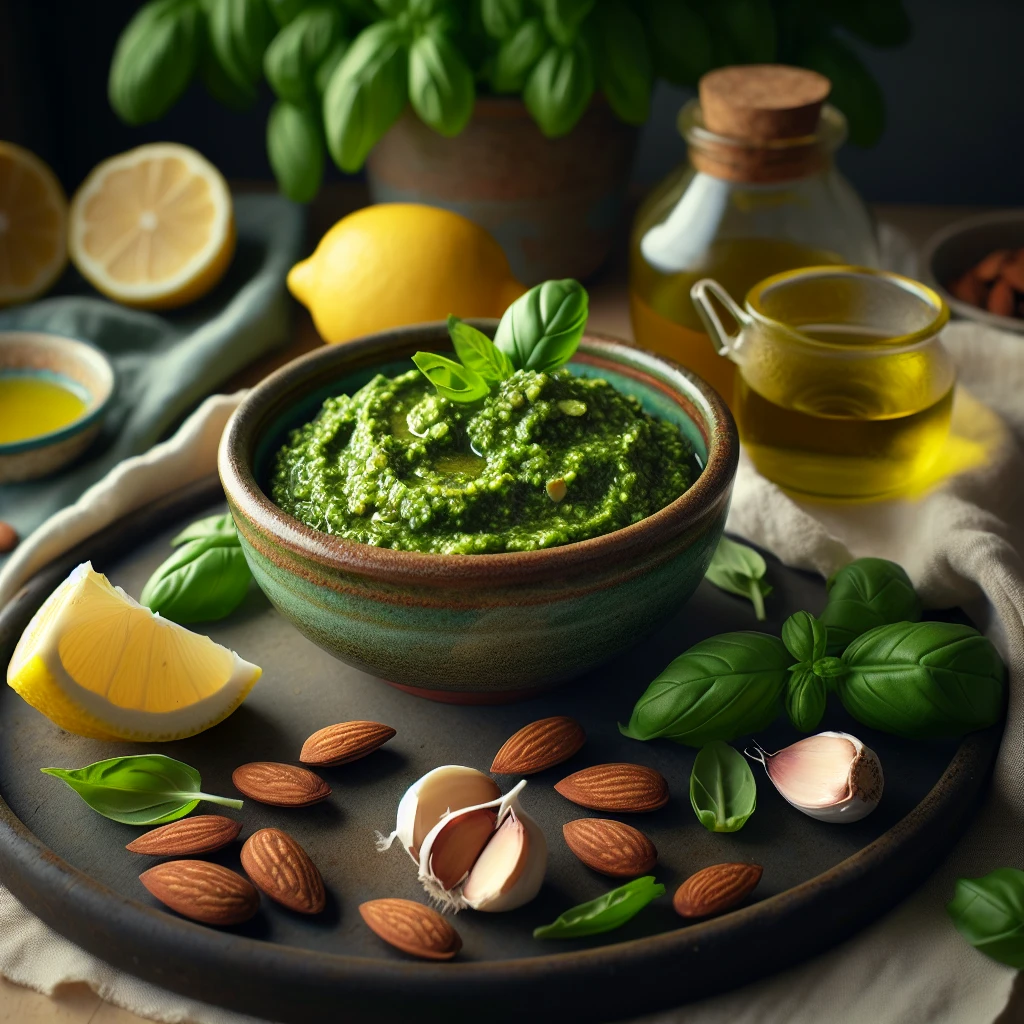
Lemon Basil Almond Pesto is a vibrant twist on a classic favorite, combining the zesty brightness of lemon with the nutty richness of almonds. Perfect for brightening up pasta, sandwiches, or even grilled meats, this pesto is a fresh and flavorful addition to any meal, especially during the warmer months when basil is at its peak.
 Share
Share
This post may contain affiliate links. As an Amazon Associate, we earn from qualifying purchases.
Ingredients for Lemon Basil Almond Pesto
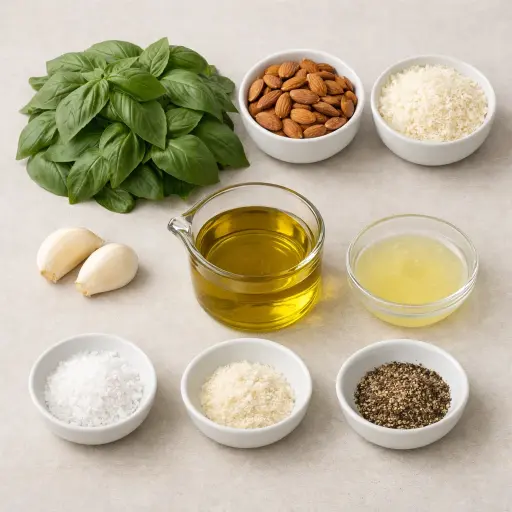
Basil Leaves: The star of the show, bringing a fragrant herbaceous note that's quintessential to any pesto.
Toasted Almonds: Adds a warm, nutty flavor and a bit of texture. Toasting them enhances their natural oils and brings out a richer taste.
Parmesan Cheese: Provides a savory, salty depth that balances the bright lemon and earthy basil.
Garlic: Adds a punch of flavor, making the pesto dynamic and robust.
Extra-Virgin Olive Oil: Acts as the base, giving the pesto a smooth, rich consistency.
Lemon Juice: Brightens and lifts the flavors, making the pesto feel fresh and lively.
Sea Salt and Freshly Ground Black Pepper: Essential for seasoning, enhancing all the other flavors without overpowering them.
Why This Lemon Basil Almond Pesto Works
Toasting the almonds in a dry pan changes them a lot. The nuts go from soft and a bit bland to crisp and nutty. As they warm up, they dry out a little on the outside and brown, so they grind up cleaner instead of turning pasty right away. That gives the pesto a thicker, slightly crunchy base instead of a greasy paste.
Once the warm almonds go into the food processor with the basil, cheese, and garlic, they break into tiny pieces that mix through everything. Those little nut bits catch the olive oil as it’s poured in, so the oil doesn’t just sit on top. The pesto becomes smooth but not runny, and it clings well to pasta or bread.
When the lemon juice goes in at the end, it loosens the pesto just a bit and brightens the taste. The acid also keeps the basil from darkening too fast, so the pesto stays a fresher green instead of turning dull.
Lemon Basil Almond Pesto Tips & Tricks
- If your pesto is too thick, add more olive oil or a splash of water to reach your desired consistency.
- For a more intense garlic flavor, use roasted garlic instead of raw.
- Store any leftovers in an airtight container with a thin layer of olive oil on top to prevent browning.
- Double the batch and freeze portions in ice cube trays for easy, single-use servings later.
Mistakes To Avoid
Toasting the almonds too hard in the skillet easily scorches their edges. Once they burn, the nuts turn bitter and that harsh taste spreads through the whole pesto, making it taste sharp and ashy instead of nutty.
Adding all the olive oil at once instead of slowly can cause the mixture to smear around the bowl without breaking down evenly. The basil and nuts stay in small chunks while the oil pools on top, so the pesto ends up greasy with uneven bits instead of a smooth, spreadable paste.
Running the food processor for too long after everything is combined can overwork the basil. The leaves bruise and darken, and the pesto turns a dull, muddy green with a slightly pasty texture instead of staying bright and loose.
Pouring in the lemon juice at the start with the basil can make the leaves break down too fast. The acid softens them while they’re still being chopped, so the pesto can turn watery and thin instead of thick enough to cling to pasta or toast.
Equipment Used:
Ingredients
- 2 cups fresh basil leaves
- 1/2 cup toasted almonds
- 1/2 cup grated Parmesan cheese
- 2 cloves garlic
- 1/2 cup extra-virgin olive oil
- Juice of 1 lemon
- 1/4 tsp sea salt
- 1/4 tsp freshly ground black pepper
Step-by-step Instructions
- 1. Toast the almonds in a dry skillet over medium heat for 5 minutes, stirring frequently.
- 2. In a food processor, combine basil leaves, toasted almonds, Parmesan cheese, and garlic, and pulse until finely chopped.
- 3. Gradually add the olive oil while the processor is running, until the mixture is smooth.
- 4. Add lemon juice, salt, and pepper, and blend for another 30 seconds to combine.
- 5. Taste and adjust seasoning if necessary.
Trending Now

Zesty Summer Squash Casserole
This delightful summer squash casserole combines vibrant garden-fresh vegetables w...
View Recipe
Classic Cucumber Salad
A refreshing and light cucumber salad featuring crisp cucumbers and a tangy vinaig...
View Recipe
Classic Banana Bread
Classic Banana Bread is a timeless dessert beloved for its moist texture and sweet...
View Recipe
Traditional Dump Cake
Discover the timeless delight of the Traditional Dump Cake, a simple and scrumptio...
View RecipeFrequently Asked Questions
- Can I use a different type of nut?
- Absolutely! Pine nuts, walnuts, or even cashews can be used for a different flavor profile.
- How long does this pesto keep?
- Stored properly in the fridge, it should last about a week. Just make sure to cover it with a bit of olive oil to keep it fresh.
- Is this recipe gluten-free?
- Yes, as long as you ensure your Parmesan cheese is gluten-free, the rest of the ingredients are naturally gluten-free.
Serving Ideas for Lemon Basil Almond Pesto
This pesto pairs beautifully with pasta—try it with linguine topped with cherry tomatoes for a simple weeknight meal. It's also fantastic as a spread on sandwiches or wraps, adding a burst of flavor. For a quick appetizer, serve it as a dip with crusty bread or fresh veggies. You can even spoon it over grilled chicken or fish for a fresh finish.
More Sauces & Dips Recipes
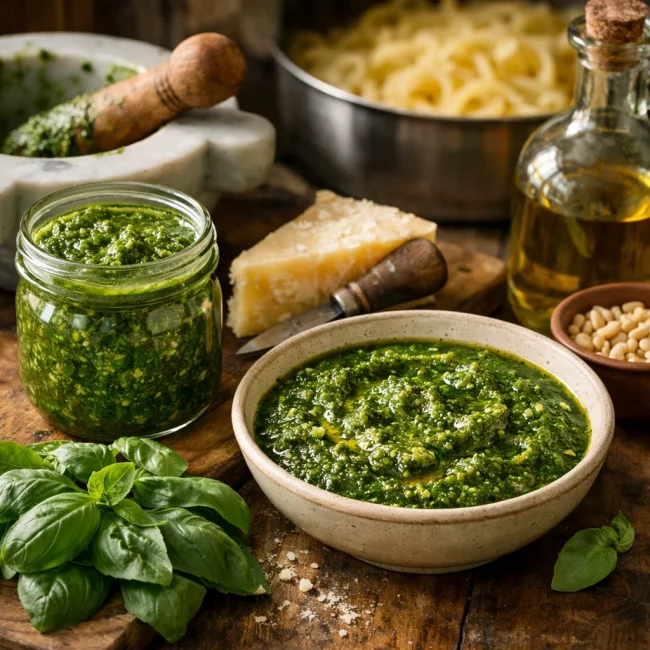
Traditional Basil Pesto
Discover the authentic flavors of Italy with our Traditional Basil Pesto recipe, p...
View Recipe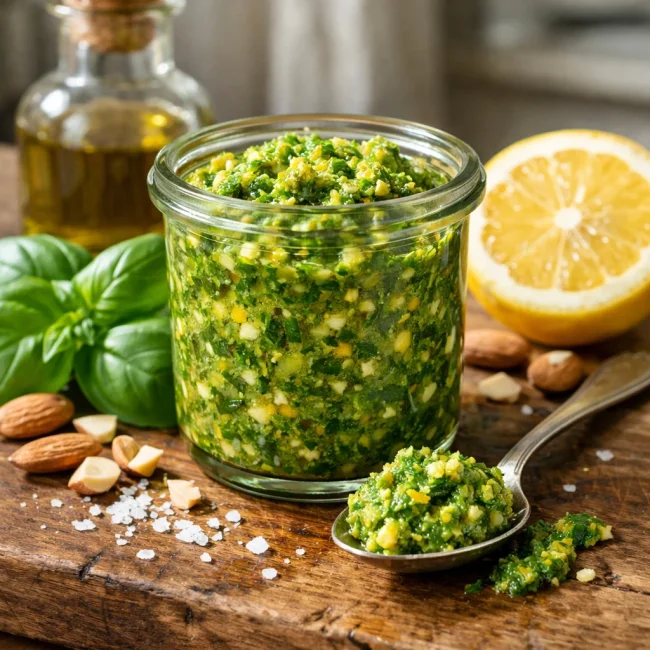
Lemon Basil Almond Pesto
A zesty twist on traditional pesto, this Lemon Basil Almond Pesto offers a fresh a...
View Recipe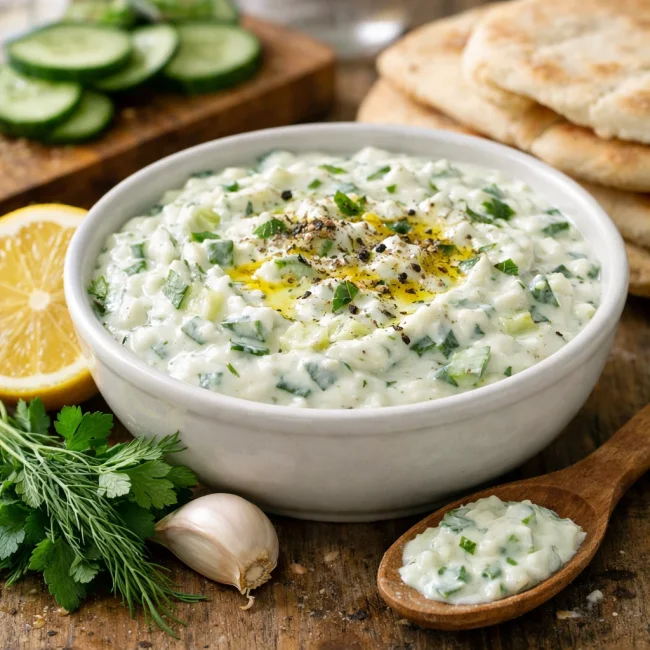
Herb-Infused Lemony Tzatziki Sauce
A refreshing Mediterranean-inspired twist on the traditional tzatziki sauce, featu...
View Recipe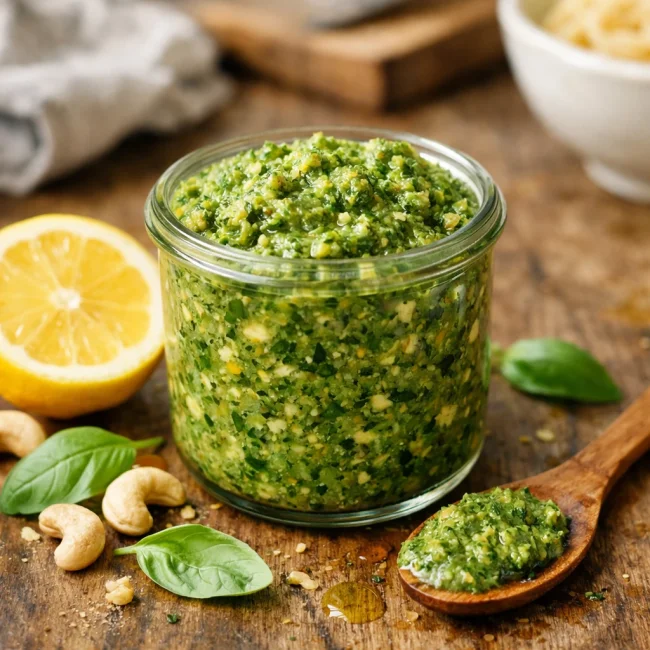
Lemon Basil Cashew Pesto
A vibrant twist on classic pesto, this Lemon Basil Cashew Pesto uses zesty lemon a...
View Recipe