
Lemon Balm Pesto Pasta
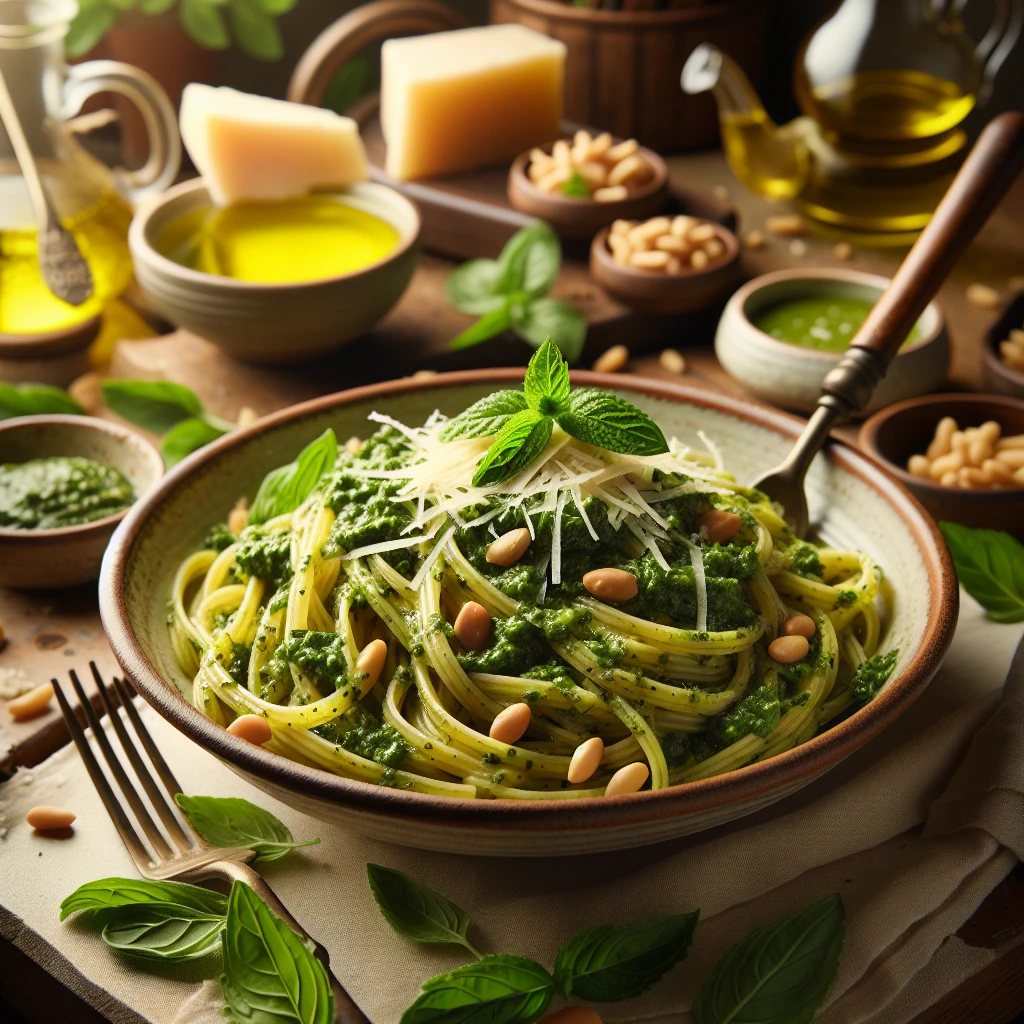
Lemon Balm Pesto Pasta is a delightful twist on the traditional pesto dish, boasting a citrusy zing that makes it perfect for a refreshing meal. This recipe is all about embracing the bright, herbal flavors of lemon balm, making it a wonderful choice for a summer lunch or dinner.
 Share
Share
This post may contain affiliate links. As an Amazon Associate, we earn from qualifying purchases.
Ingredients for Lemon Balm Pesto Pasta
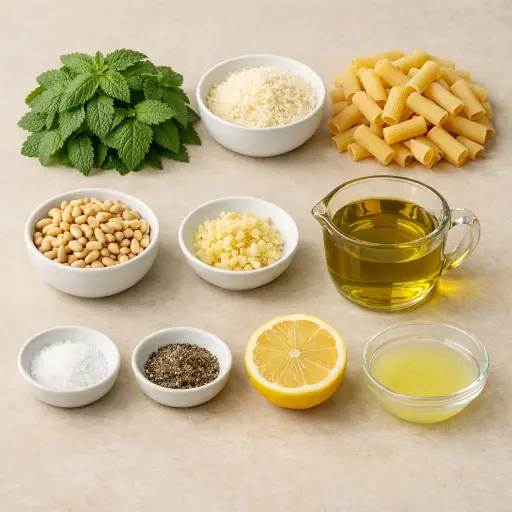
Lemon balm leaves are the star here, offering a gentle lemon aroma that’s less intense than lemon juice. They bring a fresh, herbal taste to the pesto. Parmesan cheese provides a salty, umami richness that balances the citrusy notes. Pine nuts add a creamy texture and nutty flavor, essential for an authentic pesto feel. Garlic gives the dish a savory depth, rounding out the flavors. Extra-virgin olive oil is the liquid gold that combines everything, providing a smooth texture and rich taste. Finally, a touch of salt and black pepper enhances all the other flavors, while the lemon juice at the end lifts the dish with extra brightness.
Why This Lemon Balm Pesto Pasta Works
In the food processor, the lemon balm, Parmesan, pine nuts, and garlic get chopped so small that they almost melt into each other. As the olive oil streams in, it slides between all those tiny bits and holds them together, so the pesto becomes smooth and loose instead of chunky and dry. The cheese and nuts give the pesto some body, so it clings instead of sliding off everything.
While the pasta boils, starch from the pasta moves into the water. A little of that starchy water goes in with the pesto and pasta, and that’s when things really change. The warm pasta softens the pesto, the cheese starts to loosen, and the starch in the water makes the oily pesto turn into more of a silky coating. Instead of oil pooling at the bottom of the bowl, it stays wrapped around each piece of pasta. The squeeze of lemon at the end wakes up the lemon balm and keeps the whole dish from feeling heavy.
Lemon Balm Pesto Pasta Tips & Tricks
- For a nuttier flavor, lightly toast the pine nuts before adding them to the pesto.
- If lemon balm is unavailable, try a mix of basil and mint as a substitute.
- Make extra pesto and freeze it in ice cube trays for quick future meals.
Mistakes To Avoid
Letting the lemon balm leaves sit wet after washing can water down the pesto. The extra moisture makes the mixture loose and sloshy instead of creamy, so it slides off the pasta and pools at the bottom of the bowl.
Running the food processor too long turns the pesto into a thick paste. The heat from the blades can make the herbs dull in color and the nuts pasty, so the sauce feels heavy and sticky instead of light and spoonable.
Adding all the olive oil at once instead of streaming it in slowly often leads to a greasy sauce. The ingredients don’t blend evenly, so some bites are oily while other parts stay dry and clumpy.
Skipping the reserved pasta water means the pesto doesn’t cling properly. Without that starchy liquid, the sauce stays separate from the noodles, leaving dry spots and a pile of pesto stuck at the bottom.
Squeezing in the lemon juice too early and then blending it a lot can make the pesto taste harsh and thin it out. The acid breaks down the herbs more, so the color turns dull and the texture gets runny.
Equipment Used:
Ingredients
- 2 cups fresh lemon balm leaves
- 1/2 cup grated Parmesan cheese
- 1/3 cup pine nuts
- 2 cloves garlic, minced
- 1/2 cup extra-virgin olive oil
- 1/4 teaspoon salt
- 1/4 teaspoon black pepper
- 1 pound pasta of choice
- Juice of 1 lemon
Step-by-step Instructions
- 1. In a food processor, combine lemon balm leaves, Parmesan cheese, pine nuts, and garlic.
- 2. Pulse until ingredients are finely chopped.
- 3. With the processor running, slowly stream in the olive oil until the pesto reaches your desired consistency.
- 4. Season with salt and pepper to taste.
- 5. Cook pasta according to package instructions; drain and reserve 1/2 cup of pasta water.
- 6. In a large bowl, toss cooked pasta with the lemon balm pesto, adding reserved pasta water as needed to coat the pasta evenly.
- 7. Finish with a squeeze of fresh lemon juice before serving.
Trending Now

Zesty Summer Squash Casserole
This delightful summer squash casserole combines vibrant garden-fresh vegetables w...
View Recipe
Classic Cucumber Salad
A refreshing and light cucumber salad featuring crisp cucumbers and a tangy vinaig...
View Recipe
Classic Banana Bread
Classic Banana Bread is a timeless dessert beloved for its moist texture and sweet...
View Recipe
Traditional Dump Cake
Discover the timeless delight of the Traditional Dump Cake, a simple and scrumptio...
View RecipeFrequently Asked Questions
- Can I use a different type of nut?
- Yes, walnuts or almonds can be used if pine nuts are unavailable or too costly.
- How do I store leftover pesto?
- Store it in an airtight container in the refrigerator for up to a week or freeze for up to three months.
- Is lemon balm necessary?
- While it’s the star, if you’re in a pinch, basil or a basil-mint mix can work as substitutes.
Serving Ideas for Lemon Balm Pesto Pasta
This pasta pairs beautifully with a simple side salad of arugula dressed with olive oil and a sprinkle of sea salt. For protein, grilled chicken or shrimp complement the citrusy flavors nicely. A chilled glass of white wine or a light, sparkling water with a lemon wedge rounds out the meal.
More Pasta Recipes

Spinach and Ricotta Stuffed Shells with Pesto Alfredo
Try this delicious twist on classic stuffed shells with a creamy pesto Alfredo sau...
View Recipe
Spinach and Ricotta White Lasagna
A unique twist on the classic lasagna, this white lasagna combines creamy ricotta,...
View Recipe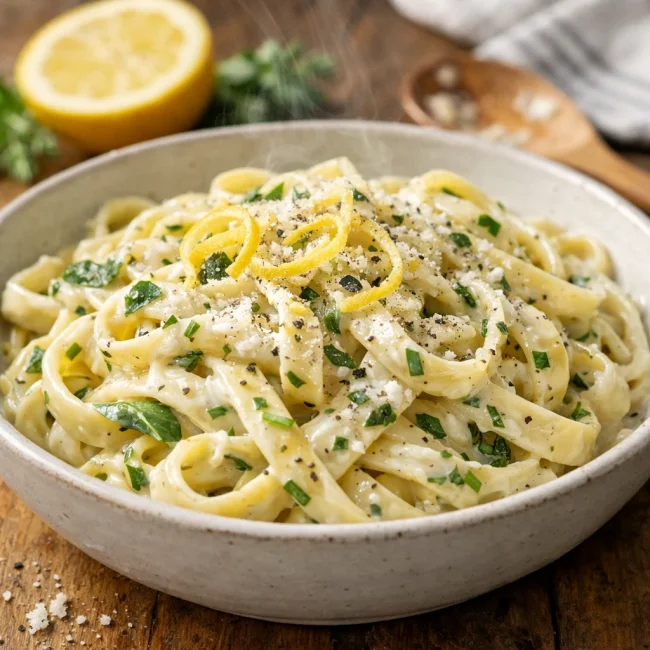
Lemon Herb Fettuccine Alfredo
Lemon Herb Fettuccine Alfredo is a refreshing twist on the classic dish, combining...
View Recipe
Truffle Mac and Cheese
Experience the ultimate comfort food with a gourmet twist in this Truffle Mac and ...
View Recipe