
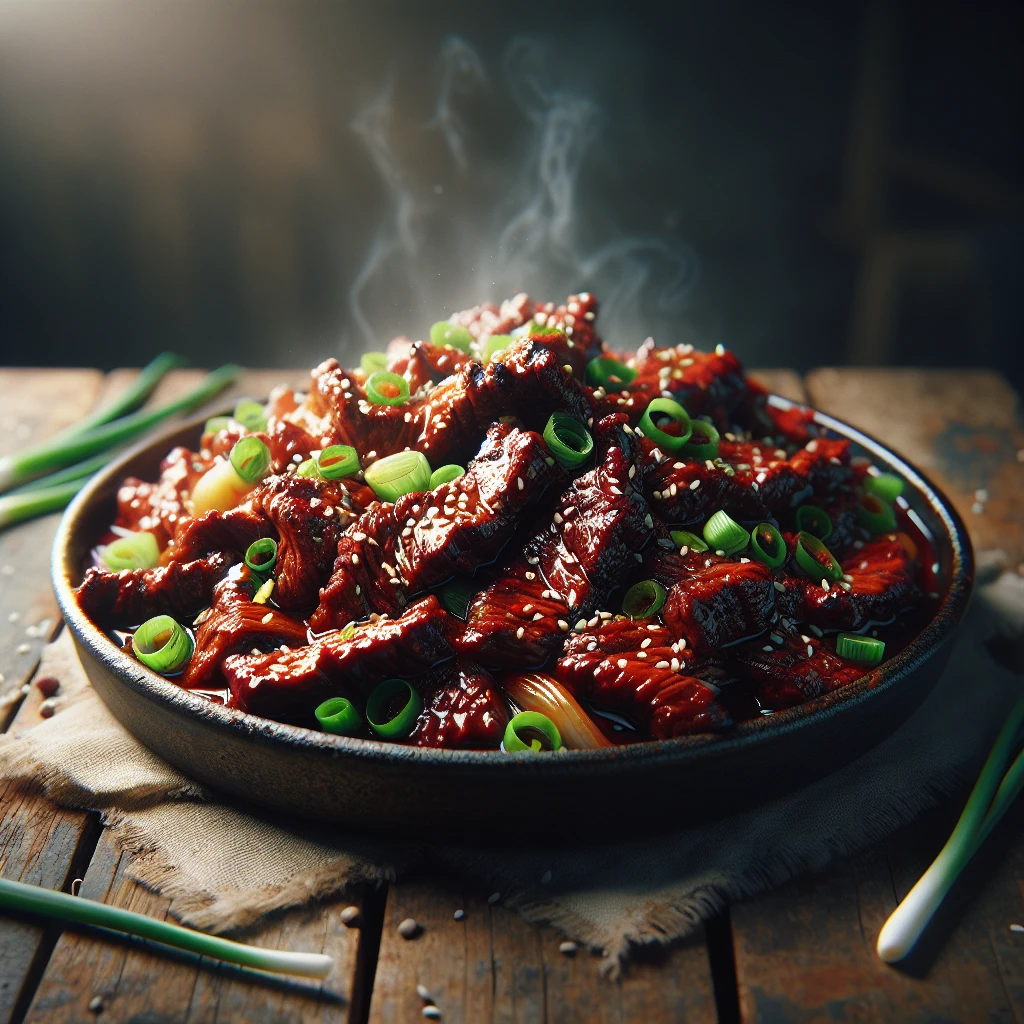
Korean Spicy Beef Bulgogi
If you're craving a dish that combines the perfect balance of savory, spicy, and sweet flavors, look no further than Korean Spicy Beef Bulgogi. This dish brings the rich, bold taste of Korea right to your table, making it an irresistible choice for any dinner night.
 Share
Share
This post may contain affiliate links. As an Amazon Associate, we earn from qualifying purchases.
Ingredients for Korean Spicy Beef Bulgogi
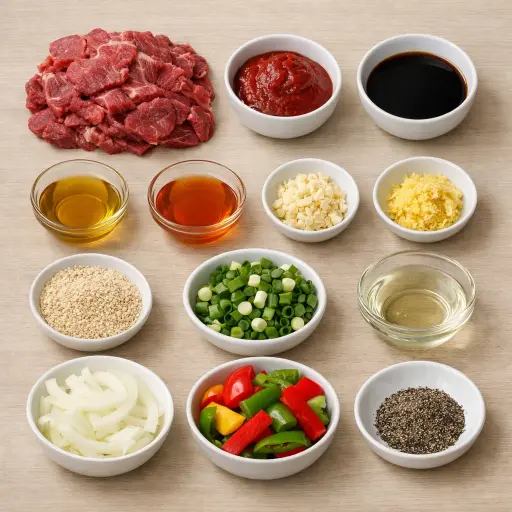
Beef sirloin is the main protein here, offering a tender texture that's perfect for quick cooking. The gochujang brings the heat and depth, giving the dish its characteristic spicy kick. Soy sauce adds umami, while sesame oil imparts a nutty aroma. Honey balances the spice with a touch of sweetness. Garlic and ginger provide a fragrant base, enhancing the overall flavor. Sesame seeds add a pleasant crunch, and green onions offer a fresh finish. The onion and bell pepper add texture and a hint of sweetness, complementing the beef.
Why This Korean Spicy Beef Bulgogi Works
During marinating, the thin beef slices soak up the gochujang, soy sauce, sesame oil, garlic, and ginger. Salt from the soy sauce starts to loosen the meat fibers, so the beef cooks up tender instead of chewy. The gochujang and honey cling to the surface, forming a sticky coating that later browns in the pan.
Once the beef hits the hot oil, that coating starts to sizzle. The honey and chili paste darken and form little browned spots on the meat, so the outside tastes a bit smoky and sweet while the inside stays moist. Because the slices are so thin and spread in one layer, they cook fast and don’t dry out.
While everything cooks, the onion and bell pepper soften and give off some juice. That moisture mixes with the marinade stuck to the beef, so the pan isn’t dry, but it also isn’t watery. Near the end, sesame seeds toast in the hot pan and the green onions wilt slightly, so they stay a bit crisp and nutty on top of the soft, spicy beef.
Korean Spicy Beef Bulgogi Tips & Tricks
- For even slicing, freeze the beef for about 30 minutes before cutting.
- Don't overcrowd the pan; if necessary, cook the beef in batches to ensure even cooking.
- If you prefer less spice, reduce the amount of gochujang in the marinade.
Mistakes To Avoid
Letting the beef go into the pan straight from the fridge can cause uneven cooking. The thin slices stay cold in the center while the outside hits hot oil, so the edges dry out and turn tough before the middle really cooks through.
Cutting the beef too thick means it never really gets that quick, slightly caramelized finish. The outside browns while the inside stays chewy and a bit rubbery, and the pieces feel heavy instead of tender.
Crowding the pan with all the beef and vegetables at once often leads to steaming instead of searing. Liquid from the marinade and veggies pools in the pan, so the meat turns pale and soft instead of getting those browned, slightly sticky edges.
Cooking the vegetables until fully soft before adding the beef can throw off the texture. By the time the meat is done, the onions and peppers collapse and go mushy, losing that slight bite that balances the tender beef.
Equipment Used:
Ingredients
- 1 lb beef sirloin, thinly sliced
- 3 tbsp gochujang (Korean chili paste)
- 2 tbsp soy sauce
- 2 tbsp sesame oil
- 1 tbsp honey
- 2 cloves garlic, minced
- 1 tsp ginger, grated
- 1 tbsp sesame seeds
- 3 green onions, chopped
- 2 tbsp cooking oil
- 1 onion, sliced
- 1 bell pepper, sliced
- 1 tsp black pepper
Step-by-step Instructions
- 1. In a large bowl, combine gochujang, soy sauce, sesame oil, honey, garlic, ginger, and black pepper. Mix well.
- 2. Add the beef slices to the marinade, ensuring each piece is thoroughly coated. Cover and refrigerate for at least 30 minutes, or overnight for best results.
- 3. Heat cooking oil in a large pan over medium-high heat.
- 4. Add sliced onion and bell pepper to the pan, sautéing until they begin to soften, about 3 minutes.
- 5. Add marinated beef to the pan, spreading it out into an even layer.
- 6. Cook the beef for about 5-7 minutes, or until cooked through and slightly caramelized.
- 7. Stir in sesame seeds and green onions, cooking for an additional minute.
- 8. Serve hot with steamed rice or lettuce wraps.
Trending Now
Oven-Baked Pork Chops
Enjoy a delightful dinner with these tender and juicy oven-baked pork chops, seaso...
View Recipe
Traditional Corn Casserole
A delightful corn casserole dish that embodies the comforting flavors of sweet cor...
View Recipe
Traditional Cucumber and Tomato Salad
A refreshing and simple salad combining crisp cucumbers and juicy tomatoes, season...
View Recipe
Savory Zucchini Bread
Savory Zucchini Bread is a delectable twist on traditional zucchini recipes, combi...
View RecipeFrequently Asked Questions
- Can I use a different cut of beef?
- Yes, flank steak or ribeye also work well. Just ensure they are thinly sliced against the grain.
- Is there a substitute for gochujang?
- While gochujang is key, you can mix red pepper flakes with a bit of soy sauce and sugar as a makeshift substitute.
- How long can I store leftovers?
- Store in an airtight container for up to 3 days in the refrigerator. Reheat thoroughly before serving.
Serving Ideas for Korean Spicy Beef Bulgogi
This dish is a natural pair with steamed white or brown rice, which helps to balance the spicy and savory flavors. For a lighter option, serve it in lettuce wraps with a few shreds of carrots and cucumber for added crunch. You might also consider pairing it with a side of kimchi for an authentic Korean experience.
More Main Dishes Recipes
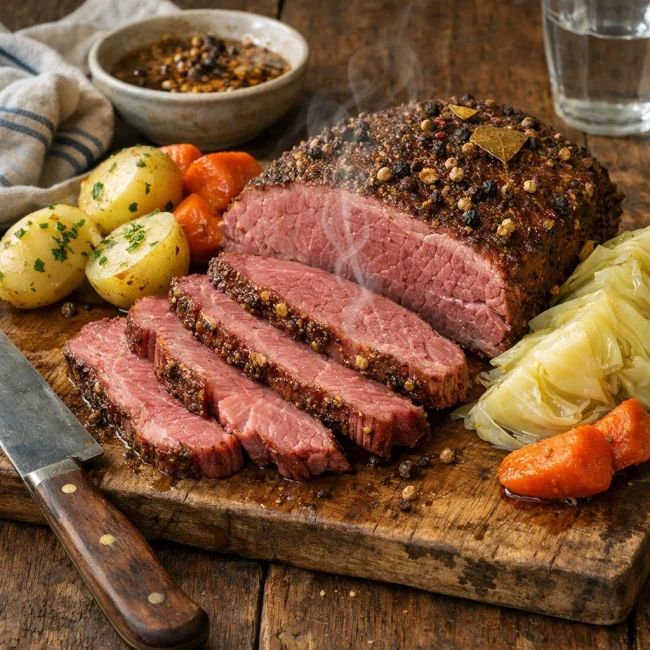
Unique Homemade Corned Beef
Discover the ultimate homemade corned beef recipe that balances rich flavors and t...
View Recipe
Spicy Lime Seared Ahi Tuna
Experience a burst of flavor with our Spicy Lime Seared Ahi Tuna, a perfect fusion...
View Recipe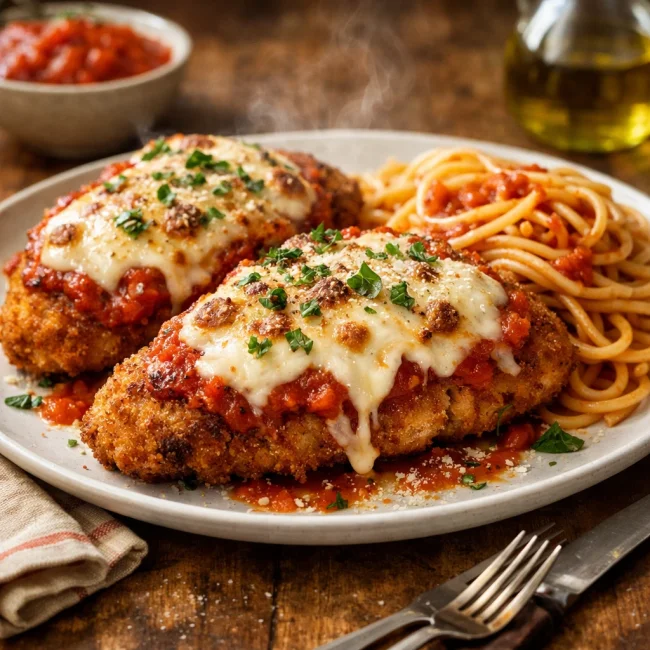
Traditional Chicken Parmesan
Savor the authentic taste of Italian cuisine with our Traditional Chicken Parmesan...
View Recipe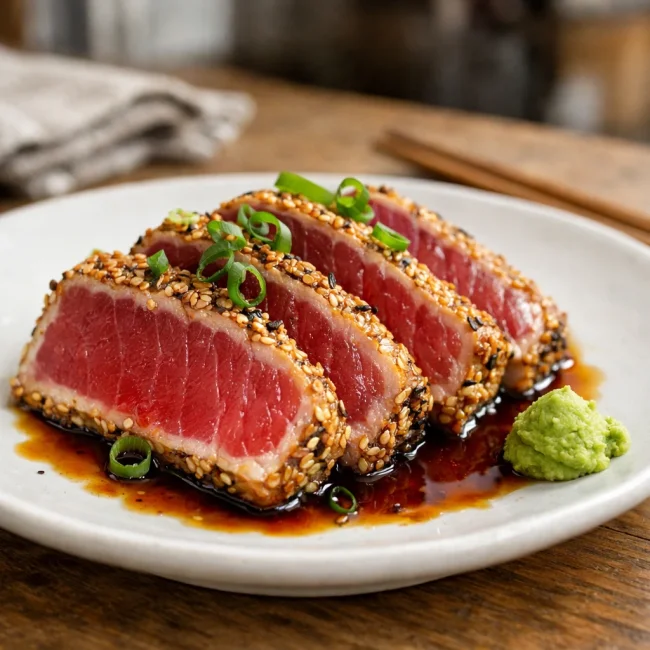
Seared Ahi Tuna
Experience the sublime taste of seared Ahi tuna, a Japanese-inspired dish that hig...
View Recipe