
Kolhapuri Chicken
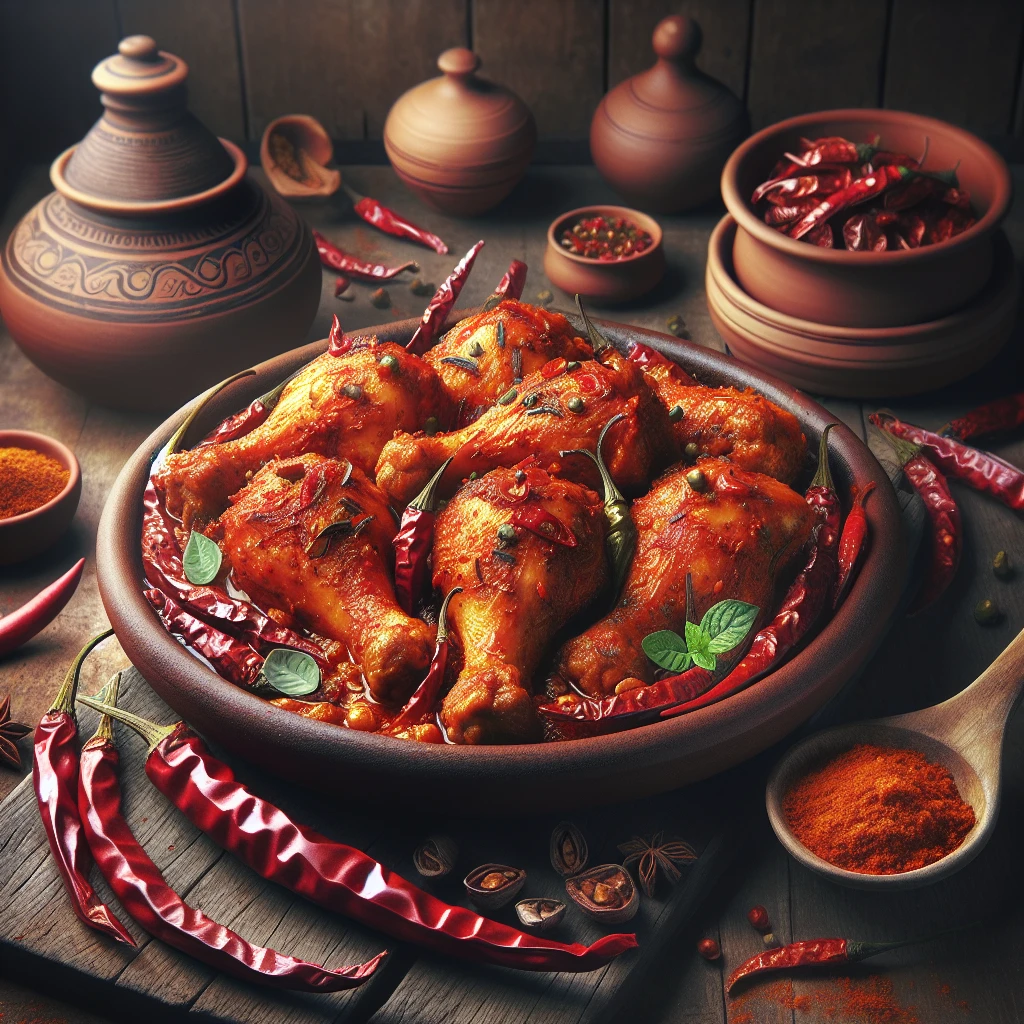
Kolhapuri Chicken is a fiery, flavorful dish hailing from the Kolhapur region in Maharashtra, India. Known for its rich spices and bold taste, it's a must-try for anyone who loves a bit of heat in their meals. Perfect for a cozy dinner or a special occasion, this recipe brings a touch of authenticity and spice to your kitchen.
 Share
Share
This post may contain affiliate links. As an Amazon Associate, we earn from qualifying purchases.
Ingredients for Kolhapuri Chicken
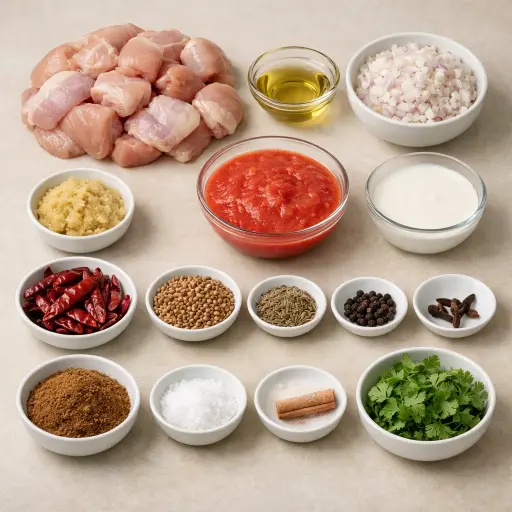
Chicken: The star of the dish, providing a hearty base that absorbs the spices beautifully.
Oil: Used for sautéing, it helps in releasing the aromas of the spices.
Onions: Adds sweetness and depth to the curry, balancing the heat.
Ginger-garlic paste: Offers a pungent, flavorful base note that enhances the dish.
Tomatoes: Pureed to create a smooth sauce, adding acidity and thickness.
Coconut milk: Contributes a creamy texture and a hint of sweetness that offsets the spices.
Dry red chilies, coriander seeds, cumin seeds, black peppercorns, cloves, cinnamon stick: These spices are dry roasted and ground to form the base of the Kolhapuri masala, each adding unique flavors.
Garam masala: A blend that enhances the overall spice profile.
Salt: Essential for seasoning and bringing out all the flavors.
Fresh coriander leaves: Used as a garnish, offering a fresh, herbaceous finish.
Why This Kolhapuri Chicken Works
During the first step, the dry roasting wakes up the whole spice mix. The chilies, coriander, cumin, pepper, cloves, and cinnamon dry out a bit more and their oils move to the surface. Once ground, that powder spreads very evenly through the dish instead of sitting in chunks, so every piece of chicken gets coated.
As the onions cook slowly in oil, they soften and brown. They lose their sharp bite and start to taste a little sweet, which balances the strong chilies. When the ginger-garlic and tomato puree go in, the wet tomato cooks down, thickens, and the oil starts to separate. At this point the pan holds a thick, clingy base that grabs onto the spice powder instead of letting it float around.
After the chicken goes in, it is surrounded by this thick spice-onion-tomato paste. While it simmers in coconut milk, the chicken slowly gives out its juices, which mix with the coconut fat and ground spices. The coconut milk keeps the chicken moist and soft while the sauce gently thickens, so by the end the meat is tender and the gravy is full-bodied without being watery.
Kolhapuri Chicken Tips & Tricks
- For an extra kick, you can add a few more dry red chilies.
- Dry roasting the spices properly is crucial for developing their full flavor.
- Adjust the thickness of the gravy by adding more or less coconut milk as per your preference.
Mistakes To Avoid
Letting the whole spices roast too long easily burns the chilies and seeds. Once that happens, the ground masala turns dark and bitter, and the curry ends up harsh and unpleasant instead of hot and bright.
When the onions are left pale and not cooked to a real golden color, they stay watery and sharp. The masala then never thickens properly, and the gravy turns out thin and slightly raw-tasting, with the chicken kind of stewing in liquid instead of a rich base.
Adding the roasted spice powder before the tomatoes cook down can cause sticking and scorching at the bottom of the pot. The spices then taste burnt in spots, and the sauce gets a gritty feel instead of a smooth, even gravy.
Pouring in the coconut milk on high heat or boiling it hard makes the fat split from the liquid. The curry then looks curdled and oily on top, and the sauce loses its creamy body and becomes patchy.
Stopping the chicken too early leaves the pieces firm and slightly rubbery near the bone. The gravy also stays thinner, because the chicken juices have not had time to mix into the sauce.
Equipment Used:
Ingredients
- 2 lbs chicken, cut into pieces
- 2 tbsp oil
- 1 cup onions, finely chopped
- 1 tbsp ginger-garlic paste
- 2 tomatoes, pureed
- 1/2 cup coconut milk
- 10 dry red chilies
- 1 tbsp coriander seeds
- 1 tsp cumin seeds
- 1/2 tsp black peppercorns
- 4 cloves
- 1-inch cinnamon stick
- 2 tbsp garam masala
- Salt to taste
- Fresh coriander leaves for garnish
Step-by-step Instructions
- 1. Heat a pan over medium heat and dry roast the dry red chilies, coriander seeds, cumin seeds, black peppercorns, cloves, and cinnamon stick until fragrant. Allow to cool and grind to a fine powder.
- 2. In a large pot, heat oil over medium heat and add the chopped onions. Sauté until golden brown.
- 3. Add the ginger-garlic paste to the onions and stir for a minute until the raw aroma dissipates.
- 4. Add the pureed tomatoes and cook until the oil separates from the mixture.
- 5. Stir in the roasted spice powder and cook for another minute.
- 6. Add the chicken pieces and coat them well with the spice mixture. Cook for 5 minutes, stirring occasionally.
- 7. Pour in the coconut milk and bring the mixture to a gentle simmer. Cover and cook until the chicken is tender and fully cooked through, about 20 minutes.
- 8. Season with salt to taste, garnish with fresh coriander leaves, and serve hot.
Trending Now
Oven-Baked Pork Chops
Enjoy a delightful dinner with these tender and juicy oven-baked pork chops, seaso...
View Recipe
Traditional Corn Casserole
A delightful corn casserole dish that embodies the comforting flavors of sweet cor...
View Recipe
Traditional Cucumber and Tomato Salad
A refreshing and simple salad combining crisp cucumbers and juicy tomatoes, season...
View Recipe
Savory Zucchini Bread
Savory Zucchini Bread is a delectable twist on traditional zucchini recipes, combi...
View RecipeFrequently Asked Questions
- Can I use boneless chicken for this recipe?
- Yes, boneless chicken can be used, but bone-in chicken tends to add more flavor to the curry.
- Is this dish very spicy?
- The dish is quite spicy, but you can adjust the spice level by reducing the number of dry red chilies.
- Can I make this dish in advance?
- Absolutely! The flavors deepen over time, making it even more delicious the next day.
Serving Ideas for Kolhapuri Chicken
This Kolhapuri Chicken pairs wonderfully with steamed basmati rice or fluffy naan bread. For a complete meal, serve it alongside a simple cucumber raita to cool down the heat. A side of pickled onions can also add a nice tangy contrast to the dish.
More Main Dishes Recipes
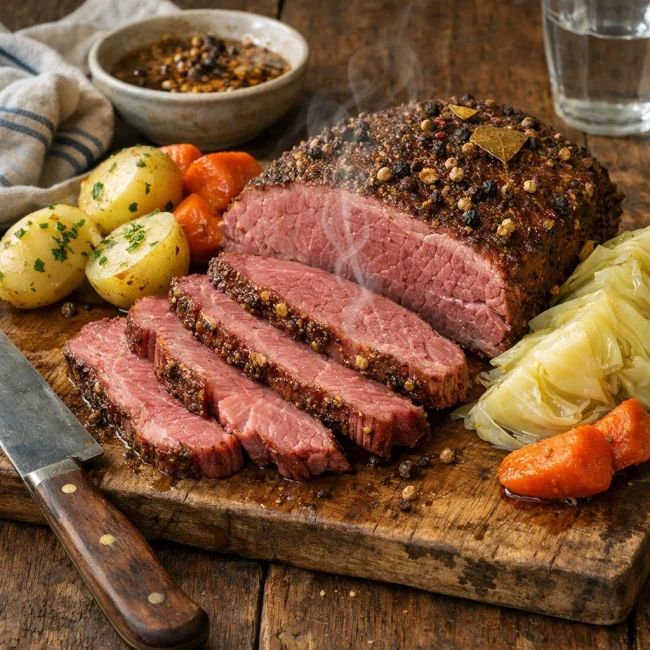
Unique Homemade Corned Beef
Discover the ultimate homemade corned beef recipe that balances rich flavors and t...
View Recipe
Spicy Lime Seared Ahi Tuna
Experience a burst of flavor with our Spicy Lime Seared Ahi Tuna, a perfect fusion...
View Recipe
Traditional Chicken Parmesan
Savor the authentic taste of Italian cuisine with our Traditional Chicken Parmesan...
View Recipe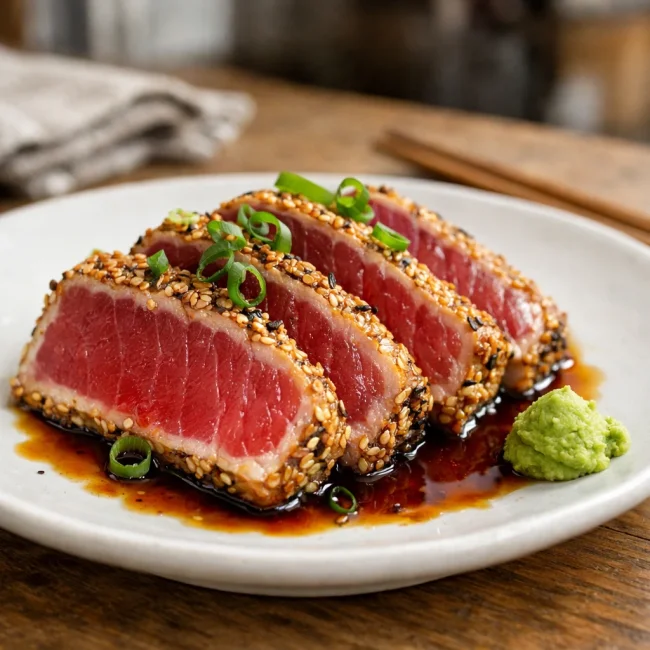
Seared Ahi Tuna
Experience the sublime taste of seared Ahi tuna, a Japanese-inspired dish that hig...
View Recipe