
Kimchi Stew (South Korea)
Kimchi Stew, or Kimchi Jjigae, is a hearty and spicy delight straight from the heart of Korean cuisine. This comforting dish is perfect for warming up on a chilly evening, offering the bold flavors of aged kimchi and tender pork belly in a rich, savory broth.
 Share
Share
.webp)
This post may contain affiliate links. As an Amazon Associate, we earn from qualifying purchases.
Ingredients for Kimchi Stew (South Korea)
-ingredients.webp)
Vegetable oil is used to sauté the pork belly, providing a neutral base flavor. Pork belly adds richness and depth, becoming tender as it simmers. Aged kimchi is the star, offering a funky, spicy kick that makes this stew distinct. The kimchi juice enhances the flavor, infusing every bite with fermented goodness. Water forms the base of the broth, which gochujang and gochugaru spice up with their vibrant heat. Soy sauce adds a salty umami flavor, while sugar balances out the acidity. Firm tofu provides a soft texture contrast, soaking up the stew's flavors. Green onions bring freshness, and a drizzle of sesame oil at the end ties everything together with its nutty aroma. Finally, season with salt and pepper to taste as needed.
Why This Kimchi Stew (South Korea) Works
As the pork belly browns in the pot, the fat starts to melt out and coat everything. That melted fat gives the kimchi something to cook in, so the cabbage softens instead of drying out or burning. After a few minutes, the kimchi is less sharp and crunchy and starts to taste deeper and a bit mellow, but still strong enough to stand up to the pork.
Once the water, kimchi juice, gochujang, gochugaru, soy sauce, and sugar go in, the pot is basically a spicy broth. While it simmers, the pork slowly softens and the fat spreads through the liquid, so the stew feels richer without needing any cream. During this time, the kimchi keeps breaking down, and some of the cabbage pieces almost melt into the broth, which makes it thicker and more full.
When the tofu is added later, it has time to warm through and soak up the spicy broth without falling apart. By the end, the green onions stay a little fresh on top, and the sesame oil sits on the surface in tiny drops, giving the stew a smooth finish.
Kimchi Stew (South Korea) Tips & Tricks
- Use well-fermented kimchi for a deeper flavor; the older, the better.
- If you like it extra spicy, add more gochugaru or a dash of hot sauce.
- For a vegetarian version, skip the pork and use vegetable broth.
- Let the stew sit for a few hours, or even overnight, to enhance the flavors.
Mistakes To Avoid
Starting with fresh, mild kimchi instead of aged kimchi makes the stew taste flat and watery; the cabbage stays firm and the broth doesn’t pick up that deep sourness, so the whole pot ends up tasting like spicy soup with plain pork and tofu floating in it.
Letting the pork belly only “gray” instead of browning it properly leaves a lot of fat uncooked and rubbery; the meat stays chewy, a greasy layer sits on top of the broth, and the stew feels heavy instead of rich.
Adding tofu at the very beginning and boiling it hard for the full time causes the cubes to break apart and go spongy; the pieces crumble into the broth, the surface gets rough, and the stew turns cloudy and grainy instead of having neat, soft chunks.
Boiling the stew the whole time instead of lowering to a simmer makes the liquid reduce too fast and the chili paste catch on the bottom; the broth turns thick and pasty, the bottom layer can scorch, and the spice starts to taste harsh and bitter.
Equipment Used:
Ingredients
- 1 tablespoon vegetable oil
- 1 pound pork belly, sliced thin
- 2 cups aged kimchi, chopped
- 1 cup kimchi juice
- 4 cups water
- 1 tablespoon gochujang (Korean red chili paste)
- 2 tablespoons gochugaru (Korean red pepper flakes)
- 2 tablespoons soy sauce
- 2 teaspoons sugar
- 1 block firm tofu, cut into cubes
- 2 green onions, chopped
- 1 teaspoon sesame oil
- Salt and pepper to taste
Step-by-step Instructions
- 1. Heat the vegetable oil in a large pot over medium heat.
- 2. Add the sliced pork belly and cook until browned.
- 3. Stir in the chopped kimchi and cook for 5 minutes until fragrant.
- 4. Add kimchi juice, water, gochujang, gochugaru, soy sauce, and sugar. Stir well to combine.
- 5. Bring the stew to a boil, then reduce the heat and simmer for 20 minutes.
- 6. Add the tofu cubes and simmer for an additional 10 minutes.
- 7. Stir in the green onions and sesame oil.
- 8. Season with salt and pepper to taste before serving.
Trending Now

Traditional Stuffed Peppers
Explore the delightful blend of seasoned beef, rice, and tomato sauce nestled in v...
View Recipe
Traditional Lemon Pound Cake
A delightful and moist traditional lemon pound cake infused with the fresh zest an...
View Recipe
Old-Fashioned Bread Pudding
Discover the classic charm of Old-Fashioned Bread Pudding - a timeless dessert com...
View Recipe
Classic Sloppy Joes
Bring back childhood memories with these hearty and savory sloppy joes. Made with ...
View RecipeFrequently Asked Questions
- Can I use fresh kimchi?
- It's best to use aged kimchi for a more robust flavor, but fresh can work in a pinch.
- How spicy is this stew?
- It's moderately spicy, but you can adjust the heat by adding more or less gochugaru.
- Can I freeze leftovers?
- Yes, it freezes well. Just be sure to reheat thoroughly before serving.
Serving Ideas for Kimchi Stew (South Korea)
Serve this kimchi stew with a bowl of steamed rice to soak up the delicious broth. It's also great alongside some crunchy banchan (Korean side dishes) like pickled radishes or seasoned spinach. If you're hosting a Korean-themed dinner, pair it with savory pancakes or japchae.
More Soups & Stews Recipes

Classic Clam Chowder
Indulge in a timeless seaside staple with our Classic Clam Chowder recipe, a rich ...
View Recipe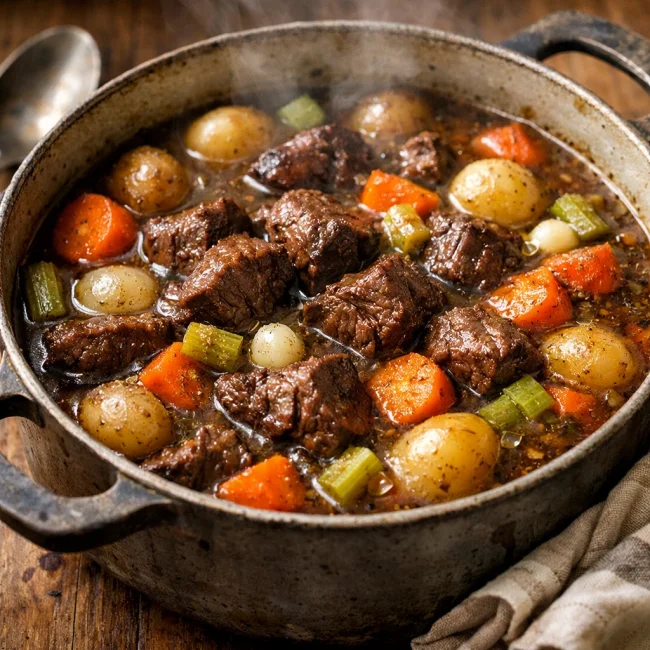
Traditional Beef Stew
A heartwarming traditional beef stew that combines tender beef chunks with classic...
View Recipe
Southwestern Chipotle Taco Soup
Explore the bold flavors of the Southwest with this unique variation of taco soup,...
View Recipe
Southwest Fiesta Taco Soup
Discover the vibrant flavors of our Southwest Fiesta Taco Soup, a quick and hearty...
View Recipe