
Japanese Sushi
If you're in the mood for a culinary adventure, Japanese sushi is a delightful place to start. This recipe brings the vibrant flavors of fresh fish and crisp vegetables wrapped in tender sushi rice right to your kitchen. It's a hands-on dish that's sure to impress.
 Share
Share

This post may contain affiliate links. As an Amazon Associate, we earn from qualifying purchases.
Ingredients for Japanese Sushi
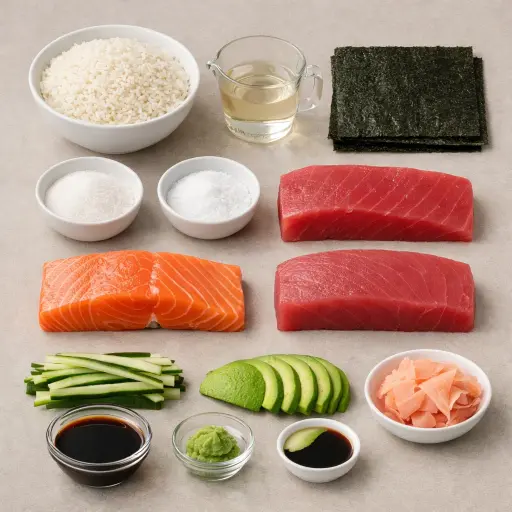
Sushi rice: The backbone of sushi, this short-grain rice is sticky and slightly sweet, making it perfect for holding everything together. Rice vinegar: Adds a gentle tang to balance the sweetness and enhance the rice's flavor. Sugar: Provides a hint of sweetness that complements the vinegar. Salt: Enhances all the flavors in the dish without overpowering them. Nori seaweed sheets: These thin sheets of seaweed add a subtle oceanic flavor and help contain the fillings in each roll. Fresh salmon and tuna: These are traditional sushi ingredients, offering rich, buttery textures and flavors. Cucumber: Brings a refreshing crunch to contrast the soft rice and fish. Avocado: Adds creaminess and a subtle earthiness. Soy sauce, wasabi, and pickled ginger: Classic accompaniments that enhance the sushi experience with salty, spicy, and tangy notes.
Why This Japanese Sushi Works
Rinsing the sushi rice washes off extra starch on the outside of the grains. During cooking, that lets the rice swell and stick just enough without turning gummy. After it’s cooked, the hot rice is spread out so the grains don’t crush each other. When the warm rice meets the vinegar, sugar, and salt, the liquid soaks into each grain instead of pooling on the bottom.
As the rice is folded and fanned, it cools quickly. Cooling sets the outside of the grains so they stay slightly sticky on the surface but firm inside. That sticky surface is what grabs onto the nori and holds the fillings in place. If the rice stayed hot and wet, it would slide around and tear the seaweed.
Once the rice is right, the rest is simple. The nori stays dry and crisp enough to roll, the fish and vegetables stay cool and firm, and the tight roll holds together when sliced, instead of squashing flat or falling apart.
Japanese Sushi Tips & Tricks
- Use a sharp knife and keep it slightly wet for clean cuts.
- Don’t overfill the sushi rolls; it makes rolling difficult.
- Fan the rice while mixing in vinegar to achieve the right texture.
- Practice makes perfect – don’t worry if your first rolls aren’t perfect.
Mistakes To Avoid
Overcooking the rice or using regular long-grain rice often leads to rolls that will not hold together. The grains stay separate and dry instead of slightly sticky, so the filling slips out and the roll unravels when sliced or picked up.
Pouring the vinegar mixture into the rice while it is still steaming hot and then stirring hard can crush the grains. The rice turns pasty and clumpy, and instead of a fluffy layer, it spreads in thick patches and makes the roll dense and gummy.
Skipping the quick cooling and fanning step leaves the rice warm and damp when it goes on the nori. The steam softens the seaweed too much, so it becomes stretchy and tears easily, and the roll feels soggy instead of having a light bite.
Cutting the fish in thick, uneven chunks rather than thin strips makes rolling difficult. The nori has to stretch around bulky pieces, which creates gaps and bulges, and the roll either bursts open or looks lopsided and hard to slice cleanly.
Equipment Used:
Ingredients
- Sushi rice 2 cups
- Rice vinegar 1/4 cup
- Sugar 2 tbsp
- Salt 1 tsp
- Nori seaweed sheets 5
- Fresh salmon 1/2 lb
- Fresh tuna 1/2 lb
- Cucumber 1, julienned
- Avocado 1, sliced
- Soy sauce for serving
- Wasabi for serving
- Pickled ginger for serving
Step-by-step Instructions
- 1. Rinse the sushi rice under cold water until the water runs clear.
- 2. Cook the rice according to the package instructions.
- 3. In a small saucepan, combine rice vinegar, sugar, and salt over low heat until dissolved.
- 4. Once the rice is cooked, transfer to a wooden or plastic container and gently fold in the vinegar mixture while fanning the rice to cool it down quickly.
- 5. Lay out a bamboo sushi mat and place a sheet of nori on top.
- 6. Spread a thin layer of rice over the nori, leaving a 1-inch border at the top.
- 7. Arrange slices of salmon, tuna, cucumber, and avocado on the rice.
- 8. Roll the sushi tightly using the bamboo mat, pressing gently to seal.
- 9. Slice the sushi roll into bite-sized pieces using a sharp knife dipped in water.
- 10. Repeat the process with remaining ingredients.
- 11. Serve the sushi with soy sauce, wasabi, and pickled ginger.
Trending Now
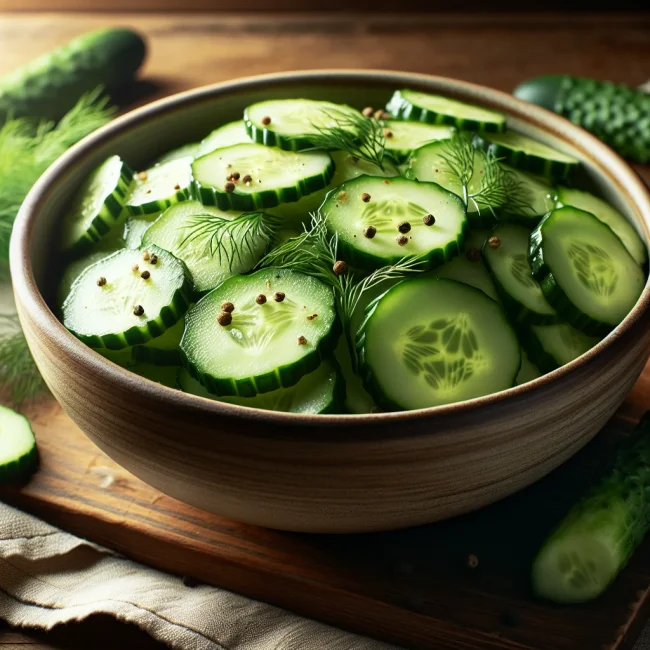
Classic Cucumber Salad
A refreshing and light cucumber salad featuring crisp cucumbers and a tangy vinaig...
View Recipe
Classic Banana Bread
Classic Banana Bread is a timeless dessert beloved for its moist texture and sweet...
View Recipe
Zesty Summer Squash Casserole
This delightful summer squash casserole combines vibrant garden-fresh vegetables w...
View Recipe
Traditional Dump Cake
Discover the timeless delight of the Traditional Dump Cake, a simple and scrumptio...
View RecipeFrequently Asked Questions
- Can I use any type of rice for sushi?
- It's best to use short-grain sushi rice for the right texture and stickiness.
- What if I don’t have a bamboo mat?
- You can use a clean tea towel or simply roll by hand, though it might take some practice.
- How do I store leftover sushi?
- Sushi is best enjoyed fresh, but you can wrap it tightly in plastic wrap and refrigerate for up to a day.
More Japanese Recipes

Zesty Citrus Teriyaki Sauce
Discover a new twist on classic teriyaki with this Zesty Citrus Teriyaki Sauce. Pe...
View Recipe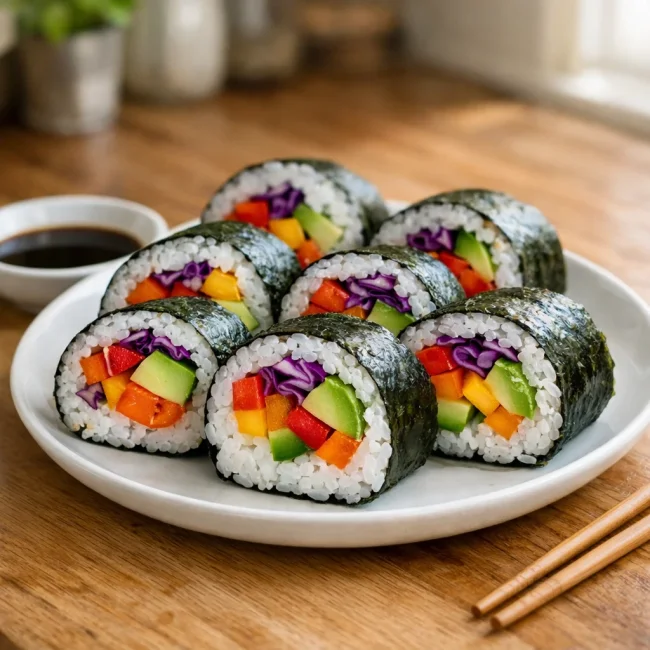
Rainbow Sushi Rolls
Rainbow Sushi Rolls are a delightful and vibrant dish featuring a medley of colorf...
View Recipe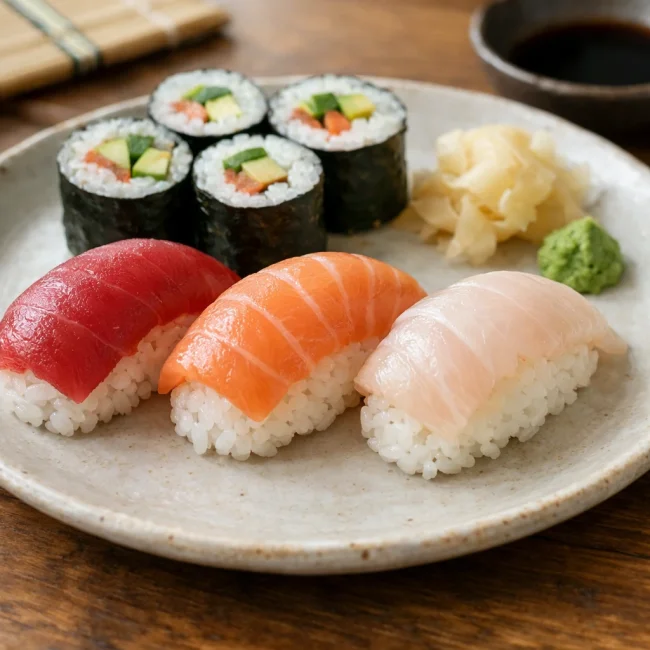
Japanese Sushi
Experience the authentic taste of Japan with our quintessential Japanese Sushi rec...
View Recipe