
Japanese Natto
Natto is a traditional Japanese dish known for its distinctive, nutty flavor and sticky texture. Made from fermented soybeans, it may not look appealing at first glance, but it's a powerhouse of nutrients and umami goodness. Whether you're a natto novice or a seasoned fan, making it at home is a fun culinary adventure.
 Share
Share

This post may contain affiliate links. As an Amazon Associate, we earn from qualifying purchases.
Ingredients for Japanese Natto
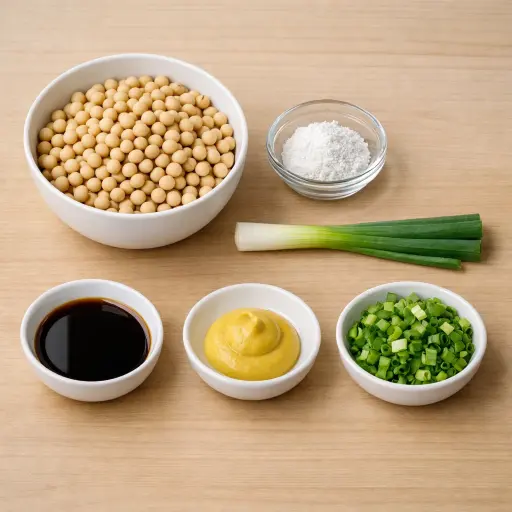
Soybeans are the star of the show, providing the base and protein-rich goodness of natto. Make sure to use dried soybeans for the best texture. The natto starter culture is essential for fermentation, introducing the beneficial bacteria that give natto its unique character. Soy sauce adds a salty depth, while mustard gives a subtle kick, boosting the overall flavor profile. Finally, scallion adds a fresh, mild onion flavor and a pop of color.
Why This Japanese Natto Works
During the long soak, the dry soybeans drink up a lot of water and swell. They go from hard and chalky to plump, so they can cook all the way through later. As they simmer for hours, the beans slowly soften inside and out. Their skins loosen, the centers turn creamy, and there is enough moisture in each bean for the starter culture to spread later.
After cooking, the beans cool just enough so the natto starter is not killed by heat but is still warm enough to wake up. Mixing a little starter with a small amount of beans first lets it spread more evenly, then it can reach all the beans when everything is stirred together. In the warm spot, the bacteria grow and form those sticky strings that give natto its stretchy texture. During the rest in the fridge, the beans firm up a bit, the stickiness settles through the whole container, and the soy sauce, mustard, and scallion cling better to the surface when served.
Japanese Natto Tips & Tricks
- Maintain a consistent fermentation temperature for the best results.
- If you don't have a warm spot, consider using an oven with just the light on.
- Use sterilized equipment to prevent unwanted bacteria from affecting the fermentation.
- Experiment with different types of mustard for varied flavor profiles.
Mistakes To Avoid
Letting the soybeans stay too firm after simmering causes trouble later. If they are not fully tender all the way through, the starter cannot spread well inside each bean, so the center stays plain while only the surface ferments, giving uneven texture with hard, chalky bites.
Cooling the beans too much before mixing in the natto starter keeps the fermentation from taking off. Once the beans drop to room temperature or colder, the starter sits there instead of growing, and the batch can end up with weak strings and a flat, slightly stale texture instead of that sticky pull.
Skipping proper sterilizing of the container easily leads to the wrong microbes taking over. When other bacteria get there first, the natto can smell harsh, form odd colors, or grow fuzzy spots, and the beans turn slimy in a bad way instead of that clean, sticky coating.
Letting the beans ferment at the wrong temperature also causes problems. When it is too cool, the beans stay mostly plain and dry with only a thin stickiness; when it is too hot, the beans can dry out on top and form a crust while the inside turns sharp and unpleasant.
Equipment Used:
Ingredients
- 2 cups dried soybeans
- 2 tsp natto starter culture
- 1 tsp soy sauce
- 1 tsp mustard
- 1 scallion, finely chopped
Step-by-step Instructions
- 1. Rinse the soybeans thoroughly and soak them in water for 12 hours.
- 2. Drain and place the soybeans in a large pot, covering with fresh water.
- 3. Bring to a boil, then reduce the heat and simmer for 6 hours until tender.
- 4. Drain the soybeans and let them cool slightly.
- 5. Mix the natto starter culture with a small amount of soybeans.
- 6. Combine all soybeans with the starter and mix well.
- 7. Transfer to a sterilized container and cover with plastic wrap, poking small holes.
- 8. Ferment in a warm place (100°F) for 24 hours.
- 9. Refrigerate for at least 12 hours before serving to enhance flavor.
Trending Now

Old-Fashioned Bread Pudding
Discover the classic charm of Old-Fashioned Bread Pudding - a timeless dessert com...
View Recipe
Traditional Italian Bruschetta
Experience the authentic taste of Italian bruschetta, a perfect blend of fresh tom...
View Recipe
Classic Green Beans
Discover the timeless delight of Classic Green Beans, a simple yet flavorful side ...
View Recipe
Classic Banana Bread
Classic Banana Bread is a timeless dessert beloved for its moist texture and sweet...
View RecipeFrequently Asked Questions
- What if I don't have a natto starter culture?
- You can use a store-bought natto as a starter. Just mix a small amount with the soybeans before fermenting.
- How do I know if my natto is fermenting properly?
- Look for a sticky texture and a strong, ammonia-like aroma, which indicates successful fermentation.
Serving Ideas for Japanese Natto
Natto pairs wonderfully with steamed rice for a traditional Japanese breakfast. Consider adding a raw egg yolk for extra creaminess, or sprinkle with sesame seeds for a nutty crunch. It's also delicious as a topping for toast, alongside avocado and a drizzle of soy sauce.
More Breakfast & Brunch Recipes

Traditional Quiche Lorraine
Experience the classic French Quiche Lorraine, a savory pie with a flaky crust fil...
View Recipe
Lemon-Blueberry Oat Coffee Cake
This Lemon-Blueberry Oat Coffee Cake is a delightful twist on the traditional favo...
View Recipe
Smoked Salmon Benedict
A luxurious twist on the classic Eggs Benedict, featuring smoked salmon and a zest...
View Recipe
Savory Garden Veggie Quiche
A delightful and easy-to-make quiche filled with garden-fresh vegetables, perfect ...
View Recipe