
Honey Oat Fresh Yeast Bread
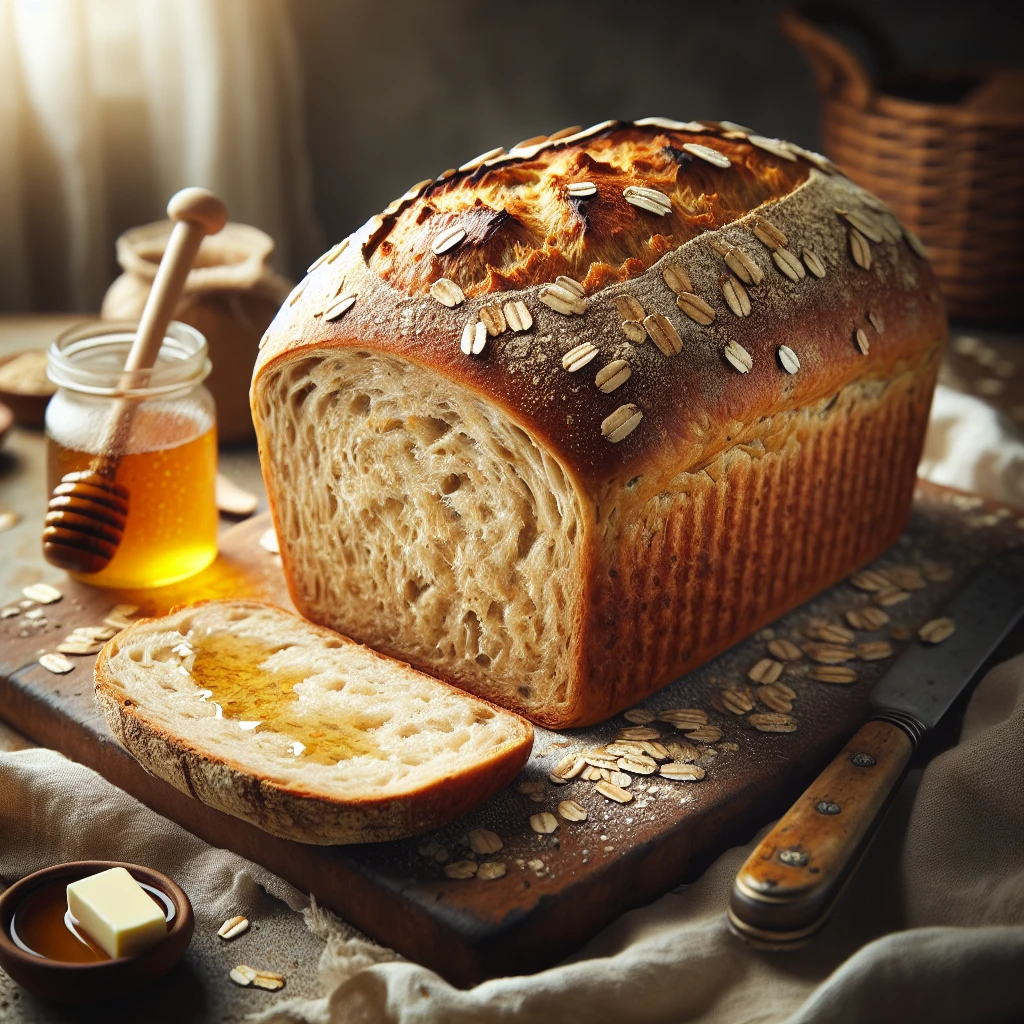
This Honey Oat Fresh Yeast Bread is a delightful mix of comfort and nutrition. It's perfect for those wanting to try their hand at bread-making with a touch of sweet honey and hearty oats.
 Share
Share
This post may contain affiliate links. As an Amazon Associate, we earn from qualifying purchases.
Ingredients for Honey Oat Fresh Yeast Bread
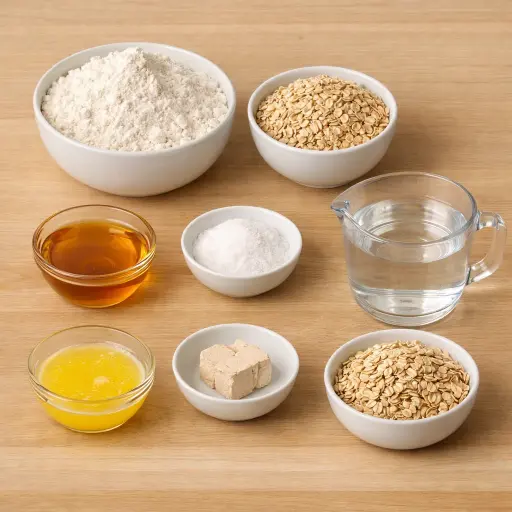
All-purpose flour is the backbone of this bread, providing the necessary structure. Rolled oats add texture and a nutty flavor, making the bread more filling. Fresh yeast is key for that classic bread rise and airy texture, while honey naturally sweetens the loaf and helps with browning. Salt enhances all the flavors, and warm water activates the yeast effectively. Finally, unsalted butter adds richness and tenderness to the crumb.
Why This Honey Oat Fresh Yeast Bread Works
Warm water and honey wake up the fresh yeast fast. As the yeast sits in that slightly sweet water, it starts to bubble and foam. Those bubbles are tiny pockets of gas that later stretch the dough. Once the flour and oats go in, the flour soaks up the water and the gluten starts to form long strands. Rolled oats drink in some of the liquid too, so the dough stays moist but not runny.
During kneading, those gluten strands line up and get stronger. That strong but stretchy dough can trap the gas from the yeast instead of letting it escape. While the dough rises, the gas pushes out in all directions and the loaf slowly puffs up. In the oven, the heat makes the gas expand even more, then the gluten and oats firm up and hold that shape. Honey and butter keep the inside soft, while the top dries out just enough to turn golden and a little chewy, with the extra oats toasty on top.
Honey Oat Fresh Yeast Bread Tips & Tricks
- Ensure your water is just warm, not hot, to avoid killing the yeast.
- Knead until the dough is no longer sticky and springs back when poked.
- Use a sharp knife to make clean slices once cooled.
Mistakes To Avoid
Letting the water get too hot when mixing with the fresh yeast can kill the yeast. The mixture then never gets frothy, the dough rises very little, and the finished loaf stays low, tight, and heavy instead of light and airy.
Adding the salt directly onto the fresh yeast and letting it sit like that can weaken the yeast. The dough may still rise a bit, but it often takes much longer and the bread bakes up dense with a gummy center instead of an even crumb.
Kneading too little leaves the dough weak and shaggy. In the oven, the loaf spreads instead of lifting, the slices tear easily, and the texture feels coarse instead of smooth and springy.
Letting the second rise go too long in the loaf pan makes the dough overproof. Once it hits the oven, the loaf can sink in the middle, the top wrinkles, and the crumb ends up full of big uneven holes with a collapsed, chewy center.
Slicing the bread while it is still hot traps steam inside the loaf. The inside turns pasty and sticky, and the slices squash flat instead of holding their shape.
Equipment Used:
Ingredients
- 3 cups all-purpose flour
- 1 cup rolled oats
- 1 packet fresh yeast (0.6 oz)
- 1/4 cup honey
- 1 1/2 teaspoons salt
- 1 1/4 cups warm water (110°F)
- 2 tablespoons unsalted butter, melted
- Extra oats for topping
Step-by-step Instructions
- 1. In a large bowl, mix warm water and honey, then sprinkle yeast over the top. Let it sit for 5-10 mins until frothy.
- 2. Add melted butter, flour, oats, and salt. Stir until a sticky dough forms.
- 3. Knead the dough on a floured surface for about 10 mins until smooth and elastic.
- 4. Place dough in a greased bowl, cover, and let rise for 1 hour until doubled in size.
- 5. Punch down the dough, shape into a loaf, and transfer to a greased loaf pan.
- 6. Cover with a damp cloth and allow to rise for another 30 mins until doubled.
- 7. Preheat oven to 375°F. Brush the top of the loaf with water and sprinkle with extra oats.
- 8. Bake for 30-35 mins until golden brown and hollow sounding when tapped.
- 9. Let cool on a wire rack before slicing and serving.
Trending Now
Old-Fashioned Bread Pudding
Discover the classic charm of Old-Fashioned Bread Pudding - a timeless dessert com...
View Recipe
Traditional Italian Bruschetta
Experience the authentic taste of Italian bruschetta, a perfect blend of fresh tom...
View Recipe
Classic Green Beans
Discover the timeless delight of Classic Green Beans, a simple yet flavorful side ...
View Recipe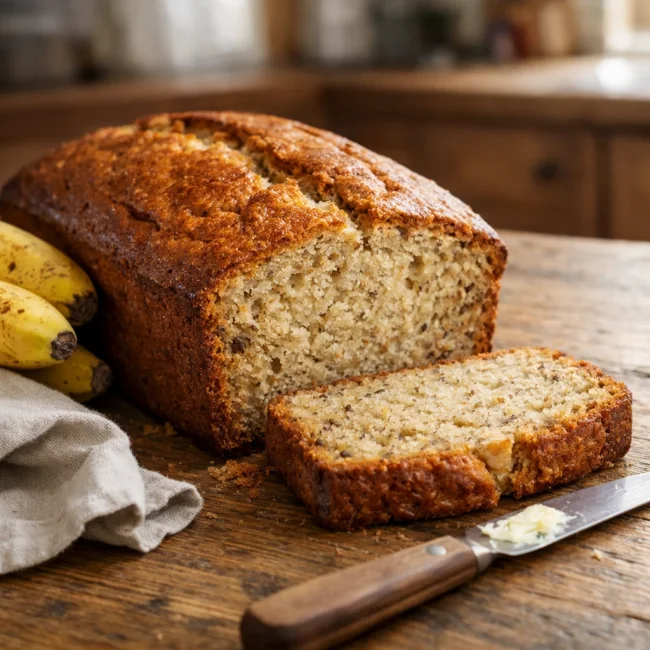
Classic Banana Bread
Classic Banana Bread is a timeless dessert beloved for its moist texture and sweet...
View RecipeFrequently Asked Questions
- Can I use instant yeast instead of fresh yeast?
- Yes, you can substitute with an equal amount of instant yeast. Just skip the proofing step and mix it directly with the dry ingredients.
- How should I store this bread?
- Keep it in a bread box or wrapped in a clean kitchen towel at room temperature for up to 3 days. For longer storage, freeze slices and toast as needed.
Serving Ideas for Honey Oat Fresh Yeast Bread
This bread pairs beautifully with a slather of butter and jam, or try it toasted with avocado for a hearty breakfast. It's also fantastic as a base for sandwiches or alongside a warm bowl of soup.
More Breads & Baked Goods Recipes

Traditional Italian Easter Bread
Savor the delightful taste of a classic Italian Easter bread, a sweet, soft, and s...
View Recipe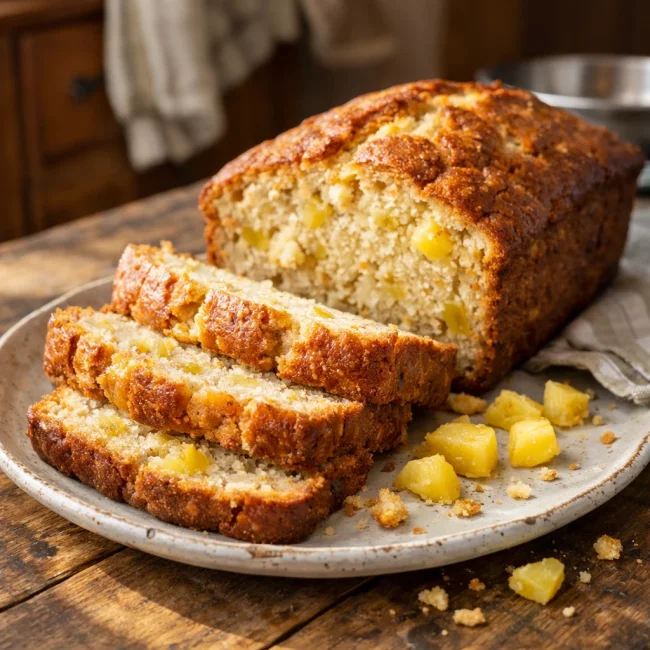
Old-Fashioned Pineapple Bread
A delightful and flavorful bread infused with juicy pineapple, perfect for breakfa...
View Recipe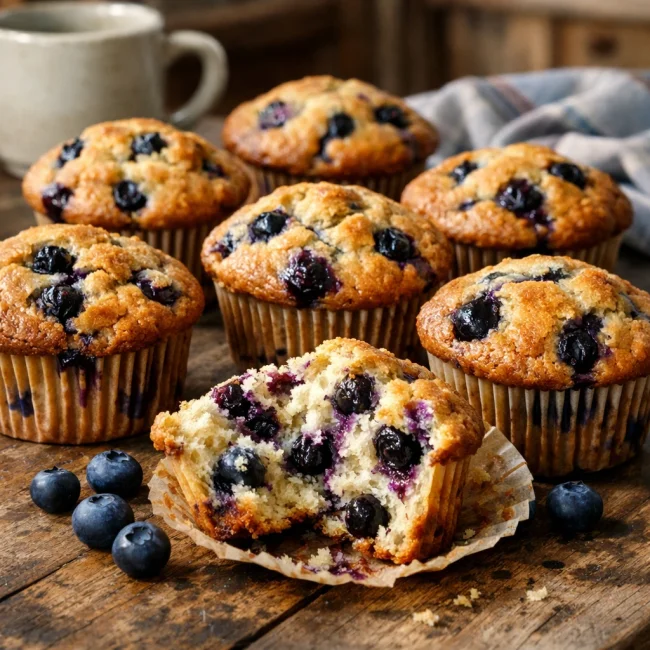
Old-Fashioned Blueberry Muffins
Transport yourself to simpler times with these delightful old-fashioned blueberry ...
View Recipe
Strawberry Basil Scones
These tender scones combine the sweetness of fresh strawberries with a hint of pep...
View Recipe