
Honey Lavender Biscuit Bliss
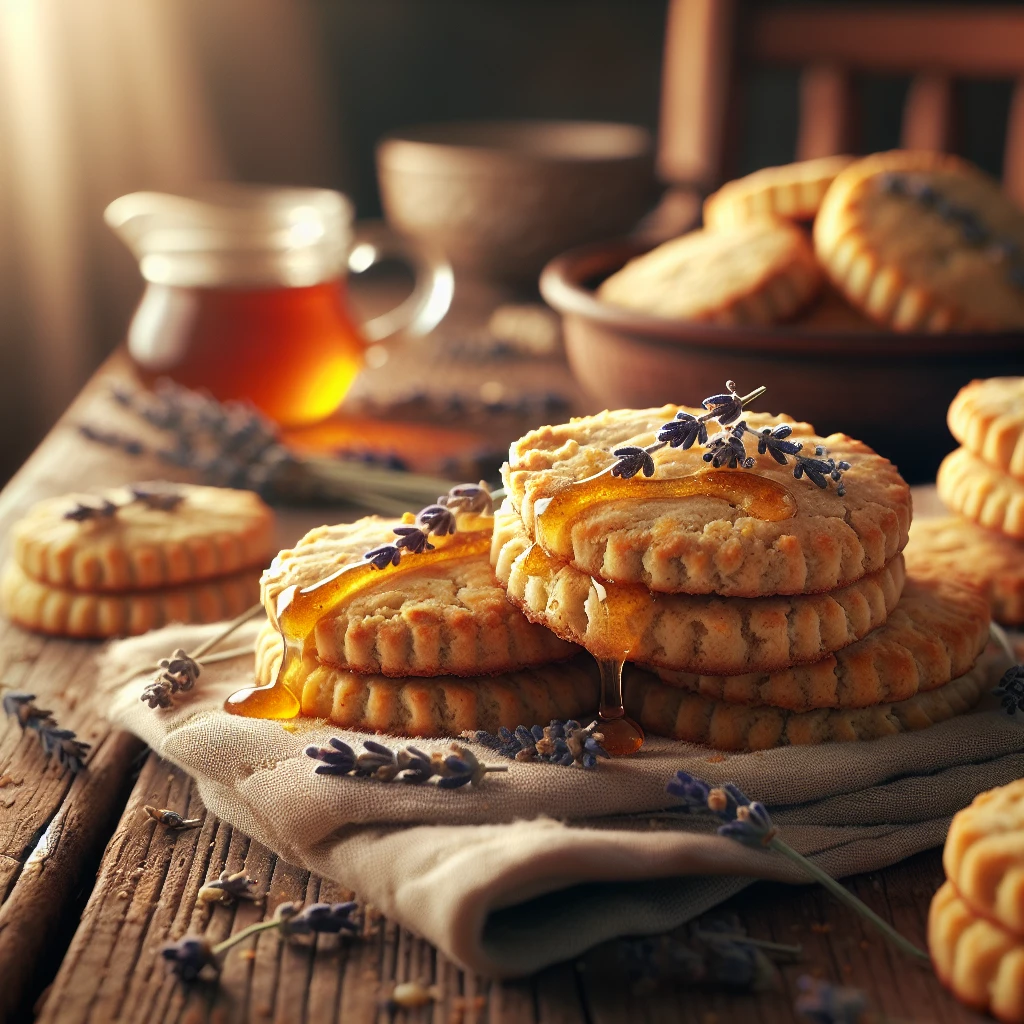
Welcome to a delightful fusion of flavors with our Honey Lavender Biscuit Bliss. These biscuits are a perfect mix of sweet and floral, bringing a touch of elegance to your everyday baking. Whether you're looking to impress guests or simply treat yourself, this recipe will become a favorite.
 Share
Share
This post may contain affiliate links. As an Amazon Associate, we earn from qualifying purchases.
Ingredients for Honey Lavender Biscuit Bliss
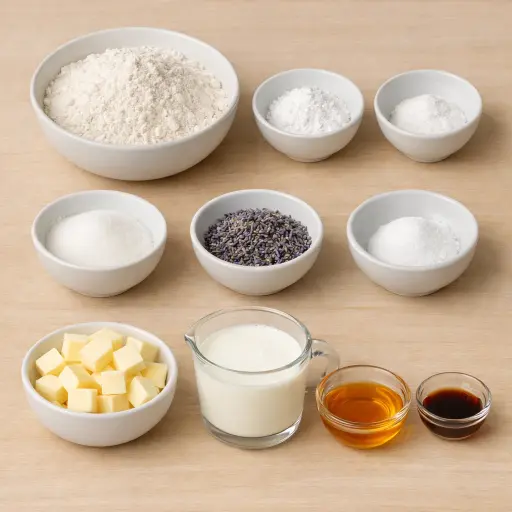
Flour forms the base of our biscuit, providing structure. Choose all-purpose for the best texture. Baking powder and baking soda give the biscuits their lift, ensuring they come out light and fluffy. A pinch of salt balances the sweetness and enhances the other flavors. Adding granulated sugar gives the biscuits a hint of sweetness, while dried culinary lavender delivers that distinctive floral note. The star of the show, unsalted butter, adds richness and flakiness. Buttermilk keeps the biscuits moist and tender, while honey adds a natural sweetness and depth. Finally, vanilla extract rounds out the flavors with its warm, aromatic notes.
Why This Honey Lavender Biscuit Bliss Works
In the bowl, the dry ingredients coat the butter pieces so the butter stays in little chunks instead of melting right away. As the dough goes into the hot oven, those cold butter bits start to melt and give off steam. That steam pushes the dough around them up and out, so the biscuits rise and stay light instead of dense. The flour and baking powder set around those air pockets, so the biscuits hold their shape once they’re baked.
While everything bakes, the buttermilk and honey keep the inside moist. The buttermilk’s slight tang keeps the sweetness from the sugar and honey from tasting heavy, and the baking soda reacts with it so the dough lifts even more. Dried lavender is spread through the dough from the start, so as the biscuits heat up, the tiny pieces soften and their taste spreads through every bite instead of sitting in one spot. By the time they come out of the oven, the outside is golden and a little crisp, and the inside stays soft and tender.
Honey Lavender Biscuit Bliss Tips & Tricks
- Keep your butter as cold as possible until the moment you use it. It helps create flaky layers.
- If you don't have buttermilk, add a tablespoon of lemon juice or vinegar to regular milk and let it sit for a few minutes.
- Use a gentle hand when kneading; too much handling can make the biscuits dense.
- To enhance the lavender flavor, lightly crush the dried lavender before mixing it with the dry ingredients.
Mistakes To Avoid
Overbaking at this high temperature quickly turns the biscuits dry and hard. The bottoms can darken and crisp before the centers stay soft, so instead of tender layers, the texture becomes tough and crumbly once cooled.
Using soft or melted butter instead of cold butter stops those little butter pockets from forming. The fat then blends too smoothly into the flour, so the biscuits bake up flat and dense instead of rising with flaky layers.
Overmixing the dough after the wet ingredients go in works the flour too much. The dough tightens, becomes elastic and sticky, and in the oven the biscuits rise less and turn out chewy instead of light.
Rolling the dough too thin means the biscuits have no chance to puff properly. They bake very fast, dry out in the middle, and end up more like crisp cookies than soft, tall biscuits.
Adding too much dried lavender easily overwhelms the dough. The small buds stay firm as they bake, so the biscuits can have hard, bitter-tasting specks instead of a gentle floral note.
Equipment Used:
Oven, Mixing bowls, Pastry cutter, Rolling pin, Biscuit cutter
Ingredients
- 2 cups all-purpose flour
- 1 tbsp baking powder
- 1/2 tsp baking soda
- 1/2 tsp salt
- 1/4 cup granulated sugar
- 2 tsp dried culinary lavender
- 1/2 cup unsalted butter, chilled and diced
- 3/4 cup buttermilk
- 1/4 cup honey
- 1 tsp vanilla extract
Step-by-step Instructions
- 1. Preheat your oven to 425°F (220°C) and line a baking sheet with parchment paper.
- 2. In a large mixing bowl, whisk together flour, baking powder, baking soda, salt, sugar, and dried lavender.
- 3. Add the chilled butter to the dry ingredients, using a pastry cutter or your fingers to work it into the flour until the mixture resembles coarse crumbs.
- 4. In a separate bowl, combine buttermilk, honey, and vanilla extract, and mix well.
- 5. Pour the wet ingredients into the dry ingredients and stir until just combined. Be careful not to overmix.
- 6. Turn the dough out onto a floured surface and gently knead it a few times until it comes together.
- 7. Roll the dough to about 1/2 inch thickness and use a biscuit cutter to cut out biscuits, placing them on the prepared baking sheet.
- 8. Bake for 12-15 minutes or until golden brown. Cool slightly before serving.
Trending Now
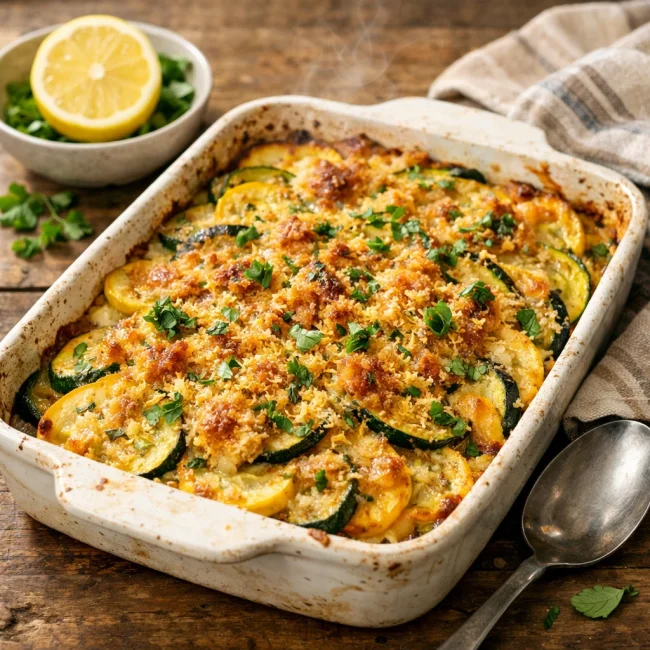
Zesty Summer Squash Casserole
This delightful summer squash casserole combines vibrant garden-fresh vegetables w...
View Recipe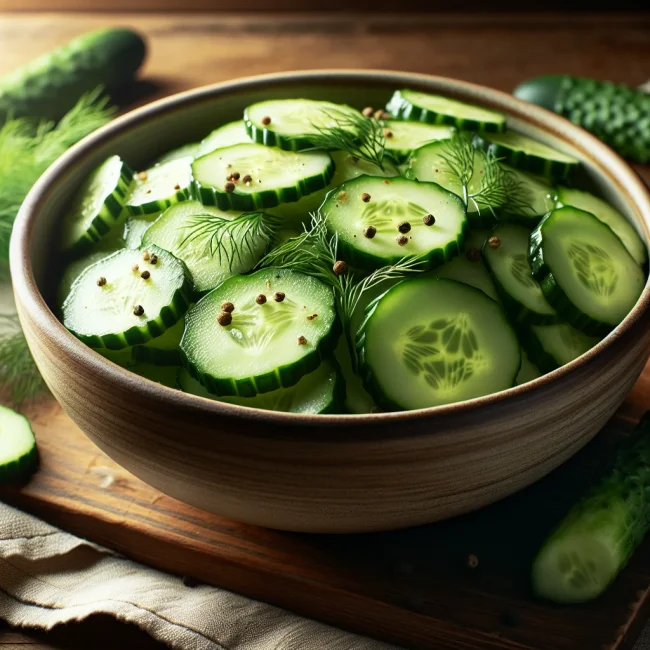
Classic Cucumber Salad
A refreshing and light cucumber salad featuring crisp cucumbers and a tangy vinaig...
View Recipe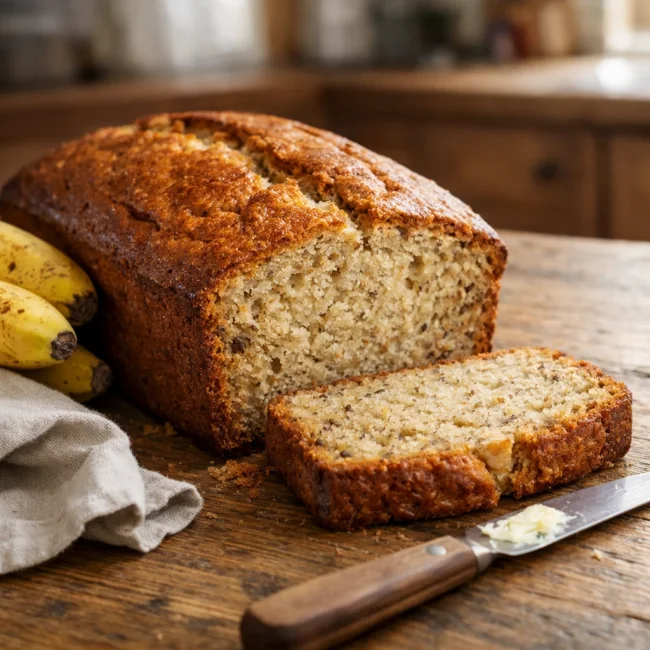
Classic Banana Bread
Classic Banana Bread is a timeless dessert beloved for its moist texture and sweet...
View Recipe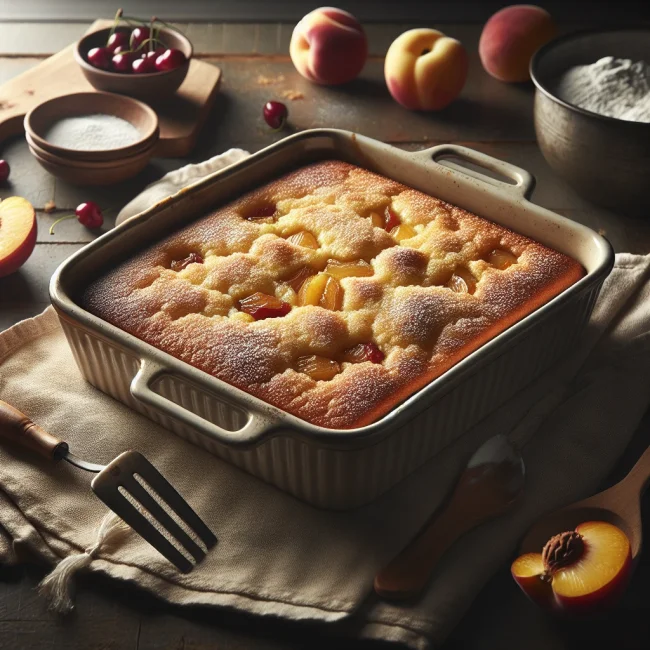
Traditional Dump Cake
Discover the timeless delight of the Traditional Dump Cake, a simple and scrumptio...
View RecipeFrequently Asked Questions
- Can I use fresh lavender instead of dried?
- It's best to stick with dried culinary lavender for consistency in flavor and texture. Fresh lavender has a more intense flavor and moisture content that can affect the biscuits.
- What if I don't have a biscuit cutter?
- No problem! You can use a glass or a cup with a similar diameter to cut out your biscuits.
- Can these biscuits be frozen?
- Absolutely! Freeze them after cutting out the shapes, and then bake directly from the freezer, adding a few extra minutes to the baking time.
Serving Ideas for Honey Lavender Biscuit Bliss
These biscuits pair beautifully with a dollop of clotted cream or a smear of lemon curd. For a savory twist, try serving them alongside a cheese platter featuring brie or camembert. They also make a lovely accompaniment to herbal teas, especially chamomile or Earl Grey, enhancing the floral notes in the biscuits.
More Breads & Baked Goods Recipes
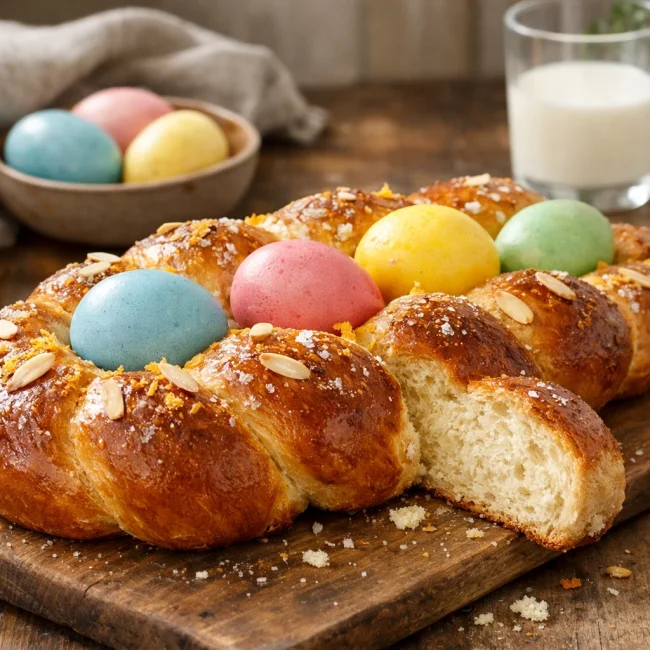
Traditional Italian Easter Bread
Savor the delightful taste of a classic Italian Easter bread, a sweet, soft, and s...
View Recipe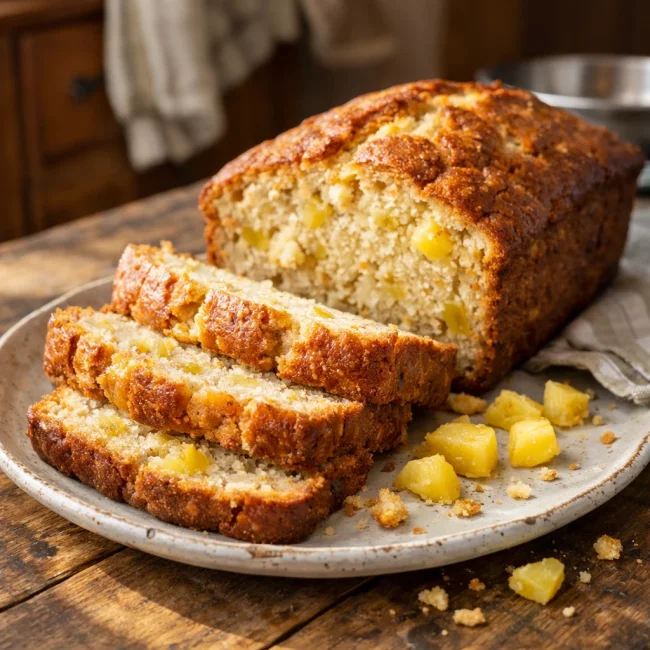
Old-Fashioned Pineapple Bread
A delightful and flavorful bread infused with juicy pineapple, perfect for breakfa...
View Recipe
Old-Fashioned Blueberry Muffins
Transport yourself to simpler times with these delightful old-fashioned blueberry ...
View Recipe
Strawberry Basil Scones
These tender scones combine the sweetness of fresh strawberries with a hint of pep...
View Recipe