
Homemade Bagels
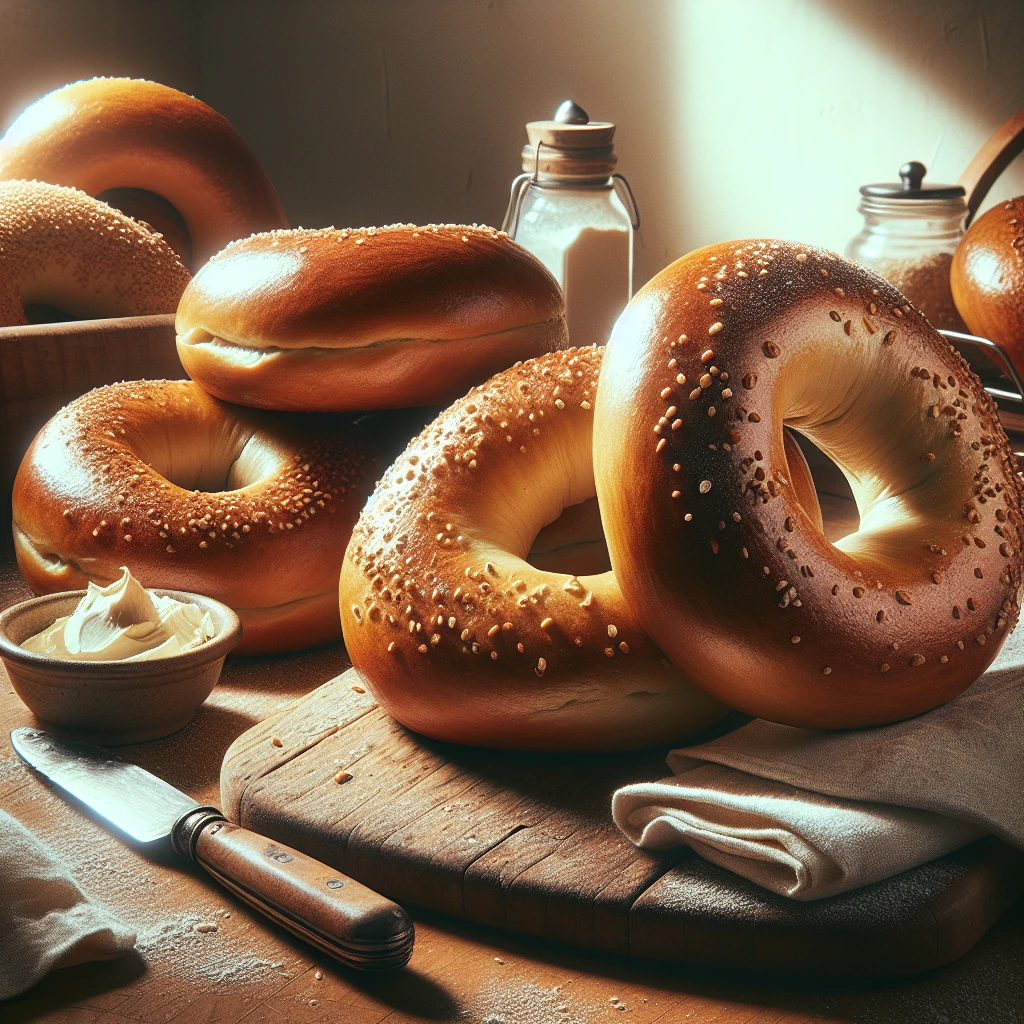
These homemade bagels are the perfect blend of chewy on the outside and soft on the inside, making them a morning favorite. With just a few simple ingredients and steps, you can make bakery-quality bagels right in your own kitchen. They're a fantastic way to start your day or impress guests at brunch.
 Share
Share
This post may contain affiliate links. As an Amazon Associate, we earn from qualifying purchases.
Ingredients for Homemade Bagels
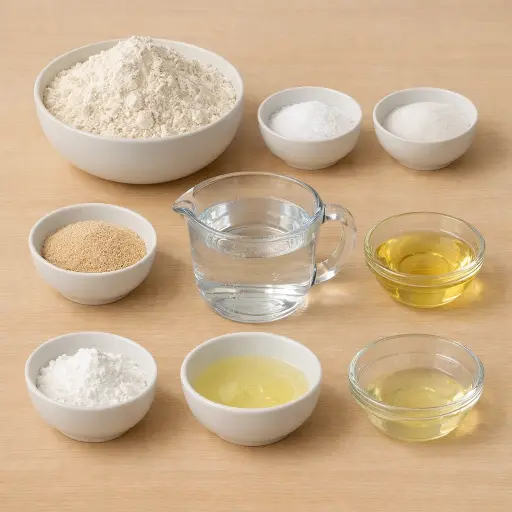
All-purpose flour forms the base of the dough, giving the bagels their structure. Salt enhances flavor and controls yeast activity. A dash of sugar feeds the yeast, helping the dough rise. Active dry yeast is the leavening agent, making the dough airy and light. Warm water activates the yeast, while vegetable oil adds slight moisture and richness. Baking soda in the boiling water helps the bagels develop their signature chewy crust. Egg white is optional but gives a glossy finish if you like a shiny bagel.
Why This Homemade Bagels Works
During mixing and kneading, the flour and water join up and form gluten, which is like tiny stretchy strings running through the dough. After about 10 minutes of kneading, those strings line up and the dough becomes smooth and springy. That strong, stretchy dough is what lets the bagels puff up without falling apart and gives them that chewy bite.
As the dough rests and rises, the yeast eats the sugar and gives off gas. Those little gas bubbles get trapped inside the gluten net, so the dough slowly swells and gets airy on the inside while still feeling firm on the outside. When the dough is shaped into rings, that hole in the middle lets the heat and water reach more of the surface.
In the boiling step, the hot water with baking soda quickly tightens the outside of each bagel. The surface sets before baking, so the bagels keep their shape and don’t spread out like bread rolls. In the oven, the inside finishes cooking and the outside dries and browns, leaving a shiny, chewy crust and a soft, dense center.
Homemade Bagels Tips & Tricks
- If your dough is too sticky, add a bit more flour until it's manageable.
- Use a kitchen scale for precise measurements, especially for the flour.
- For a chewier texture, let the dough rise in the fridge overnight before boiling.
- Experiment with toppings like sesame seeds, poppy seeds, or everything bagel seasoning.
Mistakes To Avoid
Letting the water be too hot when the yeast goes in can kill the yeast. The dough then barely rises, stays heavy, and the bagels bake up flat and dense instead of puffed with a chewy inside.
Adding too much flour while kneading often makes the dough stiff and tight. The gluten can’t stretch well, so the bagels don’t get that classic chew and instead turn out dry and bready.
Shaping the bagels with tiny holes or no real hole at all leads to trouble in boiling and baking. The centers stay thick, so they can end up doughy inside while the outside is already firm and browned.
Boiling for too long in the baking soda water can make the crust tough and leathery. The bagels then bake up with a very thick outer layer that’s hard to bite through, while the inside can feel a bit gummy.
Skipping the boil and going straight to the oven leaves the surface too soft. The bagels come out more like plain bread rolls, with a thin, pale crust and none of that bagel-style chew.
Equipment Used:
Ingredients
- 4 cups all-purpose flour
- 2 teaspoons salt
- 1 tablespoon sugar
- 1 tablespoon active dry yeast
- 1 1/4 cups warm water
- 1 tablespoon vegetable oil
- 1 tablespoon baking soda
- 1 egg white (optional, for glaze)
Step-by-step Instructions
- 1. In a large bowl, mix flour, salt, and sugar.
- 2. In a small bowl, dissolve yeast in warm water and add oil.
- 3. Pour yeast mixture into dry ingredients and combine to form a dough.
- 4. Knead the dough for about 10 minutes until smooth and elastic.
- 5. Place the dough in a greased bowl, cover, and let it rise for 1 hour.
- 6. Preheat oven to 425°F (220°C) and bring a pot of water to boil.
- 7. Divide dough into 8 portions, shape each into a ball, and poke a hole in the center to form bagels.
- 8. Add baking soda to boiling water and boil bagels for 1-2 minutes on each side.
- 9. Place boiled bagels on a baking sheet, brush with egg white if desired, and bake for 20 minutes until golden brown.
Trending Now
Traditional Crisp Coleslaw
A classic coleslaw recipe featuring finely shredded cabbage and carrots tossed in ...
View Recipe
Traditional Italian Bruschetta
Experience the authentic taste of Italian bruschetta, a perfect blend of fresh tom...
View Recipe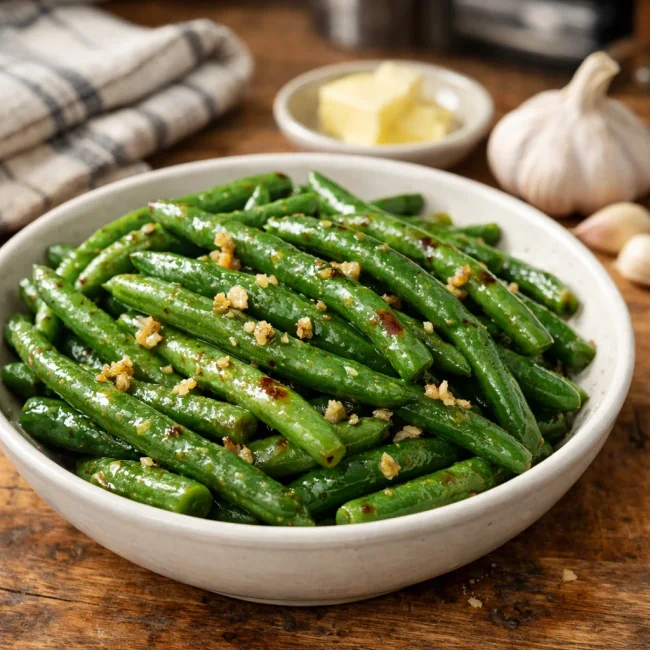
Classic Green Beans
Discover the timeless delight of Classic Green Beans, a simple yet flavorful side ...
View Recipe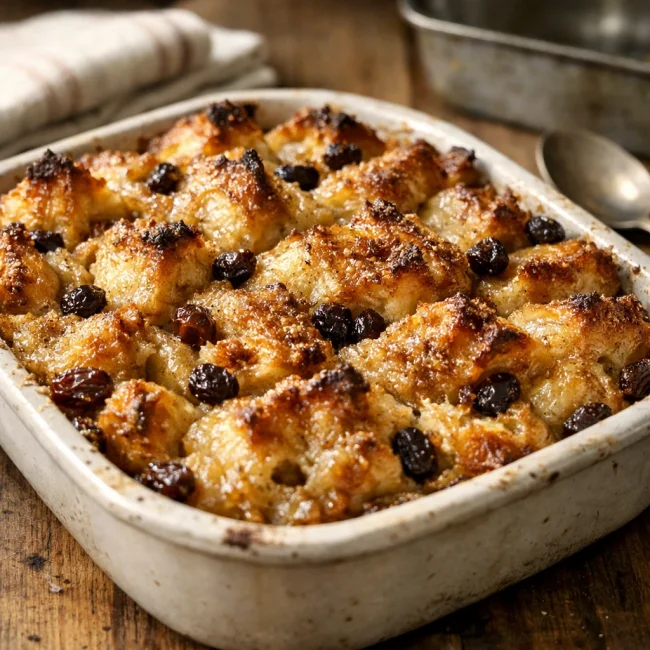
Old-Fashioned Bread Pudding
Discover the classic charm of Old-Fashioned Bread Pudding - a timeless dessert com...
View RecipeFrequently Asked Questions
- Can I use whole wheat flour instead of all-purpose flour?
- Yes, you can substitute whole wheat flour, but the texture will be denser. You might need to adjust the water content slightly.
- What if I don't have baking soda?
- Boiling in plain water will still give you decent results, but the crust might not be as chewy.
- How do I store leftover bagels?
- Store them in an airtight container at room temperature for up to two days or freeze them for longer storage.
Serving Ideas for Homemade Bagels
These bagels are delightful with a smear of cream cheese or butter. For a heartier meal, try them as the base for a breakfast sandwich with eggs, bacon, and cheese. They also pair wonderfully with smoked salmon and capers for a classic bagel and lox experience.
More Breads & Baked Goods Recipes

Traditional Italian Easter Bread
Savor the delightful taste of a classic Italian Easter bread, a sweet, soft, and s...
View Recipe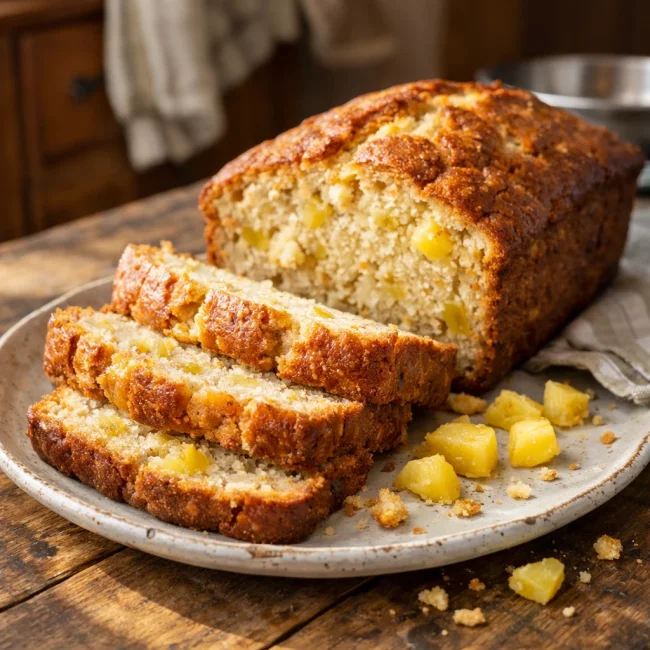
Old-Fashioned Pineapple Bread
A delightful and flavorful bread infused with juicy pineapple, perfect for breakfa...
View Recipe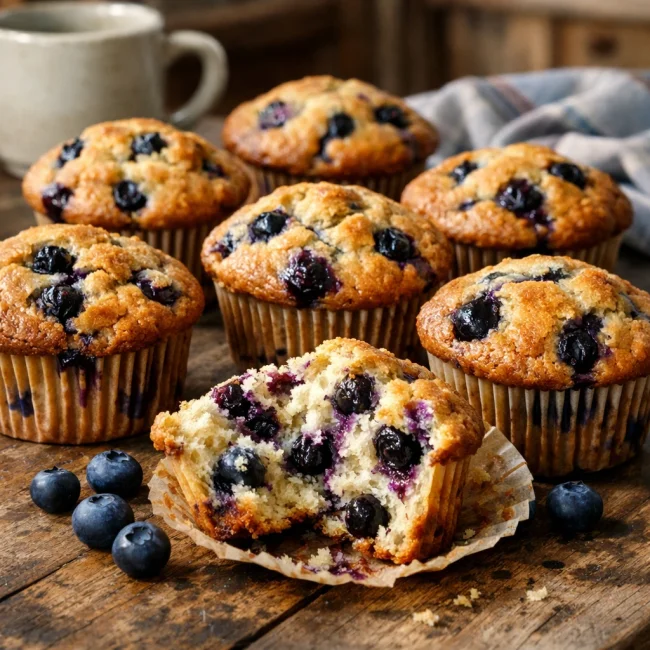
Old-Fashioned Blueberry Muffins
Transport yourself to simpler times with these delightful old-fashioned blueberry ...
View Recipe
Strawberry Basil Scones
These tender scones combine the sweetness of fresh strawberries with a hint of pep...
View Recipe