
Heritage Vanilla Cake
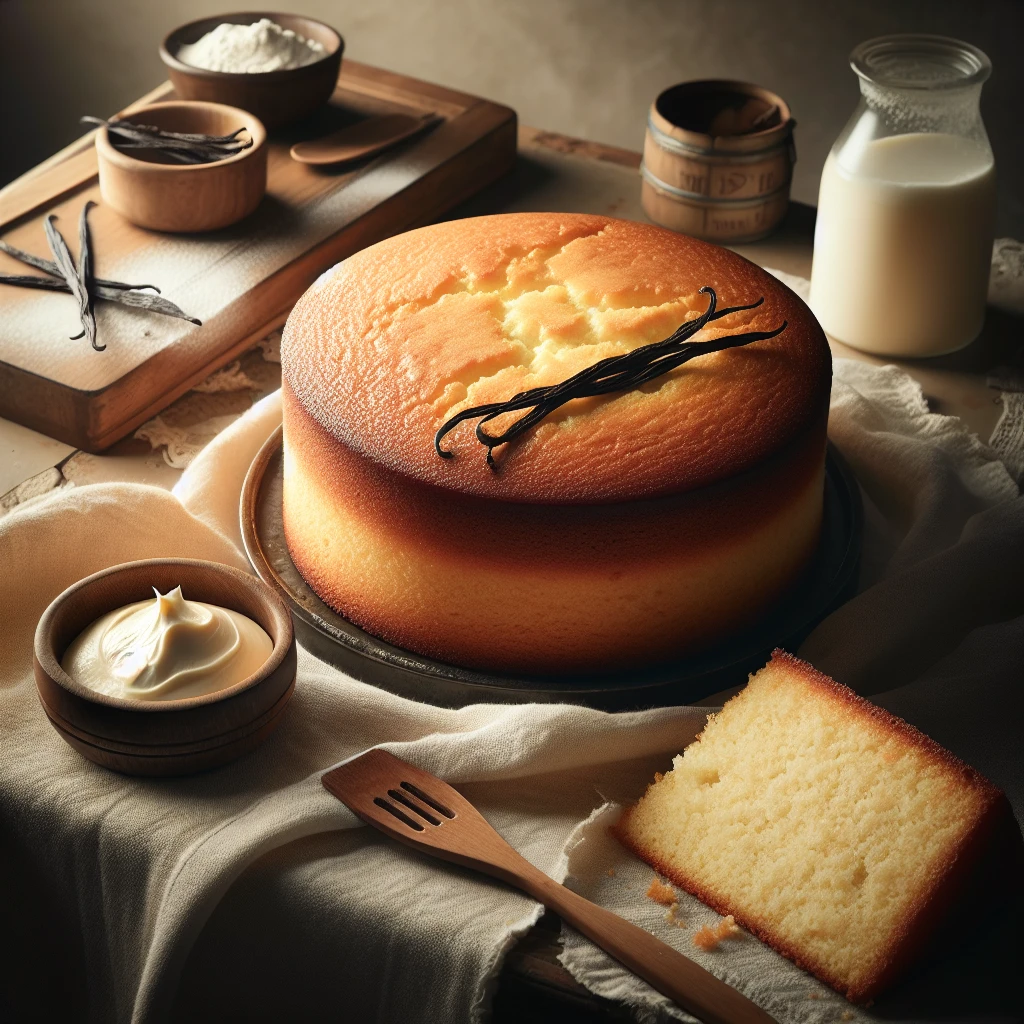
This Heritage Vanilla Cake is a timeless classic, perfect for any occasion. With its rich, buttery flavor and soft, tender crumb, it's sure to impress family and friends alike. It's simple yet sophisticated, making it a go-to recipe for both novice and experienced bakers.
 Share
Share
This post may contain affiliate links. As an Amazon Associate, we earn from qualifying purchases.
Ingredients for Heritage Vanilla Cake
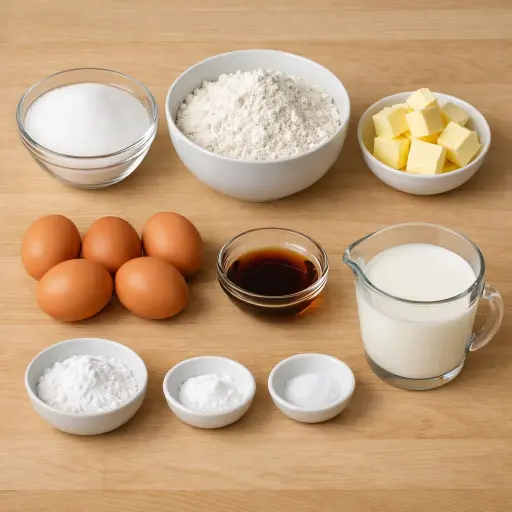
Sugar adds the necessary sweetness and contributes to the cake's tender texture. The flour provides structure, while unsalted butter offers richness and moisture. Using large eggs helps bind the ingredients together, ensuring a cohesive batter. Vanilla extract infuses the cake with its signature aroma, making it irresistibly fragrant. Baking powder is crucial for a good rise, giving the cake its airy texture. A pinch of salt enhances all the flavors, and whole milk ensures a creamy, soft crumb.
Why This Heritage Vanilla Cake Works
During mixing, the soft butter and sugar trap a lot of tiny air pockets as they are creamed together. Those little pockets stay inside the batter when the eggs go in, so the cake starts out full of air even before it hits the oven. As the batter bakes, the air inside those pockets expands and makes the cake rise and feel light instead of dense.
In a separate bowl, the flour, baking powder, and salt are mixed first so the baking powder spreads evenly. Once the wet and dry parts are combined with the milk, the flour soaks up the liquid and forms a gentle structure. In the oven, that flour structure sets while the eggs firm up, so the cake holds its shape but still stays soft.
With steady heat, the butter melts and the milk steams a little, which keeps the crumb moist. By the time the cakes cool on the rack, the structure has finished setting, so the layers slice cleanly and don’t crumble apart.
Heritage Vanilla Cake Tips & Tricks
- Bring all ingredients to room temperature before starting for a smoother batter.
- Use a kitchen scale for precise measurements, especially for flour.
- If you need to check cake doneness, a gentle press on the top should spring back.
- For an extra moist cake, brush some simple syrup on the layers before stacking.
Mistakes To Avoid
Overbaking the layers easily dries this cake out. Once it goes past done, the edges turn tough and the crumb becomes crumbly instead of soft, so the slices break and the cake tastes stale even on the first day.
Adding the flour and milk all at once instead of alternating often leads to a lumpy, uneven batter. Dry pockets of flour stay in the mix while other parts get overworked, so the baked cake can have gummy spots and tunnels instead of an even crumb.
Stirring the batter hard after the flour goes in can knock out the air that was beaten into the butter, sugar, and eggs. The batter tightens up, and in the oven the cake rises less and bakes up dense and heavy instead of light.
Using cold butter instead of softened butter keeps the sugar from creaming properly. The mixture stays grainy and thick, so less air gets trapped, and the finished cake comes out flatter with a tighter, less tender texture.
Ingredients
- 1 cup sugar
- 2 cups all-purpose flour
- 1 cup unsalted butter, softened
- 4 large eggs
- 1 tablespoon vanilla extract
- 1 tablespoon baking powder
- 1/2 teaspoon salt
- 1 cup whole milk
Step-by-step Instructions
- 1. Preheat the oven to 350°F and grease two 9-inch round cake pans.
- 2. In a large bowl, cream together the sugar and butter until light and fluffy.
- 3. Beat in the eggs one at a time, then stir in the vanilla extract.
- 4. In a separate bowl, combine the flour, baking powder, and salt. Gradually add to the creamed mixture alternately with the milk.
- 5. Pour the batter evenly into the prepared pans.
- 6. Bake for 25-30 minutes or until a toothpick inserted into the center comes out clean.
- 7. Allow to cool in the pans for 10 minutes before transferring to a wire rack to cool completely.
Trending Now
Old-Fashioned Bread Pudding
Discover the classic charm of Old-Fashioned Bread Pudding - a timeless dessert com...
View Recipe
Traditional Italian Bruschetta
Experience the authentic taste of Italian bruschetta, a perfect blend of fresh tom...
View Recipe
Classic Green Beans
Discover the timeless delight of Classic Green Beans, a simple yet flavorful side ...
View Recipe
Classic Banana Bread
Classic Banana Bread is a timeless dessert beloved for its moist texture and sweet...
View RecipeFrequently Asked Questions
- Can I use salted butter?
- Yes, but reduce the added salt by half to balance the flavors.
- Can I make this cake gluten-free?
- You can substitute the all-purpose flour with a 1:1 gluten-free baking blend. Ensure it contains xanthan gum for structure.
- How can I store the cake?
- Wrap it tightly in plastic wrap and store at room temperature for up to 3 days, or refrigerate for up to a week.
Serving Ideas for Heritage Vanilla Cake
This cake pairs wonderfully with fresh strawberries and a dollop of whipped cream for a classic touch. For a more decadent option, try serving it with a scoop of vanilla ice cream and a drizzle of caramel sauce. It's also a great base for layered birthday cakes, topped with your favorite frosting.
More Desserts Recipes
Rustic Vanilla Peach Cobbler
This rustic vanilla peach cobbler combines a rich, buttery crust with the sweet, v...
View Recipe
Traditional Lemon Curd
A classic, tangy lemon curd that is perfect for enhancing desserts, breakfast dish...
View Recipe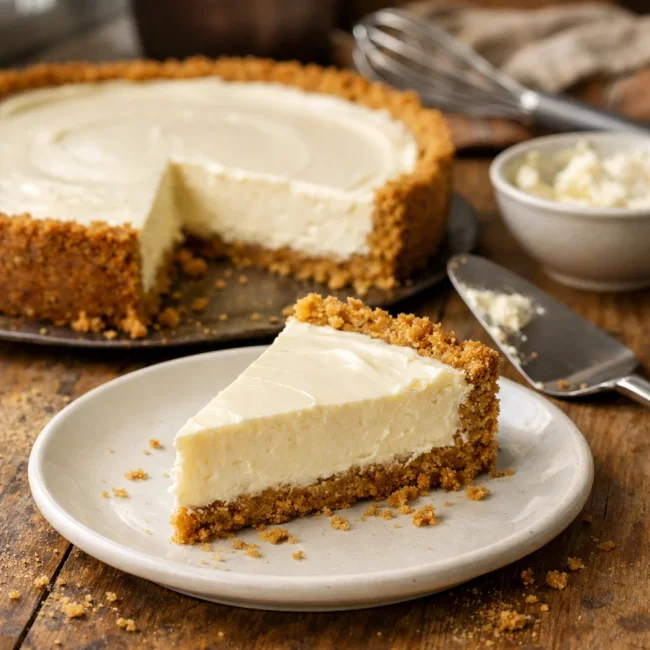
Traditional Cream Cheese Pie
A delightful and timeless dessert, Traditional Cream Cheese Pie offers a rich and ...
View Recipe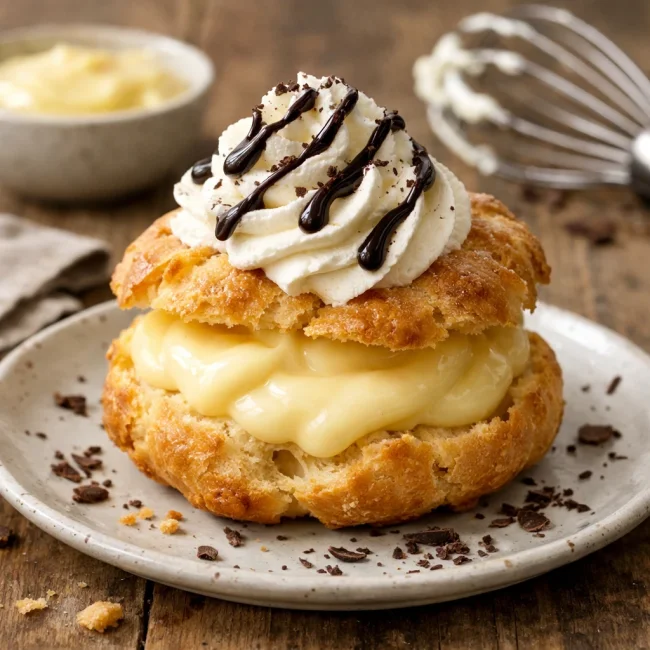
Timeless Cream Puff Delight
Indulge in a delectable Timeless Cream Puff Delight, a classic dessert featuring a...
View Recipe