
Heritage Sourdough Pancakes
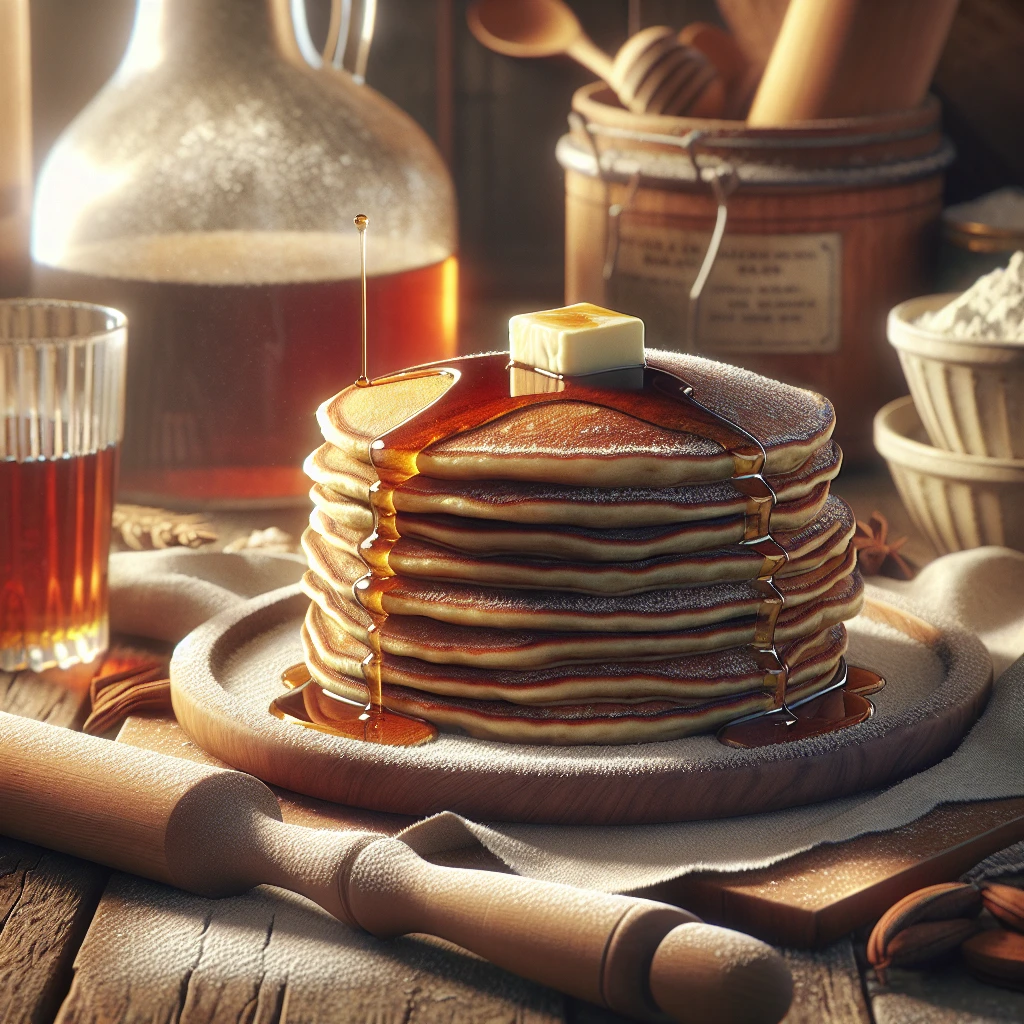
Sourdough pancakes are a delightful twist on a breakfast classic, bringing a unique tang and fluffiness to your morning routine. This recipe transforms your sourdough starter into a stack of pancakes that's both nostalgic and flavorful, perfect for a leisurely weekend brunch.
 Share
Share
This post may contain affiliate links. As an Amazon Associate, we earn from qualifying purchases.
Ingredients for Heritage Sourdough Pancakes
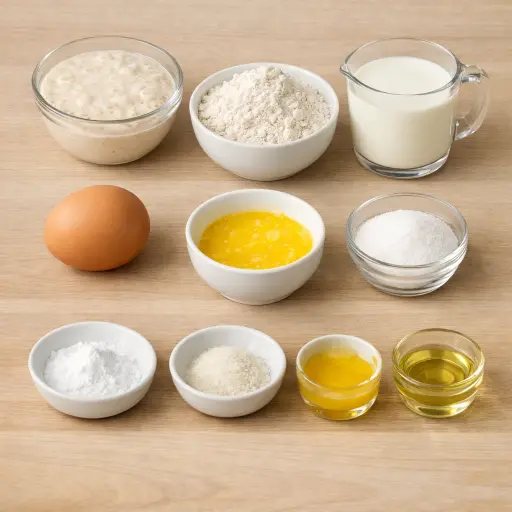
Sourdough starter is the star here, giving the pancakes their signature tang and helping them rise. Using a starter that's been fed recently is ideal. All-purpose flour provides structure, while whole milk adds richness and helps create a smooth batter. A large egg contributes to the pancakes' fluffiness and binds the ingredients together. Unsalted butter, melted, adds richness and flavor. Granulated sugar sweetens the batter just a touch, enhancing the tangy sourdough flavor. Baking soda reacts with the acidity of the sourdough to give the pancakes extra lift and fluffiness. Finally, salt balances all the flavors, enhancing the overall taste of the pancakes.
Why This Heritage Sourdough Pancakes Works
Overnight, the sourdough starter, flour, and milk sit together and slowly relax. The flour soaks up the milk and starter, so by morning the batter is smooth and stretchy instead of thick and pasty. During that long rest, the sourdough starter also bubbles a bit and loosens the batter, so it pours nicely and doesn’t feel heavy.
In the morning, the egg and melted butter slide into that rested batter and spread through it. The egg gives the pancakes some structure so they don’t fall apart, and the butter keeps them soft instead of dry. Once the baking soda and salt go in, the sourdough’s natural tang meets the baking soda and starts to fizz. Tiny bubbles form inside the batter and stay trapped by the flour and egg.
On the hot pan, those bubbles expand and set in place, so the pancakes rise and stay fluffy. The outside browns while the inside stays moist, and the rested batter keeps them tender instead of chewy.
Heritage Sourdough Pancakes Tips & Tricks
- Ensure your sourdough starter is active and bubbly for best results.
- If you prefer thicker pancakes, reduce the milk slightly.
- Don’t overmix the batter after adding the baking soda; it can lead to dense pancakes.
Mistakes To Avoid
Skipping the overnight rest for the starter, flour, and milk leaves the batter tight and raw-tasting. The flour doesn’t fully hydrate and the starter doesn’t relax the gluten, so the pancakes cook up flat and chewy instead of light and tender.
Adding the baking soda the night before instead of in the morning causes the batter to lose its lift. The soda reacts and fades while it sits, so by the time it hits the pan the bubbles are gone and the pancakes turn out dense and a bit gummy in the center.
Pouring the egg in while the melted butter is still very hot can partially cook the egg in the bowl. This creates little rubbery bits in the batter that don’t smooth out on the griddle, giving the pancakes a lumpy, uneven texture.
Cooking on heat that’s too high browns the outside before the middle has time to set. The pancakes look done but stay wet and pasty inside, and by the time the centers cook through, the surfaces are dark and dry.
Equipment Used:
Ingredients
- 1 cup sourdough starter
- 1 cup all-purpose flour
- 1 cup whole milk
- 1 large egg
- 2 tbsp unsalted butter, melted
- 1 tbsp granulated sugar
- 1 tsp baking soda
- 1/2 tsp salt
- Butter or oil for cooking
Step-by-step Instructions
- 1. In a large mixing bowl, combine the sourdough starter, flour, and milk. Mix until smooth and let it rest overnight at room temperature covered with a cloth.
- 2. In the morning, whisk in the egg, melted butter, and sugar into the mixture.
- 3. Sprinkle the baking soda and salt over the batter and gently fold to combine. Let it rest for a few minutes to activate the soda.
- 4. Preheat a griddle or non-stick pan over medium heat and lightly grease it with butter or oil.
- 5. Pour 1/4 cup of batter onto the griddle for each pancake.
- 6. Cook until bubbles form on the surface and the edges look set, about 2 minutes. Flip and cook for an additional 1-2 minutes until golden brown.
- 7. Repeat with remaining batter, adjusting heat as necessary to prevent burning.
Trending Now
Oven-Baked Pork Chops
Enjoy a delightful dinner with these tender and juicy oven-baked pork chops, seaso...
View Recipe
Traditional Corn Casserole
A delightful corn casserole dish that embodies the comforting flavors of sweet cor...
View Recipe
Traditional Cucumber and Tomato Salad
A refreshing and simple salad combining crisp cucumbers and juicy tomatoes, season...
View Recipe
Savory Zucchini Bread
Savory Zucchini Bread is a delectable twist on traditional zucchini recipes, combi...
View RecipeFrequently Asked Questions
- Can I use a whole wheat starter?
- Yes, a whole wheat starter will work, though it may affect the texture slightly.
- How long can I keep the batter in the fridge?
- You can keep the batter for up to two days, but it's best used fresh for optimal fluffiness.
- Can I freeze the pancakes?
- Yes, freeze cooked pancakes in a single layer, then transfer to a bag. Reheat in a toaster or oven.
Serving Ideas for Heritage Sourdough Pancakes
These sourdough pancakes pair wonderfully with a dollop of whipped cream and fresh berries. Try them with a drizzle of real maple syrup for a traditional touch, or top with a spoonful of lemon curd for an extra zing. A side of crispy bacon or sausage adds a savory balance to the meal.
More Breakfast & Brunch Recipes
Traditional Quiche Lorraine
Experience the classic French Quiche Lorraine, a savory pie with a flaky crust fil...
View Recipe
Lemon-Blueberry Oat Coffee Cake
This Lemon-Blueberry Oat Coffee Cake is a delightful twist on the traditional favo...
View Recipe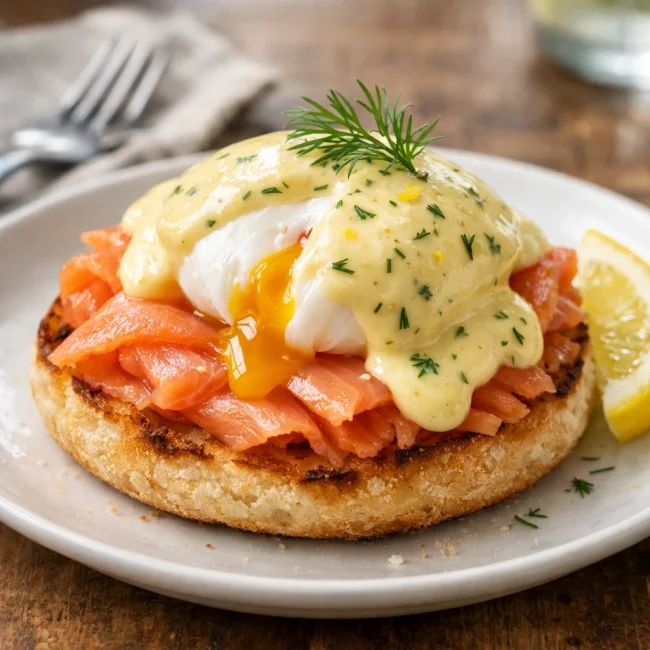
Smoked Salmon Benedict
A luxurious twist on the classic Eggs Benedict, featuring smoked salmon and a zest...
View Recipe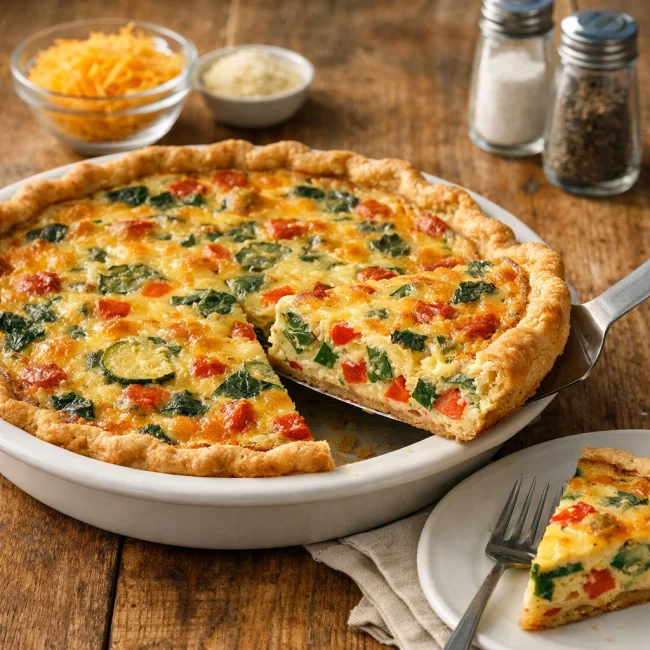
Savory Garden Veggie Quiche
A delightful and easy-to-make quiche filled with garden-fresh vegetables, perfect ...
View Recipe