
Heritage Slow Roasted Duck
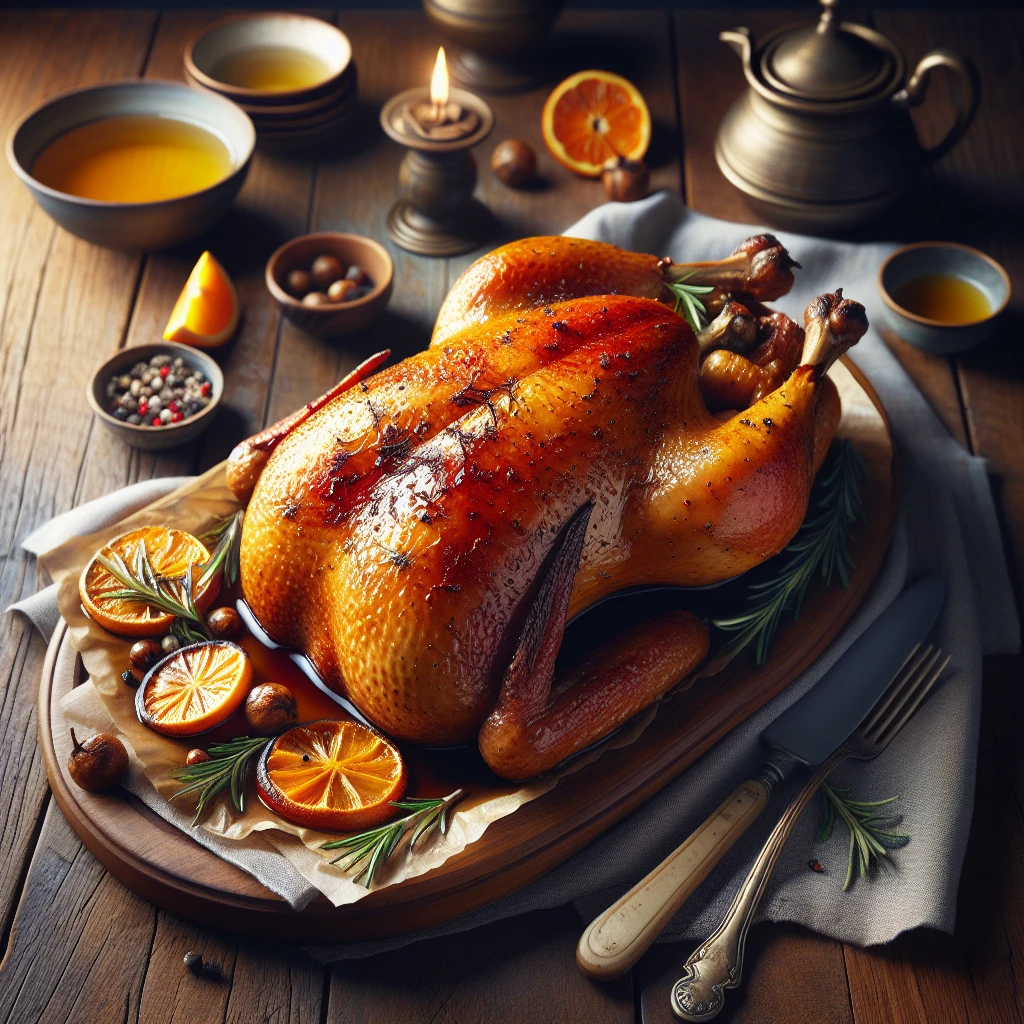
Heritage Slow Roasted Duck is a timeless dish that elevates any dinner gathering. This recipe combines simplicity with depth of flavor, making it perfect for those special occasions when you want to impress without the stress.
 Share
Share
This post may contain affiliate links. As an Amazon Associate, we earn from qualifying purchases.
Ingredients for Heritage Slow Roasted Duck
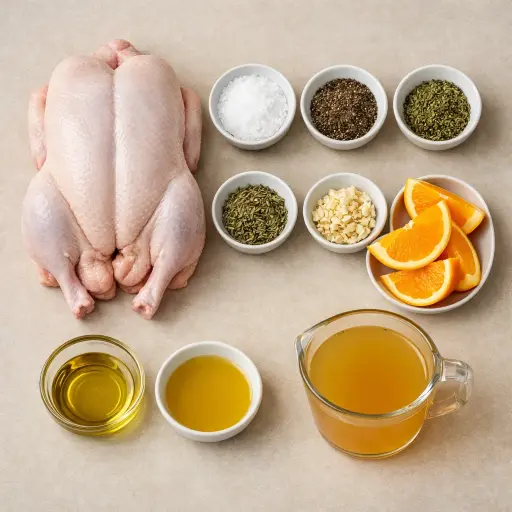
Duck is the star of this dish, offering rich, succulent meat that absorbs the flavors of its seasonings beautifully. Salt and black pepper are the basic seasonings, enhancing the duck's natural flavors. Thyme and rosemary add earthy, aromatic notes that complement the richness of the meat. The garlic infuses a warm, savory depth. Orange brings a hint of brightness and acidity, balancing the richness of the duck. Olive oil helps achieve that coveted crispy skin, and chicken broth keeps the meat moist during roasting.
Why This Heritage Slow Roasted Duck Works
In the oven at a low temperature, the duck cooks slowly, so the fat under the skin has time to melt and run out. As that fat drips away, the meat underneath stays moist instead of drying out. The chicken broth in the pan steams up around the duck and keeps the air in the pan a little humid, which also keeps the meat from tightening up too fast. While it roasts, the garlic and orange inside the cavity warm up and their juices spread through the duck from the inside.
Over a few hours, the skin dries out while the meat finishes cooking. By the time the heat is turned up at the end, the skin is already rendered and thin, so it can crisp instead of burning. The olive oil on the outside gives the skin an even coat, so it browns in spots instead of staying pale. After roasting, the rest time lets the hot juices settle back into the meat, so the slices stay juicy instead of leaking all over the cutting board.
Heritage Slow Roasted Duck Tips & Tricks
- Use a sharp knife for carving to ensure clean cuts without tearing the skin.
- If you have time, let the seasoned duck sit uncovered in the fridge for a few hours before roasting to dry the skin further.
- Save the rendered duck fat for cooking potatoes or vegetables; it adds incredible flavor.
Mistakes To Avoid
Letting the duck go into the oven still damp from rinsing or not drying it well means the skin steams instead of roasting. The moisture on the surface keeps the fat from rendering properly, so the skin stays soft and rubbery instead of crisping up in the last high-heat blast.
Roasting at a higher temperature from the start, or cutting the time short, often leaves the thick parts of the duck undercooked while the outside turns dark and tough. The fat under the skin doesn’t have time to slowly melt out, so the meat sits in a thick layer of unrendered fat and feels greasy rather than tender.
Skipping the roasting rack and setting the duck straight in the broth causes the bottom to sit in liquid the whole time. The submerged part boils instead of roasts, so the skin on the underside turns pale and soggy and the texture is uneven from top to bottom.
Carving right away without the 15-minute rest lets the hot juices rush out onto the board. The meat then tastes dry and stringy, even though it was cooked slowly.
Equipment Used:
Ingredients
- 1 whole duck (5 to 6 lbs)
- Salt (2 tablespoons)
- Black pepper (1 tablespoon)
- Thyme (1 teaspoon)
- Rosemary (1 teaspoon)
- 4 cloves garlic, minced
- 1 orange, quartered
- 2 tablespoons olive oil
- 1 cup chicken broth
Step-by-step Instructions
- 1. Preheat your oven to 300°F (150°C).
- 2. Pat the duck dry with paper towels and season generously with salt, pepper, thyme, and rosemary both inside and out.
- 3. Stuff the cavity with minced garlic and orange quarters.
- 4. Brush the duck with olive oil for added crispiness.
- 5. Place the duck on a roasting rack in a deep roasting pan.
- 6. Pour chicken broth into the pan to maintain moisture.
- 7. Roast the duck for 3.5 to 4 hours, basting occasionally with the pan juices.
- 8. Increase the oven temperature to 375°F (190°C) for the last 20 minutes to ensure crispy skin.
- 9. Let the duck rest for 15 minutes before carving.
Trending Now
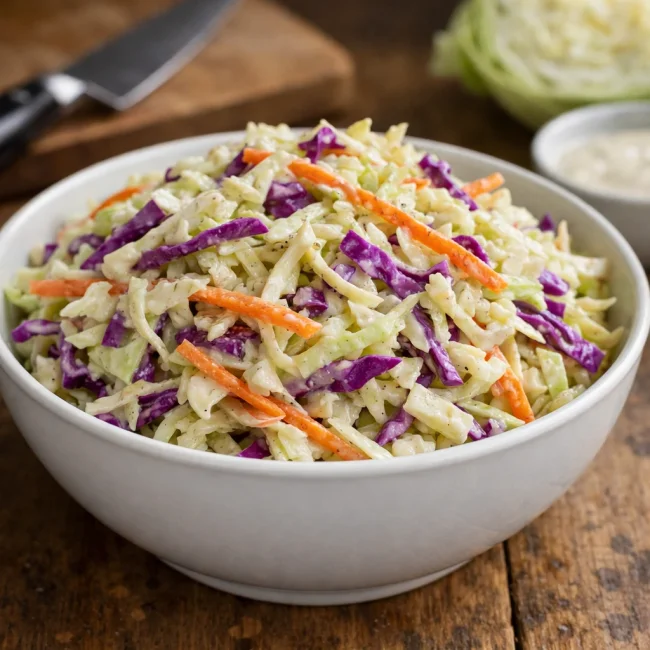
Traditional Crisp Coleslaw
A classic coleslaw recipe featuring finely shredded cabbage and carrots tossed in ...
View Recipe
Traditional Italian Bruschetta
Experience the authentic taste of Italian bruschetta, a perfect blend of fresh tom...
View Recipe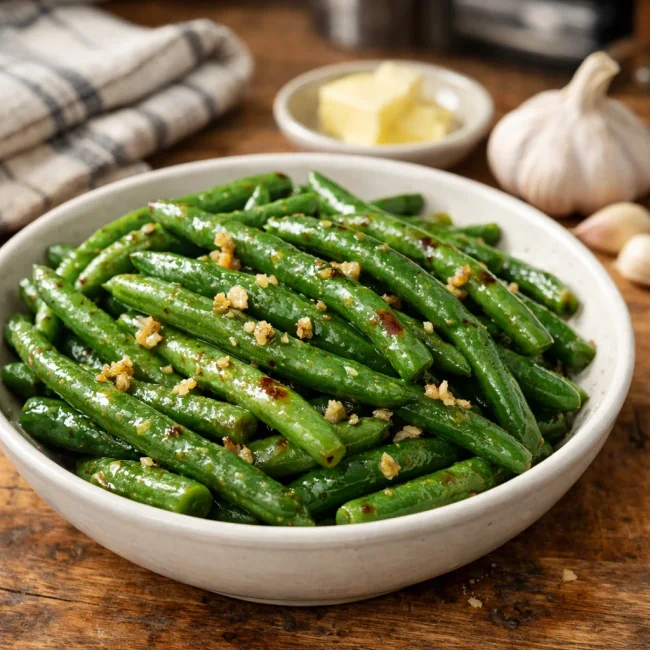
Classic Green Beans
Discover the timeless delight of Classic Green Beans, a simple yet flavorful side ...
View Recipe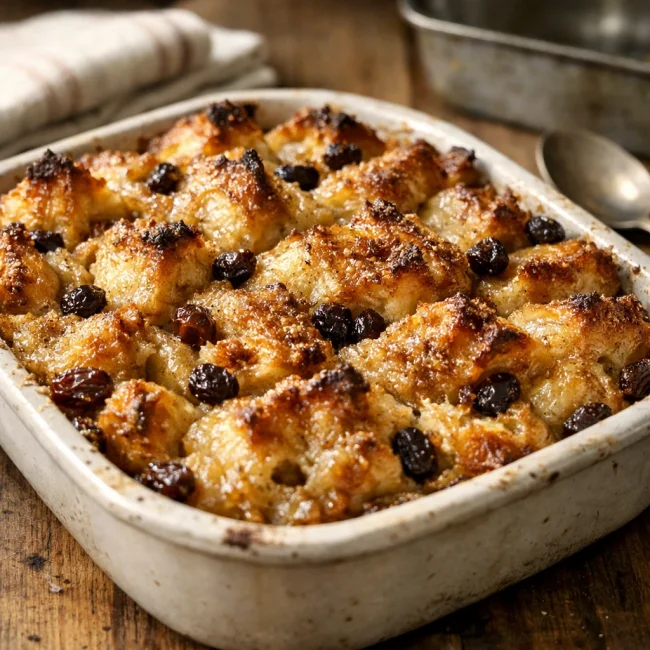
Old-Fashioned Bread Pudding
Discover the classic charm of Old-Fashioned Bread Pudding - a timeless dessert com...
View RecipeFrequently Asked Questions
- Can I use a different citrus fruit instead of orange?
- Yes, lemon or even grapefruit can provide a different but equally delicious flavor profile.
- What if I don’t have a roasting rack?
- You can improvise by placing the duck on a bed of thickly sliced onions or carrots.
Serving Ideas for Heritage Slow Roasted Duck
This roasted duck pairs beautifully with a side of roasted root vegetables or a simple green salad dressed with a citrus vinaigrette. A glass of Pinot Noir or a full-bodied white wine like Chardonnay complements the dish wonderfully.
More Roasting Recipes
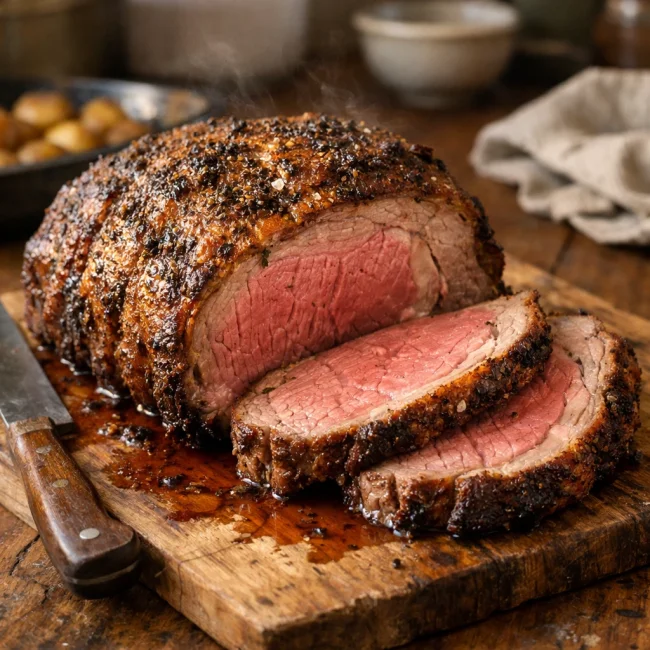
Classic Rib Eye Roast
A timeless rib eye roast recipe that delivers a succulent, flavorful dish perfect ...
View Recipe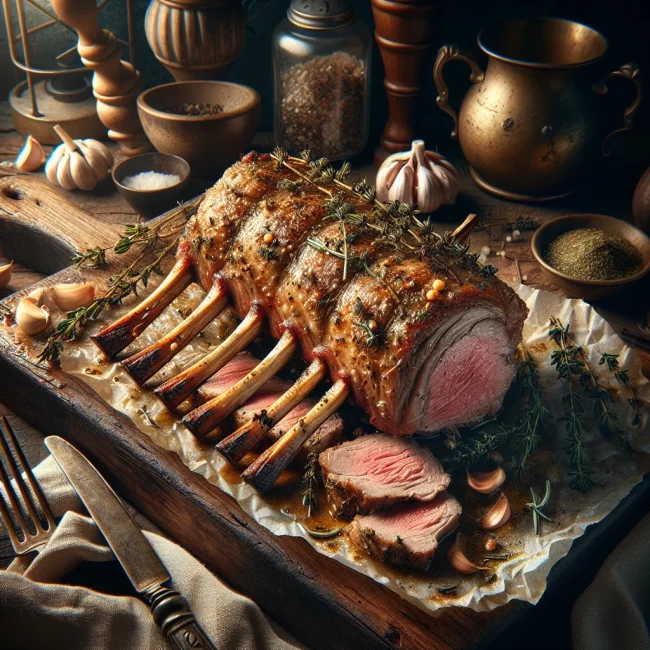
Traditional Roast Rack of Lamb
Savor the timeless delight of a perfectly roasted rack of lamb, infused with garli...
View Recipe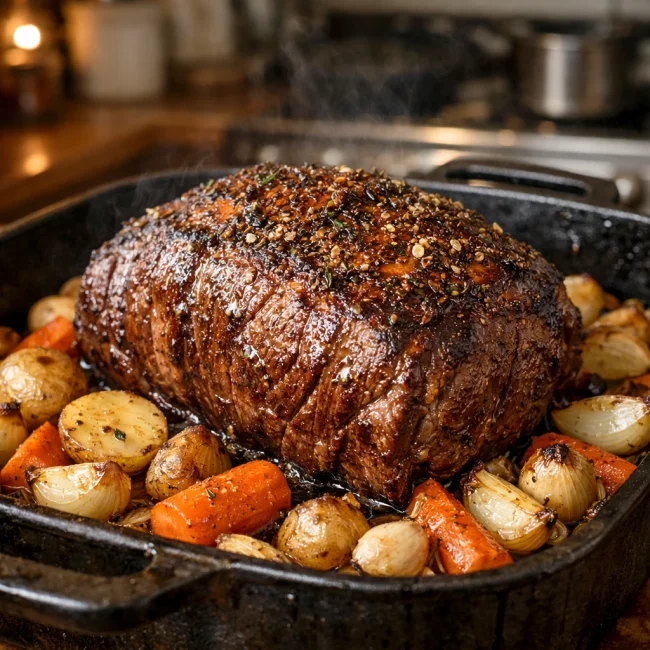
Traditional Oven Roast
A timeless oven roast recipe perfect for family gatherings, featuring tender beef,...
View Recipe
Traditional Chuck Roast
Discover the rich and hearty flavors of our Traditional Chuck Roast, perfect for a...
View Recipe