
Heritage Roast Loin of Pork
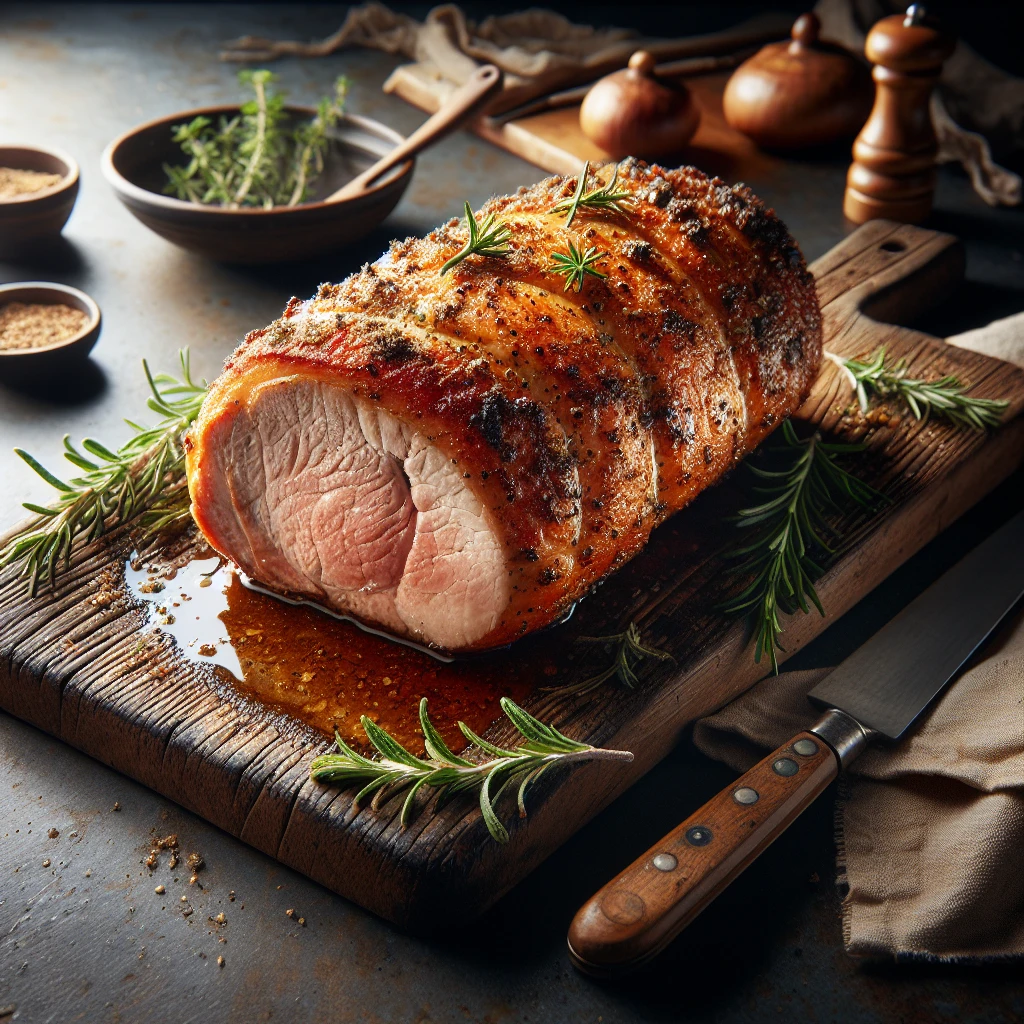
This Heritage Roast Loin of Pork is a timeless classic that combines traditional flavors with a straightforward cooking method. It's the perfect centerpiece for any gathering, offering a rich, savory taste that speaks to its roots.
 Share
Share
This post may contain affiliate links. As an Amazon Associate, we earn from qualifying purchases.
Ingredients for Heritage Roast Loin of Pork
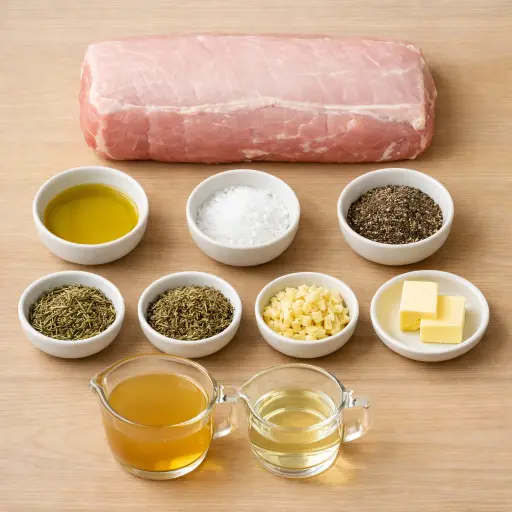
Pork loin serves as the star of the dish, providing a tender and juicy foundation. The olive oil helps the spices adhere and adds a touch of richness. A mix of sea salt, black pepper, rosemary, and thyme brings out the savory flavors of the pork. Garlic adds a pungent depth, while chicken broth and white wine keep the roast moist and enhance the aroma. Finally, butter is used to create a luxurious sauce from the pan juices.
Why This Heritage Roast Loin of Pork Works
In the oven, the pork loin slowly warms all the way through, so the inside cooks gently instead of drying out. The olive oil and fat on the outside start to sizzle and brown, which gives the roast a nice crust. That crust acts like a thin shell, so the juices stay mostly inside the meat instead of running out into the pan. While it roasts, the salt, pepper, garlic, rosemary, and thyme on the surface stick to that crust and form a tasty, slightly crisp layer.
As the pork cooks, the chicken broth and white wine in the pan heat up and steam. That steam keeps the air around the roast moist, so the outside doesn’t go tough. Basting with those pan juices every so often keeps the surface wet and glossy and spreads the garlic and herbs around. After the roast comes out, resting it on the counter lets the hot juices settle back into the meat, so the slices stay juicy. The butter and pan juices on the stove then cook down into a simple sauce that clings to each slice.
Heritage Roast Loin of Pork Tips & Tricks
- Use a digital meat thermometer for precise cooking — it's more reliable than guesswork.
- Letting the pork rest is key to juicy slices; don't skip this step!
- If you prefer a stronger herb flavor, consider using fresh herbs instead of dried ones.
- For a slightly different flavor profile, substitute red wine for the white wine.
Mistakes To Avoid
Letting the pork roast way past 145°F makes the loin turn tough and dry. The lean meat squeezes out its juices in the hot oven, so even with broth and wine in the pan, the slices end up chalky and hard to chew instead of moist.
Pulling the roast from the oven before it reaches a safe internal temperature leaves the center undercooked. The outside looks nicely browned, but the middle stays soft, slightly translucent, and can leak pink, watery juices when sliced.
Skipping the 15-minute resting time causes a lot of the juices to rush out onto the cutting board. The meat looks fine at first, but the slices quickly turn dry and pale because the liquid never has a chance to settle back into the roast.
Pouring the broth and wine over the top of the pork instead of into the pan washes off the salt, herbs, and garlic rub. The surface then roasts almost bare, so the outside doesn’t form a good crust and the seasoning ends up weak and uneven.
Equipment Used:
Ingredients
- 4 lbs pork loin
- 2 tbsp olive oil
- 1 tbsp sea salt
- 1 tbsp freshly ground black pepper
- 2 tsp dried rosemary
- 2 tsp dried thyme
- 6 cloves garlic, minced
- 1 cup chicken broth
- 1/2 cup white wine
- 2 tbsp butter
Step-by-step Instructions
- 1. Preheat your oven to 375°F (190°C).
- 2. Rub the pork loin with olive oil to coat evenly.
- 3. In a small bowl, mix sea salt, black pepper, rosemary, thyme, and minced garlic. Rub this mixture all over the pork loin.
- 4. Place the pork loin in a roasting pan and pour the chicken broth and white wine into the bottom of the pan.
- 5. Roast in the preheated oven for about 1 hour and 30 minutes, or until the internal temperature reaches 145°F (63°C). Baste the meat with the pan juices every 30 minutes.
- 6. Remove from oven and let the pork rest for 15 minutes before slicing.
- 7. Melt butter in a pan, add pan juices and reduce to make a simple sauce to serve.
Trending Now
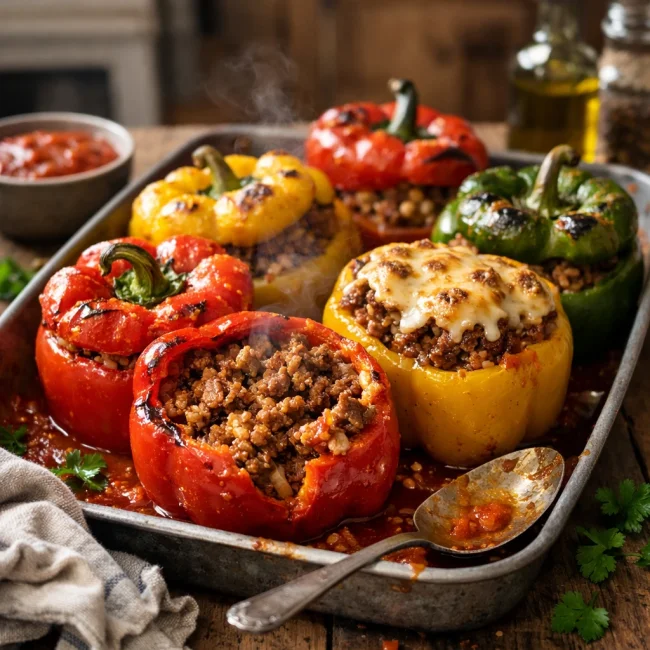
Traditional Stuffed Peppers
Explore the delightful blend of seasoned beef, rice, and tomato sauce nestled in v...
View Recipe
Traditional Lemon Pound Cake
A delightful and moist traditional lemon pound cake infused with the fresh zest an...
View Recipe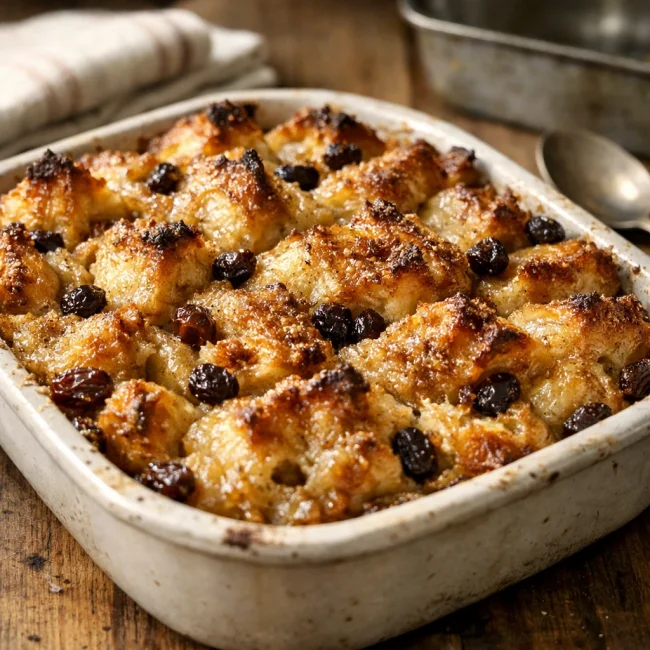
Old-Fashioned Bread Pudding
Discover the classic charm of Old-Fashioned Bread Pudding - a timeless dessert com...
View Recipe
Classic Sloppy Joes
Bring back childhood memories with these hearty and savory sloppy joes. Made with ...
View RecipeFrequently Asked Questions
- Can I use a different cut of pork?
- Yes, a pork shoulder could work, but the cooking time will vary. Ensure it reaches the proper internal temperature.
- Is it necessary to baste the pork?
- Basting helps keep the meat juicy, but if you're pressed for time, it can be skipped. Just be sure to monitor the moisture level.
- Can I make this recipe ahead of time?
- You can prepare and season the pork in advance, but for best results, roast it fresh just before serving.
Serving Ideas for Heritage Roast Loin of Pork
This roast pairs beautifully with roasted root vegetables like carrots and parsnips, or a creamy mashed potato. A crisp, green salad with a light vinaigrette can balance the richness of the pork. For a more festive touch, serve with homemade apple or cranberry sauce.
More Roasting Recipes
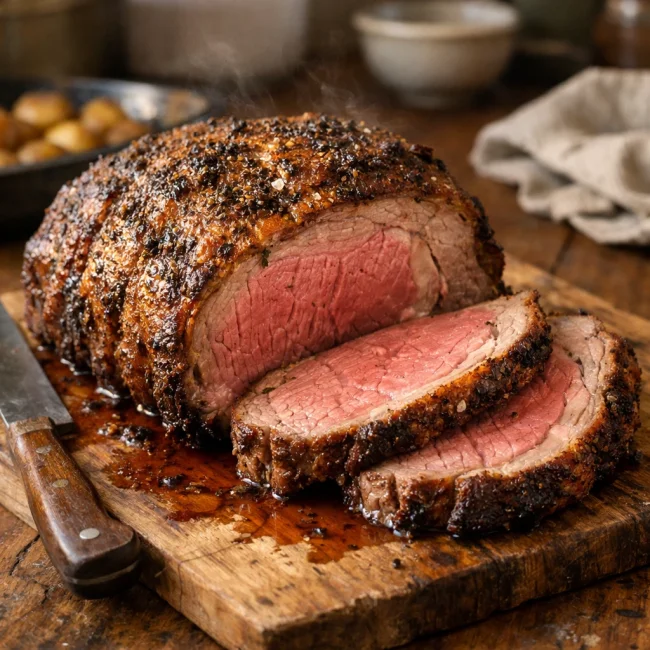
Classic Rib Eye Roast
A timeless rib eye roast recipe that delivers a succulent, flavorful dish perfect ...
View Recipe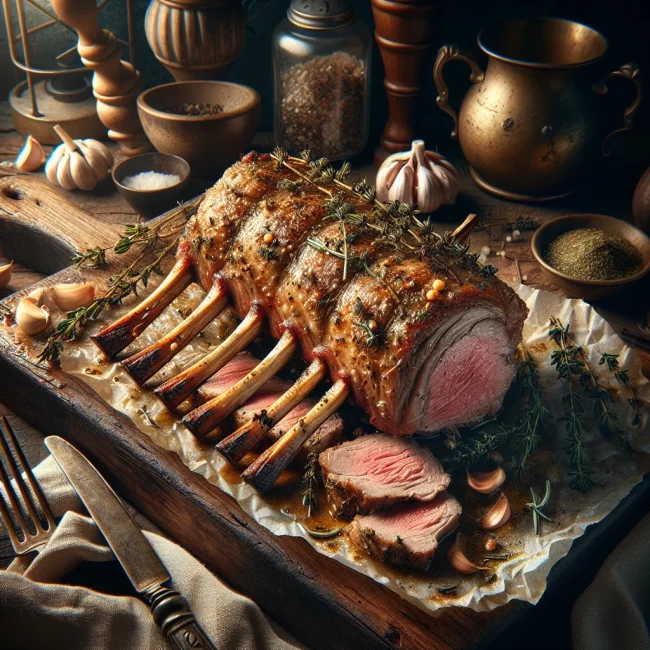
Traditional Roast Rack of Lamb
Savor the timeless delight of a perfectly roasted rack of lamb, infused with garli...
View Recipe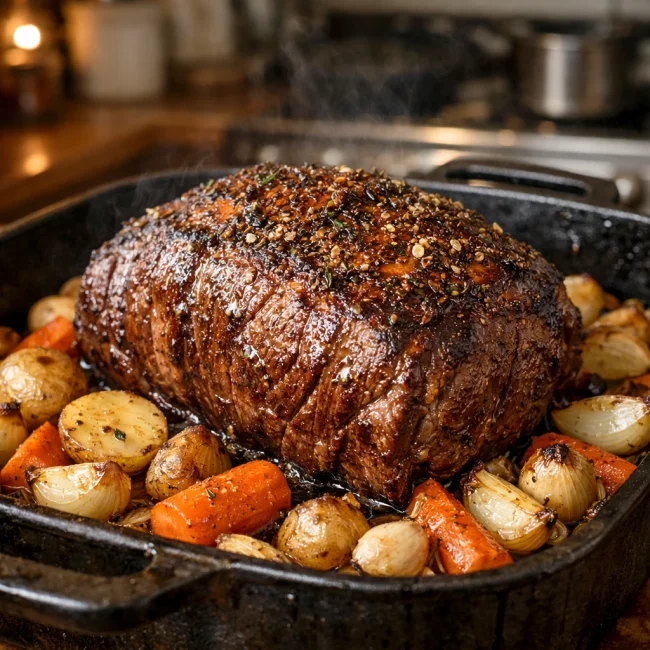
Traditional Oven Roast
A timeless oven roast recipe perfect for family gatherings, featuring tender beef,...
View Recipe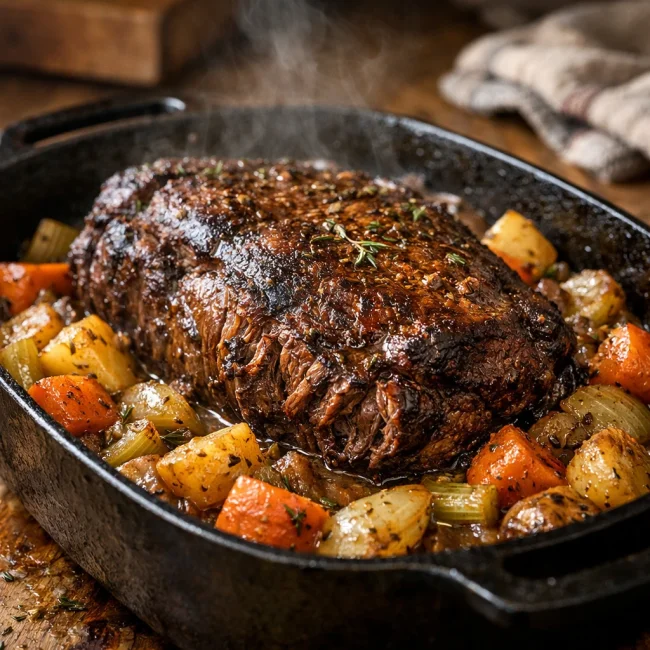
Traditional Chuck Roast
Discover the rich and hearty flavors of our Traditional Chuck Roast, perfect for a...
View Recipe