
Heritage Pork Tenderloin
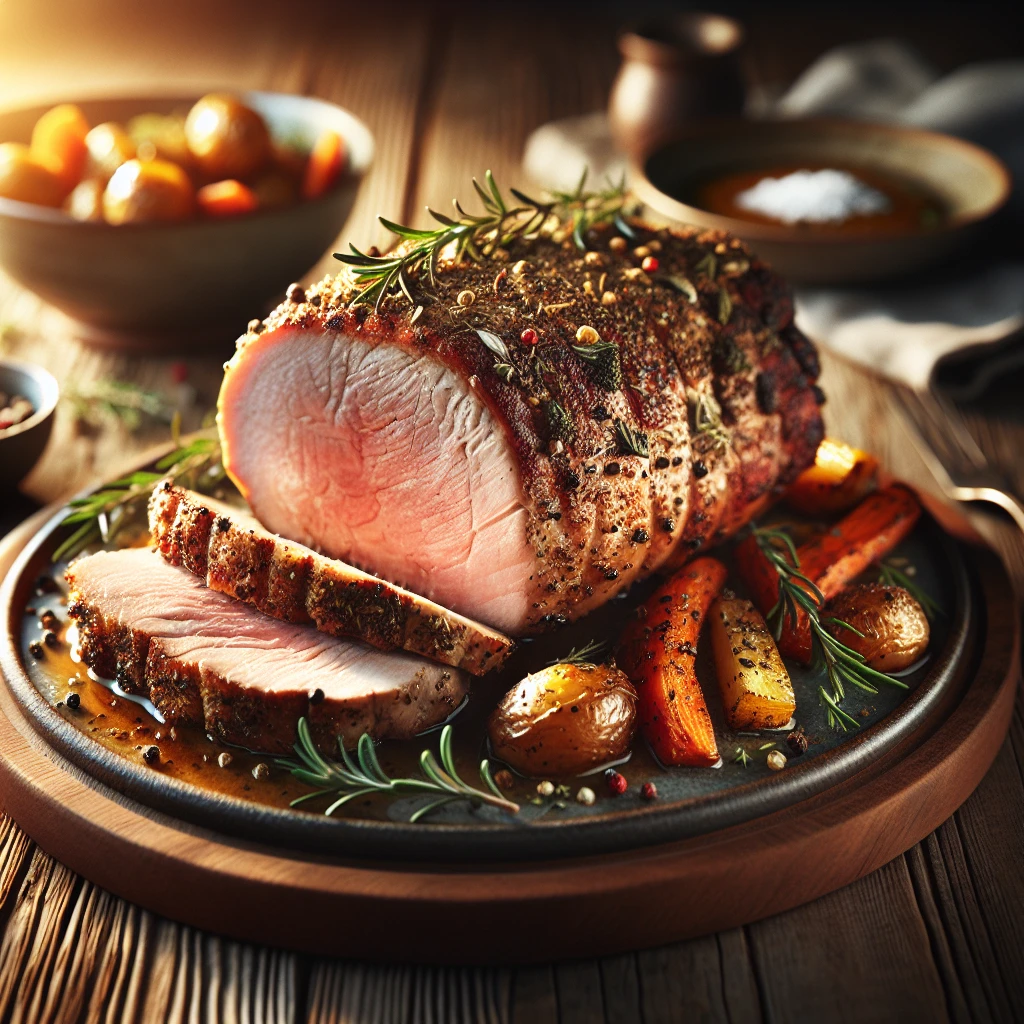
Welcome to a delightful journey with Heritage Pork Tenderloin — a dish that combines classic flavors with a touch of elegance. Perfect for family dinners or special occasions, this recipe is all about bringing out the natural richness of pork.
 Share
Share
This post may contain affiliate links. As an Amazon Associate, we earn from qualifying purchases.
Ingredients for Heritage Pork Tenderloin
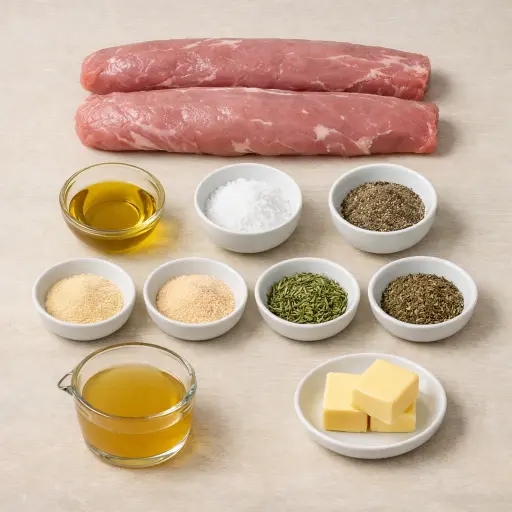
Pork tenderloin is the star of the show, offering a tender and lean cut that cooks relatively quickly. The olive oil helps in creating that perfect sear and locks in moisture. A sprinkle of salt and black pepper enhances the natural flavors of the pork. The combination of garlic powder and onion powder adds a savory depth, while dried rosemary and dried thyme introduce a touch of earthy aroma. Chicken broth keeps the meat moist as it roasts, and unsalted butter melted over the top at the end adds a luxurious finish.
Why This Heritage Pork Tenderloin Works
As the pork tenderloin sears in the hot skillet, the outside browns and forms a thin crust. That crust keeps the juices inside while the meat finishes in the oven. The quick sear also tightens the surface a bit, so the tenderloin holds its shape instead of drying out or falling apart at the ends.
In the oven, the chicken broth in the pan steams around the pork. That moist heat keeps the outside from drying while the center slowly comes up to 145°F. At that temperature the meat cooks through but still stays slightly pink and juicy instead of going tough and gray. During this time, the salt and dried herbs on the outside sink a little deeper into the meat.
After roasting, the short rest lets the hot juices settle back through the tenderloin instead of running out on the cutting board. Finally, the warm butter from the skillet coats each slice, adding a soft, silky layer on the outside so every bite stays moist.
Heritage Pork Tenderloin Tips & Tricks
- Let the pork come to room temperature before cooking for more even cooking.
- Use a meat thermometer to avoid overcooking and drying out the tenderloin.
- If you don't have chicken broth, vegetable broth works as a substitute.
- Sear the pork in batches if your skillet is small, to avoid overcrowding.
Mistakes To Avoid
Letting the pork roast until “it looks done” instead of checking for 145°F often dries it out. The outside keeps cooking and tightening while the center passes the juicy stage, so the slices turn out tough and a little chalky instead of tender.
Skipping the sear in the skillet leaves the tenderloin pale and a bit rubbery on the outside. Without that quick browning, the surface doesn’t firm up, so the meat can feel soft and steamed rather than having a slight crust.
Pouring in way more broth than listed turns the roasting pan into a shallow boil. The pork then sits in hot liquid instead of roasting, so the outside doesn’t stay browned and the texture leans more toward poached meat.
Cutting into the tenderloin right out of the oven, without the short rest, sends the juices running all over the board. The inside then looks dry and fibrous, even though it was cooked correctly.
Equipment Used:
Ingredients
- 2 lbs pork tenderloin
- 2 tbsp olive oil
- 1 tsp salt
- 1/2 tsp black pepper
- 1 tsp garlic powder
- 1 tsp onion powder
- 1 tsp dried rosemary
- 1 tsp dried thyme
- 1/2 cup chicken broth
- 2 tbsp unsalted butter
Step-by-step Instructions
- 1. Preheat your oven to 400°F (200°C).
- 2. Rub the pork tenderloin with olive oil, salt, pepper, garlic powder, onion powder, rosemary, and thyme.
- 3. Heat a skillet over medium-high heat and sear the tenderloin on all sides until golden brown, about 3 minutes per side.
- 4. Transfer the tenderloin to a roasting pan and pour chicken broth over it.
- 5. Roast in the oven for 25-30 minutes or until the internal temperature reaches 145°F (63°C).
- 6. Remove from the oven and let it rest for 5 minutes before slicing.
- 7. Melt butter in the skillet used for searing and drizzle over sliced tenderloin before serving.
Trending Now
Golden Fried Yellow Squash
Experience the delightful taste of golden fried yellow squash, a quintessential So...
View Recipe
Homemade Apple Pie
Classic homemade apple pie with a buttery crust and cinnamon-spiced filling, perfe...
View Recipe
Traditional Whipped Cream Frosting
A rich and creamy whipped cream frosting perfect for topping cakes, cupcakes, and ...
View Recipe
Moist Banana Loaf
Discover the timeless charm of our Moist Banana Loaf, a luscious and tender treat ...
View RecipeFrequently Asked Questions
- Can I use fresh herbs instead of dried?
- Absolutely! Fresh herbs have a more vibrant flavor. Use about three times the amount of fresh herbs compared to dried.
- How do I store leftovers?
- Store any leftovers in an airtight container in the refrigerator for up to 3 days. Reheat gently to avoid drying out the pork.
- Is it necessary to let the pork rest before slicing?
- Yes, resting is important to allow the juices to redistribute, ensuring each slice is juicy and tender.
Serving Ideas for Heritage Pork Tenderloin
This pork tenderloin pairs beautifully with roasted vegetables like carrots or Brussels sprouts. A simple green salad with a light vinaigrette can also balance the richness of the dish. For a heartier meal, serve alongside creamy mashed potatoes or a wild rice pilaf.
More Roasting, Main Dishes, American Recipes
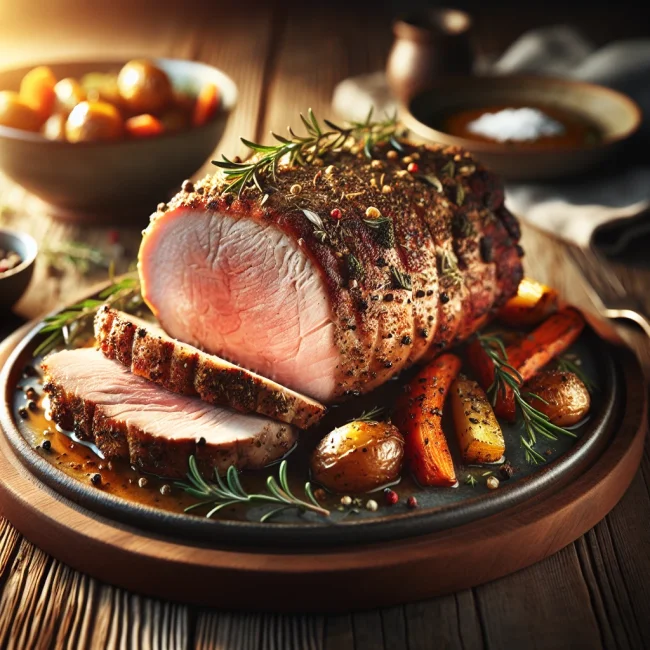
Heritage Pork Tenderloin
Discover the exquisite flavors of our Heritage Pork Tenderloin, a timeless classic...
View Recipe