
Heritage Lemon Chicken
Heritage Lemon Chicken is a comforting dish that marries simplicity with flavor, perfect for a family gathering or a quiet dinner at home. With juicy, tender meat infused with citrus and herbs, it’s a timeless recipe that brings a touch of sunshine to any table.
 Share
Share

This post may contain affiliate links. As an Amazon Associate, we earn from qualifying purchases.
Ingredients for Heritage Lemon Chicken
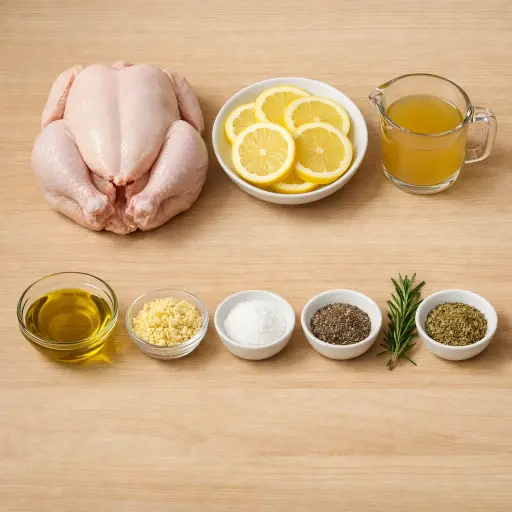
The star of the show is a whole chicken, which provides a beautiful canvas for the flavors. Fresh lemons bring a zesty brightness that cuts through the richness of the chicken. A generous drizzle of olive oil ensures the skin crisps up beautifully in the oven. The chicken broth adds depth and keeps everything moist. With garlic, salt, and black pepper, you get a savory base, while fresh rosemary and dried oregano bring an earthy, aromatic touch.
Why This Heritage Lemon Chicken Works
In the oven, the whole chicken cooks slowly and stays surrounded by its own juices and the chicken broth in the pan. As the fat under the skin warms up, it melts and runs over the meat, so the outside browns while the inside stays moist. The olive oil on the skin also keeps it from drying out too fast, so the skin can crisp while the meat has time to cook through.
Inside the cavity, the lemon slices and rosemary heat up and steam. That hot steam moves around inside the chicken and keeps the breast meat from drying out as quickly. At the same time, the lemon juice and salt work their way into the meat near the surface, so those bites stay juicy and well seasoned.
During the rest at the end, the hot juices inside the chicken settle down and spread back through the meat. Instead of running out on the cutting board, more of that liquid stays in each slice, so the chicken comes out tender and not stringy.
Heritage Lemon Chicken Tips & Tricks
- Let the chicken come to room temperature before roasting for even cooking.
- If you don't have a thermometer, cut into the thickest part of the thigh; the juices should run clear.
- Use a spoon to baste — it’s easier to control and reach the juices at the bottom of the pan.
Mistakes To Avoid
Letting the chicken roast by time only and not checking the internal temperature often leaves it undercooked near the bone or dried out in the breast. The outside can look nicely browned while the thickest part of the thigh is still pink, or the breast meat turns stringy and tough. The result is a bird that is either unsafe to eat or unpleasantly dry.
Pouring the broth directly over the chicken instead of around the base of the pan washes off the salt, pepper, and oregano. During roasting, the skin then turns out pale and soft instead of crisp, and the seasoning ends up diluted in the pan juices instead of staying on the surface. The final chicken tastes flat and the skin lacks that roasted, slightly firm bite.
Skipping the resting time after roasting causes the juices inside the chicken to rush out as soon as it is carved. The meat then looks wet on the cutting board but turns dry and slightly fibrous on the plate. Slices lose their tenderness and the pan juices feel thinner and less rich.
Equipment Used:
Ingredients
- 1 whole chicken (approximately 4 lbs)
- 2 lemons, sliced
- 1/4 cup olive oil
- 1/2 cup chicken broth
- 4 cloves garlic, minced
- 1 tsp salt
- 1/2 tsp black pepper
- 2 sprigs fresh rosemary
- 1 tsp dried oregano
Step-by-step Instructions
- 1. Preheat the oven to 375°F (190°C).
- 2. Place chicken in a roasting pan and drizzle with olive oil, rubbing it to coat evenly.
- 3. Season the chicken with salt, pepper, and oregano, ensuring even distribution.
- 4. Insert lemon slices and rosemary sprigs inside the cavity of the chicken.
- 5. Pour the chicken broth around the base of the pan.
- 6. Roast in the preheated oven for about 90 minutes, basting occasionally, until the chicken reaches an internal temperature of 165°F (74°C).
- 7. Let it rest for 10 minutes before carving.
Trending Now
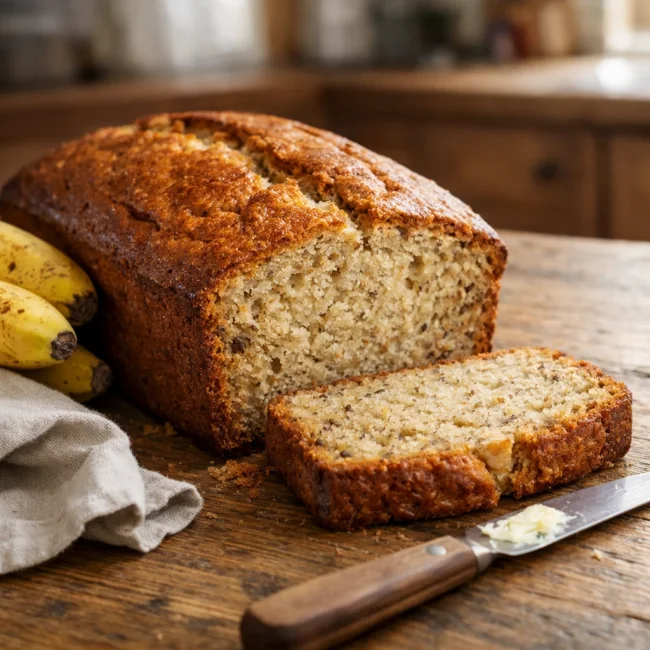
Classic Banana Bread
Classic Banana Bread is a timeless dessert beloved for its moist texture and sweet...
View Recipe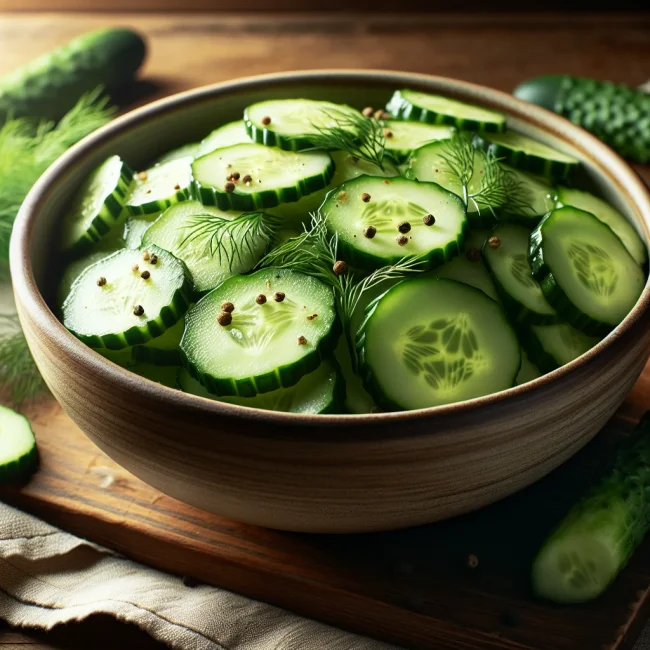
Classic Cucumber Salad
A refreshing and light cucumber salad featuring crisp cucumbers and a tangy vinaig...
View Recipe
Zesty Summer Squash Casserole
This delightful summer squash casserole combines vibrant garden-fresh vegetables w...
View Recipe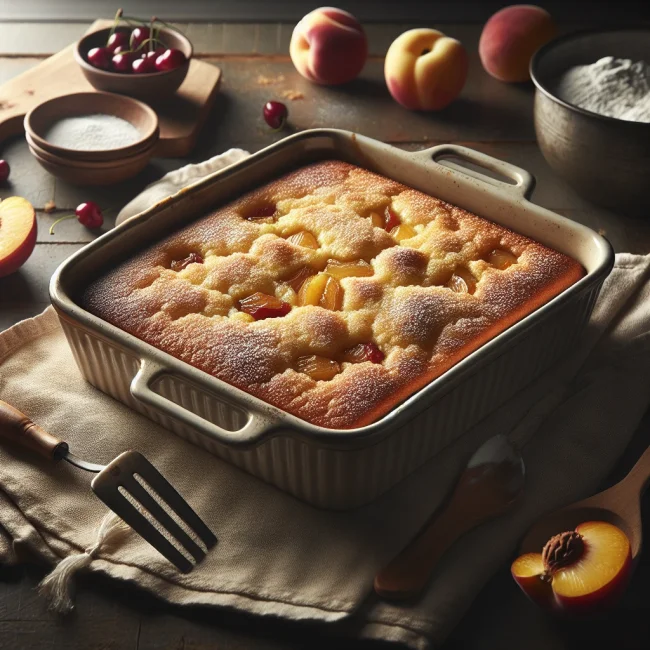
Traditional Dump Cake
Discover the timeless delight of the Traditional Dump Cake, a simple and scrumptio...
View RecipeFrequently Asked Questions
- Can I use boneless chicken pieces instead?
- Yes, but adjust the cooking time accordingly. Boneless pieces will cook more quickly.
- What can I use instead of rosemary?
- Thyme or sage would be great alternatives, offering a slightly different but equally delicious aroma.
Serving Ideas for Heritage Lemon Chicken
This chicken pairs beautifully with a simple green salad dressed with a lemon vinaigrette, or serve it alongside roasted root vegetables for a cozy meal. A side of mashed potatoes or crusty bread is perfect for soaking up the flavorful pan juices.
More Main Dishes Recipes
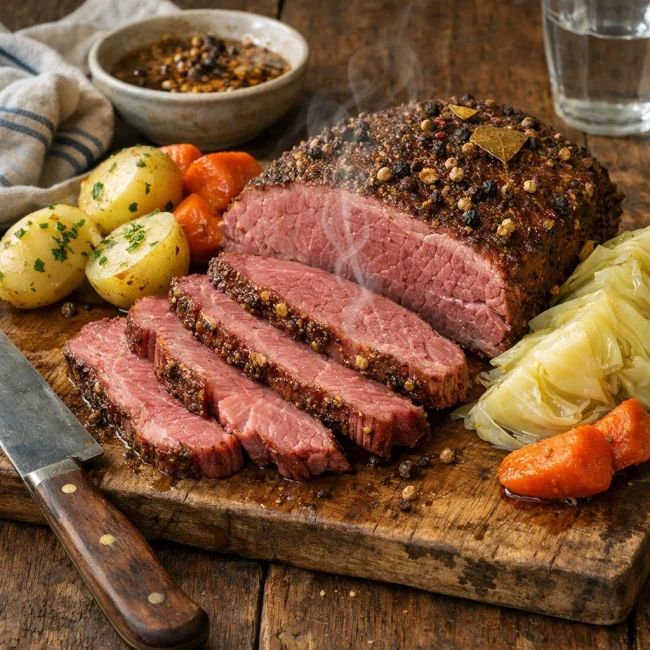
Unique Homemade Corned Beef
Discover the ultimate homemade corned beef recipe that balances rich flavors and t...
View Recipe
Spicy Lime Seared Ahi Tuna
Experience a burst of flavor with our Spicy Lime Seared Ahi Tuna, a perfect fusion...
View Recipe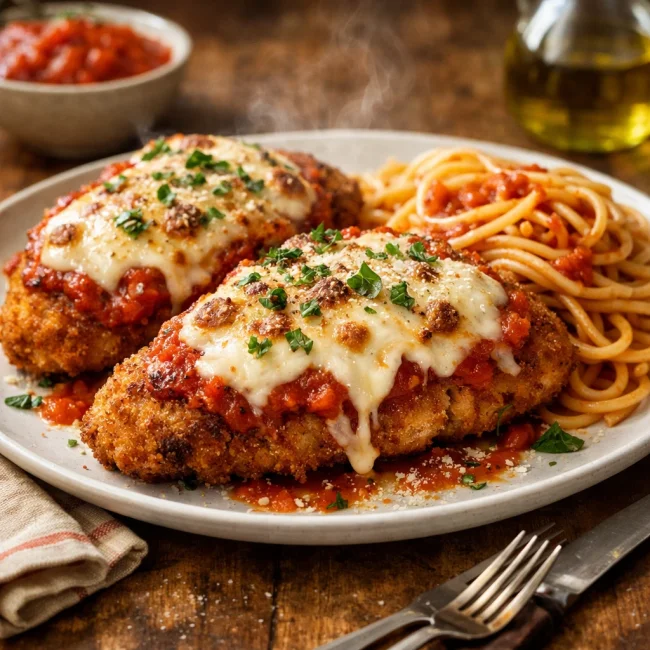
Traditional Chicken Parmesan
Savor the authentic taste of Italian cuisine with our Traditional Chicken Parmesan...
View Recipe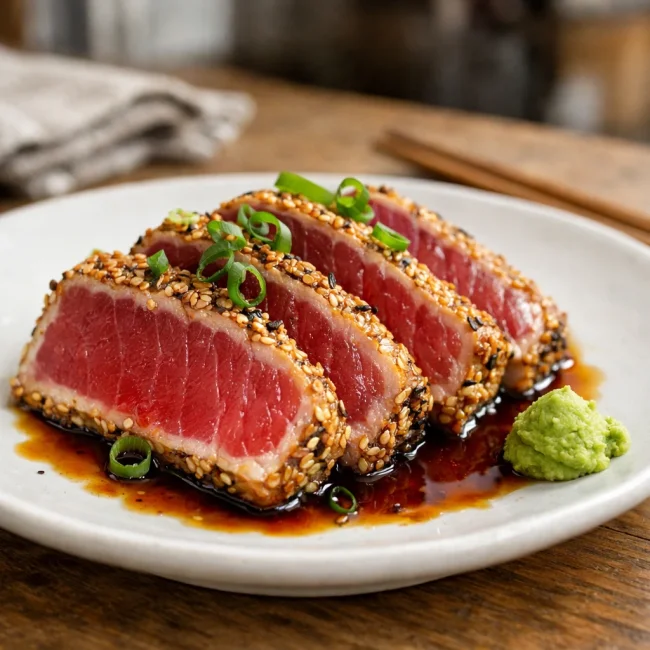
Seared Ahi Tuna
Experience the sublime taste of seared Ahi tuna, a Japanese-inspired dish that hig...
View Recipe