
Heritage Gluten-Free Flour Blend
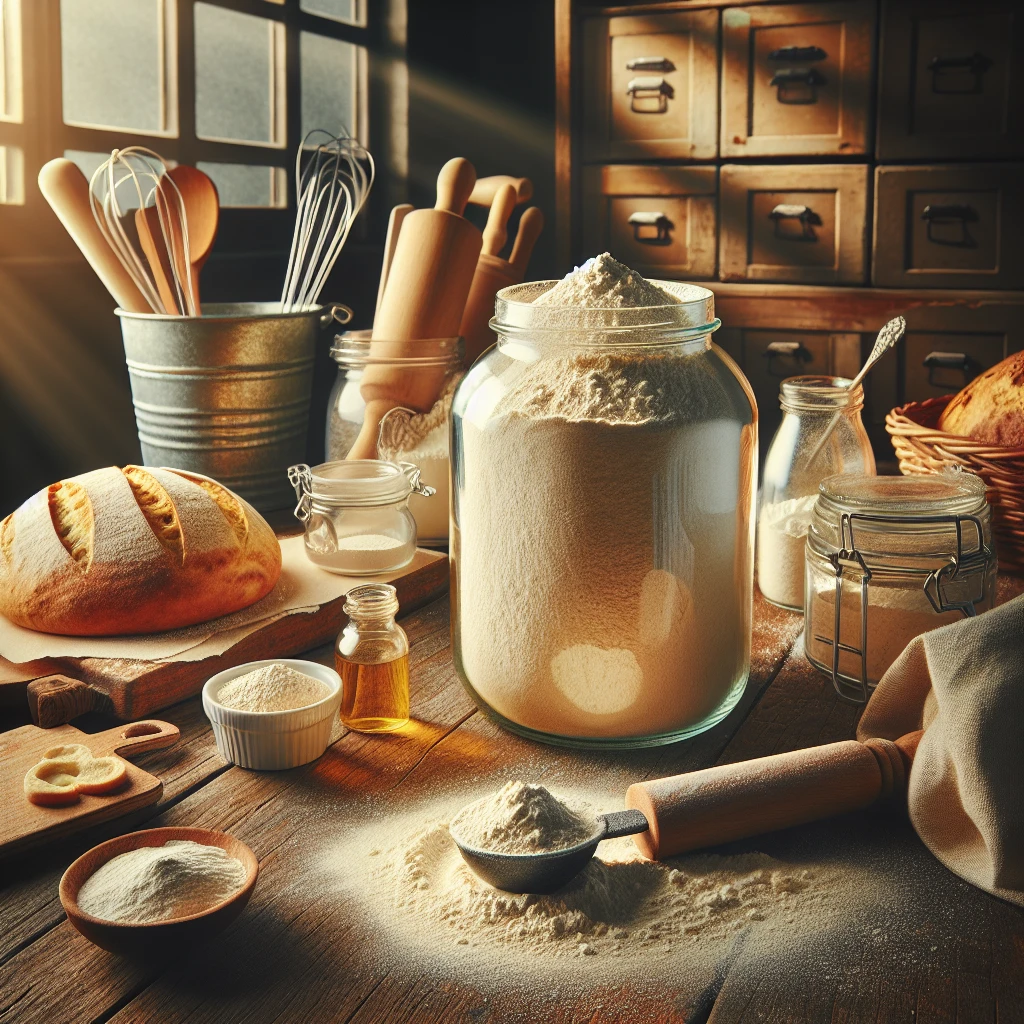
This Heritage Gluten-Free Flour Blend is a game-changer for anyone navigating the world of gluten-free baking. Perfect for cookies, cakes, and more, this blend promises texture and taste that rivals any traditional flour mix.
 Share
Share
This post may contain affiliate links. As an Amazon Associate, we earn from qualifying purchases.
Ingredients for Heritage Gluten-Free Flour Blend
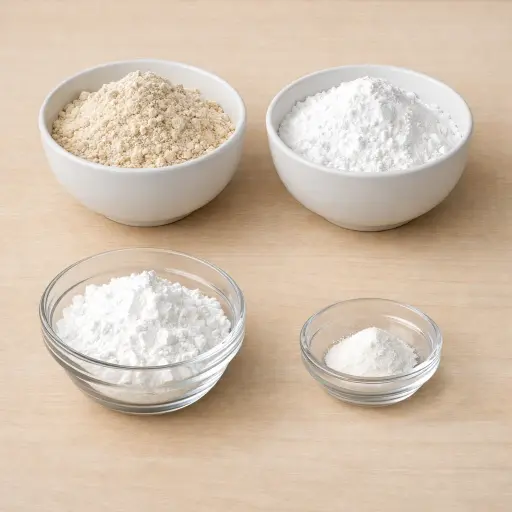
Brown rice flour is the backbone of our blend, providing a mild, nutty flavor and hearty texture. It's naturally gluten-free and packed with fiber, making it a healthier alternative to wheat flour.
Tapioca starch adds a light, chewy texture to baked goods, helping them rise and hold their shape. This starch is a great way to mimic the elasticity that gluten provides.
Potato starch is all about moisture retention. It keeps your baked goods from drying out, ensuring they stay soft and fresh longer.
Xanthan gum acts as a binding agent, replacing the sticky nature of gluten and helping different components of the flour blend work together seamlessly.
Why This Heritage Gluten-Free Flour Blend Works
Brown rice flour brings the “body” to this blend, but on its own it can bake up dry and crumbly. Once tapioca starch goes in, the mix starts to act more like wheat flour. Tapioca gives stretch and a bit of chew, so doughs and batters don’t snap and break as easily. Potato starch adds a light, soft feel, so baked goods don’t turn out heavy or gritty. Together, these three dry parts balance each other out: one is sturdy, one is stretchy, and one is tender.
When xanthan gum is whisked in and spread evenly through the blend, it acts like the missing gluten. As batters bake, the xanthan gum swells and forms a light web that holds air and moisture in place. Cakes and breads rise and stay up instead of sinking or crumbling. By mixing everything very well before storing, every scoop of the blend behaves the same way, so each batch bakes with a steady texture.
Heritage Gluten-Free Flour Blend Tips & Tricks
- Use a scale for more accurate measurements, as gluten-free baking requires precision.
- If you're sensitive to xanthan gum, try guar gum as an alternative.
- Shake the container before each use to ensure even distribution of ingredients.
Mistakes To Avoid
Using the wrong type of rice flour easily throws this blend off. Brown rice flour has more body and a slightly coarser grind; swapping in white rice flour or a superfine rice flour makes the mix lighter and more powdery, so baked goods can turn out crumbly and fragile instead of holding together.
Skipping the xanthan gum leaves the blend acting more like plain starch and rice flour. Without that small amount of binder, doughs and batters made from this mix tend to crack, spread too much, or fall apart once baked, because nothing is helping them stay elastic.
Uneven mixing of the starches and xanthan gum causes random pockets of texture. One scoop from the container might be mostly rice flour and bake up dense and dry, while another scoop is heavy on starch and xanthan gum and bakes up gummy or oddly stretchy.
Storing the blend in a container that is not fully airtight lets in moisture from the air. Over time the flour can clump, and those damp spots bake into hard lumps or streaks in cakes and breads instead of a smooth, even crumb.
Equipment Used:
Ingredients
- 2 cups brown rice flour
- 1 cup tapioca starch
- 1/2 cup potato starch
- 1 tsp xanthan gum
Step-by-step Instructions
- 1. In a large mixing bowl, combine the brown rice flour, tapioca starch, and potato starch.
- 2. Whisk together until the mixture is uniform and free of lumps.
- 3. Add the xanthan gum and whisk again to ensure even distribution.
- 4. Transfer the blended flour to an airtight container for storage.
Trending Now
Old-Fashioned Bread Pudding
Discover the classic charm of Old-Fashioned Bread Pudding - a timeless dessert com...
View Recipe
Traditional Italian Bruschetta
Experience the authentic taste of Italian bruschetta, a perfect blend of fresh tom...
View Recipe
Classic Banana Bread
Classic Banana Bread is a timeless dessert beloved for its moist texture and sweet...
View Recipe
Classic Green Beans
Discover the timeless delight of Classic Green Beans, a simple yet flavorful side ...
View RecipeFrequently Asked Questions
- Can I substitute any of the starches?
- Yes, you can substitute tapioca starch with arrowroot powder, but it might slightly alter the texture.
- How long can I store this flour blend?
- Store it in an airtight container for up to 3 months in a cool, dry place.
- Is this flour blend suitable for all gluten-free recipes?
- It's quite versatile, but some recipes might require adjustments. Experiment to find what works best for your needs.
Serving Ideas for Heritage Gluten-Free Flour Blend
This flour blend is ideal for making light and airy pancakes or a tender crumb cake. Pair your baked goods with fresh fruits or homemade jams for an added touch of flavor. For a savory twist, use it to make gluten-free bread and serve with herb-infused olive oil.
More Baking Recipes
Spiced Honey Carrot Cake
Delight in the rich and moist Spiced Honey Carrot Cake that perfectly balances swe...
View Recipe
Old-Fashioned Butter Cake
A timeless classic, the Old-Fashioned Butter Cake is a rich, buttery treat perfect...
View Recipe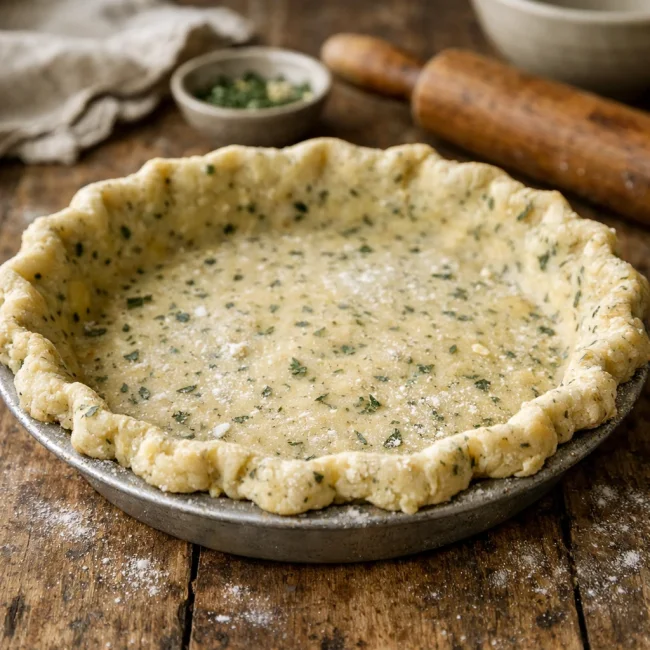
Rustic Herb Pie Crust
This Rustic Herb Pie Crust is a delightful twist on the classic pie base, infused ...
View Recipe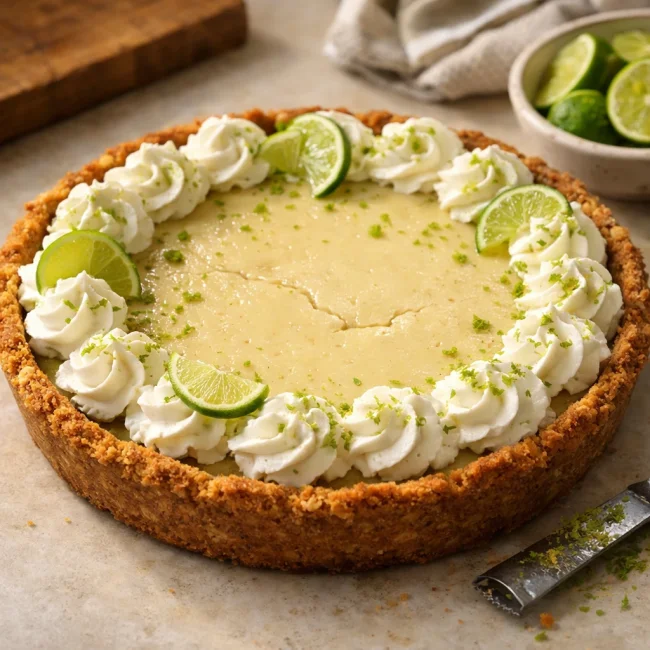
Traditional Key Lime Pie
Discover the rich and tangy taste of our Traditional Key Lime Pie, a classic desse...
View Recipe