
Heritage Baked Salmon
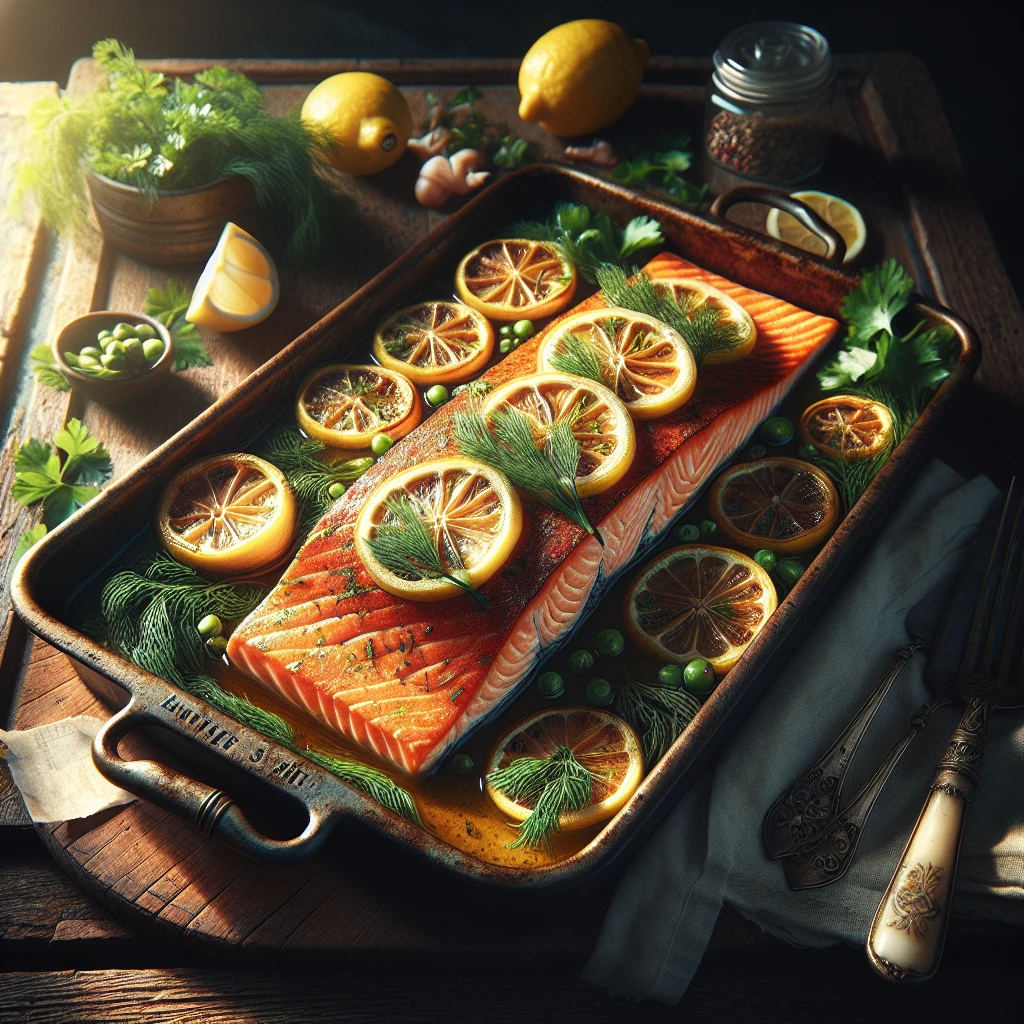
Heritage Baked Salmon is a timeless dish that brings together simple, fresh ingredients to create a delightful meal. This recipe is perfect for both weeknight dinners and special occasions, offering a harmonious blend of flavors with minimal effort.
 Share
Share
This post may contain affiliate links. As an Amazon Associate, we earn from qualifying purchases.
Ingredients for Heritage Baked Salmon
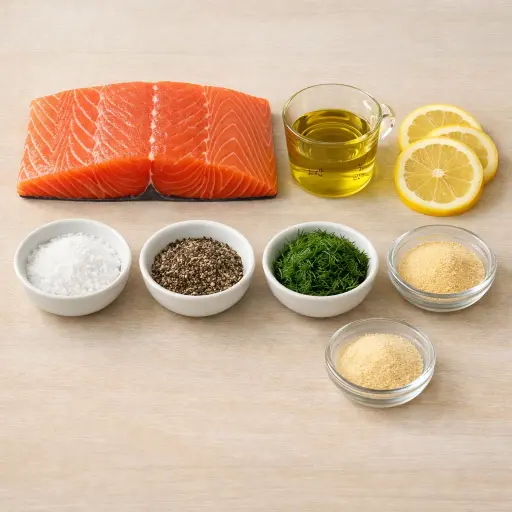
Salmon fillet is the star of the dish, providing a rich, tender texture that's both filling and nutritious. Olive oil adds a subtle, fruity richness and helps to keep the salmon moist during baking. The lemon slices infuse the fish with a bright, tangy flavor that complements the richness of the salmon. A sprinkle of salt and black pepper enhances the natural flavors. Fresh dill offers a fragrant, herby note that pairs beautifully with the lemon and salmon. Garlic powder and onion powder provide a savory depth that rounds out the seasoning.
Why This Heritage Baked Salmon Works
In the oven, the salmon warms up slowly, so the fat inside the fish has time to melt and spread through the flesh instead of running out. That melted fat keeps the salmon moist while it cooks. The olive oil on top adds another thin layer of fat, so the surface doesn’t dry out or get tough. Salt starts pulling a little moisture to the surface at first, but as the fish bakes, that salty liquid settles back in and seasons the inside.
Lemon slices sit right on the fish, so their juice seeps down as they heat. The acid from the lemon keeps the salmon from tasting heavy and also softens the outer layer a bit. Garlic powder, onion powder, and dill stay on the surface, where the heat dries them slightly and they cling to the top of the fillet. By the time the salmon flakes with a fork, the inside stays juicy, the top is well seasoned, and the lemon and herbs are spread through each bite.
Heritage Baked Salmon Tips & Tricks
- Use fresh lemon and dill for the best flavor impact.
- Keep an eye on the salmon in the last few minutes to avoid overcooking.
- If you have a thermometer, aim for an internal temperature of 145°F for perfectly cooked salmon.
Mistakes To Avoid
Letting the salmon bake too long at 375°F dries it out fast. The surface turns firm and a bit tough, and white protein (albumin) starts to leak out and form a chalky layer. Instead of moist flakes, the fillet ends up stiff and stringy in the center.
Putting the salmon in the oven while it’s still very cold from the fridge often leads to uneven cooking. The thin edges cook through quickly and start to dry, while the thick center stays a little raw and glossy. The fillet then has a mix of dry outer pieces and a middle that doesn’t flake cleanly.
Using way more salt or garlic powder than listed can throw off the texture. The surface of the fish pulls out extra moisture and turns a bit leathery, and the seasoning forms a crusty layer. The inside stays softer, so each bite feels uneven and slightly rubbery on top.
Skipping the parchment and placing the salmon straight on a bare metal pan makes sticking much more likely. As the fish cooks, the bottom layer clings to the pan and tears when lifted. The fillet breaks apart instead of coming off in neat, moist pieces.
Equipment Used:
Ingredients
- 2 lbs salmon fillet
- 2 tbsp olive oil
- 1 lemon, sliced
- 1 tsp salt
- 1/2 tsp black pepper
- 1 tbsp fresh dill, chopped
- 1 tsp garlic powder
- 1/2 tsp onion powder
Step-by-step Instructions
- 1. Preheat the oven to 375 degrees Fahrenheit.
- 2. Place the salmon fillet on a baking sheet lined with parchment paper.
- 3. Drizzle olive oil over the salmon and season with salt, pepper, garlic powder, and onion powder.
- 4. Arrange lemon slices and chopped dill on top of the fillet.
- 5. Bake in the preheated oven for 20-25 minutes or until the salmon is cooked through and flakes easily with a fork.
- 6. Remove from the oven and let it rest for a few minutes before serving.
Trending Now
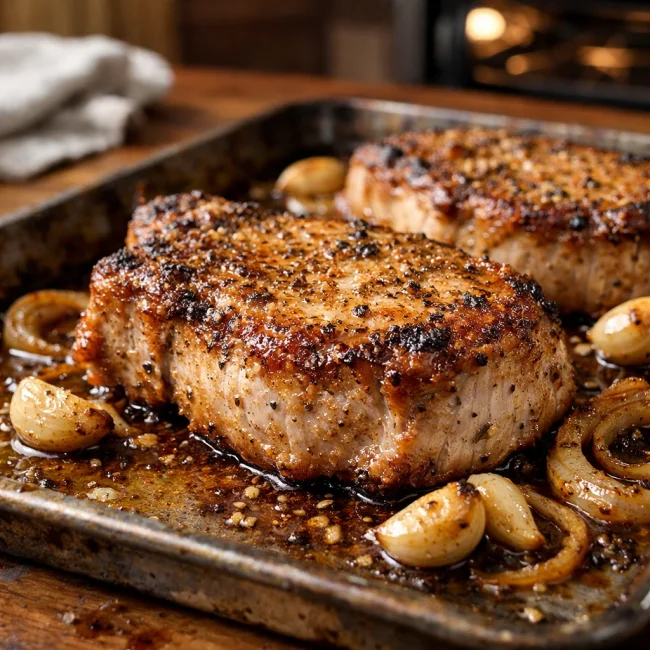
Oven-Baked Pork Chops
Enjoy a delightful dinner with these tender and juicy oven-baked pork chops, seaso...
View Recipe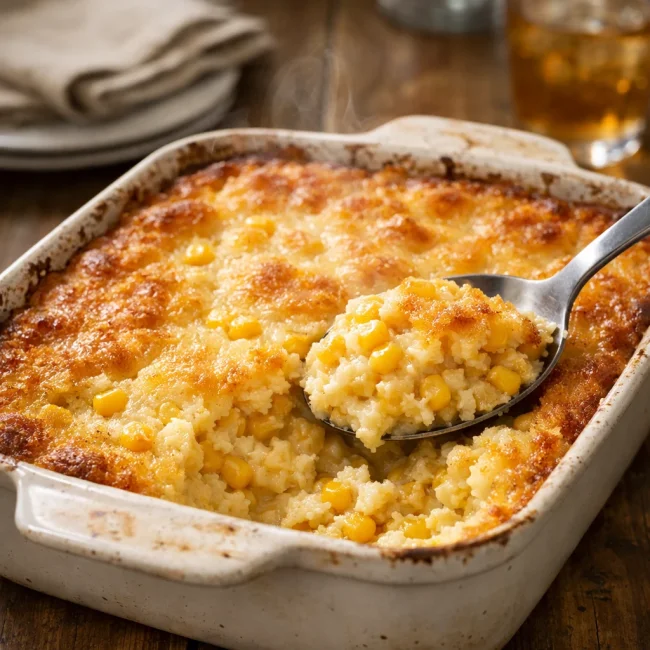
Traditional Corn Casserole
A delightful corn casserole dish that embodies the comforting flavors of sweet cor...
View Recipe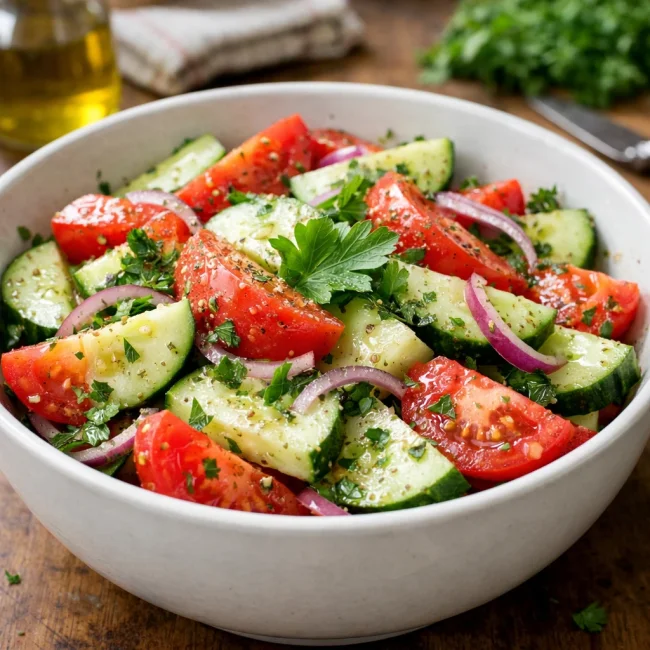
Traditional Cucumber and Tomato Salad
A refreshing and simple salad combining crisp cucumbers and juicy tomatoes, season...
View Recipe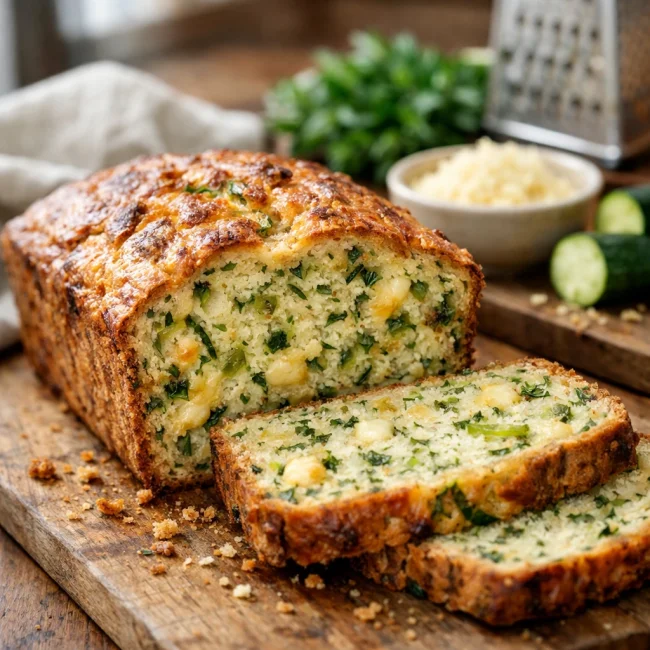
Savory Zucchini Bread
Savory Zucchini Bread is a delectable twist on traditional zucchini recipes, combi...
View RecipeFrequently Asked Questions
- Can I use frozen salmon?
- Yes, just make sure it's fully thawed and patted dry before cooking.
- How can I tell when the salmon is done?
- Look for opaque color and flakiness when tested with a fork, or use a thermometer to check for 145°F internal temperature.
- What can I substitute for dill?
- Fresh parsley or tarragon can work as flavorful alternatives.
Serving Ideas for Heritage Baked Salmon
This salmon pairs wonderfully with roasted vegetables like asparagus or bell peppers. A side of quinoa or a light salad with a citrus vinaigrette would also complement the flavors beautifully.
More Main Dishes Recipes
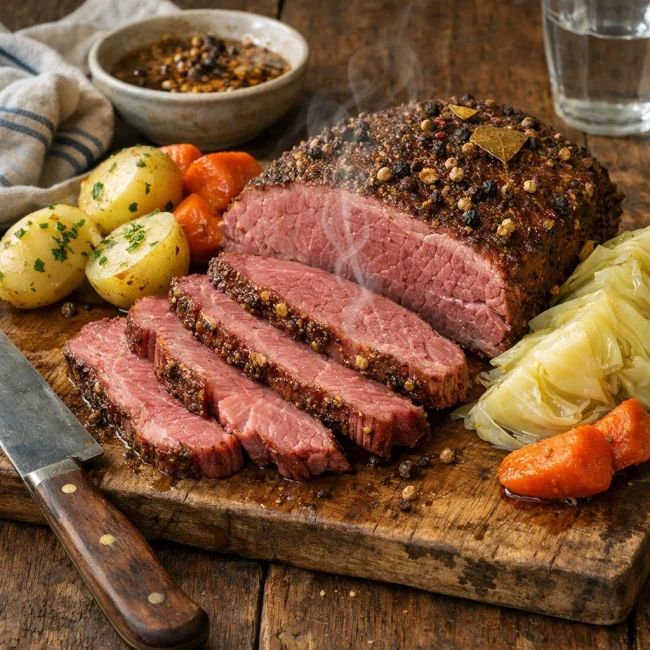
Unique Homemade Corned Beef
Discover the ultimate homemade corned beef recipe that balances rich flavors and t...
View Recipe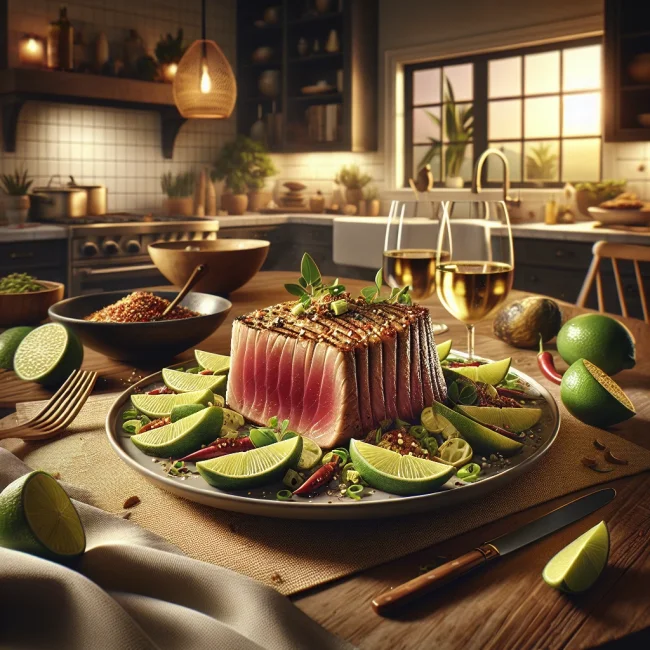
Spicy Lime Seared Ahi Tuna
Experience a burst of flavor with our Spicy Lime Seared Ahi Tuna, a perfect fusion...
View Recipe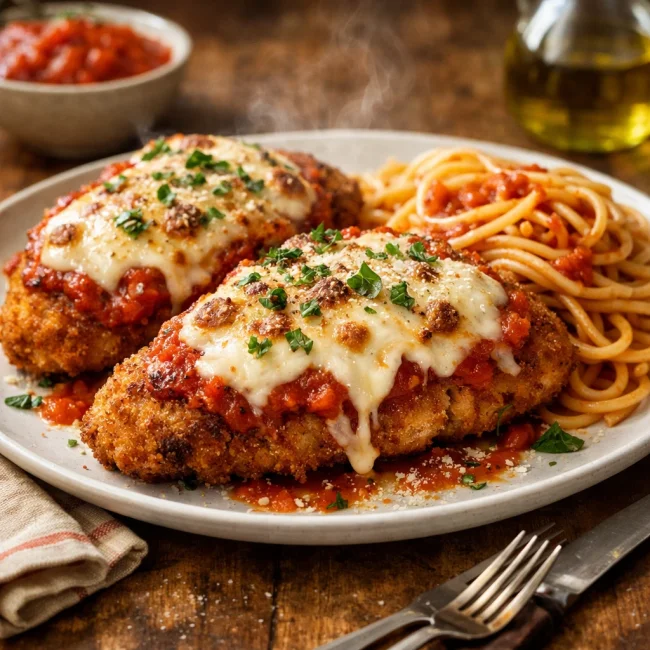
Traditional Chicken Parmesan
Savor the authentic taste of Italian cuisine with our Traditional Chicken Parmesan...
View Recipe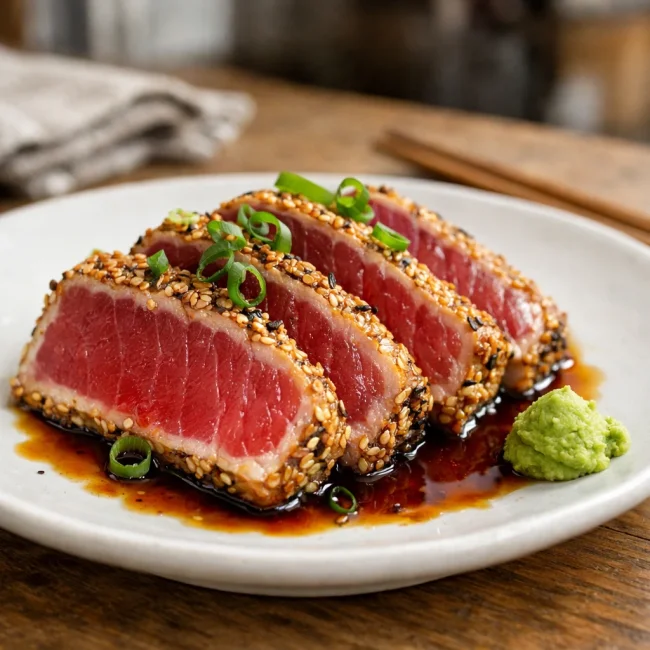
Seared Ahi Tuna
Experience the sublime taste of seared Ahi tuna, a Japanese-inspired dish that hig...
View Recipe