
Herb-Infused No-Knead Bread
Welcome to the world of homemade bread with a herby twist! This Herb-Infused No-Knead Bread is a perfect blend of simplicity and aroma, bringing a touch of gourmet to your everyday meals. It's an incredibly easy way to fill your home with the scent of fresh herbs and warm, fresh-baked bread.
 Share
Share

This post may contain affiliate links. As an Amazon Associate, we earn from qualifying purchases.
Ingredients for Herb-Infused No-Knead Bread
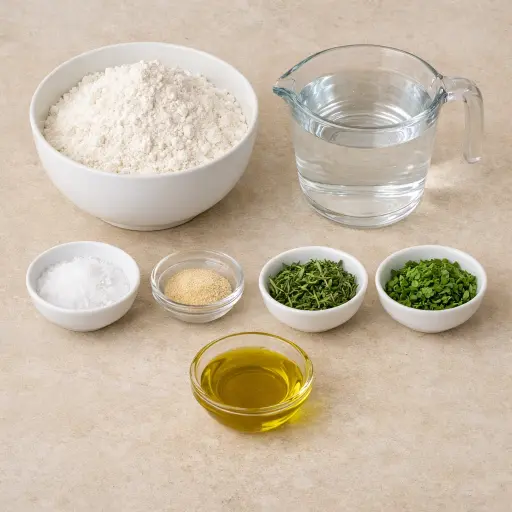
The foundation of this bread is all-purpose flour, providing the perfect texture for a crusty yet tender loaf. The active dry yeast is the magic that makes it rise, giving the bread its airy lightness. We add salt for flavor balance, while olive oil lends richness and helps keep the crumb moist. The stars of the show are the fresh rosemary, thyme, and basil, which infuse the bread with their earthy, aromatic flavors. Finally, warm water brings it all together, activating the yeast and forming the dough.
Why This Herb-Infused No-Knead Bread Works
During the long rest, the tiny amount of yeast has a lot of time to work. It slowly makes bubbles all through the wet dough, so the inside of the bread ends up full of little air pockets instead of dense and heavy. The flour soaks up the warm water and softens, and the dough loosens and stretches on its own without any kneading. Gluten strands form slowly over those hours, so the dough can hold its shape and trap the gas from the yeast.
As the dough sits, the chopped rosemary, thyme, and basil spread through it. Their oils move into the wet dough, so the herb taste is not just on top, but in every bite. In the hot Dutch oven, the dough hits a blast of heat from all sides. The outside dries first and becomes a firm crust, while the inside stays moist and keeps expanding. When the lid comes off, the surface browns more and hardens, giving a crisp shell around a soft, chewy center.
Herb-Infused No-Knead Bread Tips & Tricks
- Use a Dutch oven with a lid to trap steam, ensuring a perfectly crusty loaf.
- If you find the dough too sticky to handle, lightly flour your hands and work surface.
- For a more intense herb flavor, increase the quantity of herbs slightly.
- Make sure your water is warm, not hot, to properly activate the yeast without killing it.
Mistakes To Avoid
Using water that is too hot kills most of the yeast, so the dough barely rises during the long rest. The bowl still looks like a sticky lump hours later, and the bread bakes up flat and dense instead of airy inside.
Cutting the rise time short, or putting the bowl somewhere cold, keeps the dough from building enough bubbles. The dough feels heavy and tight instead of jiggly and full of air, and the finished loaf has a tight, chewy crumb instead of a light, open one.
Putting the dough into a Dutch oven that was not fully preheated means the bottom never gets that quick burst of heat. The loaf spreads out instead of springing up, and the crust turns pale and soft while the inside can stay a bit gummy.
Adding a lot more fresh herbs than listed seems harmless but can throw off the dough. The extra moisture from the herbs makes the dough overly wet and slack, so it sticks badly, spreads too much, and bakes into a flatter, slightly soggy loaf.
Equipment Used:
Ingredients
- 3 cups all-purpose flour
- 1 1/2 cups warm water (110°F)
- 1 tsp salt
- 1/2 tsp active dry yeast
- 1 tbsp olive oil
- 1 tbsp chopped fresh rosemary
- 1 tbsp chopped fresh thyme
- 1 tbsp chopped fresh basil
Step-by-step Instructions
- 1. In a large bowl, mix flour, salt, yeast, rosemary, thyme, and basil.
- 2. Add warm water and olive oil, stirring until a sticky dough forms.
- 3. Cover the bowl with plastic wrap and let it sit at room temperature for 12-18 hours.
- 4. Preheat oven to 450°F (232°C). Place a Dutch oven inside to heat for 30 minutes.
- 5. Punch down the dough, shape it into a ball, and place it on a floured surface.
- 6. Carefully remove the hot Dutch oven and place the dough inside.
- 7. Cover with lid and bake for 30 minutes.
- 8. Remove lid and bake for an additional 15 minutes, or until the crust is golden brown.
Trending Now
Golden Fried Yellow Squash
Experience the delightful taste of golden fried yellow squash, a quintessential So...
View Recipe
Homemade Apple Pie
Classic homemade apple pie with a buttery crust and cinnamon-spiced filling, perfe...
View Recipe
Traditional Whipped Cream Frosting
A rich and creamy whipped cream frosting perfect for topping cakes, cupcakes, and ...
View Recipe
Moist Banana Loaf
Discover the timeless charm of our Moist Banana Loaf, a luscious and tender treat ...
View RecipeFrequently Asked Questions
- Can I use dried herbs instead of fresh?
- Yes, you can. Use about half the amount if substituting dried herbs for fresh.
- What if I don’t have a Dutch oven?
- An oven-safe pot with a lid will work as a substitute. Just make sure it can withstand high temperatures.
- Can I make this bread gluten-free?
- It's possible, but you would need a gluten-free flour blend specifically designed for yeast baking.
Serving Ideas for Herb-Infused No-Knead Bread
This bread pairs wonderfully with a hearty soup or stew. Slice it thick and serve with a drizzle of good olive oil and a sprinkle of sea salt for a simple appetizer. It's also excellent as a base for bruschetta or topped with avocado and a poached egg for a savory breakfast.
More Breads & Baked Goods Recipes

Traditional Italian Easter Bread
Savor the delightful taste of a classic Italian Easter bread, a sweet, soft, and s...
View Recipe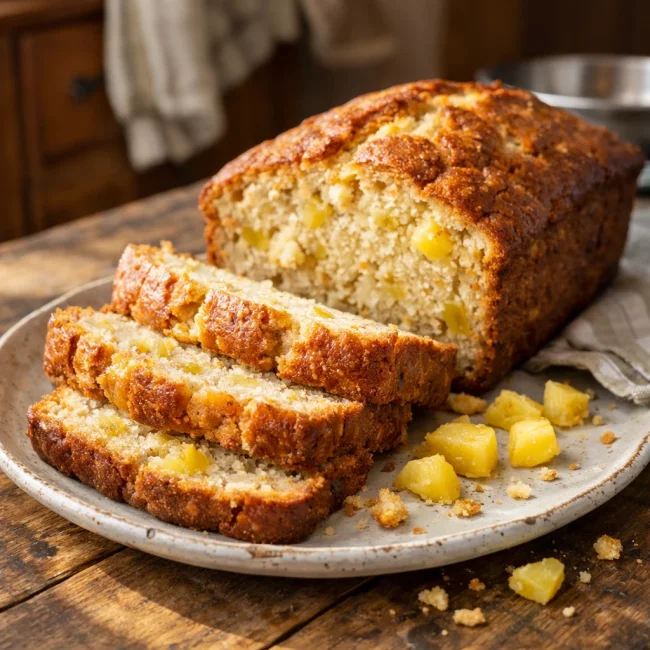
Old-Fashioned Pineapple Bread
A delightful and flavorful bread infused with juicy pineapple, perfect for breakfa...
View Recipe
Old-Fashioned Blueberry Muffins
Transport yourself to simpler times with these delightful old-fashioned blueberry ...
View Recipe
Strawberry Basil Scones
These tender scones combine the sweetness of fresh strawberries with a hint of pep...
View Recipe