
Herb-Crusted Roast Pork Loin
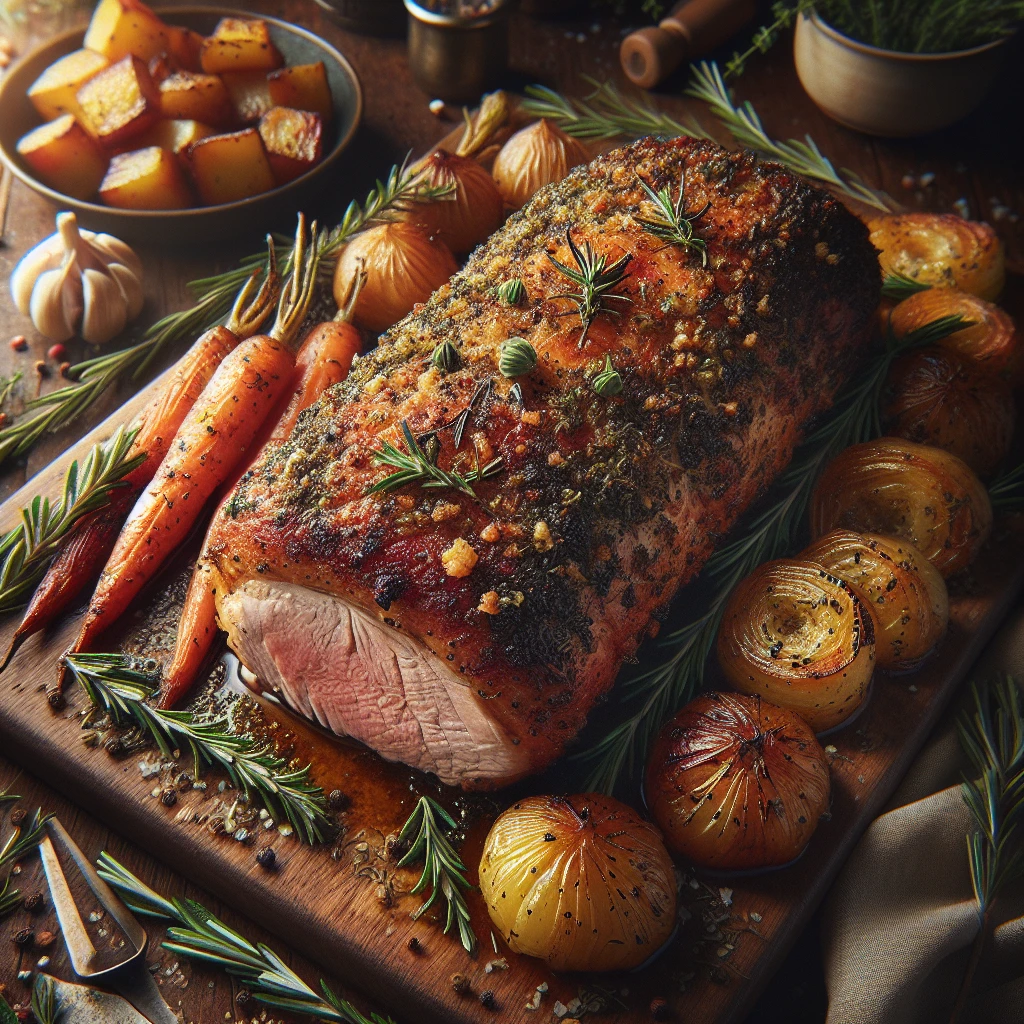
This Herb-Crusted Roast Pork Loin is a showstopper at any meal with its aromatic herb crust and juicy, tender meat. Perfect for family dinners or special occasions, this dish brings warmth and flavor to your table with minimal fuss.
 Share
Share
This post may contain affiliate links. As an Amazon Associate, we earn from qualifying purchases.
Ingredients for Herb-Crusted Roast Pork Loin
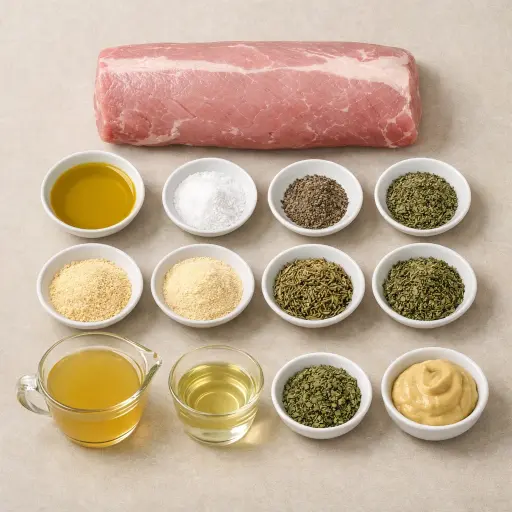
Pork loin is a lean cut that benefits from the herb crust, which keeps it moist and flavorful. Olive oil helps the herbs adhere and adds a subtle richness. The blend of salt, black pepper, garlic powder, and onion powder creates a robust base flavor. Dried rosemary, thyme, and sage are classic herbs that complement pork beautifully, adding earthy notes. Chicken broth and white wine create a flavorful steam bath that keeps the pork juicy while adding depth. Finally, a touch of Dijon mustard at the end adds a tangy finish that brightens the dish.
Why This Herb-Crusted Roast Pork Loin Works
As the pork loin roasts, the outside dries a little and the herb rub sticks to it, forming a crust. That crust is salty and full of dried herbs, so it pulls some moisture to the surface at first, then tightens up and holds it there. Under that crust, the meat slowly warms, so the inside cooks gently instead of drying out fast.
In the roasting pan, the chicken broth and white wine start to steam. That steam surrounds the pork and keeps the outer layer from getting tough while the center catches up. At the same time, the bottom of the pork sits over that liquid instead of straight on a dry pan, so it doesn’t burn or dry out.
By the time the pork reaches 145°F, the center is cooked but still juicy. Resting under foil lets the hot juices settle back into the meat instead of running out on the cutting board. The Dijon mustard at the end just wakes up the herb crust and cuts through the richness of the pork.
Herb-Crusted Roast Pork Loin Tips & Tricks
- Use a meat thermometer to check for doneness and avoid overcooking.
- If you don’t have white wine, substitute with extra chicken broth or apple juice for a hint of sweetness.
- Letting the pork rest before slicing helps redistribute the juices for a juicier roast.
Mistakes To Avoid
Letting the pork loin roast past 145°F inside can make the meat tough and dry. The lean center loses its moisture in the oven, so instead of juicy slices, the roast turns fibrous and chewy, especially at the ends.
Putting the pork in the pan while it is still wet from the package keeps the herb rub from sticking. The moisture on the surface turns the rub into a paste that slides off as it cooks, so the crust ends up patchy and the outside of the roast looks pale instead of nicely coated.
Skipping the rest time after roasting causes a lot of the juices to run out on the cutting board. The hot meat pushes liquid out when it is sliced right away, so the slices look dry in the center even though the roast was cooked to the right temperature.
Letting the pan go dry during roasting is another common problem. Without enough broth and wine in the bottom, the drippings burn onto the pan, leaving a harsh, bitter-tasting layer instead of a light, savory jus.
Equipment Used:
Ingredients
- 3 lbs pork loin
- 2 tbsp olive oil
- 1 tbsp salt
- 1 tsp black pepper
- 1 tbsp garlic powder
- 1 tbsp onion powder
- 1 tbsp dried rosemary
- 1 tbsp dried thyme
- 1 tbsp dried sage
- 1/2 cup chicken broth
- 1/4 cup white wine
- 2 tbsp Dijon mustard
Step-by-step Instructions
- 1. Preheat oven to 375°F (190°C).
- 2. Pat the pork loin dry with paper towels; rub it with olive oil evenly.
- 3. In a small bowl, mix salt, black pepper, garlic powder, onion powder, rosemary, thyme, and sage.
- 4. Apply the herb mixture generously to cover the pork loin.
- 5. Place the pork in a roasting pan and add chicken broth and white wine to the bottom of the pan.
- 6. Roast in the oven for approximately 60-70 minutes, or until the internal temperature reaches 145°F (63°C).
- 7. Remove from oven, cover with foil, and let it rest for 10 minutes before slicing.
- 8. Serve with a drizzle of Dijon mustard for added flavor.
Trending Now
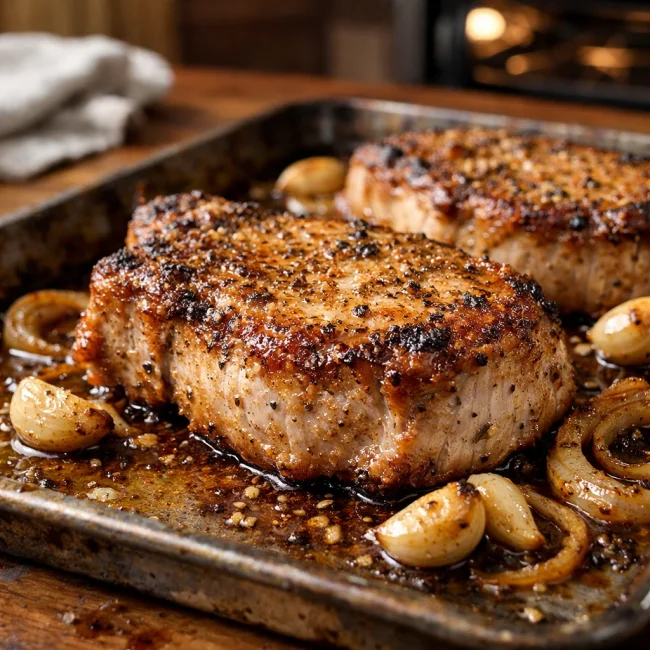
Oven-Baked Pork Chops
Enjoy a delightful dinner with these tender and juicy oven-baked pork chops, seaso...
View Recipe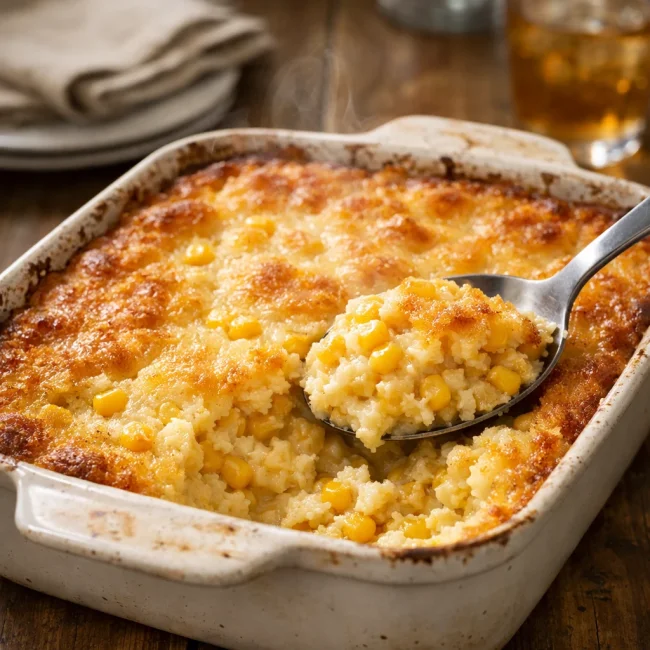
Traditional Corn Casserole
A delightful corn casserole dish that embodies the comforting flavors of sweet cor...
View Recipe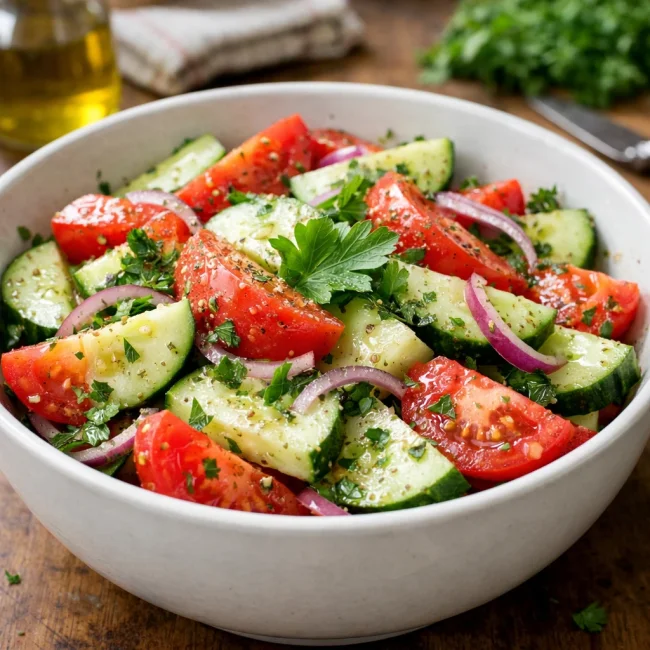
Traditional Cucumber and Tomato Salad
A refreshing and simple salad combining crisp cucumbers and juicy tomatoes, season...
View Recipe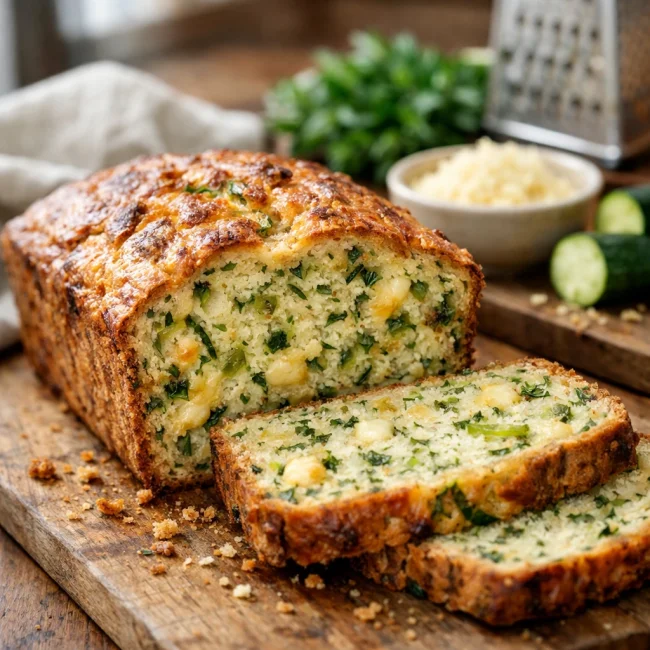
Savory Zucchini Bread
Savory Zucchini Bread is a delectable twist on traditional zucchini recipes, combi...
View RecipeFrequently Asked Questions
- Can I use fresh herbs instead of dried?
- Yes, you can use fresh herbs. Just triple the amount as dried herbs are more concentrated in flavor.
- How do I store leftovers?
- Store leftovers in an airtight container in the refrigerator for up to 3 days. Reheat gently to avoid drying out the meat.
Serving Ideas for Herb-Crusted Roast Pork Loin
This roast pairs wonderfully with creamy mashed potatoes or roasted vegetables like carrots and Brussels sprouts. A fresh green salad with a tangy vinaigrette can also balance the richness of the pork. For a comforting touch, serve with warm, crusty bread to soak up the delicious juices.
More Main Dishes Recipes
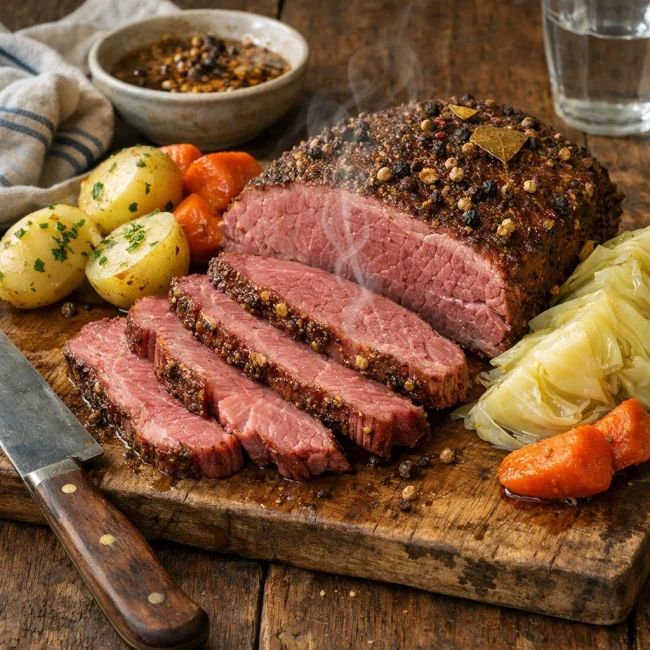
Unique Homemade Corned Beef
Discover the ultimate homemade corned beef recipe that balances rich flavors and t...
View Recipe
Spicy Lime Seared Ahi Tuna
Experience a burst of flavor with our Spicy Lime Seared Ahi Tuna, a perfect fusion...
View Recipe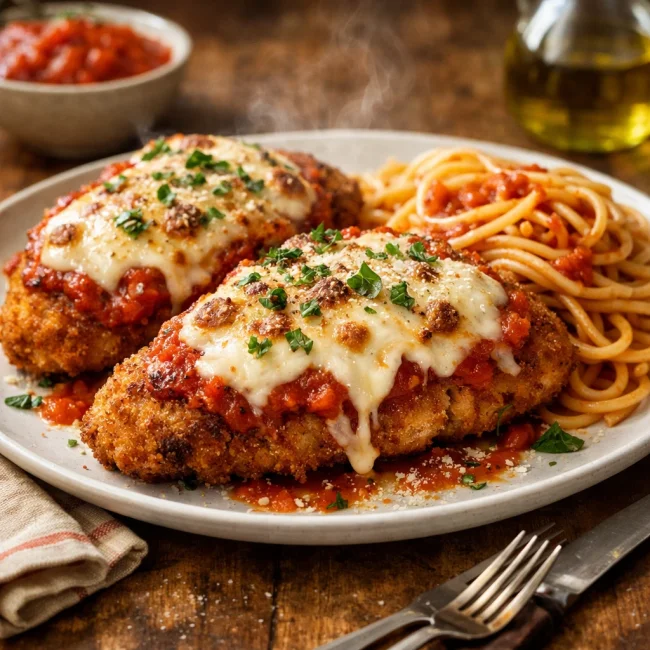
Traditional Chicken Parmesan
Savor the authentic taste of Italian cuisine with our Traditional Chicken Parmesan...
View Recipe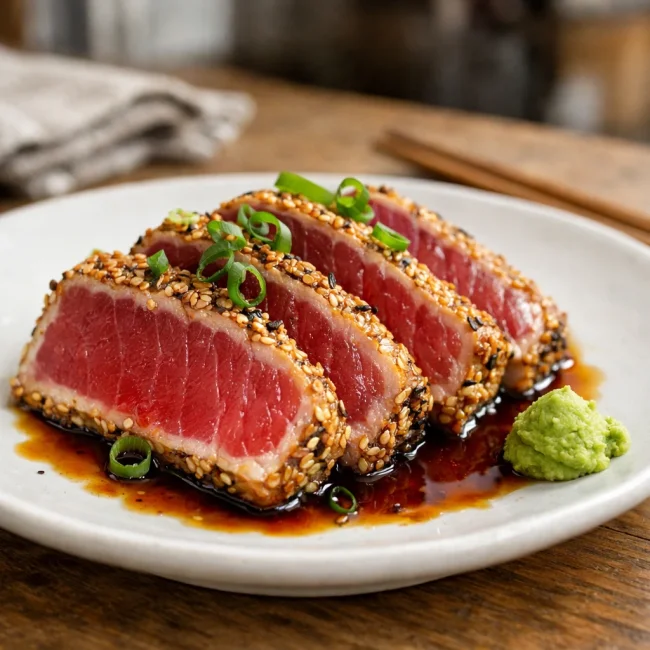
Seared Ahi Tuna
Experience the sublime taste of seared Ahi tuna, a Japanese-inspired dish that hig...
View Recipe