
Herb-Crusted Prime Rib with Garlic Butter
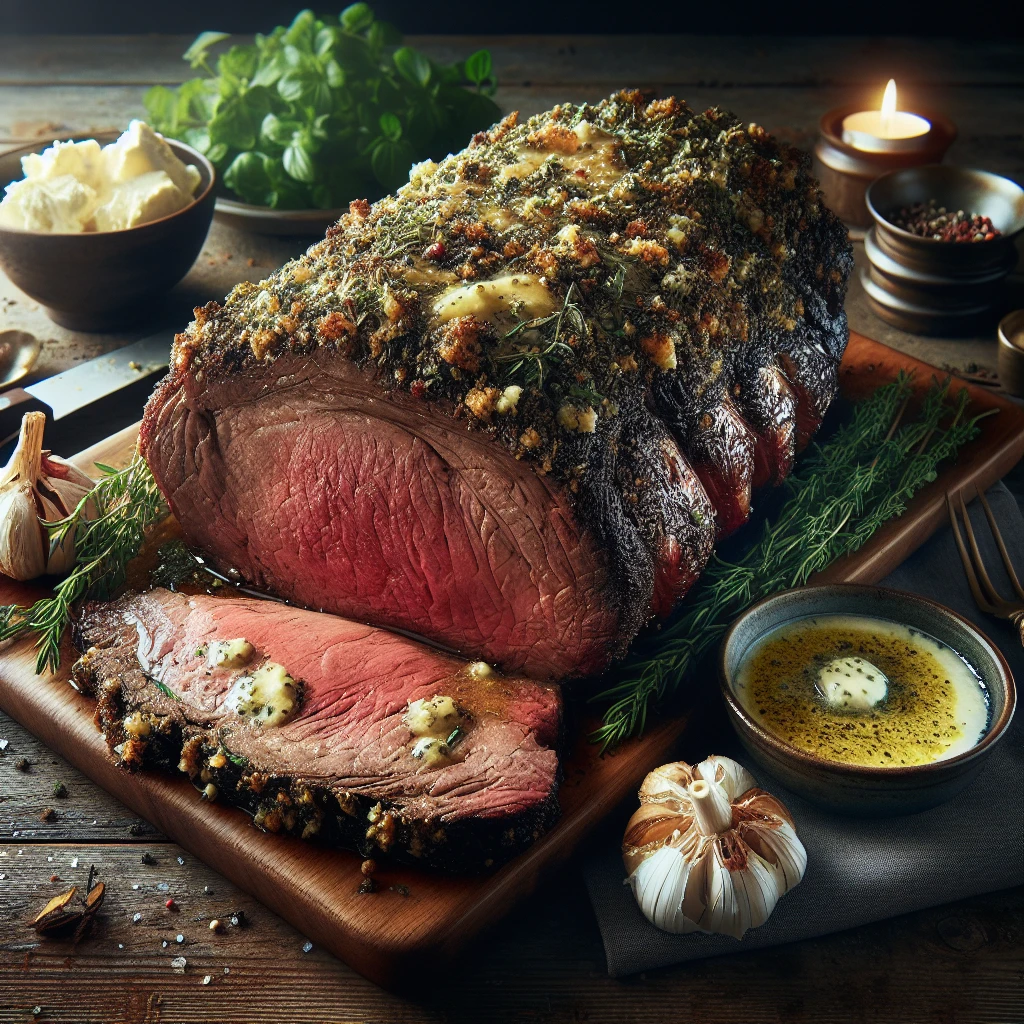
If you're looking to impress at your next dinner gathering, this Herb-Crusted Prime Rib with Garlic Butter is a showstopper. With a perfect blend of fresh herbs and a luscious garlic butter crust, this roast is both elegant and comforting, making it ideal for special occasions or a cozy Sunday dinner.
 Share
Share
This post may contain affiliate links. As an Amazon Associate, we earn from qualifying purchases.
Ingredients for Herb-Crusted Prime Rib with Garlic Butter
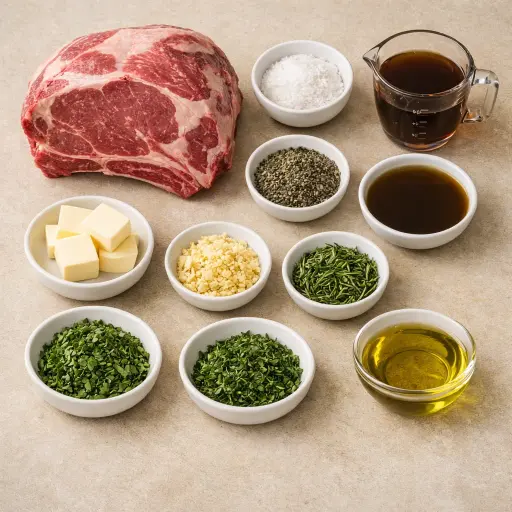
Prime rib roast: The star of the show, this cut is known for its marbling which results in a juicy and tender piece of meat. Choosing a bone-in roast helps retain moisture and adds flavor.
Butter: Acts as the base for the herb crust, helping to adhere the herbs to the meat and adding a rich, creamy flavor.
Garlic: Provides a robust, aromatic punch that enhances the savory profile of the dish.
Rosemary, thyme, oregano: Fresh herbs that infuse the roast with earthy, aromatic notes. Each herb contributes a unique layer of flavor.
Kosher salt and black pepper: Essential for seasoning, these enhance the natural flavors of the beef.
Olive oil: Used to help crisp up the herb crust and add a touch of richness.
Beef broth: Utilized for deglazing the pan, it picks up all those delicious browned bits and turns them into a savory pan sauce.
Why This Herb-Crusted Prime Rib with Garlic Butter Works
As the roast sits out and comes to room temperature, the inside and outside start closer to the same temperature. That way, when it goes in the hot oven, the heat moves in more evenly and the meat cooks more gently. The first blast of high heat browns the outside and firms up the surface, so the outside forms a crust while the inside stays soft and pink.
Once the oven temperature drops, the roast cooks slowly. During this time, the fat inside the prime rib warms and melts, soaking into the meat instead of running straight out. The herb butter on the outside also melts and mixes with the beef fat, so the crust stays moist instead of drying out. Salt and garlic sit on the surface and draw out a little moisture, then that moisture mixes with the butter and oil and clings to the roast.
After it comes out of the oven and rests under foil, the hot juices inside calm down and spread back through the meat. Because of that pause, the slices stay juicy instead of leaking all over the cutting board.
Herb-Crusted Prime Rib with Garlic Butter Tips & Tricks
- Letting the meat come to room temperature ensures even cooking.
- Use a meat thermometer for accurate doneness. It’s a small investment for perfect meat every time.
- Resting the meat allows the juices to redistribute, ensuring a juicy roast.
Mistakes To Avoid
Letting the roast go into the oven while still cold in the center often leads to a ring of overcooked meat on the outside and a chilly, underdone core. The outside has to sit in the heat much longer before the middle warms up, so the outer layers tighten and dry out while the inside finally reaches temperature.
Roasting strictly by time instead of checking the internal temperature can leave the prime rib either gray and dry or still too raw near the bone. Every roast is a little different in size and shape, so the same minutes in the oven don’t always give the same doneness.
Skipping the step of patting the roast dry before seasoning and adding the herb butter leaves a wet surface that steams instead of browns. The fat and herbs slide around on the moisture, so the crust doesn’t stick well and the outside turns soft instead of forming a firm, browned layer.
Cutting into the roast right away instead of letting it rest causes a rush of hot juices onto the cutting board. The meat then feels drier and less tender, because much of the moisture that should stay inside has already run out.
Equipment Used:
Ingredients
- 1 prime rib roast (bone-in, about 5 lbs)
- 2 tbsp kosher salt
- 2 tbsp black pepper
- 4 tbsp unsalted butter, softened
- 4 cloves garlic, minced
- 2 tbsp fresh rosemary, chopped
- 2 tbsp fresh thyme, chopped
- 1 tbsp fresh oregano, chopped
- 1 cup beef broth
- 2 tbsp olive oil
Step-by-step Instructions
- 1. Preheat your oven to 450°F (232°C) and allow the prime rib roast to come to room temperature.
- 2. In a bowl, mix the softened butter, minced garlic, rosemary, thyme, and oregano until well combined.
- 3. Pat the prime rib dry with paper towels and season generously with kosher salt and black pepper on all sides.
- 4. Rub the herb butter mixture evenly over the entire surface of the prime rib, ensuring the meat is well-coated.
- 5. Place the prime rib on a roasting rack in a large roasting pan and drizzle olive oil over the top.
- 6. Roast in the preheated oven for 20 minutes, then lower the temperature to 325°F (163°C) and continue roasting for an additional 90 minutes or until the internal temperature reaches your desired doneness (130°F for medium-rare).
- 7. Remove the prime rib from the oven and tent with aluminum foil, allowing it to rest for at least 20 minutes before carving.
- 8. Meanwhile, place the roasting pan on the stovetop over medium heat, add beef broth, and scrape up any browned bits to make a quick pan sauce. Serve the sliced prime rib with the sauce.
Trending Now
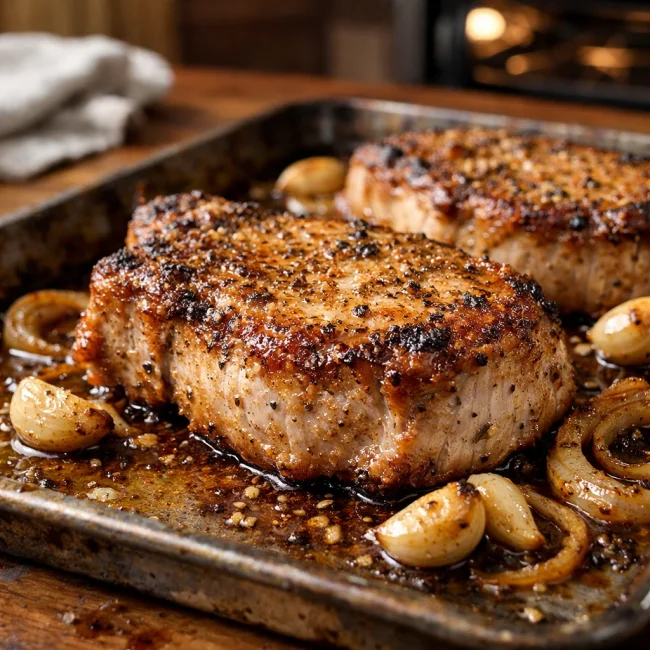
Oven-Baked Pork Chops
Enjoy a delightful dinner with these tender and juicy oven-baked pork chops, seaso...
View Recipe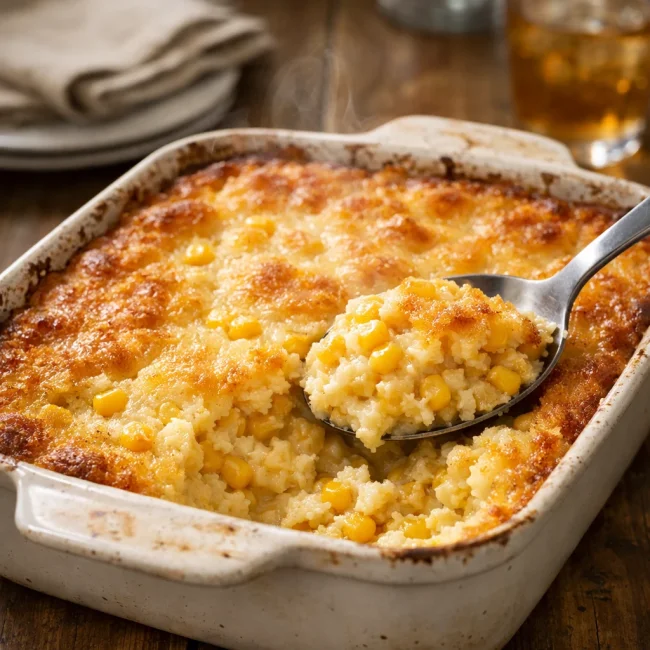
Traditional Corn Casserole
A delightful corn casserole dish that embodies the comforting flavors of sweet cor...
View Recipe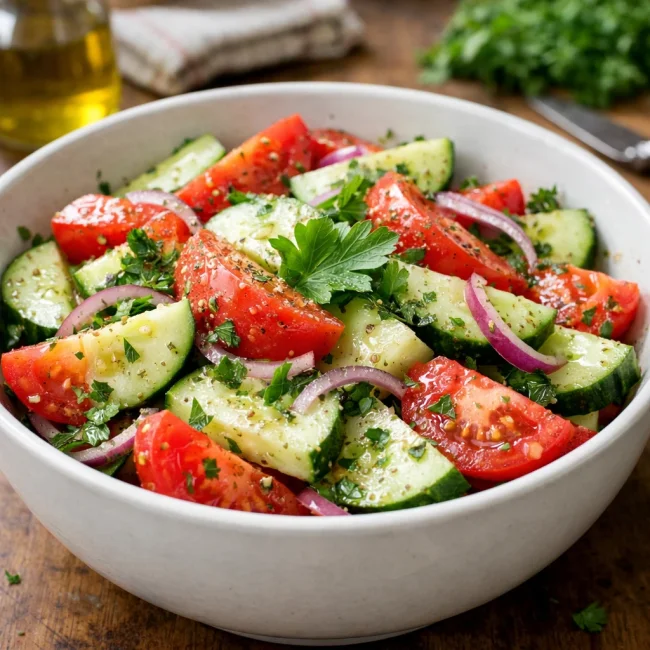
Traditional Cucumber and Tomato Salad
A refreshing and simple salad combining crisp cucumbers and juicy tomatoes, season...
View Recipe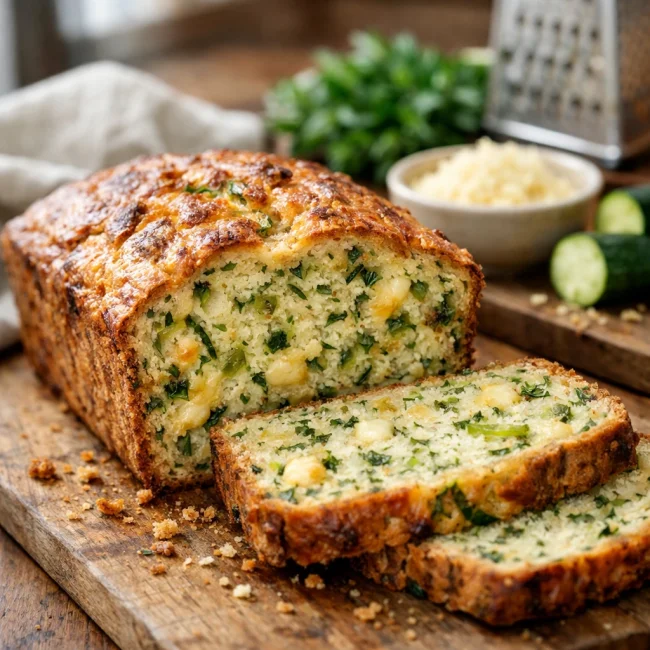
Savory Zucchini Bread
Savory Zucchini Bread is a delectable twist on traditional zucchini recipes, combi...
View RecipeFrequently Asked Questions
- Can I use dried herbs instead of fresh?
- Yes, but reduce the amounts by about half since dried herbs are more concentrated.
- How do I store leftovers?
- Wrap the meat tightly in foil or place in an airtight container and refrigerate for up to 3 days.
- What if my roast is larger/smaller than 5 lbs?
- Adjust the cooking time accordingly. A meat thermometer will be your best guide to check doneness.
Serving Ideas for Herb-Crusted Prime Rib with Garlic Butter
This prime rib pairs wonderfully with creamy mashed potatoes or a classic Yorkshire pudding. For a lighter side, consider a crisp green salad with a tangy vinaigrette to balance the richness of the meat. A glass of full-bodied red wine like a Cabernet Sauvignon would complement the flavors beautifully.
More Main Dishes, Roasting, Gluten-Free Recipes
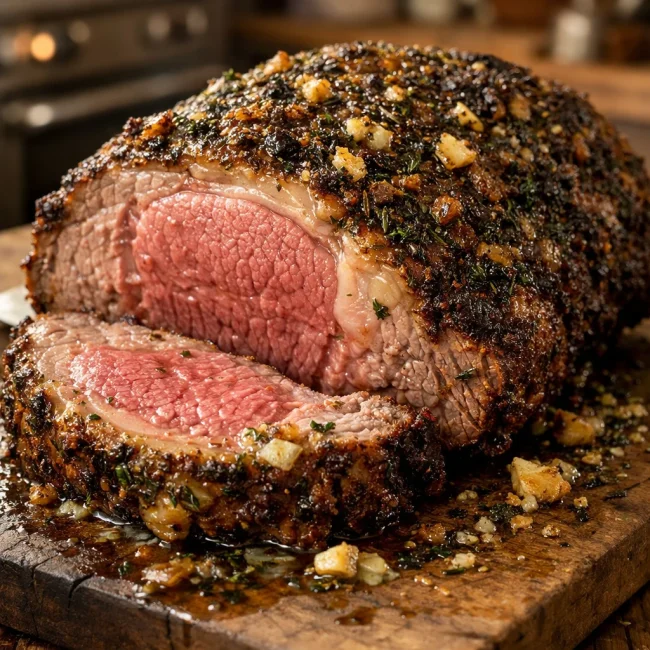
Herb-Crusted Prime Rib with Garlic Butter
Discover the mouthwatering delight of our Herb-Crusted Prime Rib with Garlic Butte...
View Recipe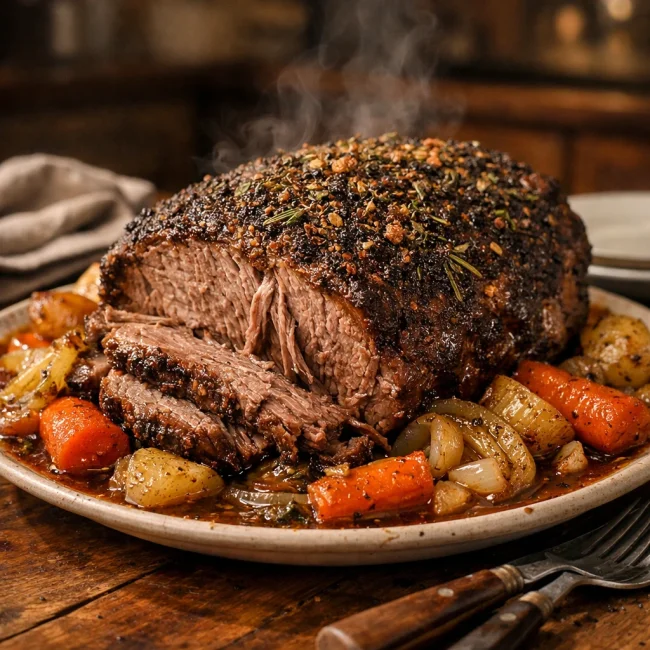
Savory Herb-Crusted Pot Roast
Discover the ultimate comfort food with our Savory Herb-Crusted Pot Roast, a succu...
View Recipe
Honey Herb Roast Pork Loin
Savory and sweet honey herb roast pork loin, a perfect blend of herbs and honey gl...
View Recipe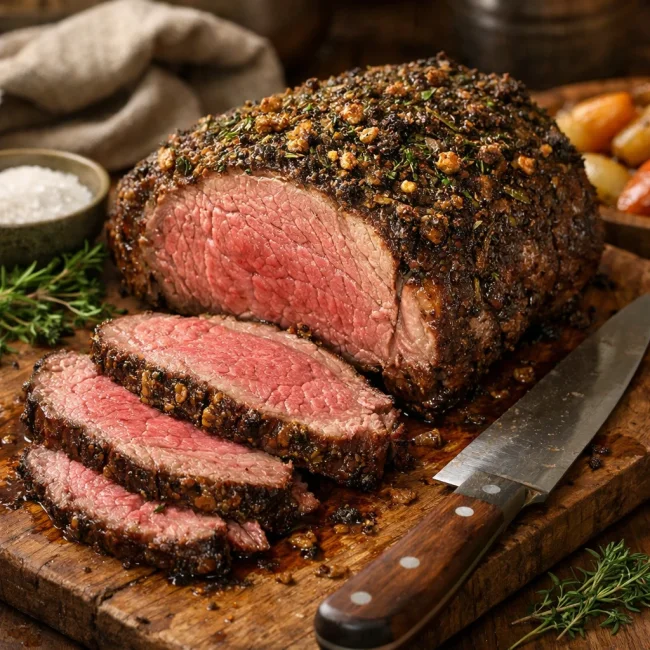
Herb-Crusted Bison Prime Rib
Savor the unique flavor of our Herb-Crusted Bison Prime Rib, a delectable twist on...
View Recipe