
Heirloom Buttermilk Biscuits
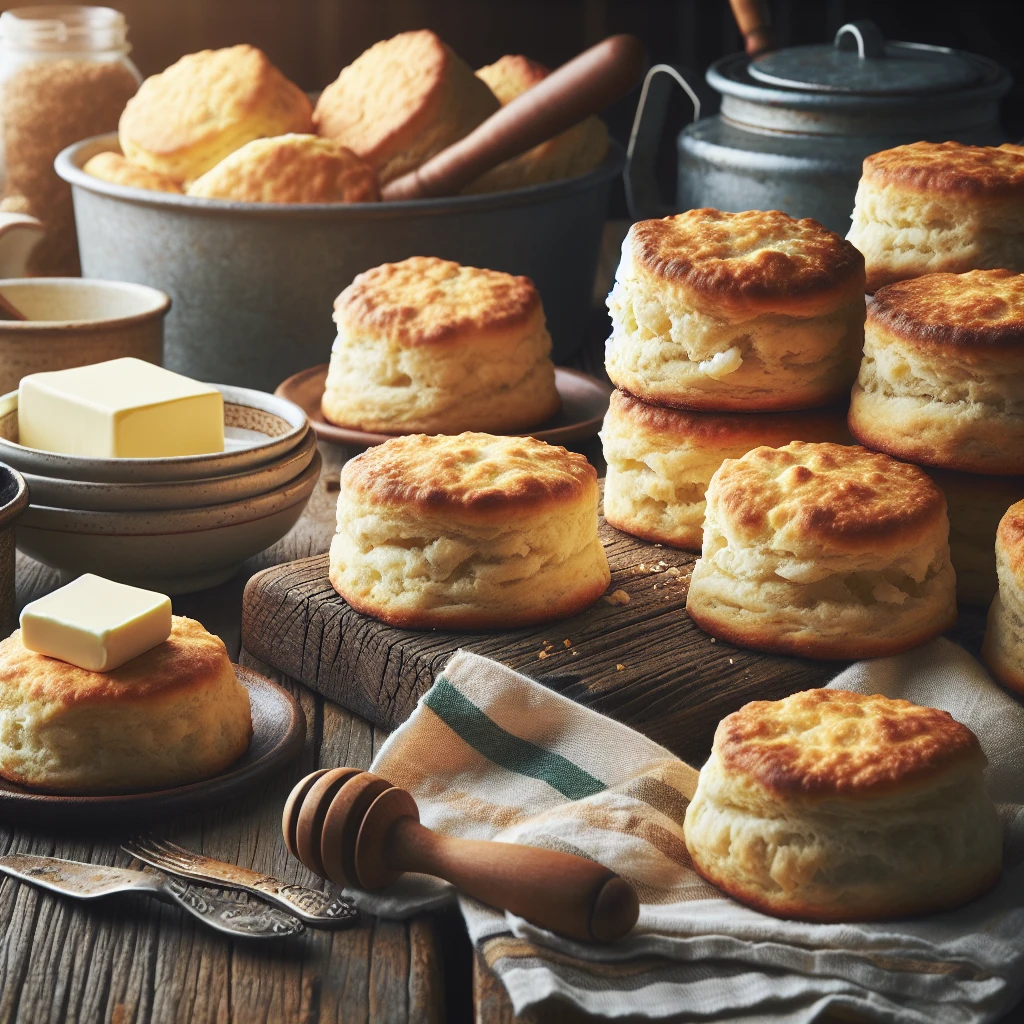
These Heirloom Buttermilk Biscuits are a nod to simpler times, with their flaky, buttery layers and a touch of tang from the buttermilk. Perfect for breakfast or as a side, they bring a homemade warmth to any table.
 Share
Share
This post may contain affiliate links. As an Amazon Associate, we earn from qualifying purchases.
Ingredients for Heirloom Buttermilk Biscuits
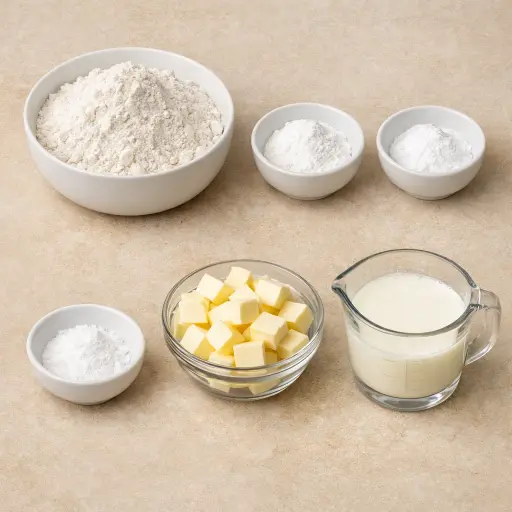
All-purpose flour provides the structure for the biscuits, giving them their bulk and form. Baking powder and baking soda are the leavening agents that give the biscuits their rise and fluffiness. A touch of salt enhances the flavors, making each bite more savory. The star of the show, unsalted butter, is what gives these biscuits their rich, buttery flavor and lovely flakiness. Lastly, buttermilk adds a slight tang and tenderizes the dough, creating a soft texture.
Why This Heirloom Buttermilk Biscuits Works
Cold butter and hot oven heat are doing most of the work here. When the cold butter cubes are cut into the flour, they stay in little pieces instead of melting. During baking, those butter pieces melt fast and leave tiny gaps where the steam was. Those gaps turn into the flaky layers and soft inside of the biscuit.
As the buttermilk hits the baking powder and baking soda, it starts a gentle bubbling reaction. That gas spreads through the dough and makes it rise in the oven, so the biscuits don’t bake up dense. Salt keeps the flour from tasting flat, but it also keeps the dough from feeling bland.
Folding the dough like a letter stacks the butter and flour in thin layers. With each fold and gentle pat, more layers build up without smashing everything together. In the oven, those stacked layers puff and separate, so the biscuits come out tall, tender, and flaky instead of tough.
Heirloom Buttermilk Biscuits Tips & Tricks
- Use cold butter and buttermilk to ensure the biscuits rise properly.
- Handle the dough as little as possible to keep the texture light.
- For extra golden tops, brush a little melted butter on top before baking.
Mistakes To Avoid
Letting the butter warm up too much before it goes into the flour makes the dough greasy instead of crumbly. The butter then melts too fast in the oven instead of steaming and lifting the layers. The biscuits come out flat and a bit tough instead of tall and flaky.
Overworking the dough after the buttermilk goes in quickly turns the mixture from shaggy to elastic. The flour soaks up more liquid and the gluten tightens, so the dough fights back when rolled. The baked biscuits end up dense and chewy instead of light and tender.
Rolling the dough too thin before cutting means the biscuits have no chance to rise properly. The heat hits a shallow layer of dough that bakes through before it can puff. The result is wide, flat biscuits that feel more like crackers than soft layers.
Placing the biscuits far apart on the baking sheet keeps them from helping each other rise. With space between them, the sides dry out instead of pushing upward. The biscuits spread outward and bake shorter, with less height and fewer visible layers.
Equipment Used:
Ingredients
- 2 cups all-purpose flour
- 1 tablespoon baking powder
- 1/2 teaspoon baking soda
- 1/2 teaspoon salt
- 1/2 cup unsalted butter, cold and cubed
- 3/4 cup buttermilk, chilled
Step-by-step Instructions
- 1. Preheat your oven to 450°F.
- 2. In a large bowl, whisk together the flour, baking powder, baking soda, and salt.
- 3. Add the cold, cubed butter to the flour mixture. Use a pastry cutter or two knives to cut the butter into the flour until the mixture resembles coarse crumbs.
- 4. Make a well in the center of the mixture and pour in the chilled buttermilk. Stir gently until the dough just comes together; it will be sticky.
- 5. Turn the dough onto a floured surface and gently knead it 5-6 times. Pat the dough into a rectangle about 1/2 inch thick.
- 6. Fold the dough into thirds, like a letter, and pat it down into a rectangle again. Repeat this folding process once more.
- 7. Roll the dough out to about 3/4 inch thickness. Use a floured 2-inch biscuit cutter to cut out biscuits and place them on a baking sheet lined with parchment paper.
- 8. Gather any remaining dough scraps and repeat the rolling and cutting process until all the dough is used.
- 9. Bake in the preheated oven for 10-12 minutes, or until the biscuits are golden brown on top.
- 10. Remove from oven and let cool slightly before serving.
Trending Now
Old-Fashioned Bread Pudding
Discover the classic charm of Old-Fashioned Bread Pudding - a timeless dessert com...
View Recipe
Traditional Italian Bruschetta
Experience the authentic taste of Italian bruschetta, a perfect blend of fresh tom...
View Recipe
Classic Green Beans
Discover the timeless delight of Classic Green Beans, a simple yet flavorful side ...
View Recipe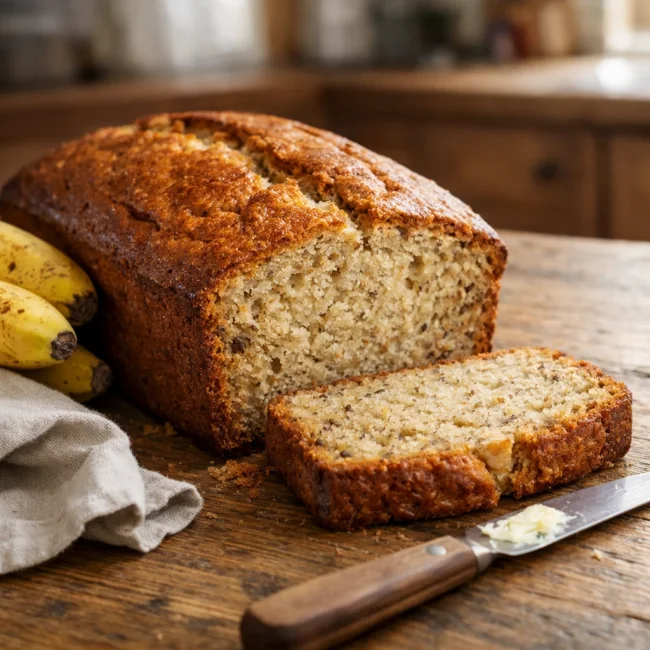
Classic Banana Bread
Classic Banana Bread is a timeless dessert beloved for its moist texture and sweet...
View RecipeFrequently Asked Questions
- Can I use salted butter?
- Yes, but reduce the added salt to 1/4 teaspoon to balance the flavors.
- What if I don't have buttermilk?
- You can make a substitute by adding a tablespoon of lemon juice or vinegar to 3/4 cup of milk.
Serving Ideas for Heirloom Buttermilk Biscuits
These biscuits are versatile. Try them with a slather of honey butter for breakfast, or serve alongside a hearty stew or soup for dinner. They also make excellent bases for shortcakes, topped with fresh berries and cream.
More Breads & Baked Goods Recipes

Traditional Italian Easter Bread
Savor the delightful taste of a classic Italian Easter bread, a sweet, soft, and s...
View Recipe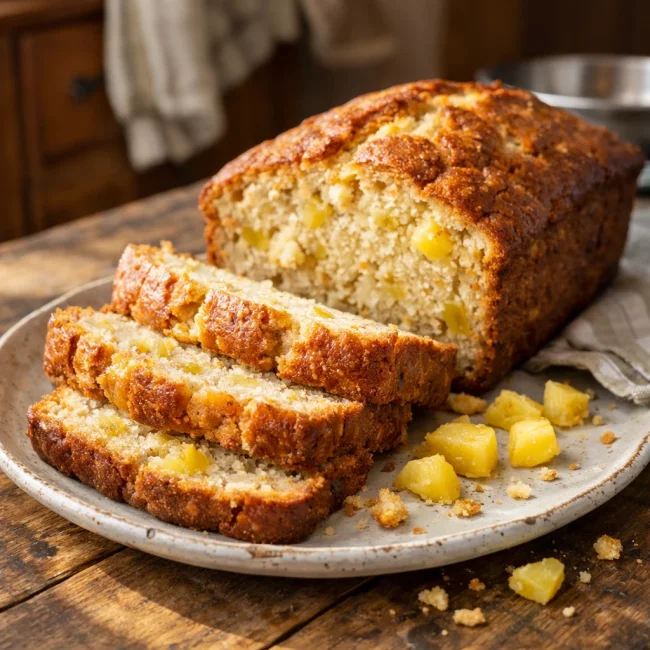
Old-Fashioned Pineapple Bread
A delightful and flavorful bread infused with juicy pineapple, perfect for breakfa...
View Recipe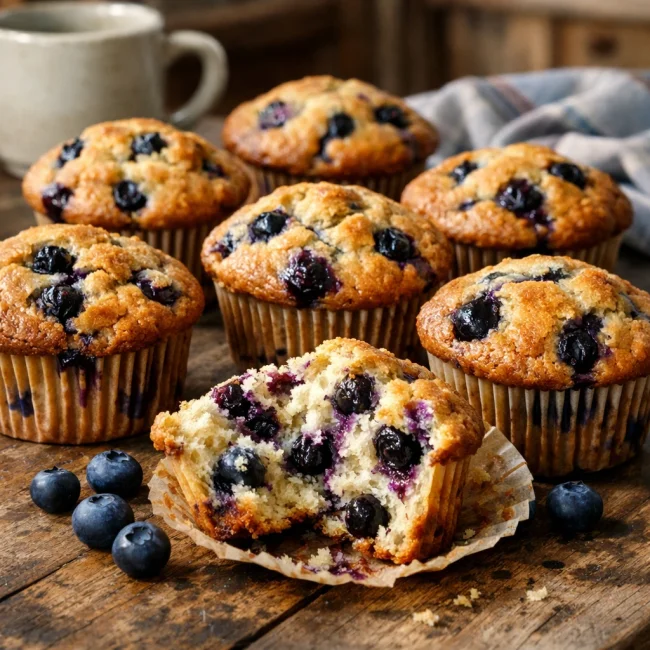
Old-Fashioned Blueberry Muffins
Transport yourself to simpler times with these delightful old-fashioned blueberry ...
View Recipe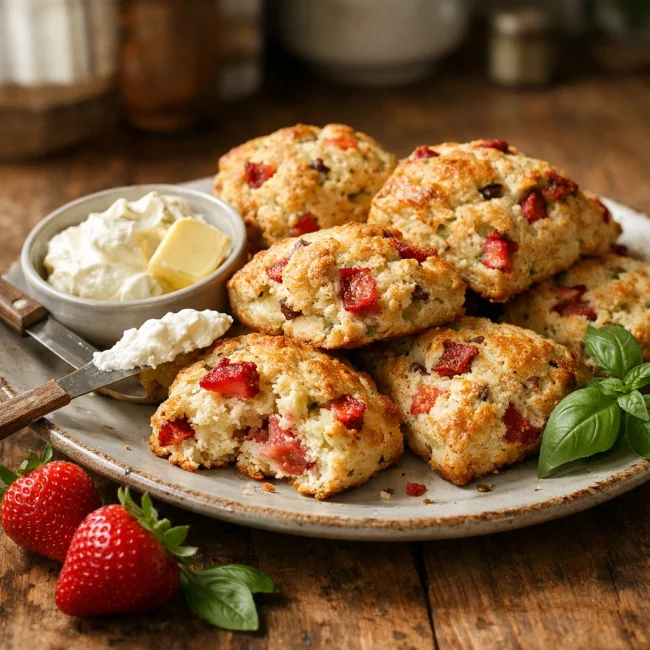
Strawberry Basil Scones
These tender scones combine the sweetness of fresh strawberries with a hint of pep...
View Recipe