
Hearty Slow Cooker Beef Stew with Root Vegetables
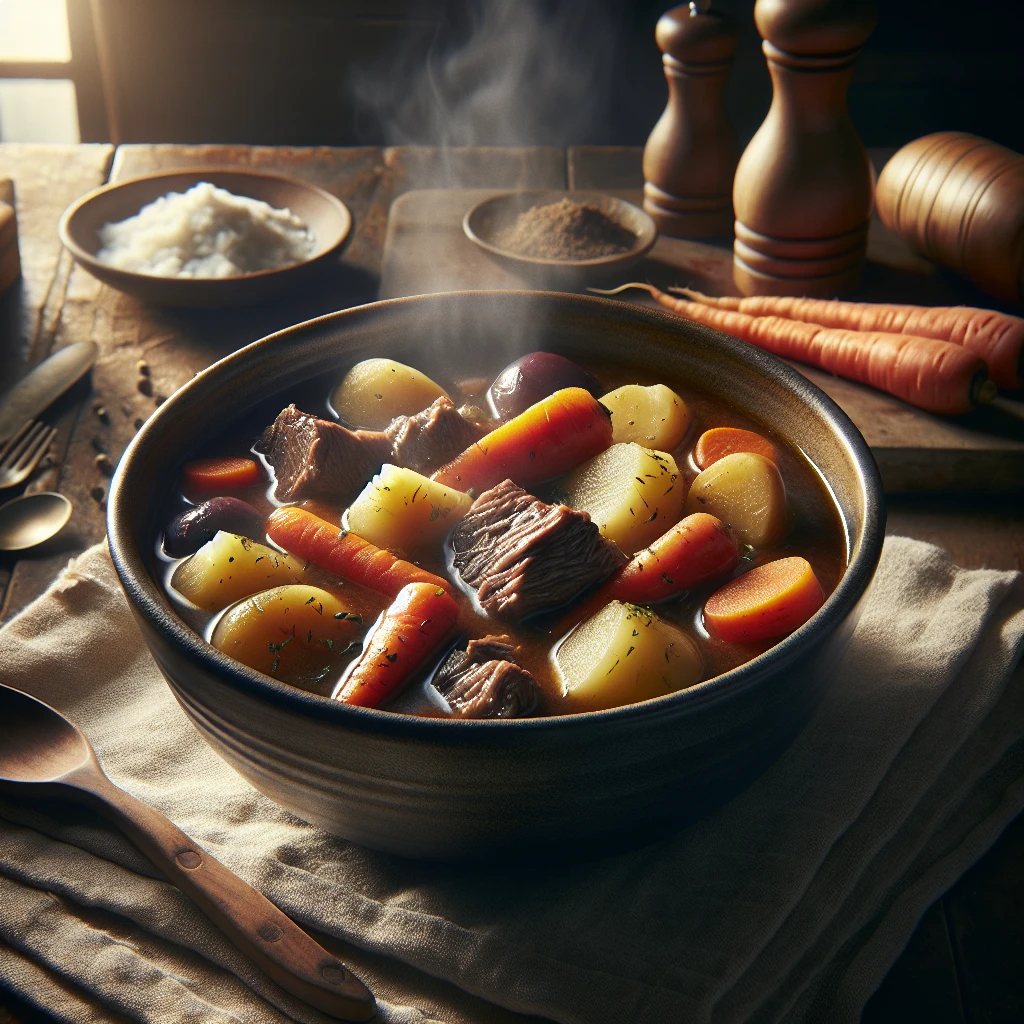
Welcome to a cozy culinary adventure with my Hearty Slow Cooker Beef Stew with Root Vegetables! This dish is perfect for a chilly day when you crave something warm and comforting. It brings together the robust flavors of tender beef and earthy root vegetables in a way that’s just pure magic.
 Share
Share
This post may contain affiliate links. As an Amazon Associate, we earn from qualifying purchases.
Ingredients for Hearty Slow Cooker Beef Stew with Root Vegetables
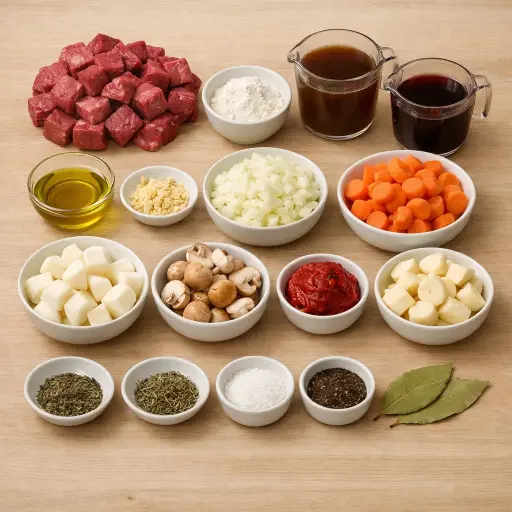
Beef chuck roast is ideal for slow cooking because it becomes incredibly tender and flavorful. Coating it in all-purpose flour helps thicken the stew as it cooks. Olive oil is used for browning, adding a subtle richness. Beef broth and red wine form the base, creating a deep, savory foundation. Garlic and onion add essential aromatics, while carrots, parsnips, and turnips bring natural sweetness and heartiness. Button mushrooms add an earthy depth. Tomato paste gives a concentrated burst of umami, and Worcestershire sauce adds complexity. The herbs — dried thyme and rosemary — infuse a fragrant, woodsy aroma. Finally, salt and pepper balance the flavors, and bay leaves impart subtle herbal notes.
Why This Hearty Slow Cooker Beef Stew with Root Vegetables Works
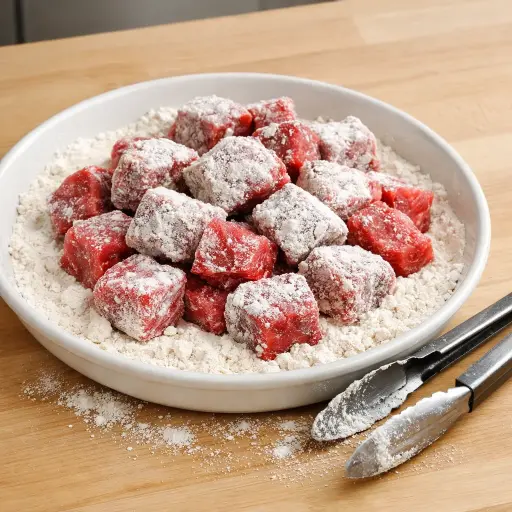
At the start, coating the beef in flour gives each piece a thin jacket. When the beef hits the hot oil, that flour sticks on and browns. Later in the slow cooker, that same flour soaks up liquid from the broth and wine and slowly thickens it, so the stew turns from watery to nicely thick and glossy as it cooks.
During the long, low cooking time, the tough parts in the chuck roast slowly break down. The meat starts out chewy, but hour after hour in the hot liquid, the connective tissue softens and turns almost jelly-like, so the beef ends up tender instead of stringy. Because the pot stays covered, the broth and wine do not boil away, so the meat stays moist.
While everything cooks, the carrots, parsnips, turnips, onions, and mushrooms soften and give up some of their juices into the pot. At the same time, they soak in the seasoned broth around them. By the time it is done, the vegetables are soft but still hold their shape, and the liquid has thickened into a stew that clings to the spoon.
Hearty Slow Cooker Beef Stew with Root Vegetables Tips & Tricks
- For a thicker stew, mix a tablespoon of cornstarch with a bit of cold water and stir it in during the last hour of cooking.
- If you prefer a bit of heat, sprinkle in some red pepper flakes with the seasoning.
- Use a good quality red wine — something you’d enjoy drinking. It makes a big difference!
Mistakes To Avoid
Letting the beef skip the browning step leaves it pale and wet on the outside, so it steams in the slow cooker instead of slowly tightening and then softening. The flour on the meat never really cooks, and the stew liquid stays thinner and a bit chalky instead of turning into a rich, slightly thick sauce.
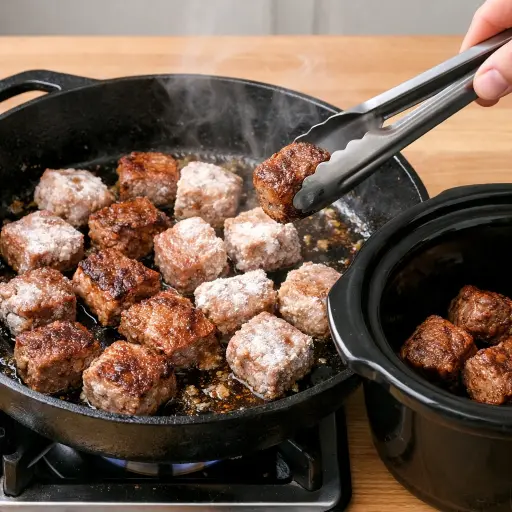
Crowding the skillet while browning the beef causes the cubes to release a lot of liquid and boil in their own juices. The surface never gets a good crust, so the meat ends up with a softer, stringy outside and the stew broth tastes more watery and flat.
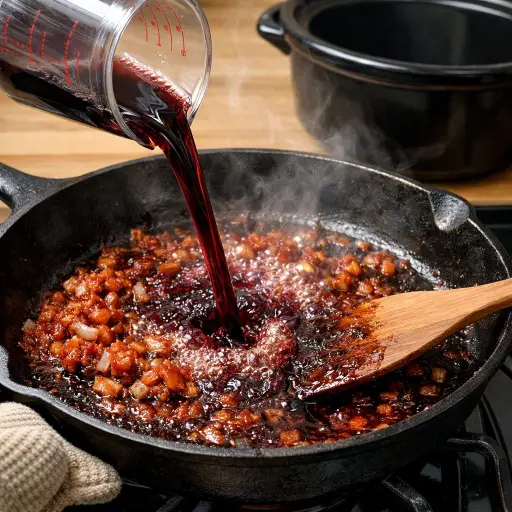
Pouring the wine straight into the slow cooker without deglazing the pan first leaves all the browned bits stuck to the skillet. Those bits either get washed down the drain or burned on the pan, and the stew liquid stays lighter and less full, with a thinner body.
Cutting the root vegetables into big, uneven chunks means some pieces stay firm and slightly crunchy while others turn mushy. The stew then has an odd mix of hard bites and falling-apart pieces instead of evenly soft vegetables.
Equipment Used:
Ingredients
- 2 lbs beef chuck roast, cubed
- 1/4 cup all-purpose flour
- 1/4 cup olive oil
- 2 cups beef broth
- 1 cup red wine
- 3 cloves garlic, minced
- 1 large onion, diced
- 3 large carrots, sliced
- 2 large parsnips, sliced
- 2 medium turnips, peeled and cubed
- 1 cup button mushrooms, halved
- 2 tbsp tomato paste
- 1 tbsp Worcestershire sauce
- 1 tsp dried thyme
- 1 tsp dried rosemary
- Salt and pepper to taste
- 2 bay leaves
Step-by-step Instructions
- 1. Dredge beef cubes in flour, shaking off excess.
- 2. Heat olive oil in a skillet over medium-high heat. Brown beef on all sides, then transfer to slow cooker.
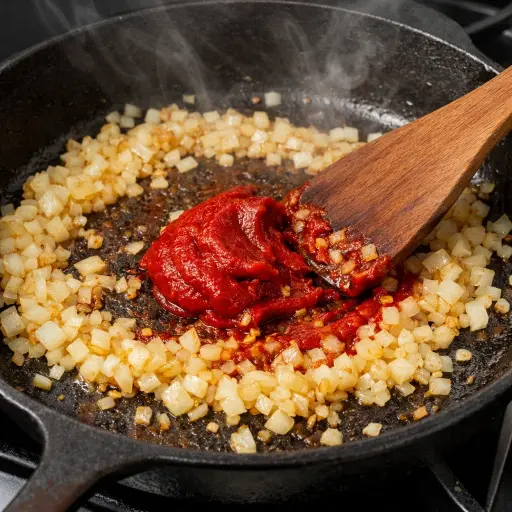
- 3. In the same skillet, add onion and garlic, sauté until translucent. Add tomato paste, stirring for 2 minutes.
- 4. Pour in red wine, deglazing the pan, then transfer contents to the slow cooker.
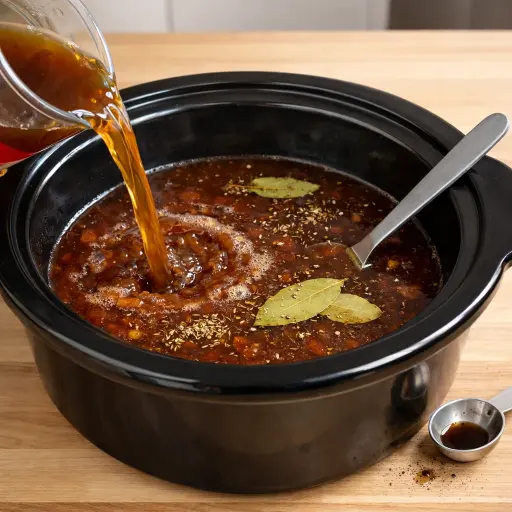
- 5. Add beef broth, Worcestershire sauce, thyme, rosemary, salt, pepper, and bay leaves to the slow cooker, stirring to combine.
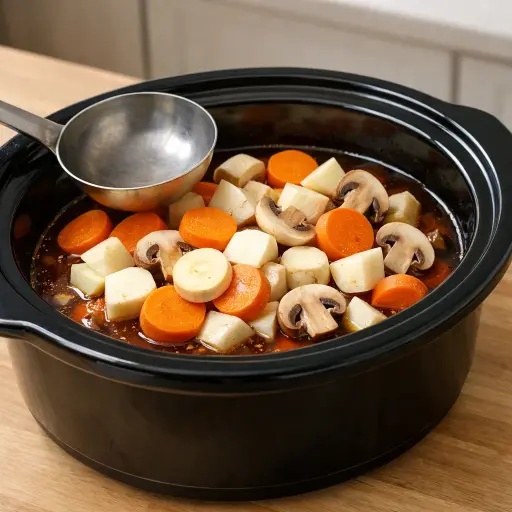
- 6. Layer in carrots, parsnips, turnips, and mushrooms.
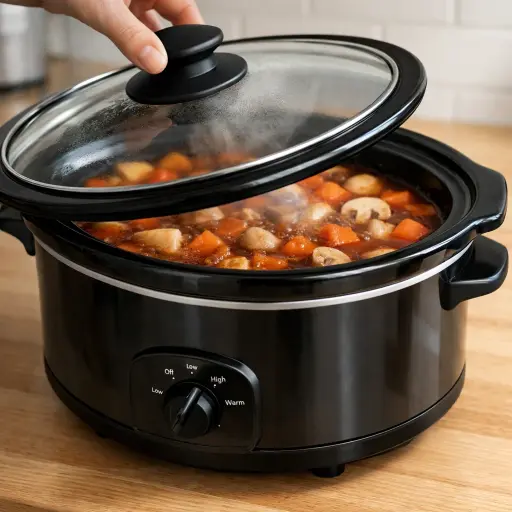
- 7. Cover and cook on low for 8 hours or until beef is tender.
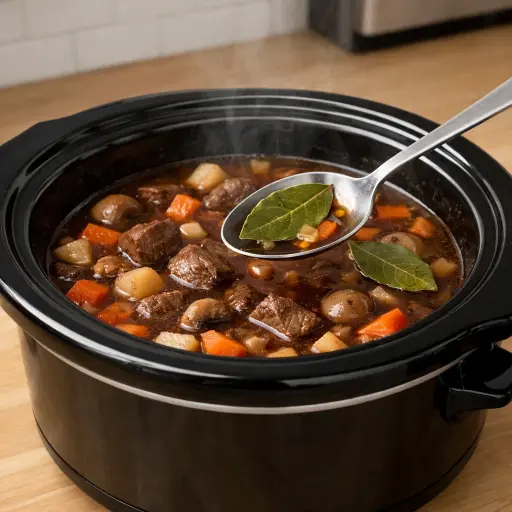
- 8. Discard bay leaves before serving.
Trending Now
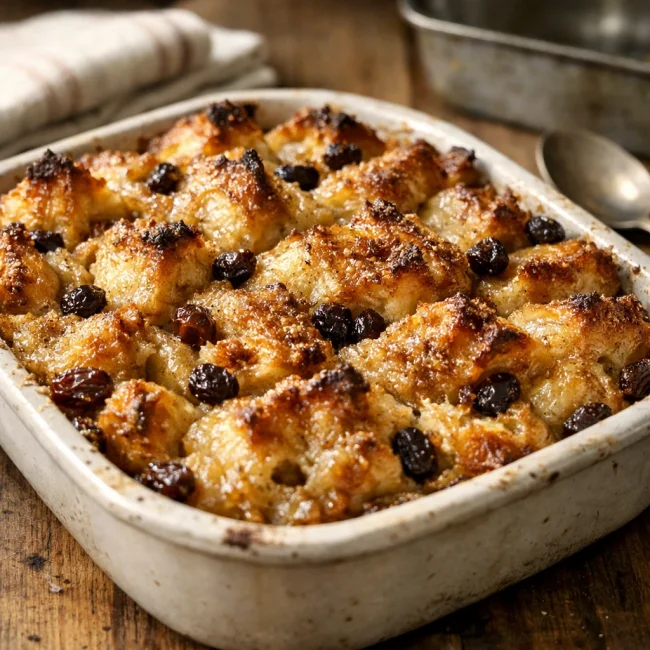
Old-Fashioned Bread Pudding
Discover the classic charm of Old-Fashioned Bread Pudding - a timeless dessert com...
View Recipe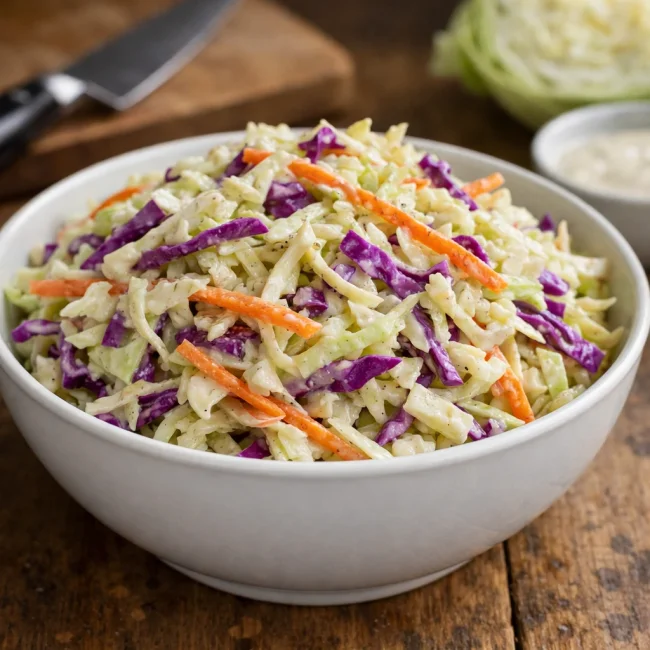
Traditional Crisp Coleslaw
A classic coleslaw recipe featuring finely shredded cabbage and carrots tossed in ...
View Recipe
Traditional Italian Bruschetta
Experience the authentic taste of Italian bruschetta, a perfect blend of fresh tom...
View Recipe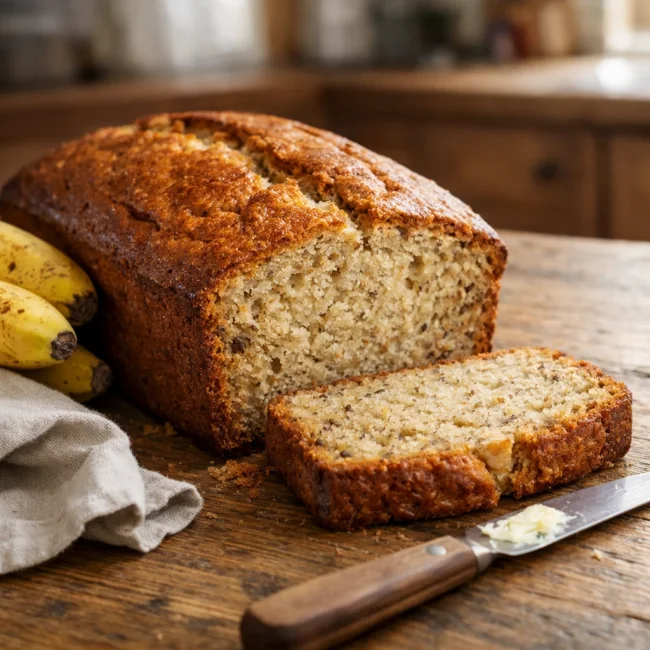
Classic Banana Bread
Classic Banana Bread is a timeless dessert beloved for its moist texture and sweet...
View RecipeFrequently Asked Questions
- Can I use a different cut of beef?
- Yes, beef brisket or short ribs work well too, though they may require different cooking times.
- Can I make this stew in advance?
- Absolutely! It actually tastes better the next day as the flavors meld together.
- What can I use instead of red wine?
- Try substituting with an equal amount of additional beef broth and a splash of red wine vinegar for acidity.
Serving Ideas for Hearty Slow Cooker Beef Stew with Root Vegetables
This stew is a meal in itself, but it pairs wonderfully with crusty bread to soak up all that delicious gravy. A side of buttered green beans or a simple green salad adds a nice balance to the rich, hearty flavors.
More Soups & Stews Recipes

Classic Clam Chowder
Indulge in a timeless seaside staple with our Classic Clam Chowder recipe, a rich ...
View Recipe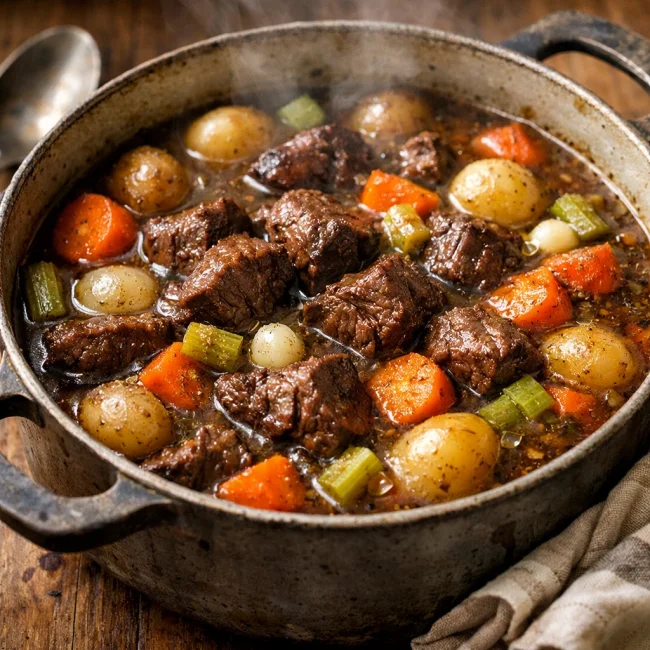
Traditional Beef Stew
A heartwarming traditional beef stew that combines tender beef chunks with classic...
View Recipe
Southwestern Chipotle Taco Soup
Explore the bold flavors of the Southwest with this unique variation of taco soup,...
View Recipe
Southwest Fiesta Taco Soup
Discover the vibrant flavors of our Southwest Fiesta Taco Soup, a quick and hearty...
View Recipe