
Hearty Autumn Beef Stew
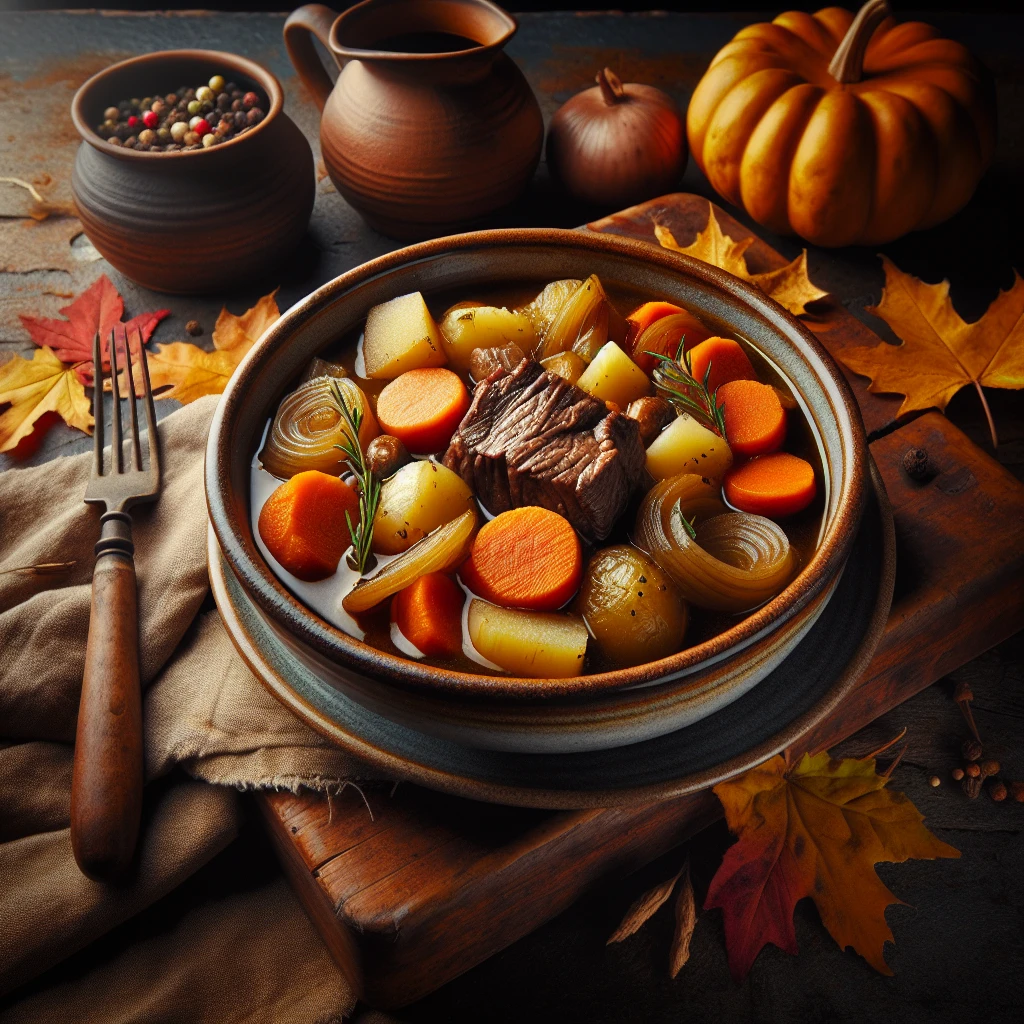
As the leaves turn and the air gets crisper, there's nothing quite like a warm bowl of beef stew to bring comfort to your table. This Hearty Autumn Beef Stew is packed with rich flavors and tender chunks of beef, making it the perfect meal for cozying up on a chilly evening.
 Share
Share
This post may contain affiliate links. As an Amazon Associate, we earn from qualifying purchases.
Ingredients for Hearty Autumn Beef Stew
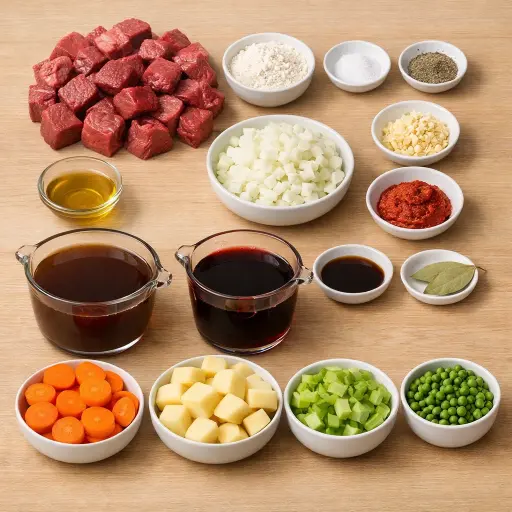
Beef chuck is your go-to for stew, as it becomes tender and flavorful when slow-cooked. All-purpose flour helps thicken the stew slightly, giving it a satisfying texture. Salt and black pepper are essential for seasoning the beef right from the start. Olive oil is used for browning the beef and sautéing the vegetables, adding a subtle richness. Onion and garlic form the aromatic base of the stew, their flavors deepening as they cook. Beef broth is the backbone of the stew, providing a savory base for all the ingredients to meld together. A splash of red wine adds depth and a hint of acidity, balancing the flavors. Tomato paste contributes a touch of sweetness and umami. Worcestershire sauce brings an extra layer of savory goodness. Bay leaves infuse an herbaceous note that rounds out the stew. Fresh carrots, potatoes, and celery make the stew hearty and filling. Frozen peas add a pop of color and sweetness, while fresh parsley brightens the dish just before serving.
Why This Hearty Autumn Beef Stew Works
At the start, the beef cubes are coated in flour and browned in hot oil. The flour sticks to the outside and forms a thin crust. As the stew simmers later, that flour slowly loosens and mixes into the liquid, so the broth goes from thin to thick and stew-like instead of watery. Browning the beef also gives the outside a bit of chew while the inside stays soft as it cooks low and slow.
During the long simmer with broth, wine, and tomato paste, the tough parts of the beef begin to break down. Over time the meat goes from firm to fork-tender. The carrots, potatoes, and celery are added later so they have time to soften, but not so long that they fall apart. Their starch and edges mix into the liquid too, which makes the stew even thicker.
Near the end, peas and parsley only warm through. They stay bright and a little firm, so the stew doesn’t feel heavy and mushy all the way through.
Hearty Autumn Beef Stew Tips & Tricks
- For maximum flavor, take the time to properly brown your beef on all sides.
- If the stew is too thick for your liking, add a splash more beef broth or water.
- Use a heavy-bottomed pot to prevent sticking and ensure even cooking.
Mistakes To Avoid
Letting the beef skip a real browning step leaves it gray and wet on the outside instead of forming a dark crust. Without that crust, the flour on the meat doesn’t toast properly and the stew liquid stays more flat and starchy, so the broth ends up dull and a bit pasty instead of rich and full-bodied.
Cooking the stew at a strong boil for the whole time often makes the beef tough on the outside while the inside stays chewy. The liquid also evaporates too fast, so the pot needs extra broth or water, which thins everything out and leaves the sauce watery instead of thick and silky.
Adding the carrots, potatoes, and celery at the very beginning causes them to break down before the beef is tender. By the time the meat is soft, the vegetables have started to fall apart, turning the stew base grainy and mushy, with potato dissolving into the liquid.
Stirring in the peas too early makes them shrivel and lose their bright color. They soften to the point of bursting, so instead of small, firm pops in the stew, they blend into the sauce and give it a dull green tint.
Equipment Used:
Ingredients
- 2 lbs beef chuck, cut into 1-inch cubes
- 3 tbsp all-purpose flour
- 1 tsp salt
- 1/2 tsp black pepper
- 2 tbsp olive oil
- 1 large onion, diced
- 3 cloves garlic, minced
- 4 cups beef broth
- 1 cup red wine
- 2 tbsp tomato paste
- 1 tbsp Worcestershire sauce
- 2 bay leaves
- 4 large carrots, sliced
- 3 large potatoes, peeled and cubed
- 2 stalks celery, chopped
- 1 cup frozen peas
- 1/4 cup fresh parsley, chopped
Step-by-step Instructions
- 1. In a large bowl, toss the beef cubes with flour, salt, and pepper until evenly coated.
- 2. Heat olive oil in a large pot over medium-high heat. Brown the beef in batches, ensuring all sides are seared, then remove from pot.
- 3. In the same pot, add onion and garlic, sauté until translucent.
- 4. Stir in beef broth, red wine, tomato paste, Worcestershire sauce, and bay leaves, scraping up any browned bits from the bottom.
- 5. Return beef to the pot, bring to a simmer, and cover. Cook on low heat for about 1.5 hours.
- 6. Add carrots, potatoes, and celery to the pot, and continue cooking for another 30 minutes until vegetables are tender.
- 7. Stir in peas and cook for an additional 5 minutes.
- 8. Remove bay leaves, adjust seasoning with salt and pepper if needed, and stir in fresh parsley before serving.
Trending Now
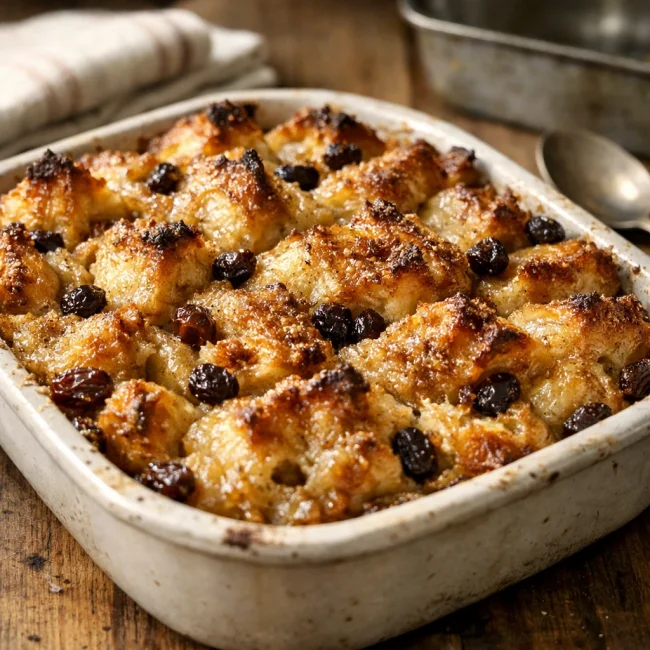
Old-Fashioned Bread Pudding
Discover the classic charm of Old-Fashioned Bread Pudding - a timeless dessert com...
View Recipe
Traditional Italian Bruschetta
Experience the authentic taste of Italian bruschetta, a perfect blend of fresh tom...
View Recipe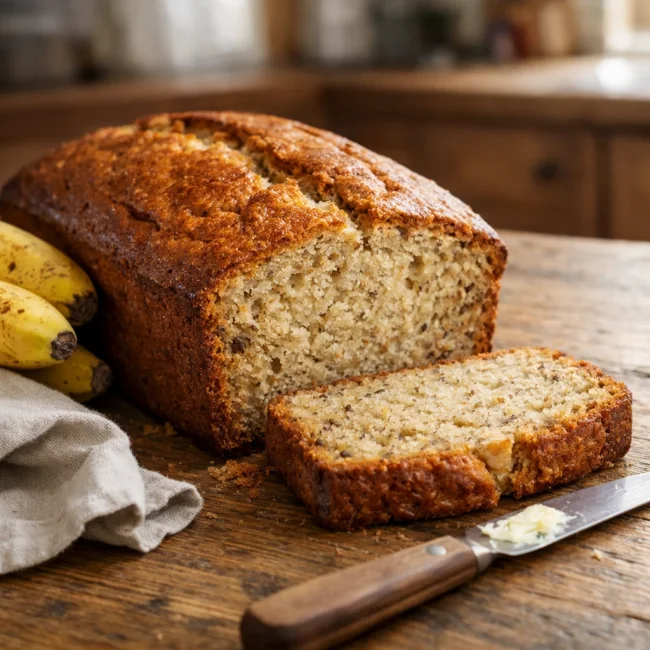
Classic Banana Bread
Classic Banana Bread is a timeless dessert beloved for its moist texture and sweet...
View Recipe
Classic Green Beans
Discover the timeless delight of Classic Green Beans, a simple yet flavorful side ...
View RecipeFrequently Asked Questions
- Can I make this stew in a slow cooker?
- Yes, after browning the beef and sautéing the onions and garlic, transfer everything to a slow cooker. Cook on low for 6-8 hours.
- Can I freeze leftovers?
- Absolutely! This stew freezes well. Just cool it completely, transfer to airtight containers, and freeze for up to 3 months.
- What can I use instead of red wine?
- If you prefer not to use wine, you can substitute with additional beef broth or grape juice.
Serving Ideas for Hearty Autumn Beef Stew
This stew pairs beautifully with crusty bread for soaking up all the delicious, savory broth. A simple green salad with a tangy vinaigrette can complement the rich flavors of the stew nicely. For a heartier meal, consider serving it over mashed potatoes or alongside roasted root vegetables.
More Soups & Stews Recipes

Classic Clam Chowder
Indulge in a timeless seaside staple with our Classic Clam Chowder recipe, a rich ...
View Recipe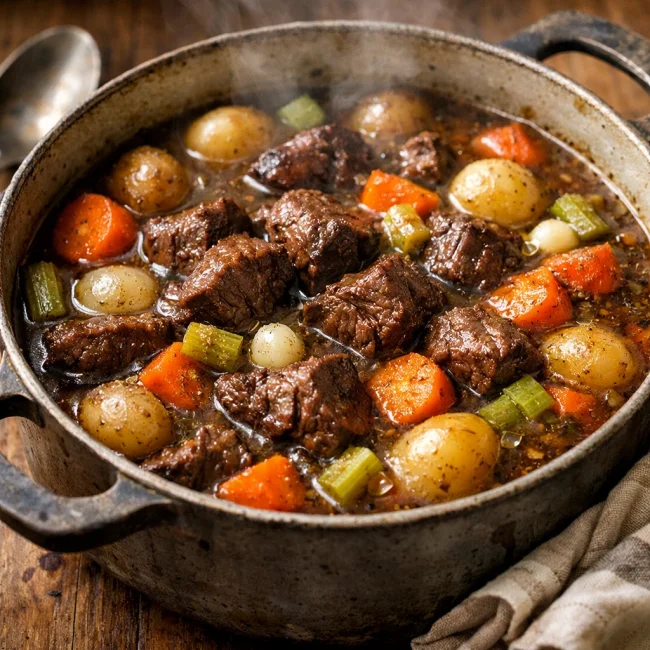
Traditional Beef Stew
A heartwarming traditional beef stew that combines tender beef chunks with classic...
View Recipe
Southwestern Chipotle Taco Soup
Explore the bold flavors of the Southwest with this unique variation of taco soup,...
View Recipe
Southwest Fiesta Taco Soup
Discover the vibrant flavors of our Southwest Fiesta Taco Soup, a quick and hearty...
View Recipe