
Hearty Artisan White Bread
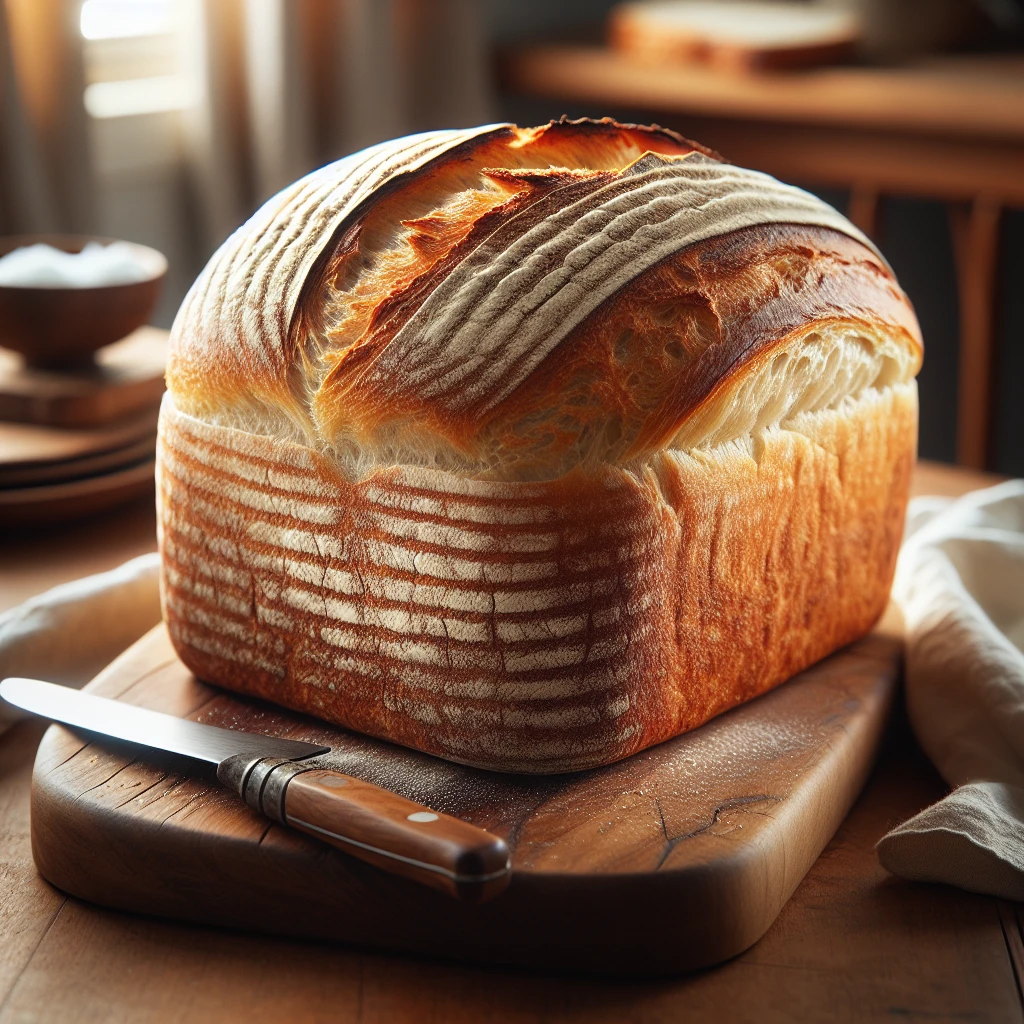
Welcome to the world of homemade bread that's as satisfying to bake as it is to eat. This Hearty Artisan White Bread is the perfect blend of simplicity and flavor, making it a staple for any bread lover's kitchen.
 Share
Share
This post may contain affiliate links. As an Amazon Associate, we earn from qualifying purchases.
Ingredients for Hearty Artisan White Bread
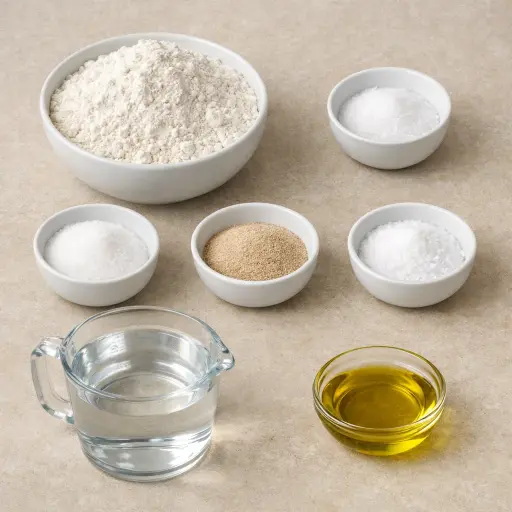
The foundation of this bread is all-purpose flour, which provides the right texture and structure. A touch of salt enhances flavor, while sugar feeds the yeast for a good rise. The active dry yeast is the powerhouse that makes the dough rise, and warm water activates it, ensuring a good start. Finally, olive oil adds a subtle richness and helps prevent sticking.
Why This Hearty Artisan White Bread Works
During the long rest, the tiny amount of yeast slowly wakes up and starts eating the sugar in the dough. As it does that, it makes gas and the dough fills with bubbles. Over 12 to 18 hours, the flour soaks up the water, the dough loosens, and gluten strands stretch and link together on their own, without much kneading. The dough starts out sticky and rough, but by the time it has rested, it feels lighter and full of air.
On the hot counter and then in the warm Dutch oven, those bubbles expand even more. The heavy pot traps steam from the wet dough, so the outside stays soft at first while the inside sets. That steam keeps the bread moist and lets the loaf rise high before the crust firms up. Once the lid comes off, the surface dries out and browns, turning deep golden and crisp, while the inside stays soft, chewy, and full of those big, irregular holes.
Hearty Artisan White Bread Tips & Tricks
- Use a kitchen thermometer to ensure your water is the right temperature (around 110°F).
- If your home is cold, let the dough rise in an oven that's been slightly warmed and then turned off.
- For a more pronounced flavor, allow the dough to rise for the full 18 hours.
Mistakes To Avoid
Letting the dough rise in a cool room or for much less than 12 hours often means the yeast barely wakes up. The dough stays tight and low instead of airy and bubbly. In the oven, this kind of dough bakes into a heavy, dense loaf with very small holes and a chewy, tough bite.
Pouring in water that is too hot can quietly kill most of the yeast. The dough may look mixed, but it never really puffs up during the long rest. The finished bread comes out flat, pale, and gummy inside instead of tall and light.
Skipping the preheat of the Dutch oven keeps the bottom crust from setting fast. The dough spreads out instead of springing upward, and the loaf bakes wider and flatter. The base can turn soft and a little soggy instead of firm and crisp.
Adding a lot of extra flour while shaping can dry out the surface of the dough. The outside forms a stiff shell that doesn’t stretch well in the oven. This leads to fewer big air pockets and a thicker, harder crust.
Equipment Used:
Ingredients
- 5 cups all-purpose flour
- 2 teaspoons salt
- 2 teaspoons sugar
- 1 teaspoon active dry yeast
- 2 cups warm water (110°F)
- 1 tablespoon olive oil
Step-by-step Instructions
- 1. In a large bowl, mix flour, salt, and sugar.
- 2. Stir in yeast and warm water until a sticky dough forms.
- 3. Cover bowl with plastic wrap and let it rise in a warm place for 12-18 hours.
- 4. Preheat oven to 450°F; place a Dutch oven inside to heat.
- 5. Shape dough on a floured surface; cover and let it rest for 30 minutes.
- 6. Carefully place dough in heated Dutch oven, cover, and bake for 30 minutes.
- 7. Uncover and bake an additional 15 minutes, or until crust is golden brown.
Trending Now

Classic Cucumber Salad
A refreshing and light cucumber salad featuring crisp cucumbers and a tangy vinaig...
View Recipe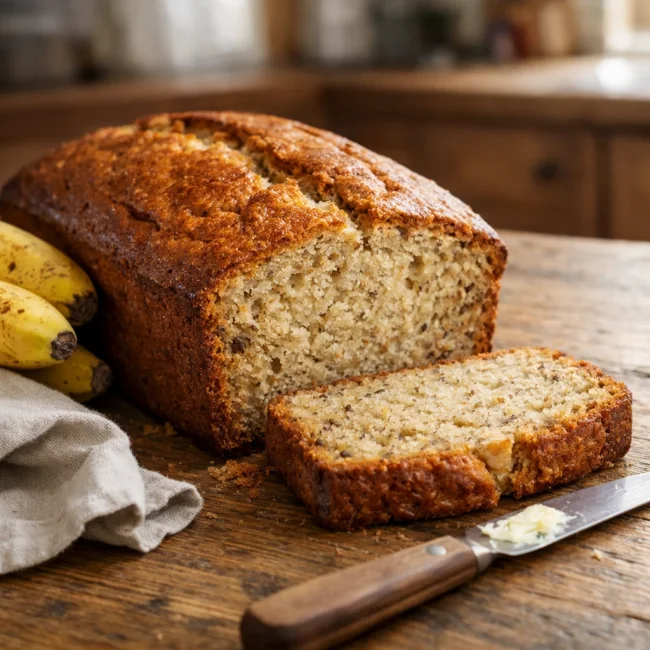
Classic Banana Bread
Classic Banana Bread is a timeless dessert beloved for its moist texture and sweet...
View Recipe
Zesty Summer Squash Casserole
This delightful summer squash casserole combines vibrant garden-fresh vegetables w...
View Recipe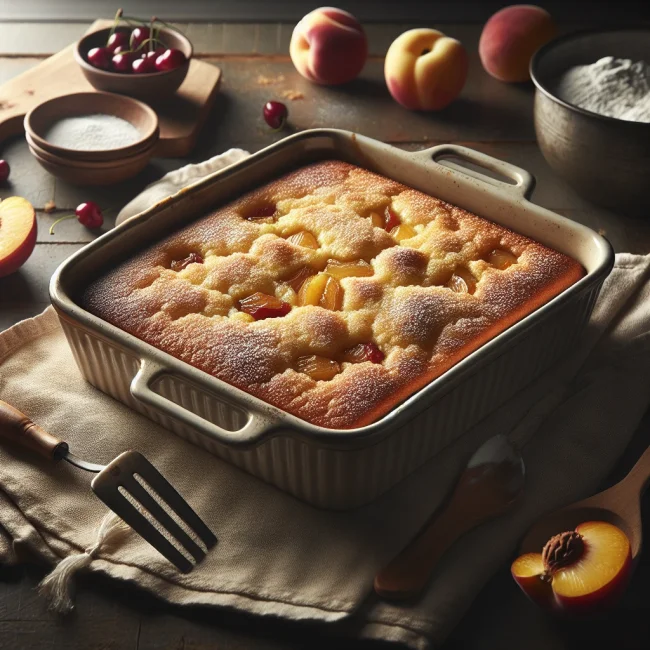
Traditional Dump Cake
Discover the timeless delight of the Traditional Dump Cake, a simple and scrumptio...
View RecipeFrequently Asked Questions
- Can I use whole wheat flour instead of all-purpose flour?
- You can substitute some of the all-purpose flour with whole wheat flour, but note that the bread may be denser.
- What if I don't have a Dutch oven?
- A heavy oven-safe pot with a lid will work as a substitute. Ensure it can withstand high temperatures.
Serving Ideas for Hearty Artisan White Bread
This bread is incredibly versatile. Serve it warm with a pat of butter for breakfast or alongside a hearty soup or stew for dinner. It also makes excellent sandwiches. Try it with fresh mozzarella, basil, and tomatoes for a simple yet delicious meal.
More Breads & Baked Goods Recipes

Traditional Italian Easter Bread
Savor the delightful taste of a classic Italian Easter bread, a sweet, soft, and s...
View Recipe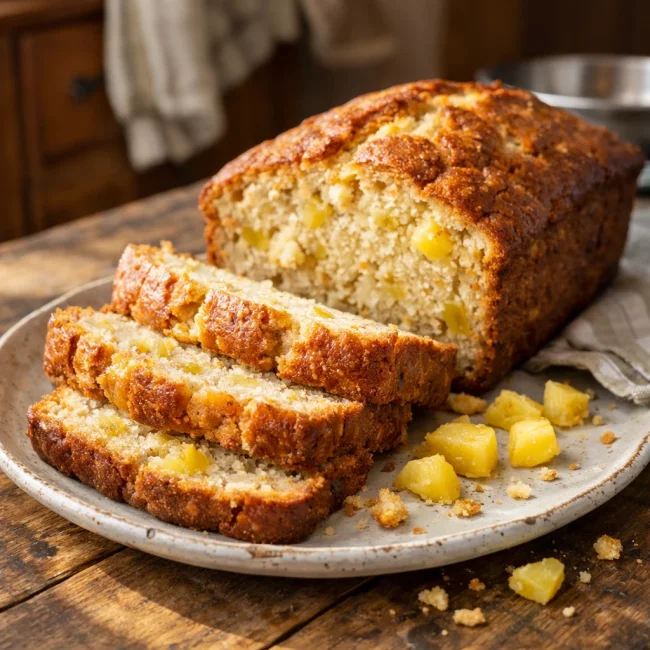
Old-Fashioned Pineapple Bread
A delightful and flavorful bread infused with juicy pineapple, perfect for breakfa...
View Recipe
Old-Fashioned Blueberry Muffins
Transport yourself to simpler times with these delightful old-fashioned blueberry ...
View Recipe
Strawberry Basil Scones
These tender scones combine the sweetness of fresh strawberries with a hint of pep...
View Recipe