
Handmade Pasta with Truffle Cream Sauce
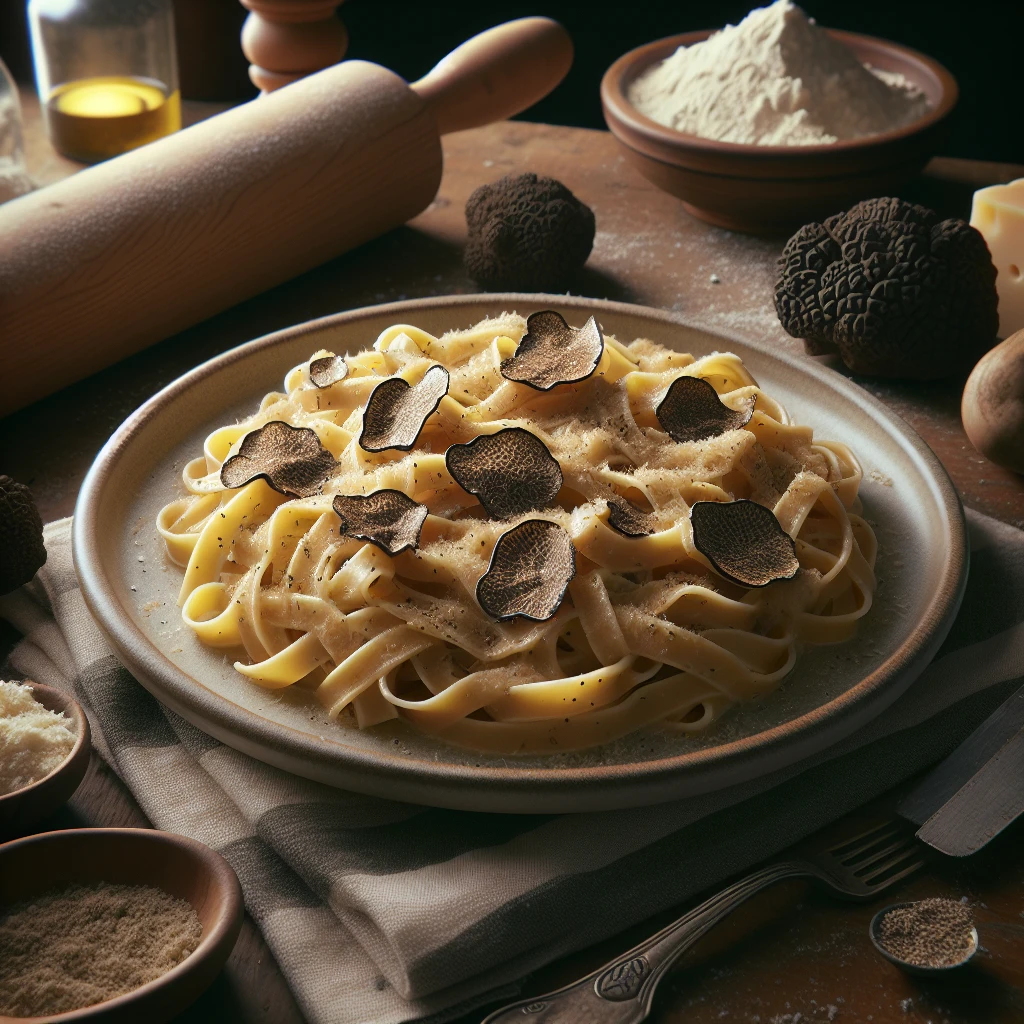
This handmade pasta with truffle cream sauce is a game changer for your dinner table. The rich, aromatic truffle sauce elevates this dish to gourmet status, while the homemade pasta adds a comforting, rustic touch. Perfect for impressing dinner guests or treating yourself to a special meal.
 Share
Share
This post may contain affiliate links. As an Amazon Associate, we earn from qualifying purchases.
Ingredients for Handmade Pasta with Truffle Cream Sauce
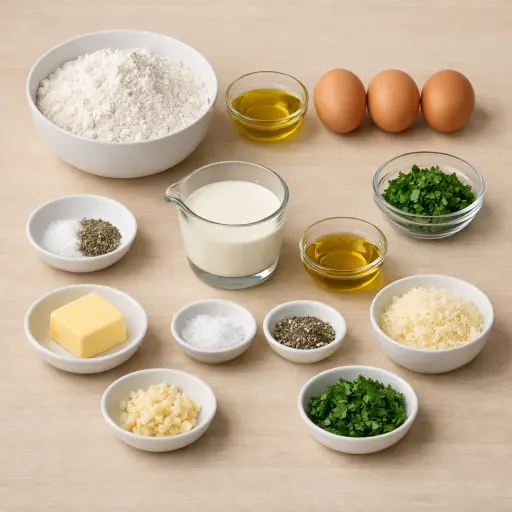
Flour: The base of your pasta, providing the structure. Use all-purpose flour for a perfect balance of chewiness and tenderness.
Eggs: These bind the dough together, adding richness and color.
Olive oil: A dash in the pasta dough keeps it supple and adds a hint of flavor.
Salt: Enhances the flavors in both the pasta and the sauce.
Heavy cream: The foundation of the sauce, lending a creamy and rich texture.
Truffle oil: Infuses the sauce with its distinctive, earthy aroma and flavor.
Parmesan cheese: Adds nuttiness and depth to the sauce.
Butter: Sautéing the garlic in butter adds a lovely, mellow base flavor to the sauce.
Garlic: Provides a subtle, aromatic warmth to the sauce.
Fresh parsley: Adds a pop of color and freshness to the finished dish.
Why This Handmade Pasta with Truffle Cream Sauce Works
During mixing and kneading, the flour soaks up the eggs and oil and slowly forms a smooth dough. As the dough is worked, the flour’s structure lines up and gets stretchy, so it can be rolled very thin without tearing. After the dough is wrapped and left alone, that tight stretch relaxes. Resting lets the moisture spread out evenly, so the pasta rolls easier and cooks more evenly later.
Once the fresh pasta hits the boiling salted water, it cooks fast. The starch in the flour swells and firms up, so the noodles stay tender but still have a little bite instead of turning mushy. In the pan, butter, garlic, and cream warm together and the cream thickens slightly as water steams off. Parmesan melts into the hot cream and gives the sauce body, so it clings to the pasta instead of sliding off. When the truffle oil goes in at the end, its scent spreads through the warm sauce without being cooked off, and the hot noodles soak a bit of that fat into their surface.
Handmade Pasta with Truffle Cream Sauce Tips & Tricks
- If the dough feels too dry while kneading, wet your hands slightly and continue kneading.
- Don’t skip the dough resting period; it makes rolling out the pasta much easier.
- For a more intense truffle flavor, you can add a touch more truffle oil to the finished sauce.
- Use freshly grated Parmesan for the best flavor and melting quality.
Mistakes To Avoid
Rolling the pasta too thick means it needs longer to cook, so the outside softens while the center stays tough and chewy. The sauce then slides off instead of coating, and the dish feels heavy instead of light.
Skipping the resting time for the dough often leads to pasta that shrinks back while rolling and tears easily. In the pot, this dough cooks unevenly, with some pieces turning mushy while thicker spots stay firm and rubbery.
Letting the pasta boil too long turns it soft and swollen, so it breaks apart when tossed with the sauce. The overcooked pasta also soaks up too much liquid, leaving the truffle cream dry and pasty instead of silky.
Adding the truffle oil while the cream is boiling hard can cause the aroma to fade and the fat to separate. The sauce then looks oily on top, with little pools of grease instead of a smooth, even coating.
Using too much Parmesan at once can make the hot cream seize up into a thick, clumpy mass. The cheese forms strings and lumps, and the pasta ends up coated in sticky patches instead of a smooth sauce.
Equipment Used:
Ingredients
- 2 cups all-purpose flour
- 3 large eggs
- 1 tbsp olive oil
- 1/4 tsp salt
- 1/2 cup heavy cream
- 2 tbsp truffle oil
- 1/4 cup grated Parmesan cheese
- 1 tbsp unsalted butter
- 1 clove garlic, minced
- Salt and pepper to taste
- Fresh parsley, chopped for garnish
Step-by-step Instructions
- 1. Create a mound with the flour on a clean surface and make a well in the center.
- 2. Crack the eggs into the well, add olive oil and salt.
- 3. Gradually mix the flour into the eggs using a fork, then knead by hand for 8-10 minutes until smooth.
- 4. Wrap the dough in plastic and let it rest for 30 minutes.
- 5. Roll out the dough into thin sheets using a pasta machine or rolling pin.
- 6. Cut the pasta into desired shapes, such as fettuccine.
- 7. Bring a pot of salted water to a boil and cook pasta for 3-4 minutes until al dente.
- 8. In a skillet, melt butter over medium heat, add garlic, and sauté for 1 minute.
- 9. Stir in heavy cream and bring to a simmer.
- 10. Add truffle oil and Parmesan cheese, whisking until the sauce is smooth.
- 11. Season the sauce with salt and pepper, then toss in the cooked pasta.
- 12. Garnish with fresh parsley before serving.
Trending Now
Traditional Stuffed Peppers
Explore the delightful blend of seasoned beef, rice, and tomato sauce nestled in v...
View Recipe
Traditional Lemon Pound Cake
A delightful and moist traditional lemon pound cake infused with the fresh zest an...
View Recipe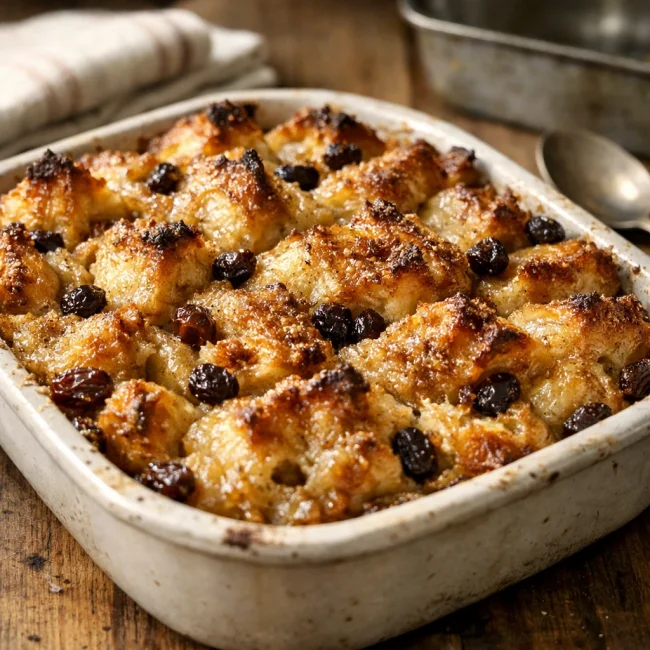
Old-Fashioned Bread Pudding
Discover the classic charm of Old-Fashioned Bread Pudding - a timeless dessert com...
View Recipe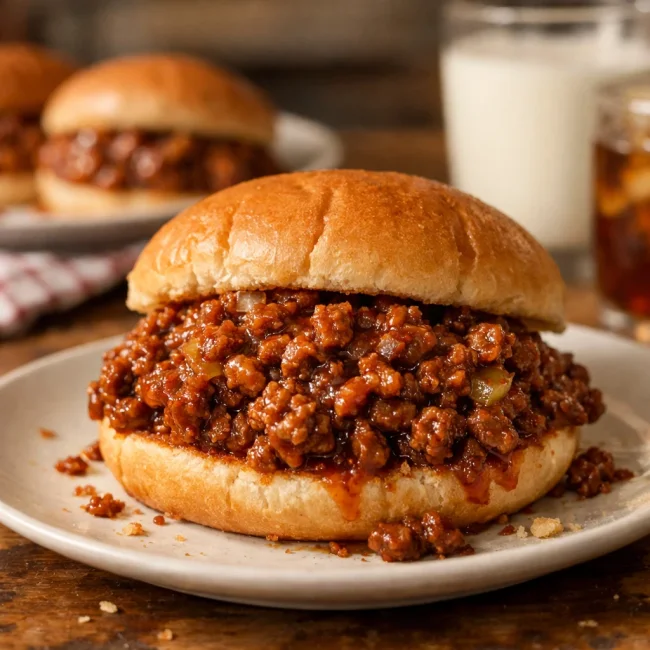
Classic Sloppy Joes
Bring back childhood memories with these hearty and savory sloppy joes. Made with ...
View RecipeFrequently Asked Questions
- Can I make the pasta dough in advance?
- Yes, you can make the dough a day ahead and keep it wrapped in plastic in the fridge. Allow it to come to room temperature before rolling out.
- What if I don't have a pasta machine?
- No worries! A rolling pin works just fine, though it might take a bit more elbow grease to get the dough thin enough.
- How do I store leftovers?
- Store any leftovers in an airtight container in the fridge for up to 2 days. Reheat gently on the stove, adding a splash of cream if needed.
Serving Ideas for Handmade Pasta with Truffle Cream Sauce
This pasta pairs wonderfully with a crisp, green salad tossed in a light vinaigrette. For wine lovers, a glass of Chardonnay or Pinot Noir complements the truffle flavors beautifully. Consider serving with crusty bread to mop up any leftover sauce.
More Pasta Recipes
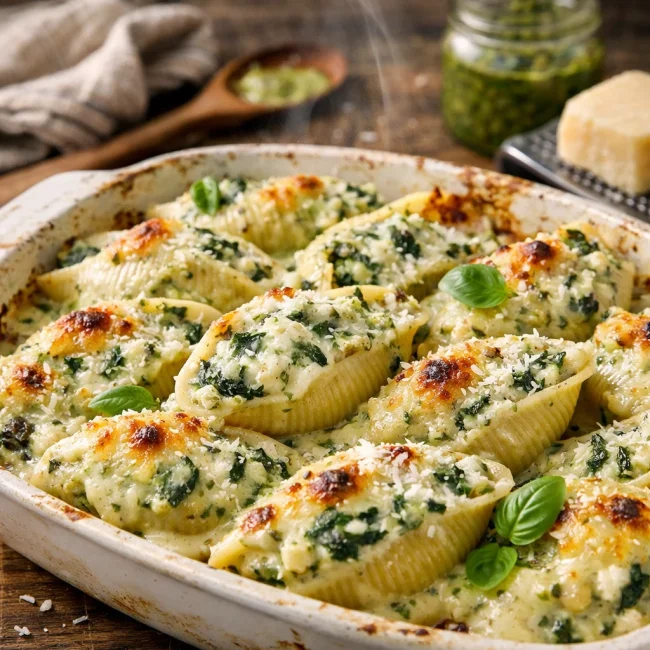
Spinach and Ricotta Stuffed Shells with Pesto Alfredo
Try this delicious twist on classic stuffed shells with a creamy pesto Alfredo sau...
View Recipe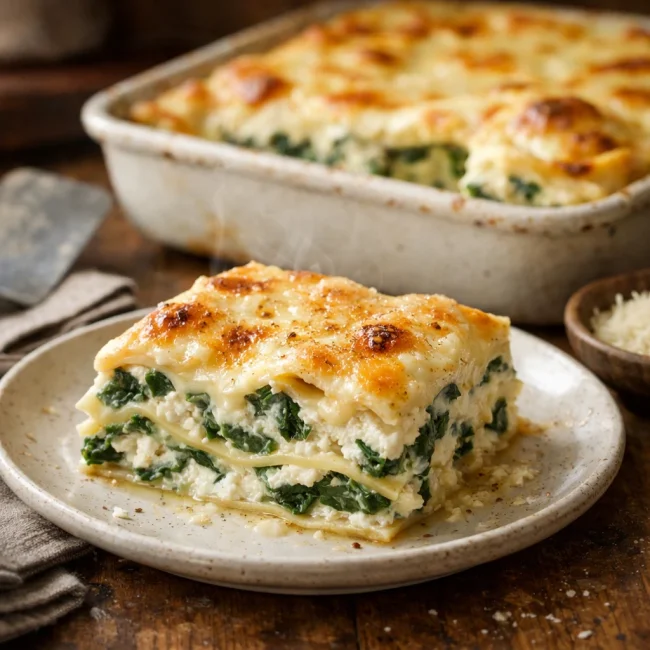
Spinach and Ricotta White Lasagna
A unique twist on the classic lasagna, this white lasagna combines creamy ricotta,...
View Recipe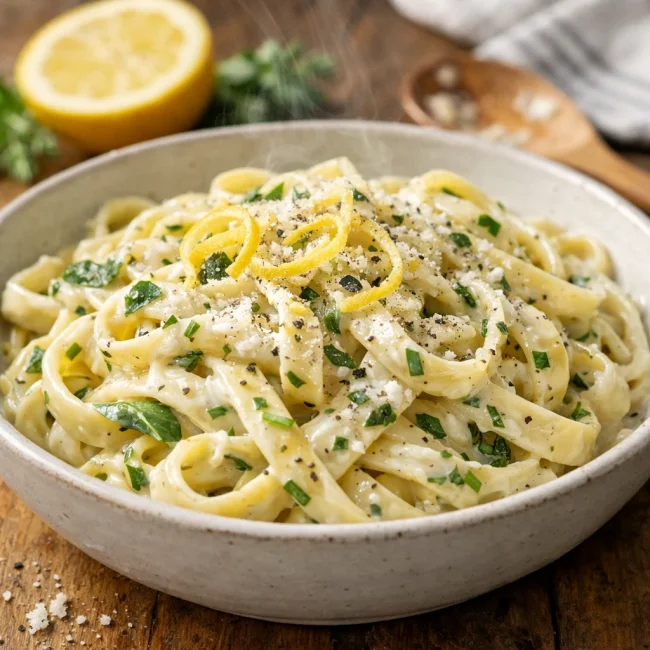
Lemon Herb Fettuccine Alfredo
Lemon Herb Fettuccine Alfredo is a refreshing twist on the classic dish, combining...
View Recipe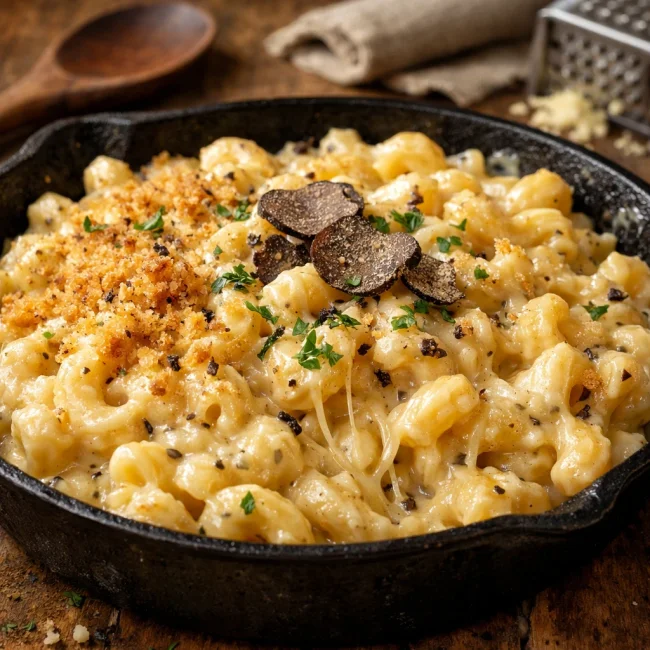
Truffle Mac and Cheese
Experience the ultimate comfort food with a gourmet twist in this Truffle Mac and ...
View Recipe