
Golden Heritage Pie Crust
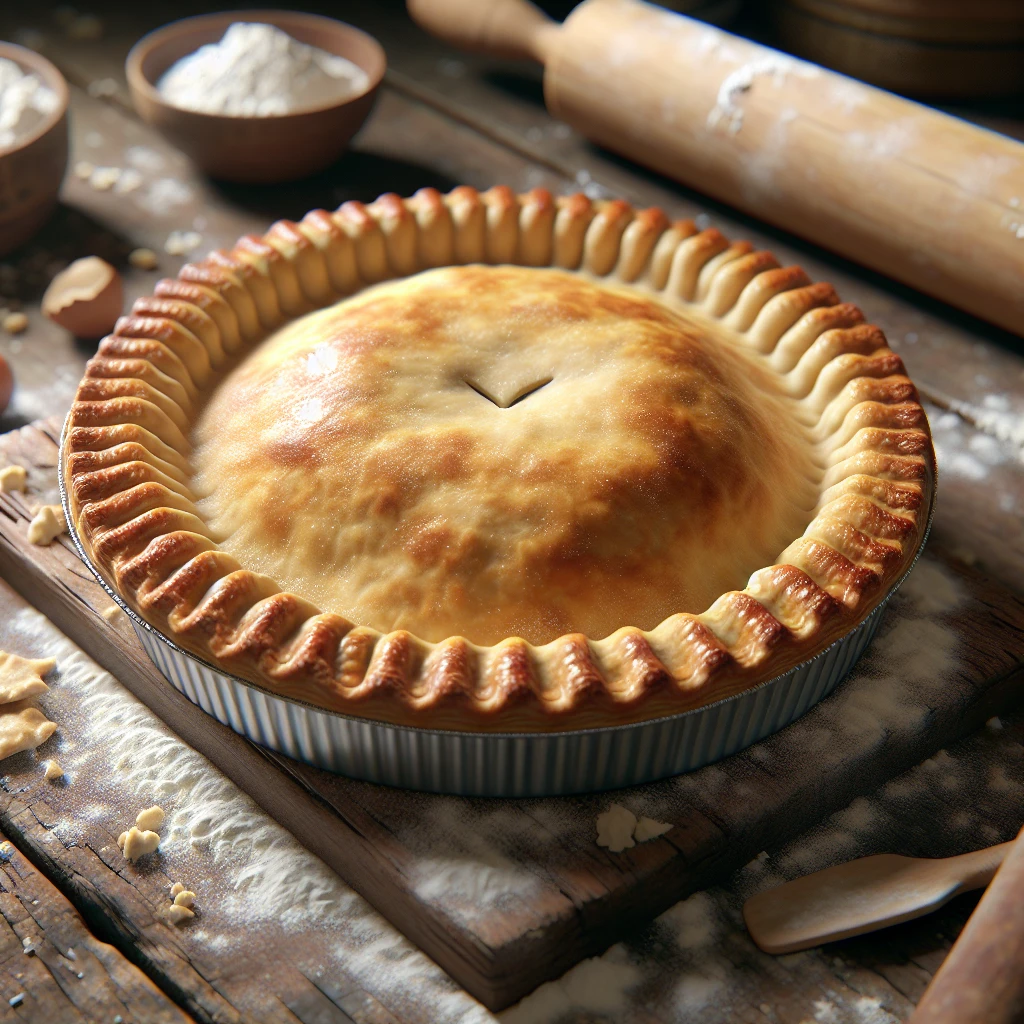
Meet the Golden Heritage Pie Crust: a timeless, flaky masterpiece that transforms any pie into a comforting delight. This recipe combines simplicity with a touch of tradition, ensuring your pies are always the star of the table.
 Share
Share
This post may contain affiliate links. As an Amazon Associate, we earn from qualifying purchases.
Ingredients for Golden Heritage Pie Crust
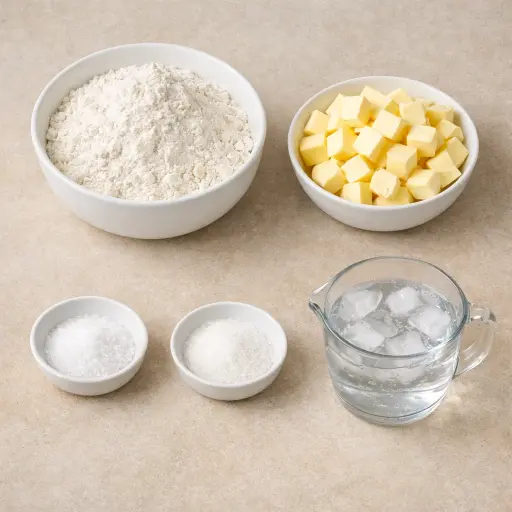
All-purpose flour forms the sturdy base of your crust, providing structure and bite. Next, unsalted butter is your secret to achieving that flaky texture we all crave; keep it cold for the best results. A pinch of salt enhances the overall flavor, while a touch of sugar balances the savory with a hint of sweetness. Lastly, ice water brings it all together, keeping the dough cool and easy to work with.
Why This Golden Heritage Pie Crust Works
Cold butter is the big thing here. When those firm little cubes get rubbed into the flour, they break into small, flat bits coated in flour. Some flour stays dry and sandy, and some clings to the butter. Later in the oven, those cold butter pieces melt and leave tiny gaps where they used to be. Those gaps turn into thin, flaky layers instead of one solid, tough sheet of dough.
As the ice water goes in slowly, only enough moisture is added to make the flour stick together. Not every bit of flour gets wet, so the dough stays a little rough and streaky, which is good. That means the butter doesn’t smear all the way through and turn the dough into paste.
During the rest in the fridge, the flour soaks up the water more evenly and the gluten relaxes. The dough firms up, rolls out without shrinking as much, and holds its shape in the pan. In the oven, the chilled butter and rested dough bake into a crust that stays tender and crisp instead of hard and chewy.
Golden Heritage Pie Crust Tips & Tricks
- Keep all ingredients as cold as possible to maintain dough consistency.
- Don’t overwork the dough; this will keep your crust tender.
- If the dough cracks while rolling, patch it gently with a little water.
Mistakes To Avoid
Adding too much water at once often turns the dough sticky and pasty instead of shaggy and clumpy. The flour then needs extra dusting during rolling, which packs in more flour and makes the baked crust tough and heavy instead of light and flaky.
Letting the butter warm up before it’s mixed in causes it to smear into the flour instead of staying in small cold pieces. In the oven those flat, greasy streaks melt out instead of steaming and puffing, so the crust bakes up dense and greasy with very little flake.
Skipping the chill time means the butter stays soft and the gluten in the flour doesn’t relax. During baking, the soft fat melts too fast and the tight dough shrinks down the sides of the pan, leaving a short, thick crust that pulls away from the edges.
Rolling the dough too thin or overworking it with the rolling pin can press out the butter layers and dry the surface. The finished crust then bakes unevenly, with brittle edges that crack and a bottom that can burn in spots instead of staying tender.
Equipment Used:
Ingredients
- 2 1/2 cups all-purpose flour
- 1 cup unsalted butter, chilled and diced
- 1/2 teaspoon salt
- 1/2 teaspoon sugar
- 6 to 8 tablespoons ice water
Step-by-step Instructions
- 1. In a large bowl, combine flour, salt, and sugar.
- 2. Add the diced butter, and use a pastry cutter to blend until the mixture resembles coarse crumbs.
- 3. Gradually add ice water, one tablespoon at a time, mixing until the dough holds together.
- 4. Divide the dough in half, shape into disks, wrap in plastic, and chill for at least 1 hour.
- 5. Roll out each disk on a floured surface to fit your pie pan.
- 6. Place the dough into the pie pan, trimming any excess and crimping the edges as desired.
- 7. Fill with your favorite pie filling and proceed with baking as directed for your specific recipe.
Trending Now
Golden Fried Yellow Squash
Experience the delightful taste of golden fried yellow squash, a quintessential So...
View Recipe
Homemade Apple Pie
Classic homemade apple pie with a buttery crust and cinnamon-spiced filling, perfe...
View Recipe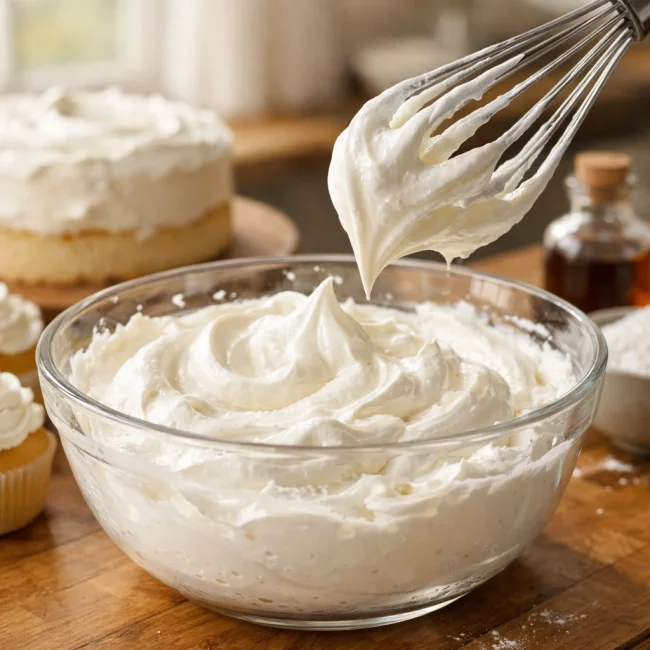
Traditional Whipped Cream Frosting
A rich and creamy whipped cream frosting perfect for topping cakes, cupcakes, and ...
View Recipe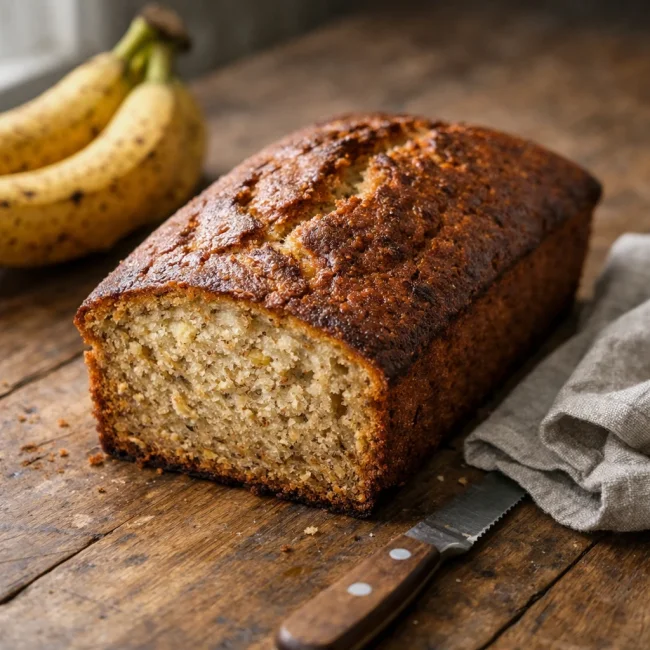
Moist Banana Loaf
Discover the timeless charm of our Moist Banana Loaf, a luscious and tender treat ...
View RecipeFrequently Asked Questions
- Can I use salted butter?
- Yes, but be sure to omit the additional salt in the recipe.
- How do I know when my crust is done baking?
- The edges should be golden brown, and the bottom should be set and lightly browned.
Serving Ideas for Golden Heritage Pie Crust
This pie crust is versatile! Pair it with a rich chocolate filling for a decadent dessert or a savory chicken pot pie for a hearty meal. Add a scoop of homemade vanilla ice cream for a classic touch to any sweet pie.
More Baking Recipes
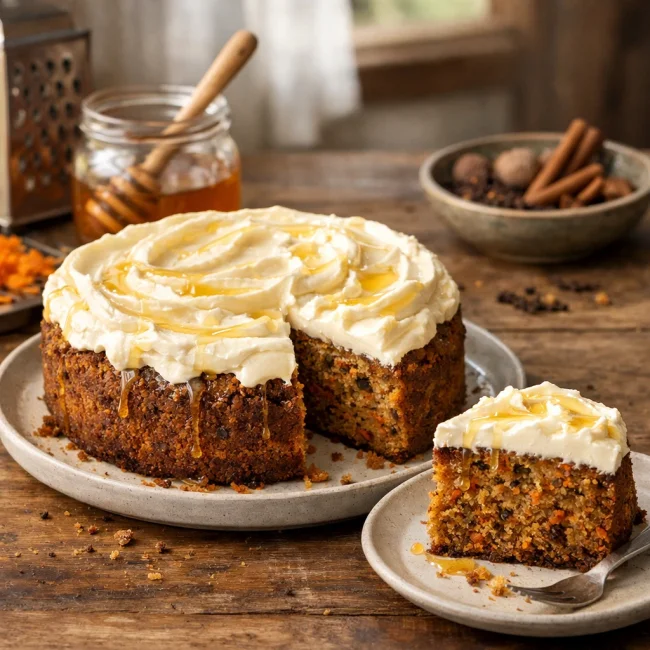
Spiced Honey Carrot Cake
Delight in the rich and moist Spiced Honey Carrot Cake that perfectly balances swe...
View Recipe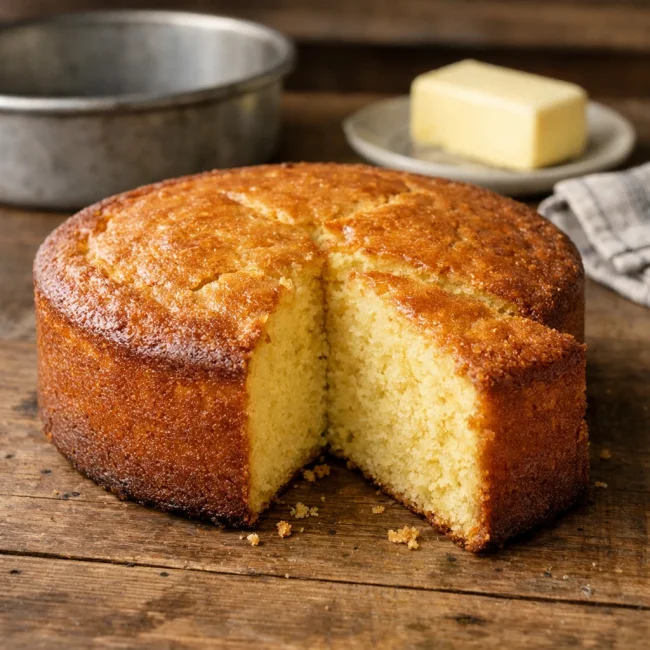
Old-Fashioned Butter Cake
A timeless classic, the Old-Fashioned Butter Cake is a rich, buttery treat perfect...
View Recipe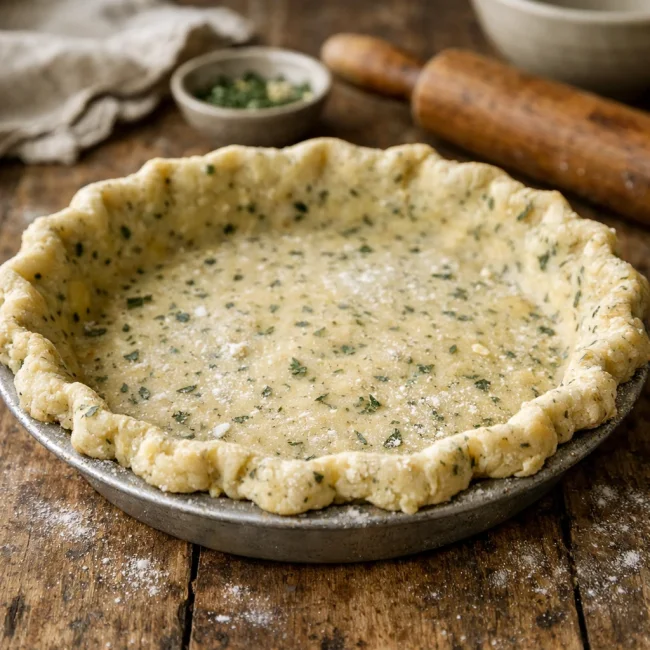
Rustic Herb Pie Crust
This Rustic Herb Pie Crust is a delightful twist on the classic pie base, infused ...
View Recipe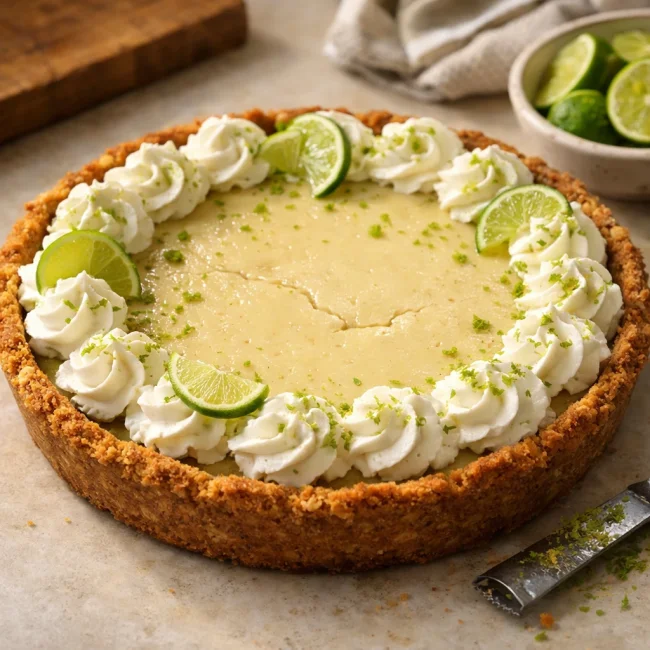
Traditional Key Lime Pie
Discover the rich and tangy taste of our Traditional Key Lime Pie, a classic desse...
View Recipe