
Golden Flaky Pie Crust
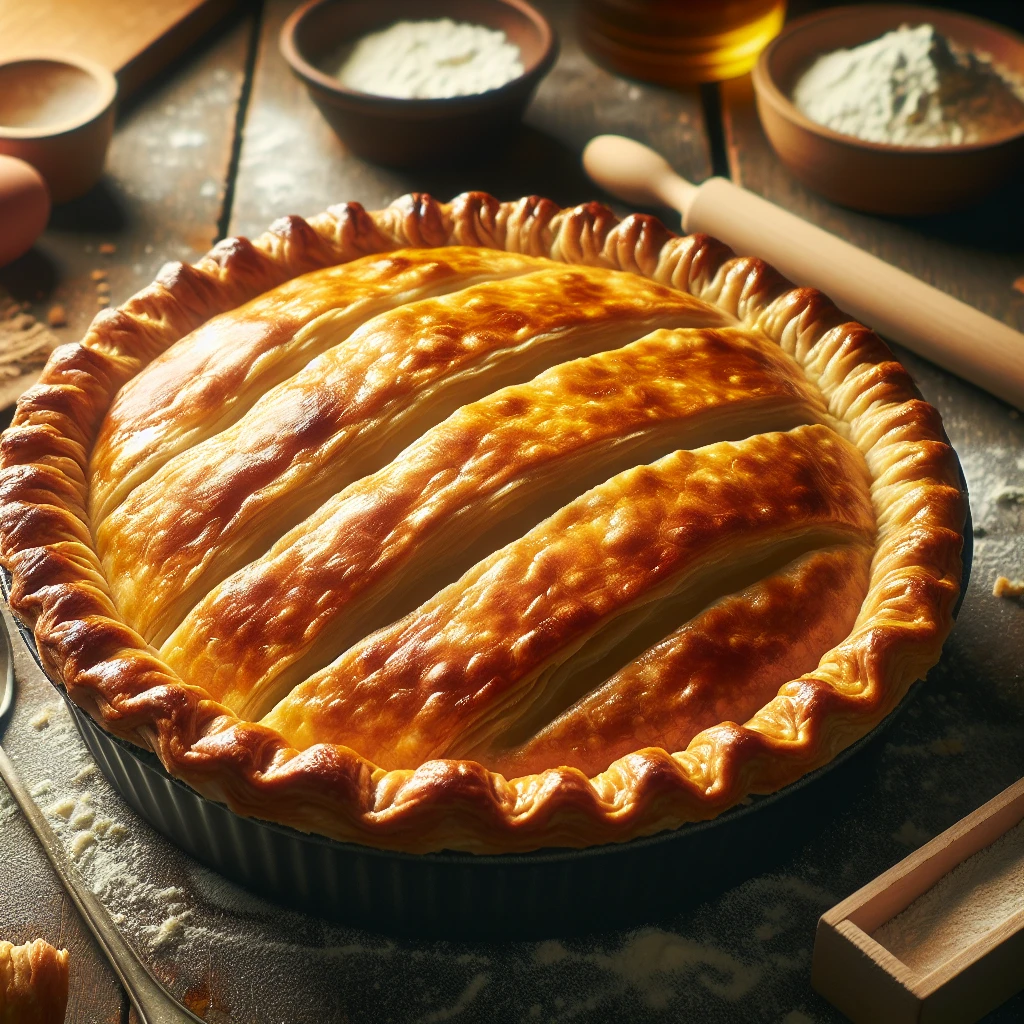
Golden Flaky Pie Crust is a game-changer for any pie enthusiast. It's buttery, tender, and just the right amount of flaky. Perfect for any season, this crust elevates any filling from seasonal fruits to savory quiches.
 Share
Share
This post may contain affiliate links. As an Amazon Associate, we earn from qualifying purchases.
Ingredients for Golden Flaky Pie Crust
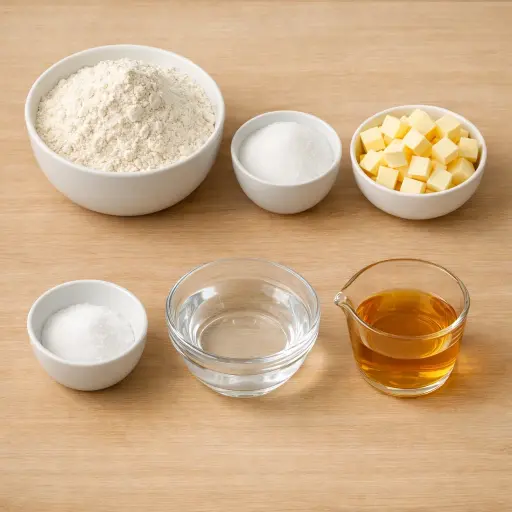
All-purpose flour forms the structure of the crust, giving it a sturdy but tender base. A touch of salt enhances the flavors, while sugar adds a hint of sweetness to balance it out. The hero here, however, is the unsalted butter, which creates those delightful flaky layers. Cold water helps combine everything without melting the butter, and apple cider vinegar adds a slight tang that complements the butter and aids in tenderizing the dough.
Why This Golden Flaky Pie Crust Works
Cold butter is doing most of the work here. When the butter is cut into the flour, it stays in small, solid pieces instead of melting in. Those little chunks get coated in flour and stay separate. Later, in the oven, the butter melts and leaves tiny gaps where the water in the butter turns to steam. Those gaps stack up into thin layers, so the crust bakes up flaky instead of tough.
Salt and sugar season the dough and also keep the flour from grabbing too much water. Because of that, the dough doesn’t tighten up as much and stays easier to roll. The mix of cold water and apple cider vinegar brings the dough together, but it also keeps the gluten from getting too strong. After the dough rests in the fridge, the flour finishes soaking up the liquid and the gluten relaxes. So when the dough is rolled out and baked, it stays tender, holds its shape, and breaks into crisp, golden flakes.
Golden Flaky Pie Crust Tips & Tricks
- Use a pastry cutter or fork to mix in the butter if you don’t have a food processor.
- Keep all your ingredients as cold as possible for the best results.
- If your dough feels too sticky, sprinkle a bit more flour as you roll it out.
- Blind bake the crust if your filling requires a shorter baking time than the crust.
Mistakes To Avoid
Using butter that is even slightly soft makes the biggest mess here. The butter blends too smoothly into the flour instead of staying in small cold pieces, so in the oven it melts away instead of steaming and lifting the layers. The crust then bakes up flat, tough, and pale instead of flaky and crisp.
Adding all the water and vinegar at once often leads to a heavy crust. The dough can swing from dry crumbs to sticky paste in a few stirs, so more flour gets added to fix it. That extra flour tightens the dough and bakes into a dense, hard shell instead of a tender one.
Skipping the chill time in the fridge means the fat and gluten never get a chance to relax. The butter starts melting as soon as the dough is rolled, and the stretched dough snaps back in the pan. In the oven, the crust shrinks down the sides and turns chewy instead of light.
Rolling the dough with a lot of force or too many passes overworks it. The butter smears into the flour and the gluten tightens up. The baked crust comes out tough, with fewer flaky layers and a more bread-like bite.
Equipment Used:
Ingredients
- 2 1/2 cups all-purpose flour
- 1 teaspoon salt
- 1 tablespoon granulated sugar
- 1 cup unsalted butter, chilled and diced
- 1/4 cup cold water
- 2 tablespoons apple cider vinegar
Step-by-step Instructions
- 1. In a large mixing bowl, combine flour, salt, and sugar.
- 2. Add diced butter and mix until the mixture resembles coarse crumbs.
- 3. Stir in cold water and apple cider vinegar gradually until the dough comes together.
- 4. Form the dough into a ball, wrap in plastic, and refrigerate for at least 1 hour.
- 5. Roll out the dough on a floured surface to fit your pie pan.
- 6. Carefully place the rolled dough into the pie pan and trim excess edges.
Trending Now
Classic Cucumber Salad
A refreshing and light cucumber salad featuring crisp cucumbers and a tangy vinaig...
View Recipe
Classic Banana Bread
Classic Banana Bread is a timeless dessert beloved for its moist texture and sweet...
View Recipe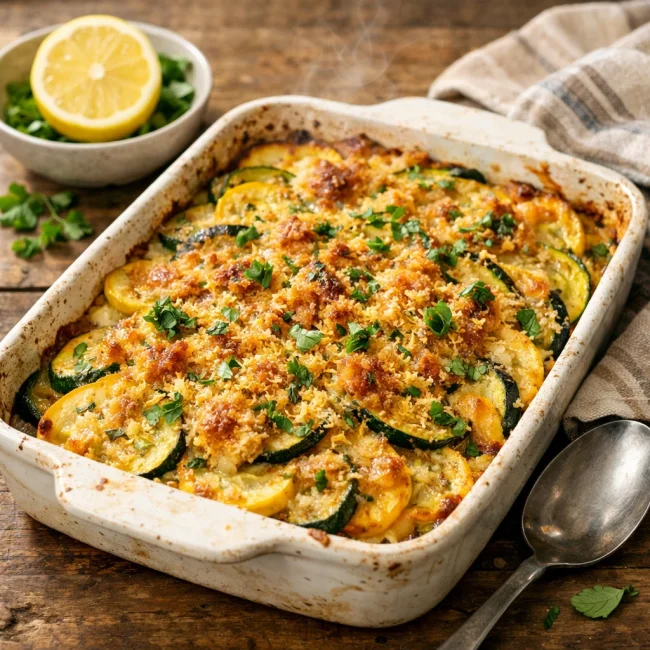
Zesty Summer Squash Casserole
This delightful summer squash casserole combines vibrant garden-fresh vegetables w...
View Recipe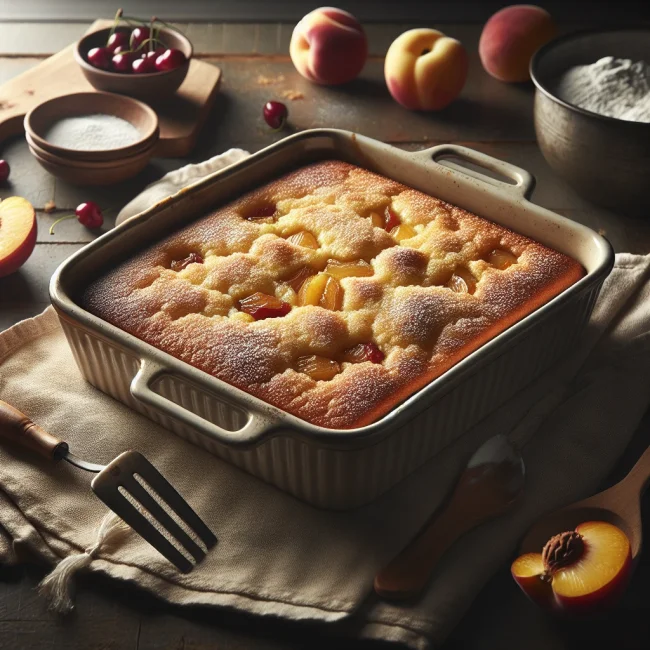
Traditional Dump Cake
Discover the timeless delight of the Traditional Dump Cake, a simple and scrumptio...
View RecipeFrequently Asked Questions
- Can I use salted butter?
- Yes, but be sure to reduce the added salt to balance the flavors.
- How long can I refrigerate the dough?
- It can be kept in the refrigerator for up to two days. You can also freeze it for up to three months.
- What if I don't have apple cider vinegar?
- Lemon juice is a good substitute, offering a similar acidity.
Serving Ideas for Golden Flaky Pie Crust
This crust pairs beautifully with a classic apple or cherry pie. For a savory twist, try it with a quiche or pot pie. Pair your dessert pies with a scoop of vanilla ice cream for a delightful contrast.
More Baking Recipes
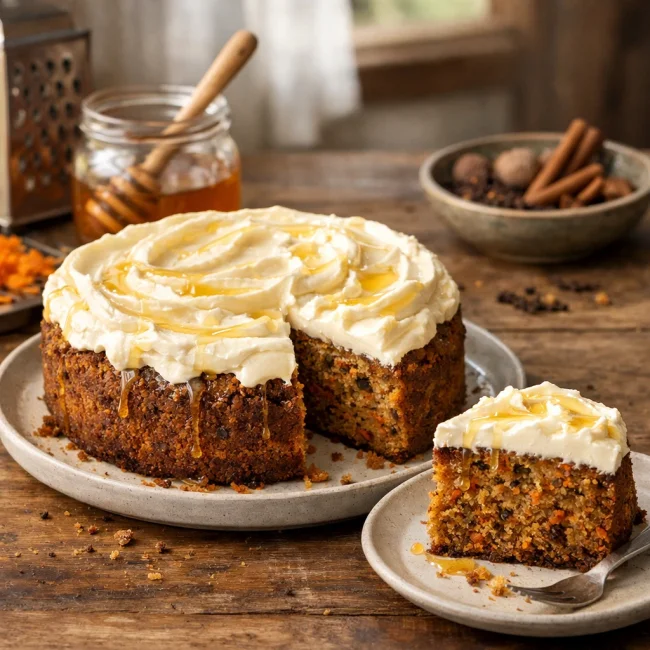
Spiced Honey Carrot Cake
Delight in the rich and moist Spiced Honey Carrot Cake that perfectly balances swe...
View Recipe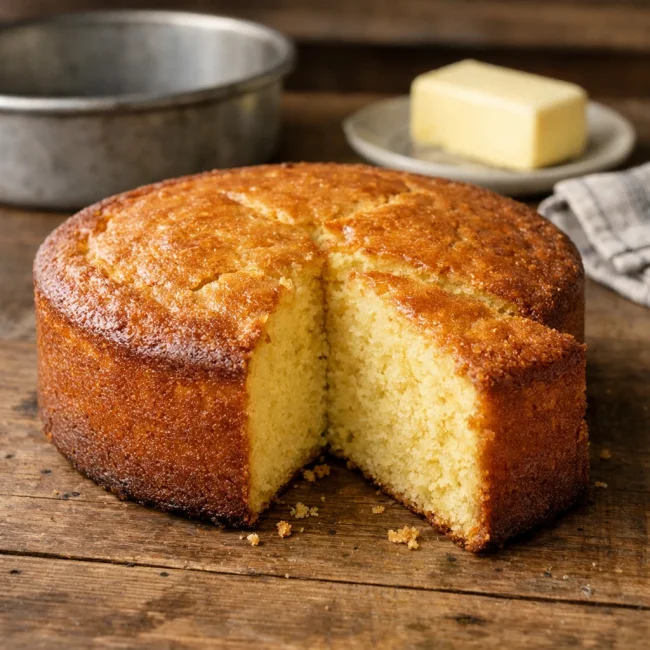
Old-Fashioned Butter Cake
A timeless classic, the Old-Fashioned Butter Cake is a rich, buttery treat perfect...
View Recipe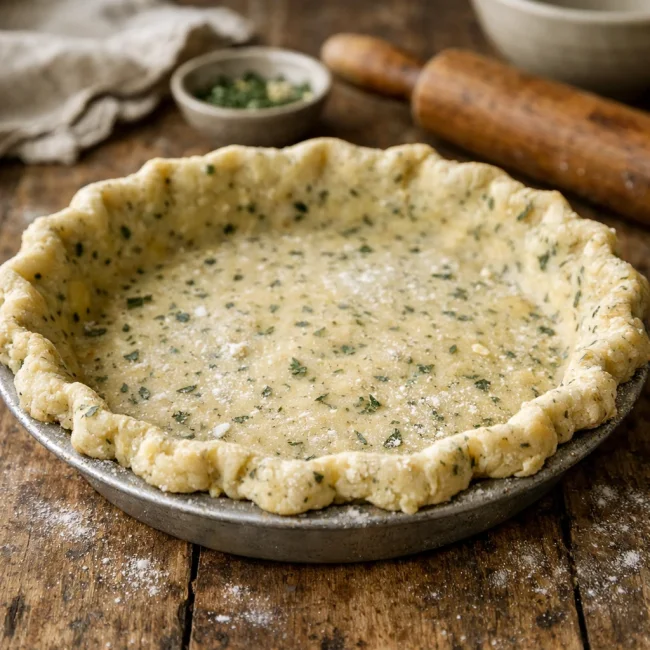
Rustic Herb Pie Crust
This Rustic Herb Pie Crust is a delightful twist on the classic pie base, infused ...
View Recipe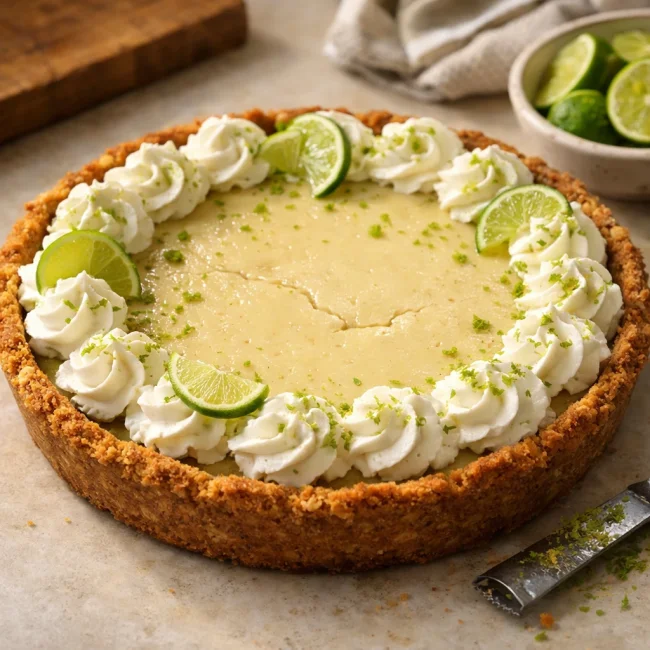
Traditional Key Lime Pie
Discover the rich and tangy taste of our Traditional Key Lime Pie, a classic desse...
View Recipe