
Golden Flake Pie Crust
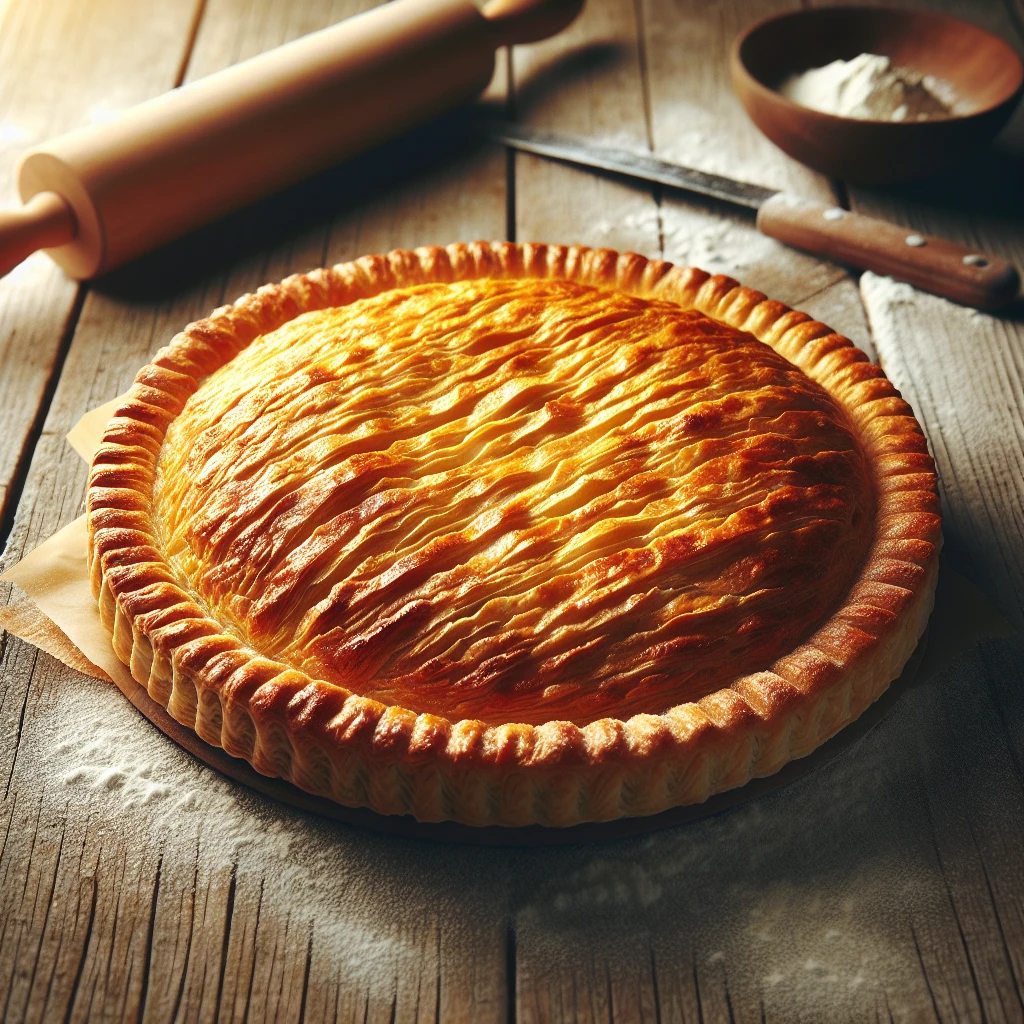
Golden Flake Pie Crust is the secret weapon of home bakers aiming for that perfect pie. It's buttery, flaky, and holds up beautifully to your favorite fillings. Whether you're a pie-making pro or just starting out, this recipe is your ticket to pie perfection.
 Share
Share
This post may contain affiliate links. As an Amazon Associate, we earn from qualifying purchases.
Ingredients for Golden Flake Pie Crust
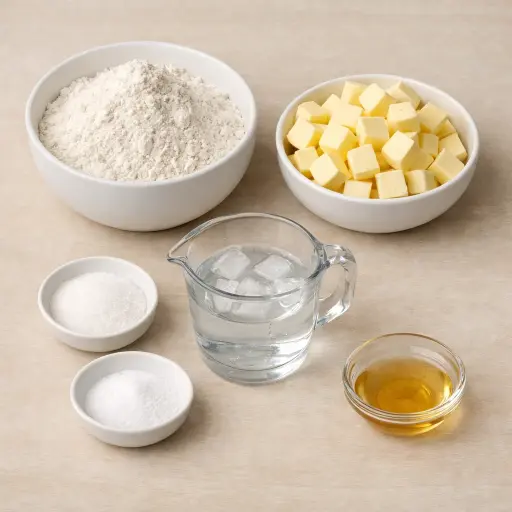
All-purpose flour is the structural base, offering just the right amount of gluten to hold the crust together without making it tough. Unsalted butter, chilled and diced, is key for creating those golden flakes; its fat content ensures flavor and texture. A small amount of ice water helps to bind the dough without warming it up, which would melt the butter. Salt enhances the flavors in the crust, while granulated sugar adds a hint of sweetness, balancing out the savory butter. Finally, a splash of apple cider vinegar helps to tenderize the gluten, making your crust even flakier.
Why This Golden Flake Pie Crust Works
Cold butter is the big thing here. When those firm little cubes get rubbed into the flour, they stay in small, solid pieces instead of melting. Each piece of butter gets coated in flour, so the dough starts to hold together but still has tiny chunks of fat all through it. In the oven, those bits of butter melt and leave little gaps behind, which is what gives the crust all those flaky layers instead of turning it into a hard sheet.
As the dough rests in the fridge, the flour soaks up the water and vinegar slowly. The gluten in the flour has time to relax instead of tightening up. Because of that, the dough rolls out without snapping back and bakes up tender instead of tough. A little sugar and salt spread through the flour so the crust browns nicely and doesn’t taste flat. By the time it bakes, the butter has made flakes, the chilled dough holds its shape, and the crust stays crisp and light.
Golden Flake Pie Crust Tips & Tricks
- Keep your butter as cold as possible — pop it back in the fridge if it starts to soften.
- Work quickly to prevent the dough from warming up too much.
- If your dough cracks while rolling, patch it up with a bit of extra dough and roll again.
- For extra flakiness, fold the dough over a few times before the final roll-out.
Mistakes To Avoid
Using butter that is even slightly soft makes the biggest mess here. Instead of staying in small cold pieces, the butter smears into the flour, so the dough turns pasty. In the oven, this kind of dough bakes up dense and tough instead of light and flaky, and the crust can slump down the sides of the pan.
Overworking the dough after the water goes in often leads to a chewy crust. As the dough is kneaded and pressed too much, the flour soaks up more water and the gluten tightens. The baked crust then shrinks in the pan and feels firm instead of crisp and tender.
Skipping the full chill time in the fridge causes spreading and shrinking. Without enough time to rest and firm up, the butter softens and the gluten stays tight. In the oven, the crust can slide down the sides, lose its shape, and bake unevenly, with greasy spots and tough edges.
Adding all the water at once instead of a little at a time easily turns the dough sticky. Extra water forces in more flour during rolling, which makes the dough stiff. The final crust comes out thick in some spots, hard to cut, and not very flaky.
Equipment Used:
Ingredients
- 2 1/2 cups all-purpose flour
- 1 cup unsalted butter, chilled and diced
- 1/4 cup ice water
- 1 tsp salt
- 1 tsp granulated sugar
- 1/2 tsp apple cider vinegar
Step-by-step Instructions
- 1. In a large bowl, mix the flour, salt, and sugar.
- 2. Add the chilled butter and use a pastry cutter to blend until the mixture resembles coarse crumbs.
- 3. Sprinkle in the apple cider vinegar and ice water, one tablespoon at a time, mixing until the dough just holds together.
- 4. Divide the dough into two balls, flatten them into disks, and wrap in plastic wrap.
- 5. Refrigerate for at least 2 hours before rolling out.
- 6. Roll out the dough on a floured surface to fit your pie pan, trimming any excess before filling.
Trending Now
Oven-Baked Pork Chops
Enjoy a delightful dinner with these tender and juicy oven-baked pork chops, seaso...
View Recipe
Traditional Corn Casserole
A delightful corn casserole dish that embodies the comforting flavors of sweet cor...
View Recipe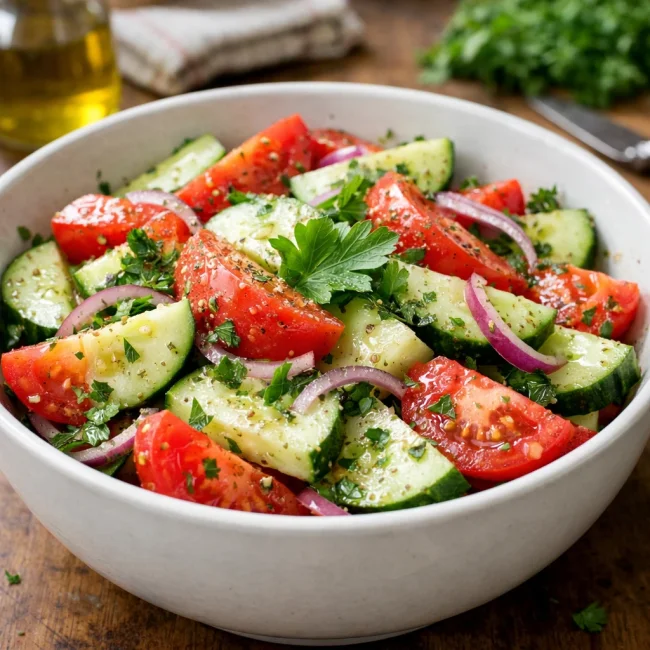
Traditional Cucumber and Tomato Salad
A refreshing and simple salad combining crisp cucumbers and juicy tomatoes, season...
View Recipe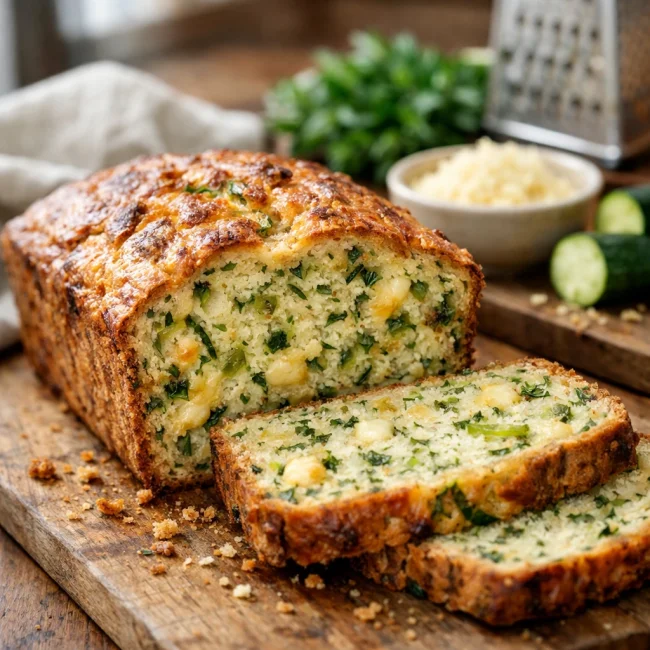
Savory Zucchini Bread
Savory Zucchini Bread is a delectable twist on traditional zucchini recipes, combi...
View RecipeFrequently Asked Questions
- Can I freeze the dough?
- Yes, you can freeze the wrapped dough disks for up to three months. Thaw in the fridge overnight before using.
- What if I don't have a pastry cutter?
- You can use two knives or a fork to cut the butter into the flour, or even your fingers, but work quickly to keep the butter cold.
- Is it necessary to use apple cider vinegar?
- While not absolutely necessary, it helps tenderize the crust and adds a subtle tang that enhances the flavor.
Serving Ideas for Golden Flake Pie Crust
This crust pairs beautifully with classic apple or pumpkin pie. For a savory twist, try it with a quiche or a chicken pot pie. Serve your creation warm with a scoop of vanilla ice cream or a dollop of whipped cream to elevate the experience.
More Baking Recipes
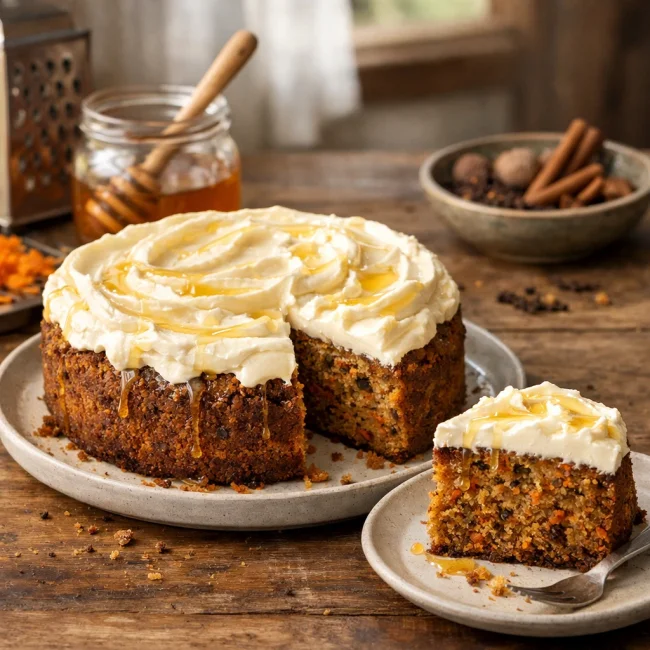
Spiced Honey Carrot Cake
Delight in the rich and moist Spiced Honey Carrot Cake that perfectly balances swe...
View Recipe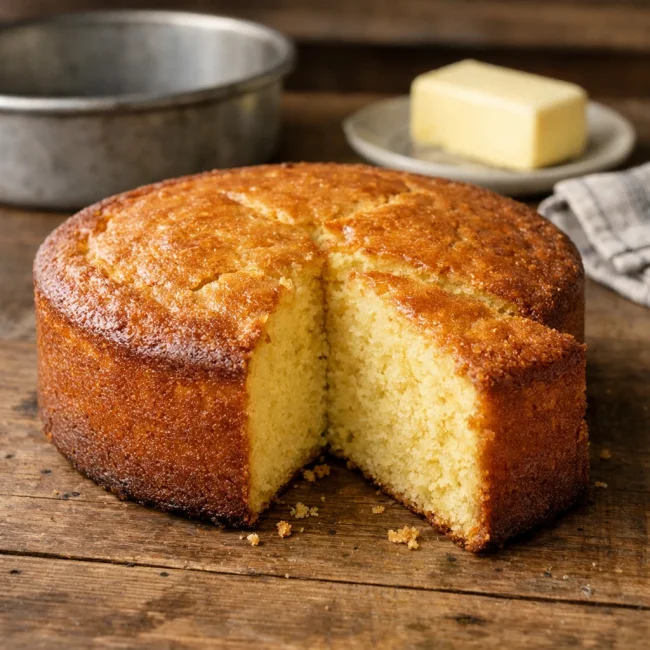
Old-Fashioned Butter Cake
A timeless classic, the Old-Fashioned Butter Cake is a rich, buttery treat perfect...
View Recipe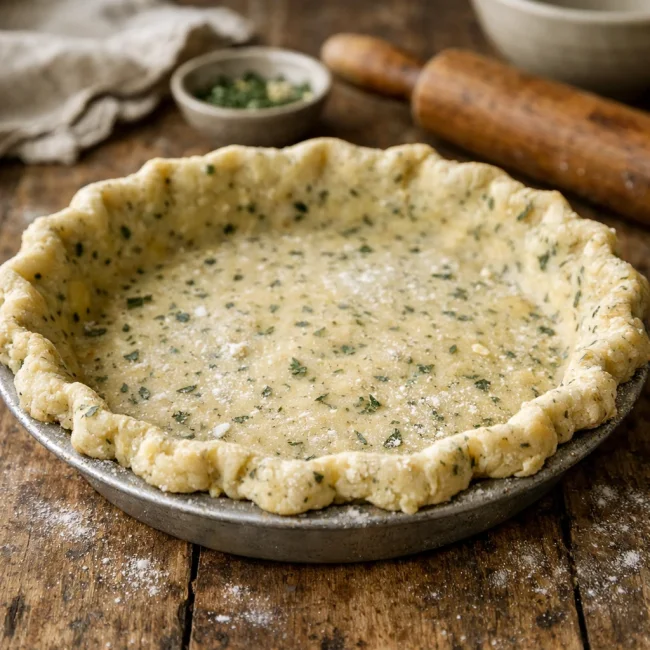
Rustic Herb Pie Crust
This Rustic Herb Pie Crust is a delightful twist on the classic pie base, infused ...
View Recipe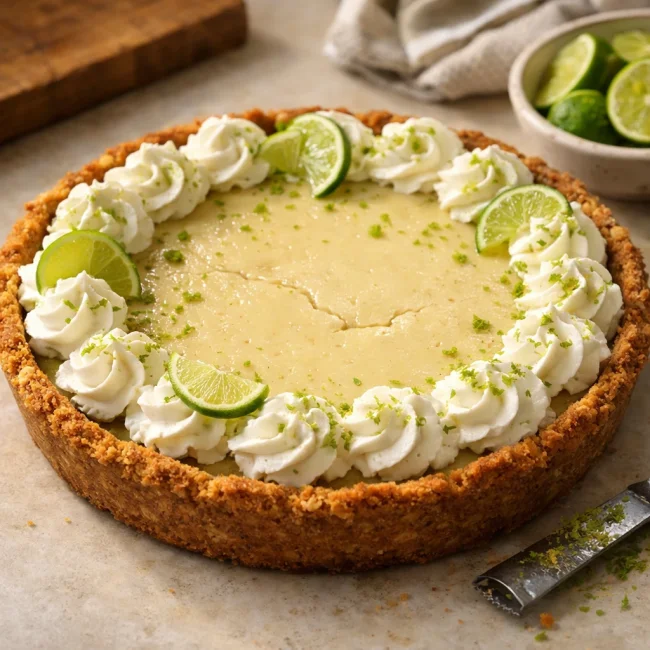
Traditional Key Lime Pie
Discover the rich and tangy taste of our Traditional Key Lime Pie, a classic desse...
View Recipe