
Golden Butter Cake
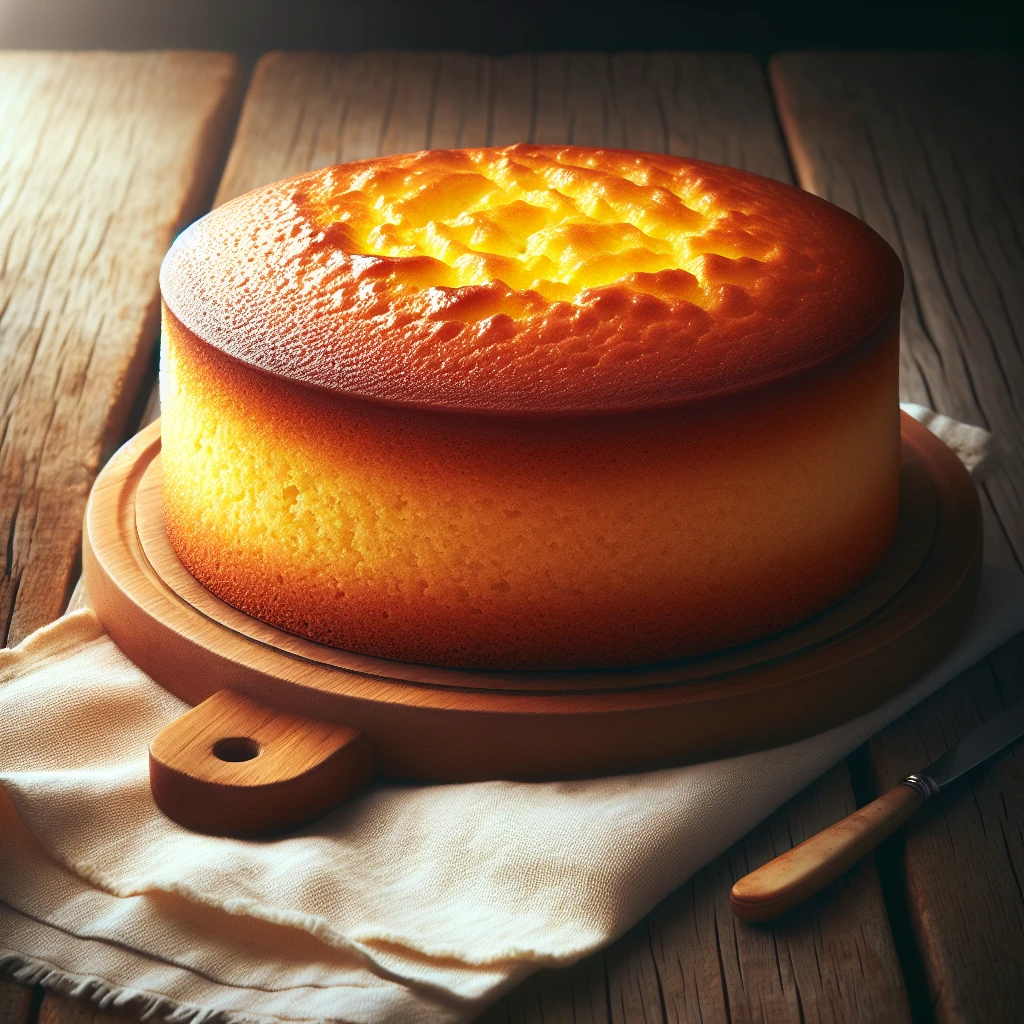
This Golden Butter Cake is like a warm hug on a plate. It's the perfect blend of rich buttery flavor and soft, tender crumb. Whether you're celebrating a special occasion or just want a sweet treat, this cake will surely become a family favorite.
 Share
Share
This post may contain affiliate links. As an Amazon Associate, we earn from qualifying purchases.
Ingredients for Golden Butter Cake
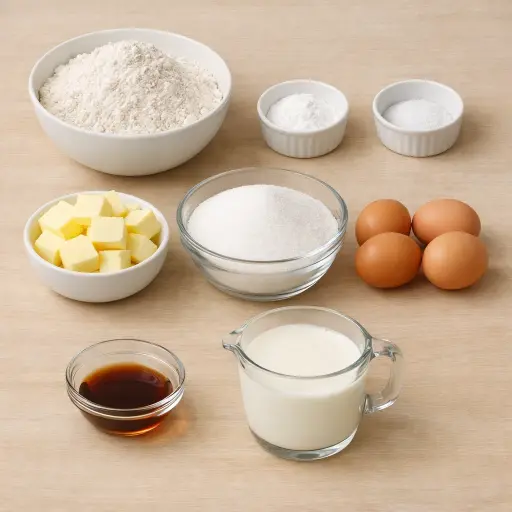
All-purpose flour provides the structure of the cake, giving it the right amount of heft without being too dense. Baking powder is the leavening agent that helps the cake rise and become fluffy. A pinch of salt enhances the flavors, balancing the sweetness. The star of the show, butter, gives the cake its rich, golden flavor and tender texture. Granulated sugar sweetens the cake and aids in creating that light, fluffy texture when creamed with butter. Eggs add moisture and contribute to the cake's structure, while vanilla extract gives a warm, inviting aroma and flavor. Finally, whole milk adds moisture and richness, ensuring the cake is soft and tender.
Why This Golden Butter Cake Works
During mixing, the soft butter and sugar trap a lot of tiny air pockets as they are beaten together. Those little air pockets stay inside the batter when the eggs go in one by one, so the mixture stays fluffy instead of heavy. As the flour, baking powder, and milk are added in turns, the batter stays smooth and doesn’t clump, so the air stays spread out.
In the oven, the baking powder starts to react and push those air pockets bigger, and the butter melts and spreads through the batter. The flour and eggs then set around that melted butter and air, so the cake holds its shape instead of collapsing. Whole milk adds extra moisture and a bit of fat, so the crumb stays soft instead of drying out.
By the time the cake is done, the structure from the flour and eggs is firm enough to slice, but the butter and milk keep it tender, giving a golden cake that is light but still rich.
Golden Butter Cake Tips & Tricks
- Make sure all your ingredients are at room temperature before you start. This helps them blend together smoothly.
- For an extra moist cake, brush the layers with simple syrup before frosting.
- If you don’t have whole milk, a mixture of half-and-half and water can work in a pinch.
Mistakes To Avoid
Overbaking this cake quickly turns it from soft to dry. Once it stays in the oven too long, the moisture cooks off, the crumb tightens, and the edges go hard and brown. The result is a cake that crumbles when sliced and feels rough instead of tender.
Starting with cold butter instead of softened butter keeps the sugar from whipping in properly. The mixture stays heavy and grainy instead of fluffy, so less air gets trapped in the batter. In the oven, that means the cake rises less and bakes up dense instead of light.
Adding all the flour and all the milk in big dumps encourages overmixing. The batter has to be stirred more to smooth out the lumps, which works the flour too much. This makes the cake bake up tough and bready instead of soft.
Skipping the cooling time in the pans often leads to broken layers. When the cake is turned out too soon, it is still fragile and can crack or tear, leaving uneven, crumbly layers that are hard to stack or frost.
Equipment Used:
Ingredients
- 2 1/2 cups all-purpose flour
- 2 1/2 tsp baking powder
- 1/2 tsp salt
- 1 cup unsalted butter, softened
- 2 cups granulated sugar
- 4 large eggs
- 1 1/2 tsp vanilla extract
- 1 cup whole milk
Step-by-step Instructions
- 1. Preheat your oven to 350°F and grease two 9-inch round cake pans.
- 2. In a bowl, whisk together the flour, baking powder, and salt.
- 3. In a separate large bowl, cream the butter and sugar together until light and fluffy.
- 4. Add the eggs one at a time to the butter mixture, beating well after each addition. Stir in the vanilla extract.
- 5. Gradually add the flour mixture to the creamed mixture alternately with the milk, beginning and ending with the flour mixture. Mix just until combined.
- 6. Divide the batter evenly between the prepared cake pans and smooth the tops.
- 7. Bake for 25-30 minutes, or until a toothpick inserted into the center comes out clean.
- 8. Allow cakes to cool in the pans for 10 minutes, then turn out onto a wire rack to cool completely.
Trending Now
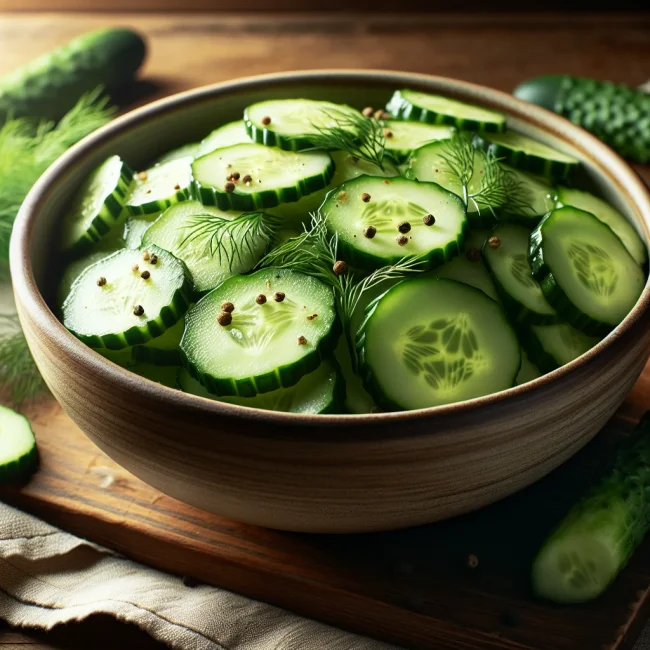
Classic Cucumber Salad
A refreshing and light cucumber salad featuring crisp cucumbers and a tangy vinaig...
View Recipe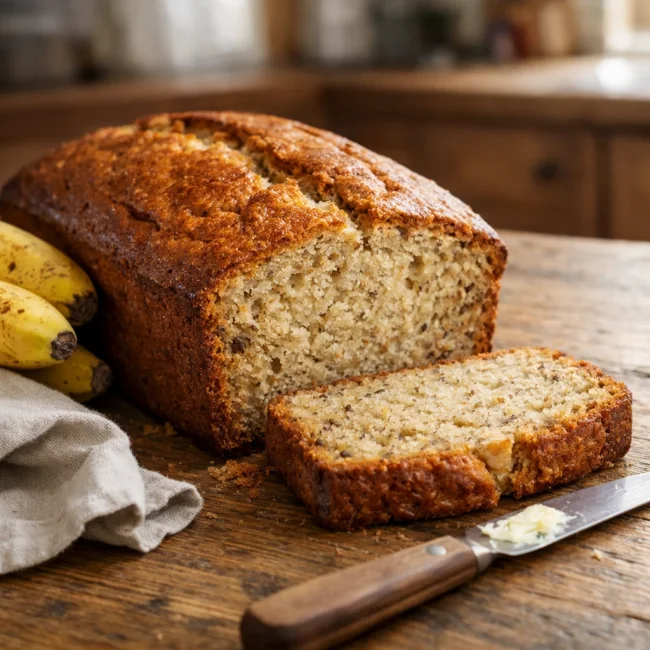
Classic Banana Bread
Classic Banana Bread is a timeless dessert beloved for its moist texture and sweet...
View Recipe
Zesty Summer Squash Casserole
This delightful summer squash casserole combines vibrant garden-fresh vegetables w...
View Recipe
Traditional Dump Cake
Discover the timeless delight of the Traditional Dump Cake, a simple and scrumptio...
View RecipeFrequently Asked Questions
- Can I use salted butter?
- Yes, but reduce the added salt in the recipe to balance the flavors.
- What if I only have self-rising flour?
- You can use it, but skip the baking powder and reduce the salt to 1/4 tsp.
- Can I make this cake ahead of time?
- Absolutely! Wrap the cooled cake layers in plastic wrap and store them at room temperature for up to 2 days or freeze for up to a month.
Serving Ideas for Golden Butter Cake
This Golden Butter Cake pairs beautifully with a classic vanilla or chocolate buttercream. For a fruity twist, try serving it with a dollop of whipped cream and fresh berries. A drizzle of caramel sauce also complements the buttery flavor perfectly.
More Desserts Recipes
Rustic Vanilla Peach Cobbler
This rustic vanilla peach cobbler combines a rich, buttery crust with the sweet, v...
View Recipe
Traditional Lemon Curd
A classic, tangy lemon curd that is perfect for enhancing desserts, breakfast dish...
View Recipe
Traditional Cream Cheese Pie
A delightful and timeless dessert, Traditional Cream Cheese Pie offers a rich and ...
View Recipe
Timeless Cream Puff Delight
Indulge in a delectable Timeless Cream Puff Delight, a classic dessert featuring a...
View Recipe