
Garden Veggie Lasagna
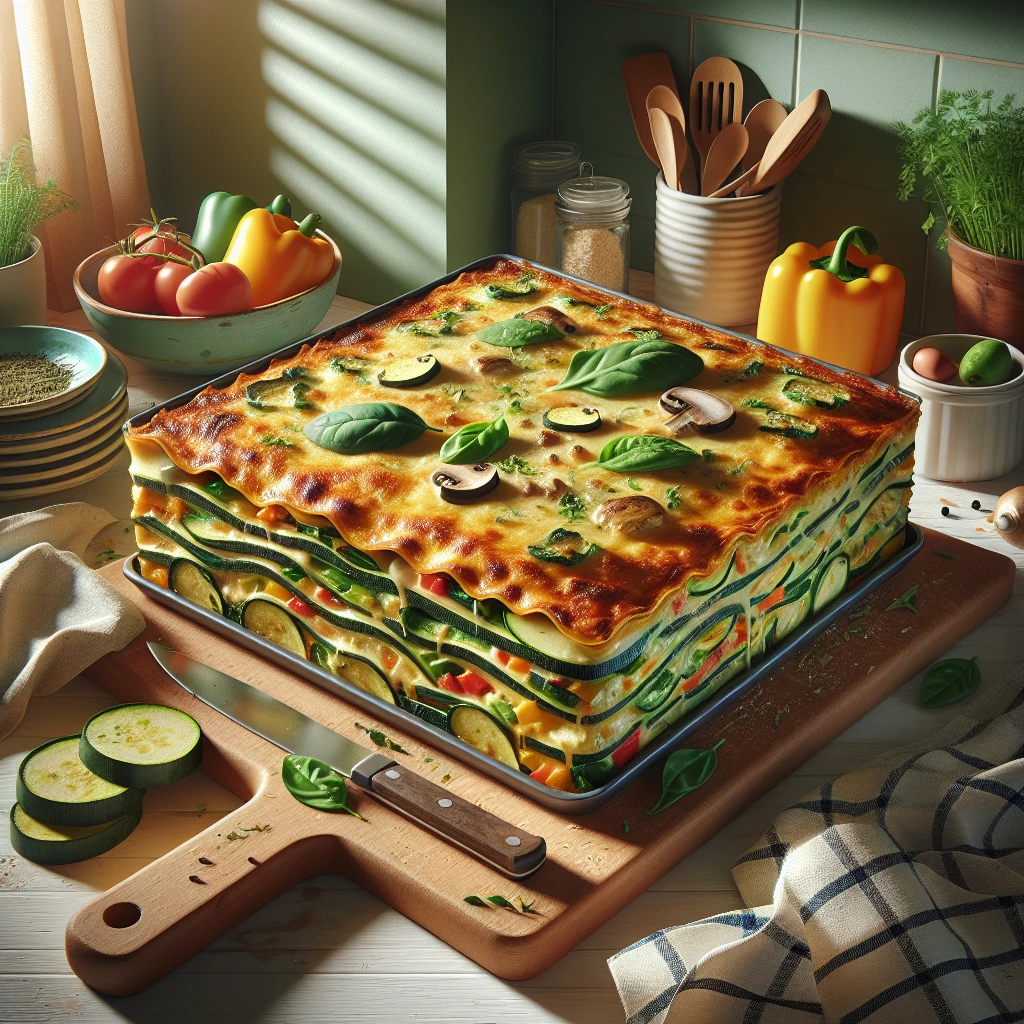
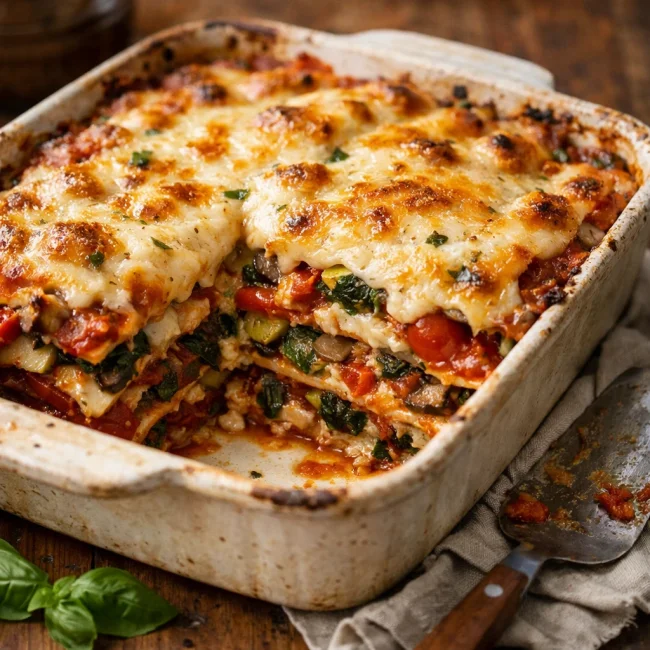
If you're craving a hearty, veggie-filled meal, this Garden Veggie Lasagna is just the ticket. Packed with fresh vegetables and cheesy goodness, it's a comforting dish perfect for any time of the year. Let's jump in and get cooking!
 Share
Share
This post may contain affiliate links. As an Amazon Associate, we earn from qualifying purchases.
Ingredients for Garden Veggie Lasagna
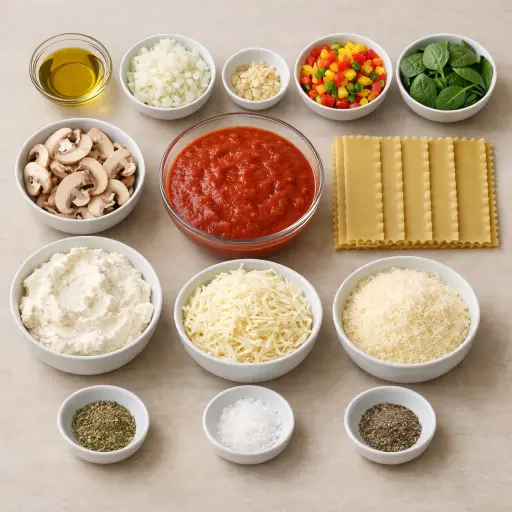
Olive oil is our base for sautéing the vegetables, imparting a subtle richness. Onion and garlic provide the aromatic foundation, infusing the dish with savory depth. Bell peppers add a sweet, crisp contrast to the mix. Zucchini offers a mild, refreshing flavor, while mushrooms bring umami richness. Spinach adds a leafy, nutritious element, balancing the flavors beautifully.
Marinara sauce ties everything together with its tangy, tomato base. Lasagna noodles form the sturdy layers that hold this masterpiece together. Ricotta cheese provides creaminess, while mozzarella cheese adds melty, stretchy goodness. Parmesan cheese lends a nutty, savory finish. Finally, a sprinkle of oregano, salt, and black pepper completes the flavor profile with a touch of spice and seasoning.
Why This Garden Veggie Lasagna Works
During cooking, the vegetables soften in the pan first. Onions, peppers, zucchini, and mushrooms lose a lot of their water there instead of inside the lasagna. That keeps the finished dish from turning watery. As they cook, the vegetables also shrink, so they fit into even layers and don’t push the noodles apart.
Once the spinach wilts and everything is mixed, the vegetables form a loose, chunky layer that sits nicely between the noodles and cheese. The ricotta spreads over the warm vegetables and settles into the spaces, so it doesn’t clump. Mozzarella melts around all of this and starts to hold the layers together.
In the oven, the noodles finish soaking up some liquid from the marinara and ricotta. That makes the whole pan set into neat slices instead of sliding apart. Covering the dish at first keeps the top cheese from drying out while the middle heats through. When the foil comes off, the mozzarella and Parmesan brown on top and form a stretchy, slightly crisp lid over the soft, saucy layers underneath. Letting it sit at the end gives the cheese time to firm up so the slices stay together.
Garden Veggie Lasagna Tips & Tricks
- Use a mandoline slicer to get evenly thin slices of zucchini and mushrooms for a uniform texture.
- Don't skip the cooling step; it helps the layers set and makes serving easier.
- If you have extra veggies in the fridge, feel free to toss them in—this recipe is very forgiving!
Mistakes To Avoid
Boiling the lasagna noodles too soft makes them tear and turn mushy when layered. In the oven they keep soaking up sauce and break apart, so the finished lasagna slices collapse and the layers turn into a soft, pasty mess instead of holding their shape.
Putting the vegetables in the oven while they are still watery causes trouble later. Extra liquid from zucchini, mushrooms, and spinach leaks out as it bakes, so the lasagna turns soupy, the noodles slide around, and the cheese layer feels loose instead of firm.
Skipping the resting time after baking means the layers never get a chance to set. Cutting into it right away lets the hot sauce run out, the cheese stretches off the top, and the pieces come out as a pile instead of neat squares.
Using too little sauce between layers leaves the noodles exposed to the oven heat. The top and edges dry out, turn hard and chewy, and some bites end up with stiff noodle sheets instead of a soft, blended layer.
Equipment Used:
Ingredients
- 2 tbsp olive oil
- 1 medium onion, chopped
- 2 cloves garlic, minced
- 1 cup chopped bell peppers
- 1 cup sliced zucchini
- 1 cup sliced mushrooms
- 2 cups spinach leaves
- 24 oz marinara sauce
- 9 lasagna noodles, cooked
- 15 oz ricotta cheese
- 2 cups mozzarella cheese, shredded
- 1/2 cup grated Parmesan cheese
- 1 tsp dried oregano
- 1 tsp salt
- 1/2 tsp black pepper
Step-by-step Instructions
- 1. Preheat your oven to 375°F.
- 2. Heat olive oil in a large skillet over medium heat.
- 3. Add onions and garlic, sauté until fragrant.
- 4. Stir in bell peppers, zucchini, and mushrooms, cook until tender.
- 5. Mix in spinach, cook until wilted.
- 6. Spread a thin layer of marinara sauce in a 9x13 inch baking dish.
- 7. Place 3 lasagna noodles over the sauce.
- 8. Layer half of the vegetable mixture over the noodles.
- 9. Spread half of the ricotta cheese over the veggies.
- 10. Sprinkle with 1 cup of mozzarella cheese.
- 11. Repeat the layers, ending with the remaining noodles and marinara sauce.
- 12. Top with remaining mozzarella and Parmesan cheese.
- 13. Sprinkle with oregano, salt, and pepper.
- 14. Cover with foil and bake for 25 minutes.
- 15. Remove the foil and bake for another 10 minutes until cheese is golden.
- 16. Let it cool for 10 minutes before serving.
Trending Now
Old-Fashioned Bread Pudding
Discover the classic charm of Old-Fashioned Bread Pudding - a timeless dessert com...
View Recipe
Traditional Italian Bruschetta
Experience the authentic taste of Italian bruschetta, a perfect blend of fresh tom...
View Recipe
Classic Green Beans
Discover the timeless delight of Classic Green Beans, a simple yet flavorful side ...
View Recipe
Classic Banana Bread
Classic Banana Bread is a timeless dessert beloved for its moist texture and sweet...
View RecipeFrequently Asked Questions
- Can I make this lasagna ahead of time?
- Absolutely! Assemble it, cover tightly, and refrigerate up to a day in advance. Just bake it when you're ready to enjoy.
- Can I freeze leftovers?
- Yes, lasagna freezes well. Wrap individual portions and freeze for up to three months. Reheat in the oven or microwave until warmed through.
- What if I don't have ricotta cheese?
- You can substitute cottage cheese or even a homemade bechamel sauce for a different texture and flavor.
Serving Ideas for Garden Veggie Lasagna
This Garden Veggie Lasagna pairs wonderfully with a simple mixed greens salad tossed in a light vinaigrette. A side of garlic bread is perfect for mopping up any extra marinara sauce. For a refreshing finish, consider a chilled glass of white wine or a sparkling water with lemon.
More Casseroles, Vegetarian, Italian Recipes
Garden Veggie Lasagna
A delightful twist on the classic Italian dish, this Garden Veggie Lasagna is pack...
View Recipe