
Garden Harvest Pasta Primavera
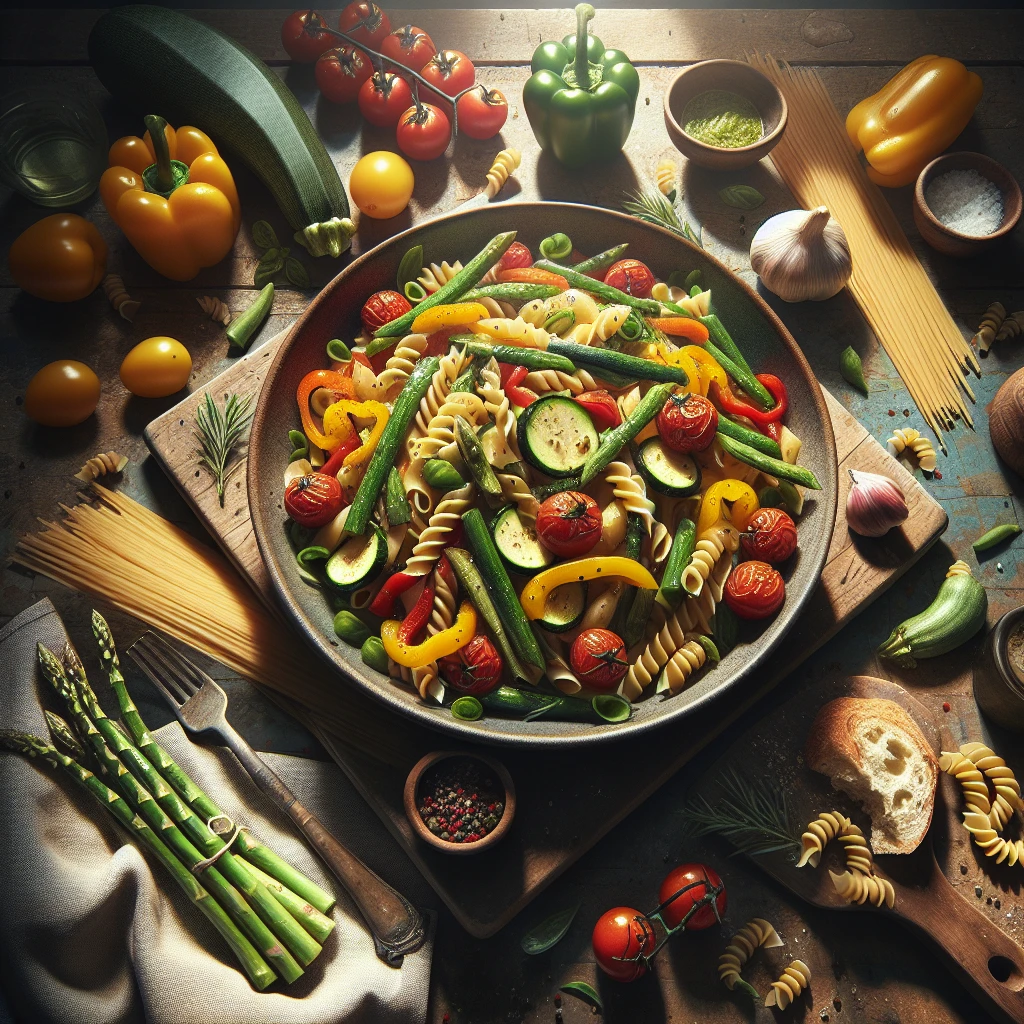
Garden Harvest Pasta Primavera is a vibrant and wholesome dish that celebrates the bounty of fresh vegetables. With its colorful array of seasonal produce, this recipe is perfect for a light yet satisfying meal that brings the garden straight to your table.
 Share
Share
This post may contain affiliate links. As an Amazon Associate, we earn from qualifying purchases.
Ingredients for Garden Harvest Pasta Primavera
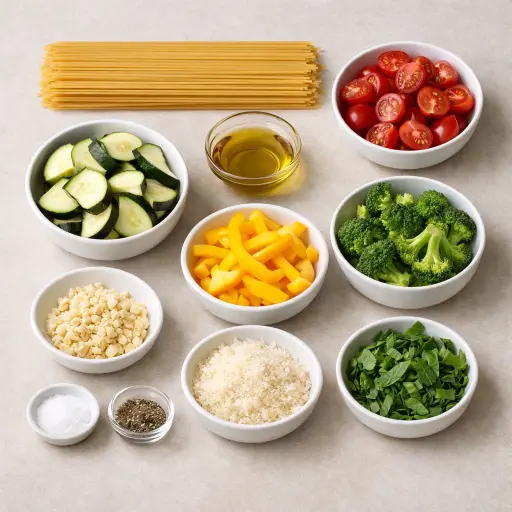
Spaghetti serves as the foundation of this dish, providing a comforting and familiar base that soaks up all the delicious flavors. Olive oil is used to sauté the vegetables, adding a rich and fruity note to the dish.
Cherry tomatoes bring a burst of juicy sweetness, while zucchini adds a mild, tender texture. Yellow bell pepper contributes a touch of sweetness and a pop of color, and broccoli florets offer a hearty, earthy balance.
Garlic infuses the entire dish with its aromatic essence, while Parmesan cheese adds a savory depth and creamy finish. Finally, fresh basil leaves provide a fragrant, herbaceous note that ties all the flavors together.
Why This Garden Harvest Pasta Primavera Works
During cooking, the pasta and vegetables each do their own thing, then meet at the end. The spaghetti boils in salted water, so the noodles soak in seasoning all the way through instead of tasting plain on the inside. As it cooks, the starch in the pasta loosens up on the surface, which later helps it cling to the vegetables and cheese instead of sliding around.
In the pan, the garlic hits the warm oil first, so the oil picks up that garlicky taste and spreads it over everything that touches it. After a few minutes in the skillet, the zucchini, pepper, broccoli, and tomatoes soften but still stay a little firm. The heat drives some water out of the vegetables, so they don’t water down the dish, and the tomatoes start to collapse just enough to coat the pasta.
Once the hot pasta goes into the pan, the loose starch on the noodles grabs onto the oil, Parmesan, and tomato juices. The cheese melts and sticks to the pasta and vegetables, and the chopped basil spreads through the warm noodles instead of just sitting on top.
Garden Harvest Pasta Primavera Tips & Tricks
- Use the freshest vegetables you can find for the best flavor and texture.
- Don’t overcook the vegetables; they should be tender-crisp to maintain their vibrant colors and nutrients.
- If you prefer a bit of heat, sprinkle in some red pepper flakes when adding the garlic.
- Feel free to add a splash of lemon juice for a bright, tangy twist.
Mistakes To Avoid
Letting the pasta sit too long after draining can cause trouble. The spaghetti cools down, sticks together in clumps, and the starch on the surface dries out. Once it hits the pan, it doesn’t mix well with the vegetables and cheese, so some bites stay plain and dry while others are overloaded.
Cooking the vegetables until they are fully soft instead of tender‑crisp changes the whole dish. The zucchini and bell pepper start to collapse, and the broccoli goes mushy and dull in color. In the pan, they release extra water, so the pasta turns a bit wet and the vegetables lose their fresh bite.
Adding the Parmesan while the skillet is still over the heat often leads to clumping. The cheese melts too fast against the hot pan and sticks in strings or blobs instead of coating the pasta. The result is uneven, with some forkfuls getting chewy cheese chunks and others getting almost none.
Throwing in the basil too early in the cooking makes it wilt away. The leaves darken, shrink, and lose their fresh smell, so by the time the pasta is served, the basil is just soft green specks instead of bright, leafy pieces.
Equipment Used:
Ingredients
- 12 oz spaghetti
- 1 tbsp olive oil
- 1 cup cherry tomatoes, halved
- 1 zucchini, sliced
- 1 yellow bell pepper, sliced
- 1 cup broccoli florets
- 2 cloves garlic, minced
- 1/4 cup grated Parmesan cheese
- 1/4 cup fresh basil leaves, chopped
- Salt and pepper to taste
Step-by-step Instructions
- 1. Cook the spaghetti according to package instructions in a large pot of salted boiling water until al dente. Drain and set aside.
- 2. In a large skillet over medium heat, heat the olive oil. Add the minced garlic and sauté for about 1 minute until fragrant.
- 3. Add the cherry tomatoes, zucchini, yellow bell pepper, and broccoli florets to the skillet. Sauté for 5-7 minutes until vegetables are tender-crisp.
- 4. Add the cooked spaghetti to the skillet and toss to combine with the vegetables.
- 5. Remove from heat and stir in the grated Parmesan cheese and chopped basil leaves.
- 6. Season with salt and pepper to taste. Serve warm.
Trending Now
Old-Fashioned Bread Pudding
Discover the classic charm of Old-Fashioned Bread Pudding - a timeless dessert com...
View Recipe
Traditional Italian Bruschetta
Experience the authentic taste of Italian bruschetta, a perfect blend of fresh tom...
View Recipe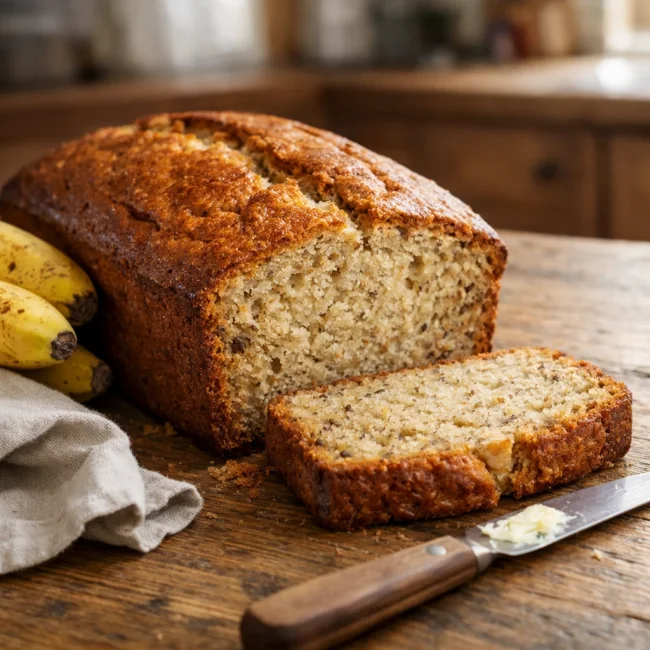
Classic Banana Bread
Classic Banana Bread is a timeless dessert beloved for its moist texture and sweet...
View Recipe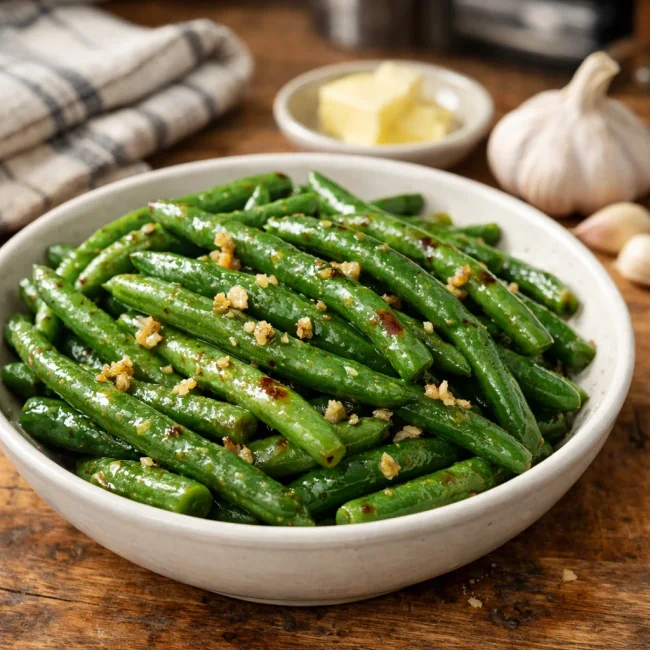
Classic Green Beans
Discover the timeless delight of Classic Green Beans, a simple yet flavorful side ...
View RecipeFrequently Asked Questions
- Can I use other types of pasta?
- Absolutely! Feel free to substitute with your favorite pasta shape, like penne or fettuccine.
- What if I don’t have fresh basil?
- You can substitute with dried basil, though fresh will provide a more vibrant flavor. Alternatively, try parsley or oregano.
Serving Ideas for Garden Harvest Pasta Primavera
This pasta primavera pairs wonderfully with a crisp, chilled glass of white wine. For a more complete meal, serve it alongside a simple green salad dressed with balsamic vinaigrette. If you’re feeling indulgent, a slice of crusty garlic bread will complement the dish perfectly.
More Pasta Recipes
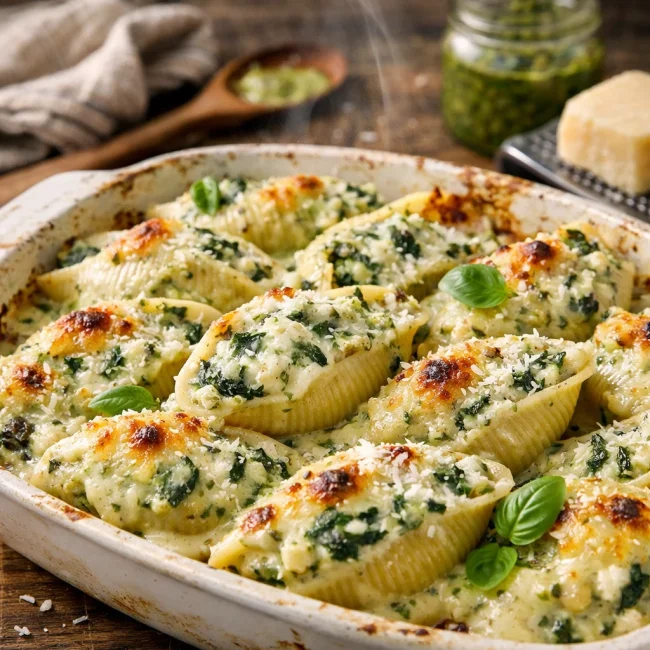
Spinach and Ricotta Stuffed Shells with Pesto Alfredo
Try this delicious twist on classic stuffed shells with a creamy pesto Alfredo sau...
View Recipe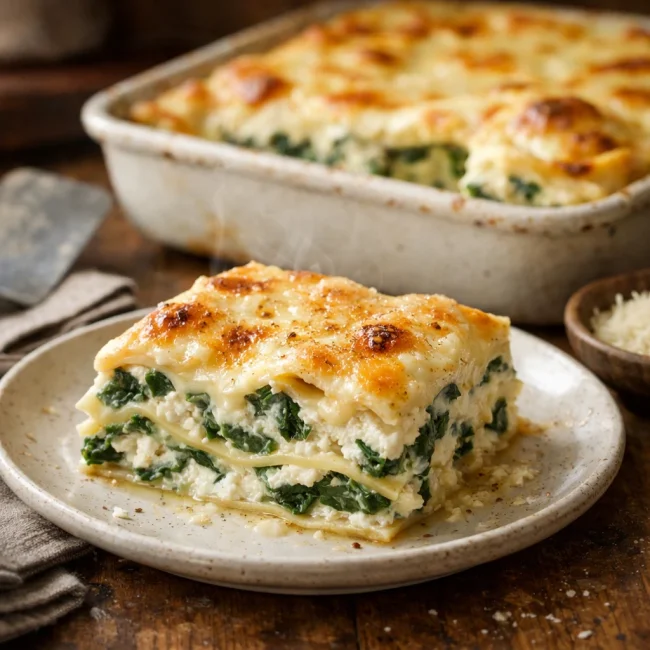
Spinach and Ricotta White Lasagna
A unique twist on the classic lasagna, this white lasagna combines creamy ricotta,...
View Recipe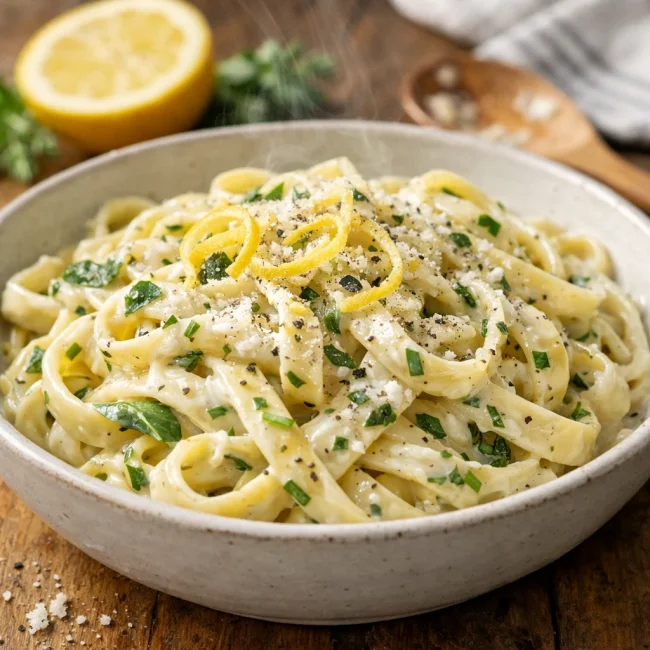
Lemon Herb Fettuccine Alfredo
Lemon Herb Fettuccine Alfredo is a refreshing twist on the classic dish, combining...
View Recipe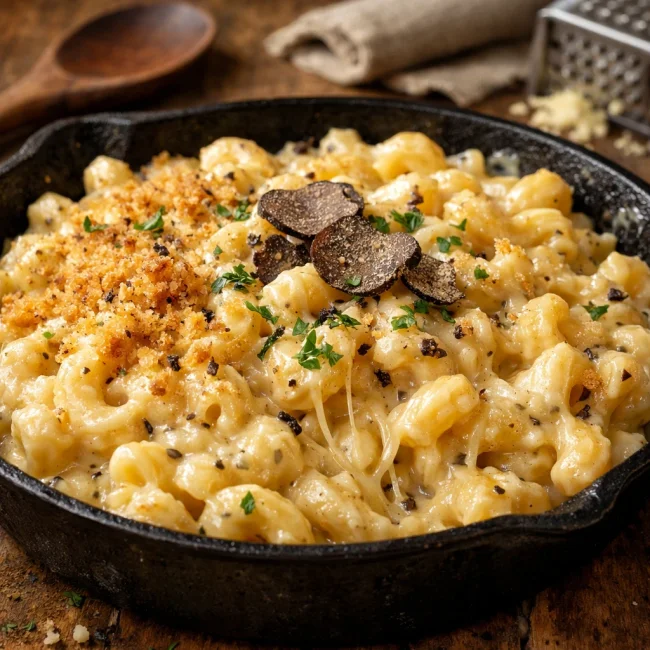
Truffle Mac and Cheese
Experience the ultimate comfort food with a gourmet twist in this Truffle Mac and ...
View Recipe