
Flaky Puff Pastry
Making flaky puff pastry at home might seem intimidating, but with a handful of simple ingredients and a bit of patience, you can create a buttery, layered masterpiece that rivals any bakery. This recipe is perfect for those who love indulging in homemade pastries and want to elevate their baking skills.
 Share
Share

This post may contain affiliate links. As an Amazon Associate, we earn from qualifying purchases.
Ingredients for Flaky Puff Pastry
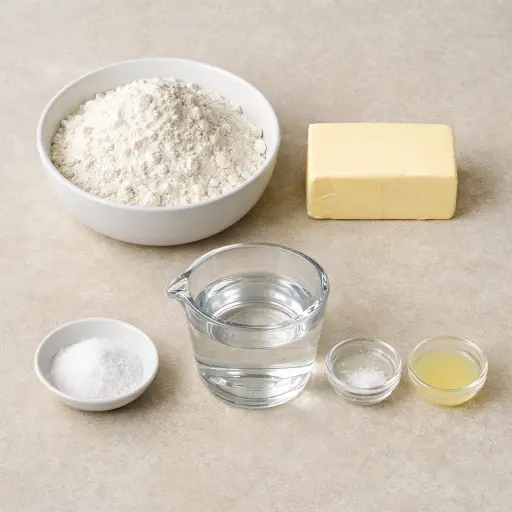
The magic of this puff pastry lies in quality and technique. Start with all-purpose flour which provides structure and stability. The star of the show is undoubtedly the butter; when kept cold, it creates those beloved flaky layers. A pinch of salt enhances flavor without overpowering. The cold water is essential in binding the dough without melting the butter. Finally, a splash of lemon juice helps relax the dough, making it easier to roll out.
Why This Flaky Puff Pastry Works
Cold butter and simple folding do most of the work here. At the start, the butter stays in small, solid chunks coated in flour instead of being fully mixed in. During rolling, those chunks flatten into thin sheets and streaks inside the dough. Each time the dough folds like a letter, more layers stack on top of each other, with flour dough on one side and butter on the other.
As the dough rests in the fridge between turns, the butter firms back up and the gluten in the flour relaxes, so the dough doesn’t spring back or tear. By the time it goes into the hot oven, there are many thin layers of cold butter trapped between layers of dough. In the oven, the butter melts and the water in both the butter and the dough turns to steam. That steam pushes the dough layers apart while the flour sets in place, so the pastry rises, separates, and bakes into crisp, flaky sheets instead of one solid block.
Flaky Puff Pastry Tips & Tricks
- Keep everything cold: cold ingredients and a cool kitchen are your best friends.
- Don’t overwork the dough; gentle hands make for flaky pastries.
- If you don’t have a pastry cutter, use two knives or a food processor to cut in the butter.
- Mark your dough with a small indentation each time you complete a fold to keep track of your turns.
Mistakes To Avoid
Using butter that is even slightly soft turns the dough pasty instead of crumbly. The butter then blends into the flour instead of staying in little chunks, so in the oven it melts out in a greasy layer instead of creating steam pockets. The baked pastry comes out flat and bready instead of puffed and flaky.
Skipping or shortening the chilling times between folds lets the butter warm up inside the dough. As the dough is rolled, the butter smears into streaks instead of staying in separate layers. In the oven, those smeared layers fuse together and the pastry bakes up dense with only a few uneven bubbles.
Rolling the dough too thin during the folds presses the layers into each other. The flour and butter sheets lose their separation, so there is less trapped air to expand. The final pastry bakes into a crisp cracker-like sheet instead of tall, distinct layers.
Adding all the water at once and mixing until smooth overworks the dough. The flour forms strong gluten strands, making the dough stretchy and tight. In the oven, this tight dough resists rising and the pastry feels chewy instead of light.
Equipment Used:
Ingredients
- 2 1/2 cups all-purpose flour
- 1 cup unsalted butter, cold
- 1 tsp salt
- 3/4 cup cold water
- 1 tbsp lemon juice
Step-by-step Instructions
- 1. In a large bowl, combine flour and salt. Cut in cold butter until mixture resembles coarse crumbs.
- 2. Mix lemon juice into cold water. Gradually add to flour mixture, stirring with a fork until a rough dough forms.
- 3. Turn dough onto a floured surface and knead gently to bring it together. Wrap in plastic and refrigerate for 30 minutes.
- 4. Roll out dough into a rectangle about 1/2 inch thick. Fold into thirds, like a letter, and turn 90 degrees. Roll out again.
- 5. Repeat rolling and folding process five more times, chilling for 20 minutes between each turn.
- 6. After final fold, wrap dough and chill for at least 1 hour before using.
- 7. Preheat the oven to 400°F before baking. Use the dough in your favorite pastry recipe.
Trending Now
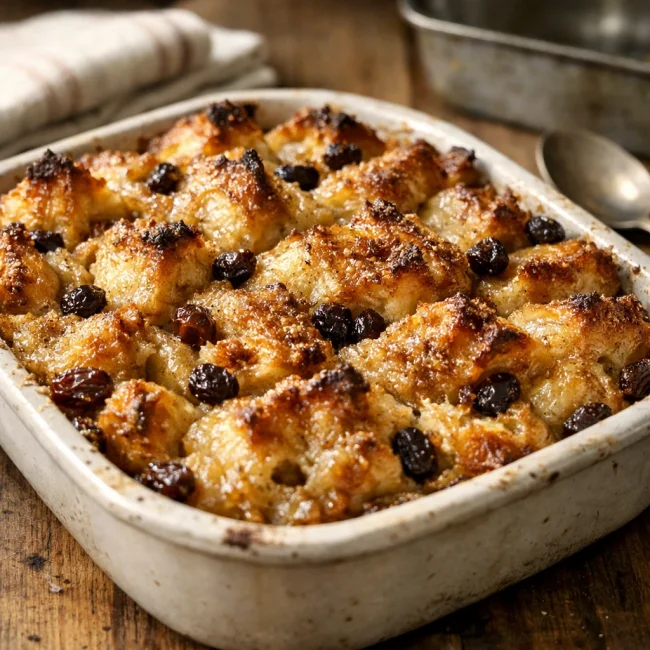
Old-Fashioned Bread Pudding
Discover the classic charm of Old-Fashioned Bread Pudding - a timeless dessert com...
View Recipe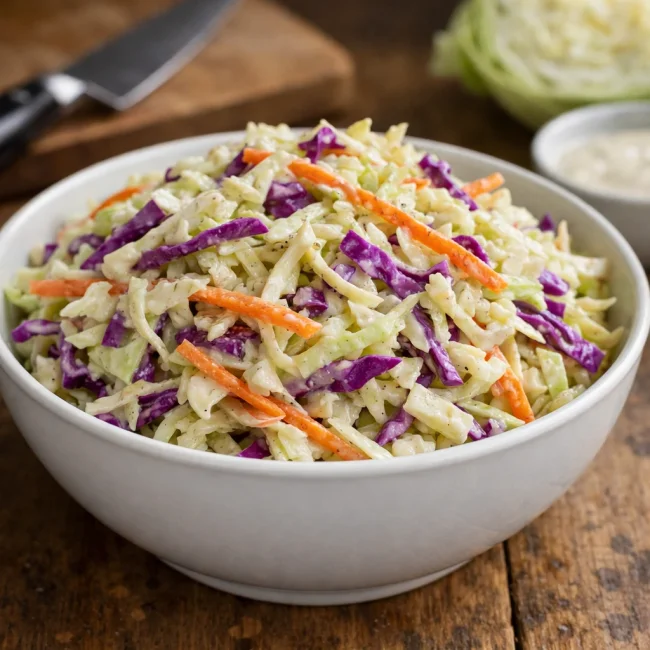
Traditional Crisp Coleslaw
A classic coleslaw recipe featuring finely shredded cabbage and carrots tossed in ...
View Recipe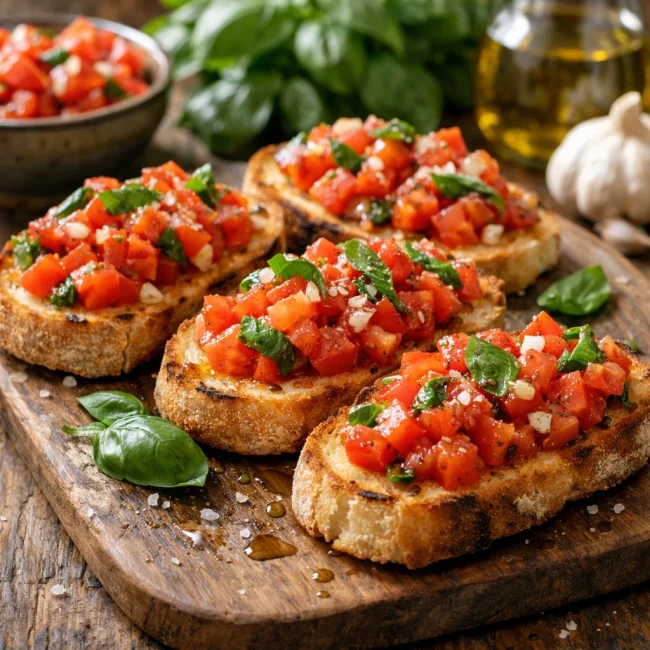
Traditional Italian Bruschetta
Experience the authentic taste of Italian bruschetta, a perfect blend of fresh tom...
View Recipe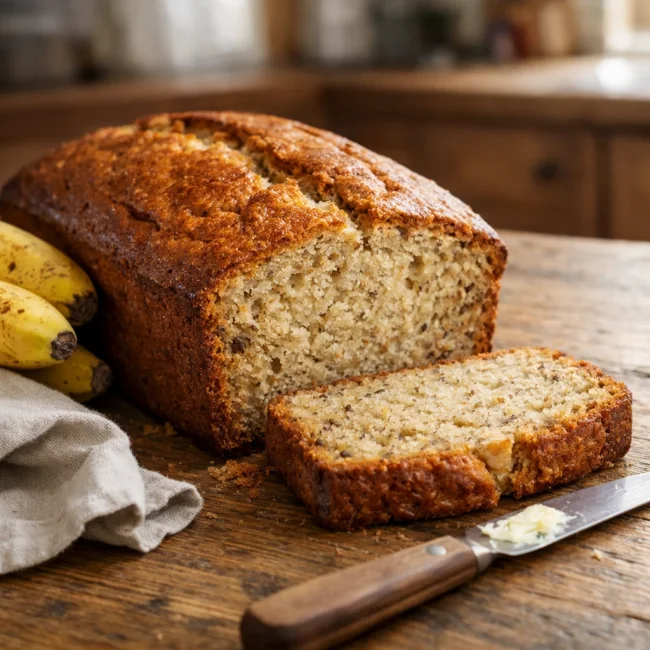
Classic Banana Bread
Classic Banana Bread is a timeless dessert beloved for its moist texture and sweet...
View RecipeFrequently Asked Questions
- Can I use salted butter?
- It’s best to use unsalted butter to control the salt content, but in a pinch, you can use salted butter and reduce the added salt slightly.
- How can I tell if my butter is cold enough?
- Your butter should be firm and not greasy to the touch. If it starts to soften, pop it back in the fridge for a few minutes.
- Can I freeze the dough?
- Absolutely! Wrap it tightly in plastic wrap and freeze for up to 3 months. Thaw overnight in the fridge before using.
Serving Ideas for Flaky Puff Pastry
This puff pastry is your blank canvas. Use it to make elegant tarts, classic croissants, or savory pot pies. For an appetizer, top with caramelized onions and goat cheese. For dessert, consider pairing it with fresh berries and a dollop of whipped cream for a delightful treat.
More Breads & Baked Goods Recipes

Traditional Italian Easter Bread
Savor the delightful taste of a classic Italian Easter bread, a sweet, soft, and s...
View Recipe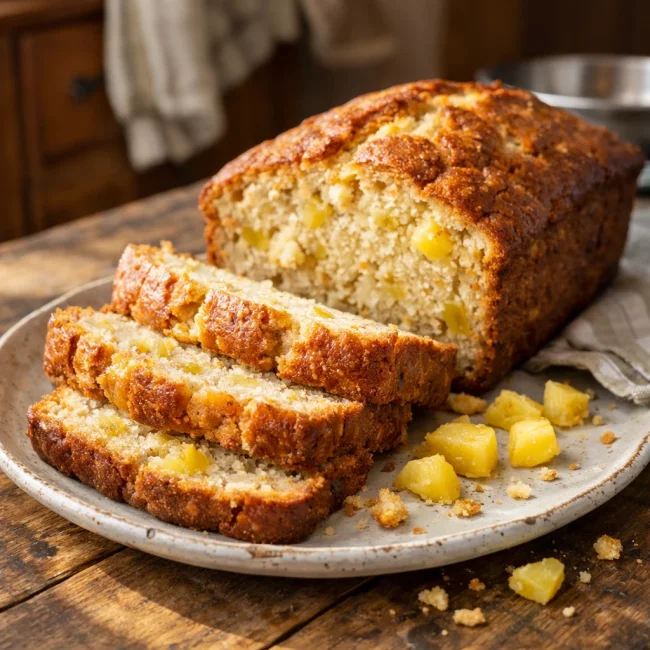
Old-Fashioned Pineapple Bread
A delightful and flavorful bread infused with juicy pineapple, perfect for breakfa...
View Recipe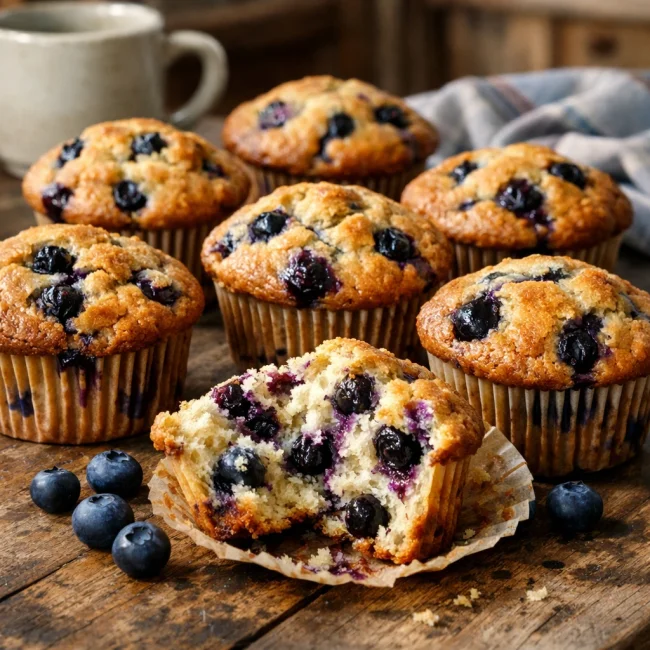
Old-Fashioned Blueberry Muffins
Transport yourself to simpler times with these delightful old-fashioned blueberry ...
View Recipe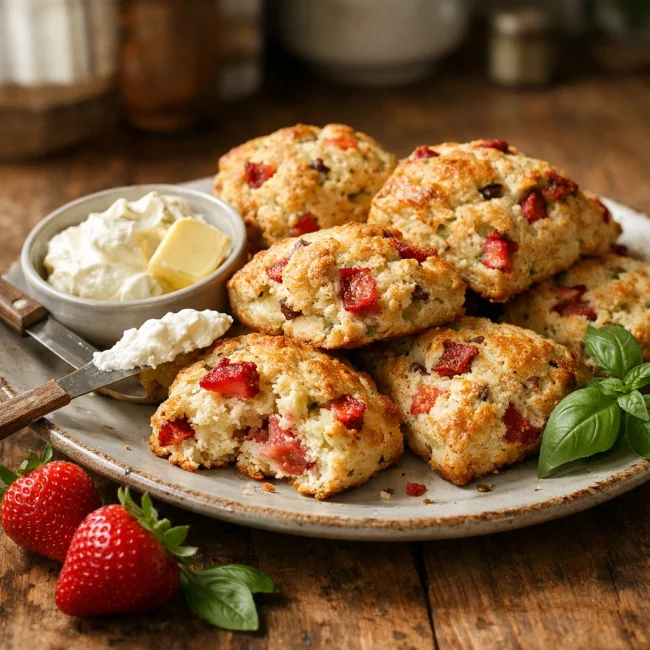
Strawberry Basil Scones
These tender scones combine the sweetness of fresh strawberries with a hint of pep...
View Recipe