
Flaky Buttery Pie Crust
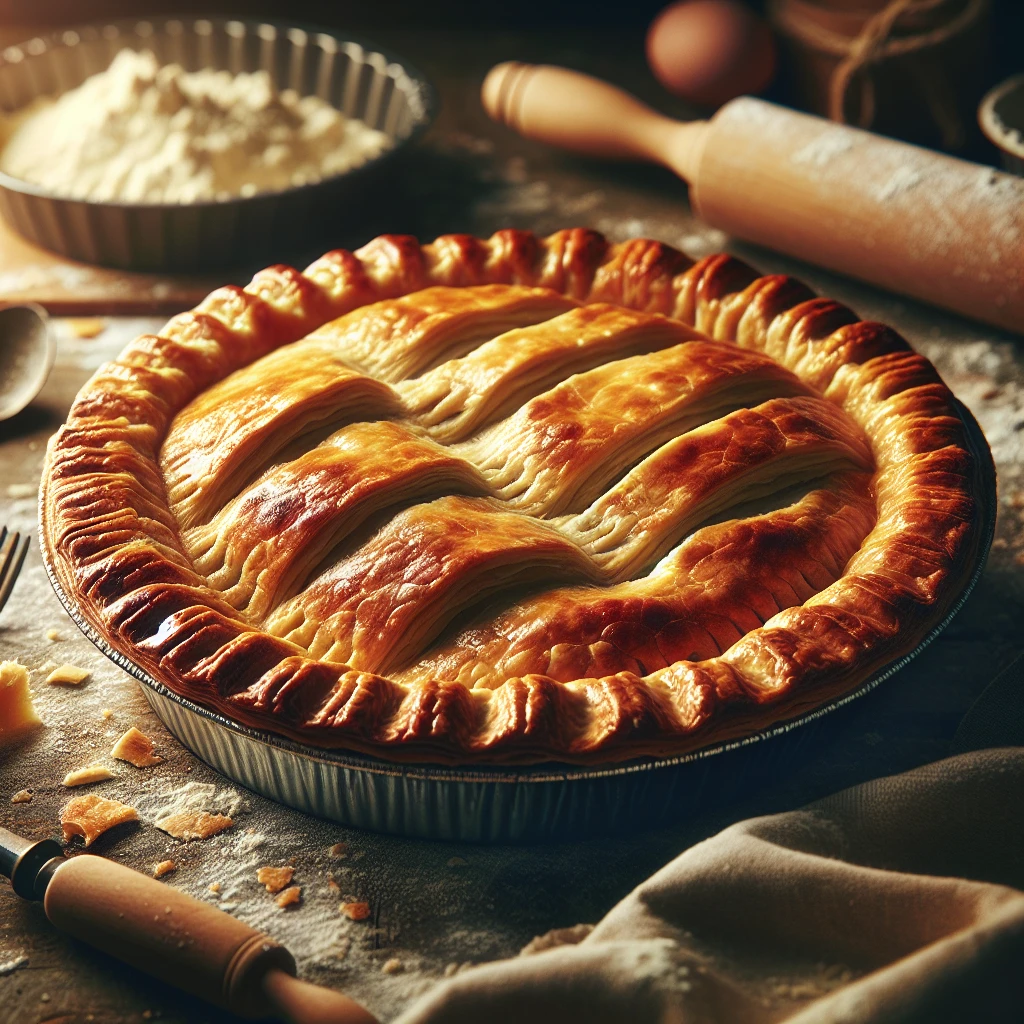
If you've ever struggled with making pie crust, this recipe is about to become your trusty kitchen companion. With a few simple ingredients and some handy tips, you’ll achieve a flaky, buttery crust that will elevate your pies to new heights.
 Share
Share
This post may contain affiliate links. As an Amazon Associate, we earn from qualifying purchases.
Ingredients for Flaky Buttery Pie Crust
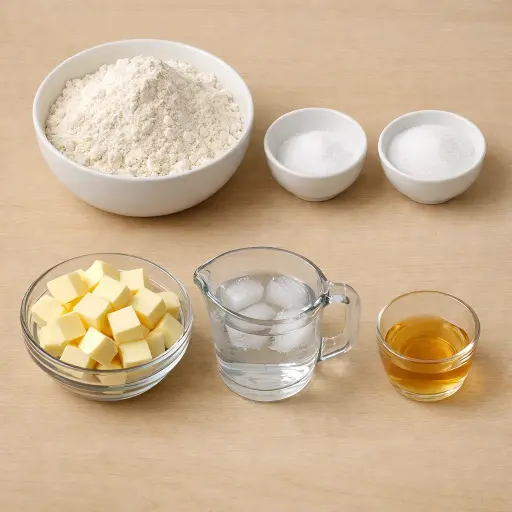
The secret to a perfect crust starts with the all-purpose flour, which provides structure while allowing for a tender finish. The salt is essential for enhancing flavor, while the granulated sugar adds a touch of sweetness that balances the richness. Cold, cubed unsalted butter is crucial for achieving those sought-after flaky layers. The ice water and apple cider vinegar come together to hydrate the dough while preventing toughness, thanks to the vinegar's tenderizing properties.
Why This Flaky Buttery Pie Crust Works
Cold butter is the big thing here. Those firm cubes stay in pieces when they are mixed with the flour, so the flour coats the outside but doesn’t melt into it yet. As the butter is cut in, the bowl fills with little flat bits of butter and dry flour around them. Later in the oven, those butter pieces melt and leave tiny gaps where steam can puff the dough. That’s what gives the crust all those flaky layers instead of one solid sheet.
The flour and a small amount of water and vinegar give just enough moisture for the dough to hold together without turning sticky. Vinegar slightly weakens the gluten that forms, so the dough stays tender and doesn’t turn tough when rolled out. During the rest in the fridge, the flour finishes soaking up the liquid and the butter firms back up. By the time the dough is rolled and baked, it stays cool long enough for the butter to melt slowly in the oven, creating a crust that is both crisp and flaky, but still tender when sliced.
Flaky Buttery Pie Crust Tips & Tricks
- Keep everything cold — from the butter to your hands. It helps maintain the dough's texture.
- If the dough starts to stick while rolling, refrigerate it again for about 15 minutes.
- Use a marble rolling pin if you have one. It stays cooler longer.
Mistakes To Avoid
Using butter that is even slightly soft makes the biggest mess here. Instead of staying in little cold pieces, the butter smears into the flour and melts as the dough is handled, so the crust bakes up dense and bready instead of light and flaky.
Adding all the water-vinegar mixture at once often leads to a dough that is too wet. The flour soaks it up unevenly, the dough turns sticky, and extra flour gets worked in while rolling, which makes the crust tough and heavy.
Overworking the dough after it starts to come together causes the butter pieces to disappear. The more it is kneaded and pressed, the smoother it looks, but in the oven it bakes into a flat, hard sheet instead of separating into thin layers.
Skipping or shortening the chill time in the fridge keeps the butter from firming back up. In the oven, the soft butter leaks out quickly, the crust shrinks down the sides of the pie dish, and the bottom can bake up greasy instead of crisp.
Equipment Used:
Ingredients
- 2 1/2 cups all-purpose flour
- 1 tsp salt
- 1 tbsp granulated sugar
- 1 cup unsalted butter, chilled and cubed
- 1/4 cup ice water
- 1 tbsp apple cider vinegar
Step-by-step Instructions
- 1. In a large mixing bowl, whisk together the flour, salt, and sugar.
- 2. Add the chilled, cubed butter to the flour mixture and cut it in using a pastry cutter or fork until the mixture resembles coarse crumbs.
- 3. In a small bowl, combine ice water with apple cider vinegar. Gradually add this to the flour-butter mixture, stirring gently with a fork until the dough comes together.
- 4. Divide the dough in half, shape into discs, wrap in plastic wrap, and chill in the refrigerator for at least 1 hour.
- 5. Roll out the dough on a lightly floured surface to your desired thickness before placing it into your pie dish.
Trending Now
Oven-Baked Pork Chops
Enjoy a delightful dinner with these tender and juicy oven-baked pork chops, seaso...
View Recipe
Traditional Corn Casserole
A delightful corn casserole dish that embodies the comforting flavors of sweet cor...
View Recipe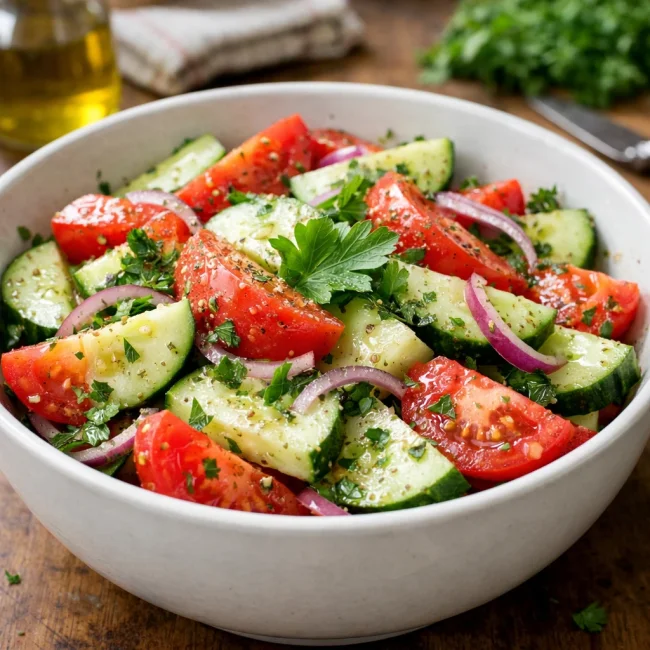
Traditional Cucumber and Tomato Salad
A refreshing and simple salad combining crisp cucumbers and juicy tomatoes, season...
View Recipe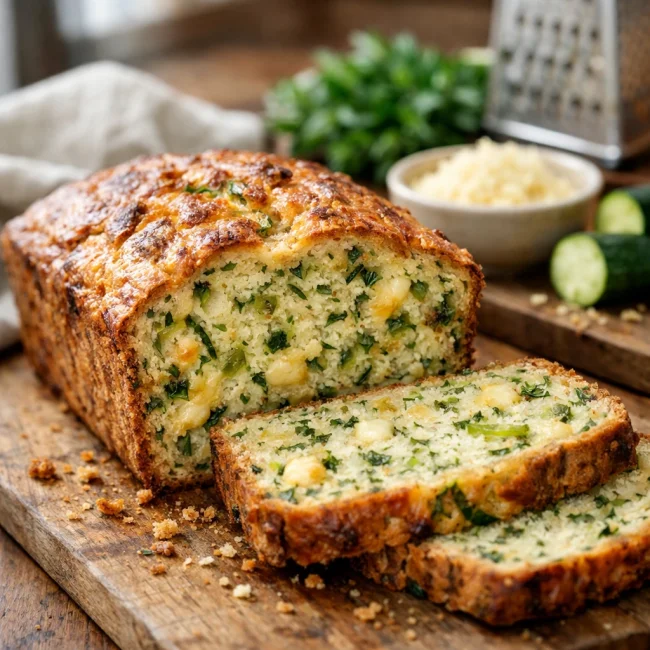
Savory Zucchini Bread
Savory Zucchini Bread is a delectable twist on traditional zucchini recipes, combi...
View RecipeFrequently Asked Questions
- Can I use salted butter?
- You can, but omit the extra salt in the recipe to avoid over-salting.
- How do I know when my dough is mixed enough?
- When the dough holds together when you squeeze a bit in your hand without crumbling, it's ready.
- Can I freeze the dough?
- Yes, wrap the discs tightly in plastic wrap and store them in a freezer bag for up to three months.
Serving Ideas for Flaky Buttery Pie Crust
This pie crust is your go-to for any kind of pie. For a classic apple pie, pair it with a scoop of vanilla ice cream. If you're making a chicken pot pie, serve it alongside a fresh green salad. The crust's versatility allows it to complement both sweet and savory fillings beautifully.
More Breads & Baked Goods Recipes
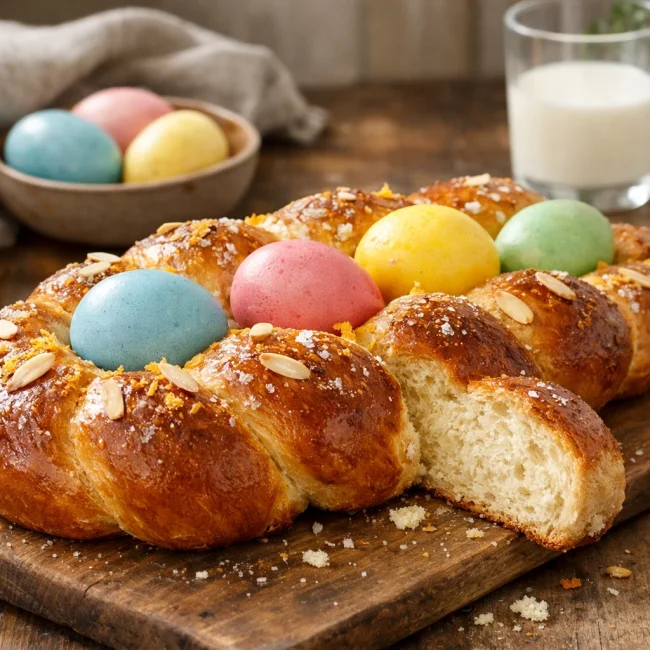
Traditional Italian Easter Bread
Savor the delightful taste of a classic Italian Easter bread, a sweet, soft, and s...
View Recipe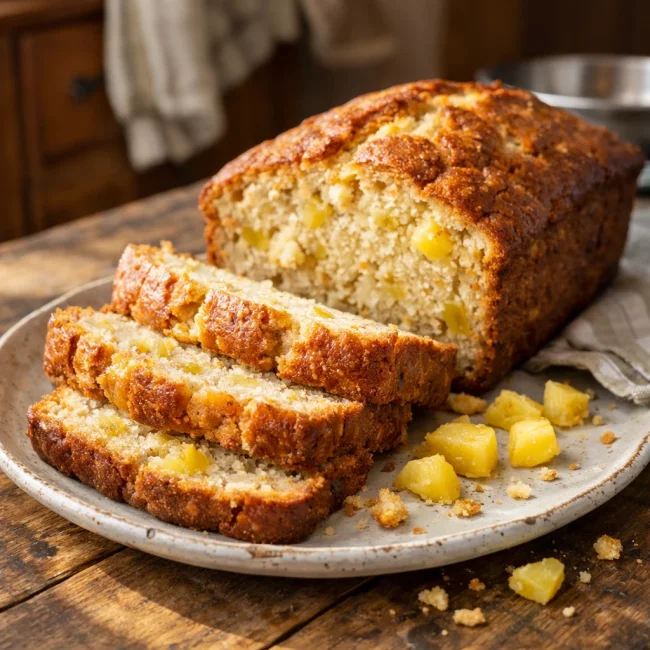
Old-Fashioned Pineapple Bread
A delightful and flavorful bread infused with juicy pineapple, perfect for breakfa...
View Recipe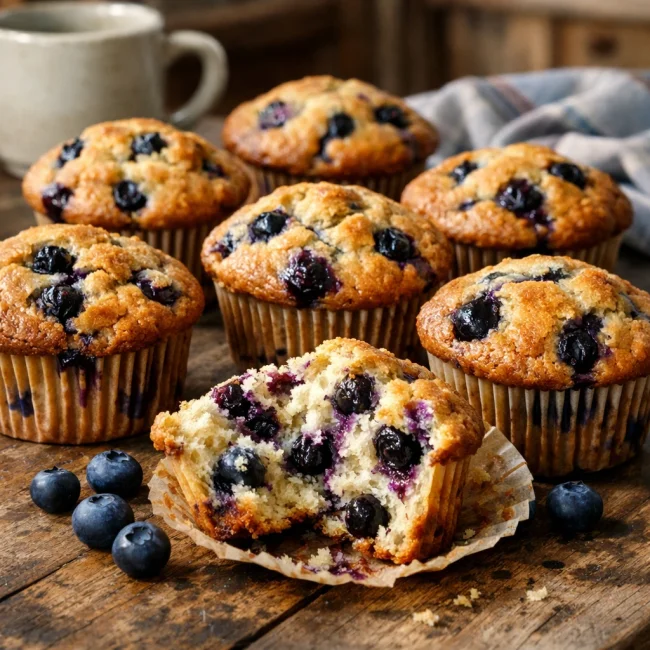
Old-Fashioned Blueberry Muffins
Transport yourself to simpler times with these delightful old-fashioned blueberry ...
View Recipe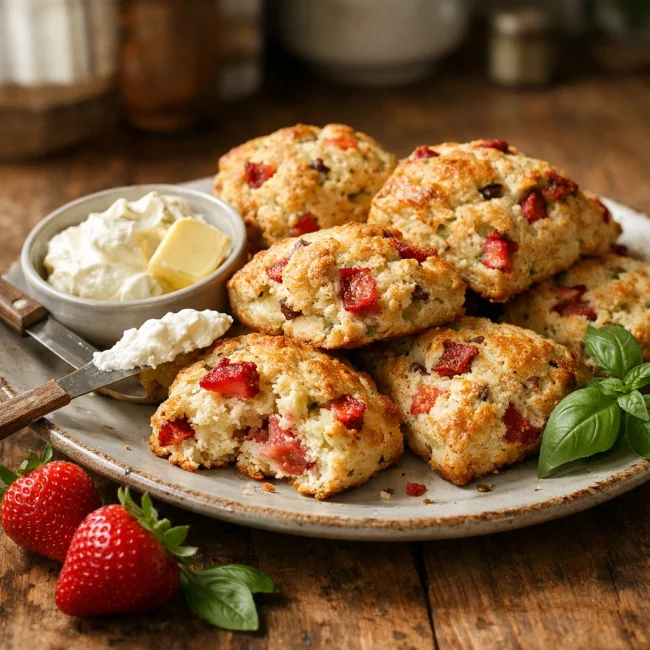
Strawberry Basil Scones
These tender scones combine the sweetness of fresh strawberries with a hint of pep...
View Recipe