
Filipino Kare-Kare
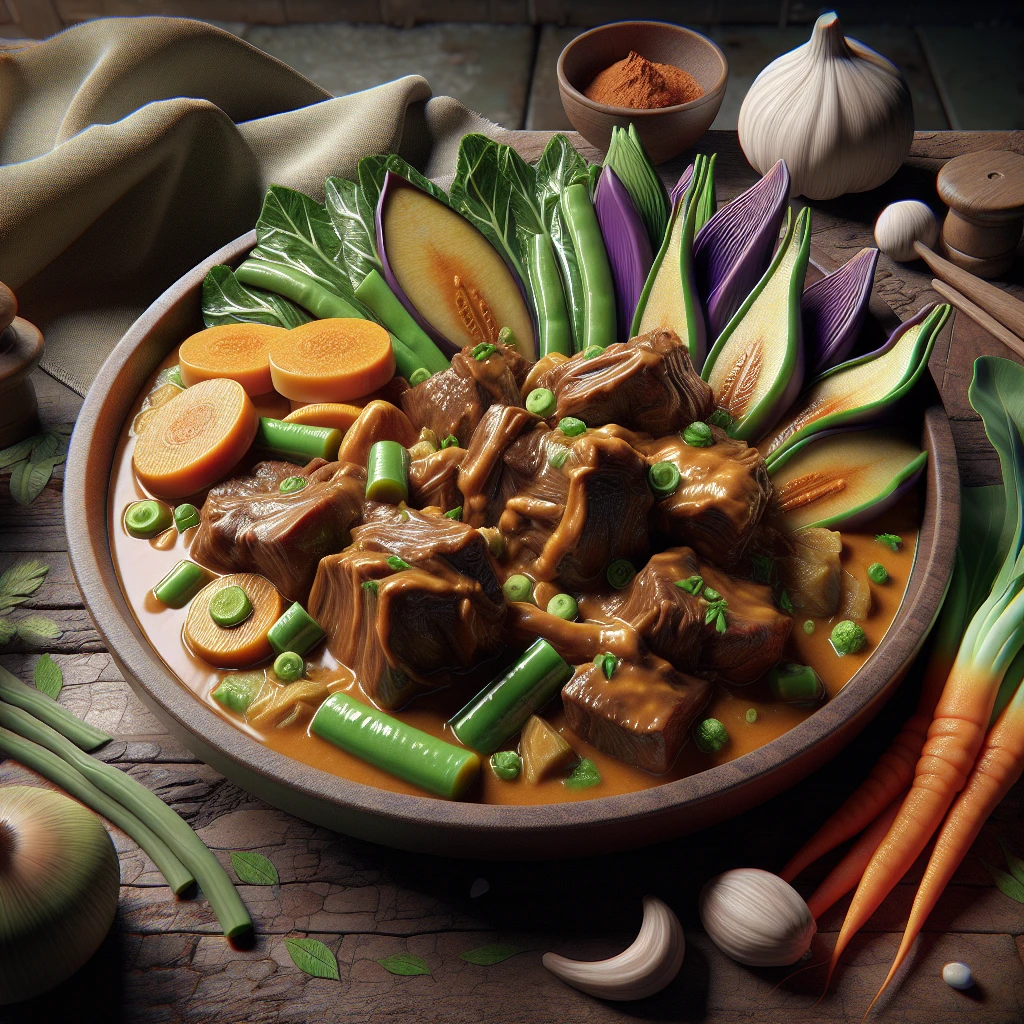
Kare-Kare is a beloved Filipino stew known for its rich, savory peanut sauce and tender oxtail. It's a dish that brings warmth and comfort, perfect for family gatherings or special occasions. Dive into this flavorful classic and discover why it's a staple in Filipino households.
 Share
Share
This post may contain affiliate links. As an Amazon Associate, we earn from qualifying purchases.
Ingredients for Filipino Kare-Kare
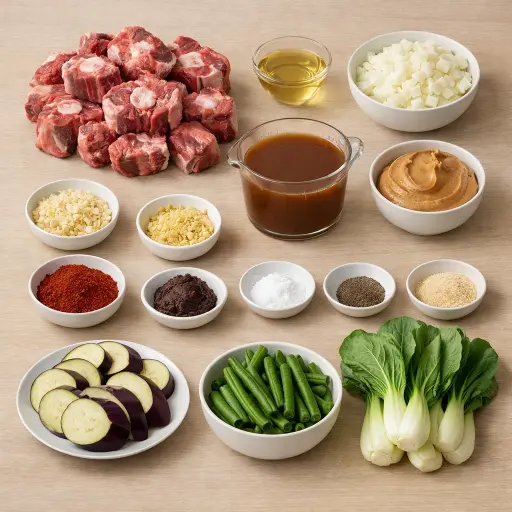
The star of the show is the oxtail, which becomes incredibly tender and flavorful when slow-cooked. Vegetable oil is used for searing, creating a beautiful crust on the meat. The aromatic duo of garlic and onion builds the base flavors. Peanut butter lends its creamy, nutty richness to the sauce. Beef broth provides depth, while annatto powder gives the stew its signature orange hue. Shrimp paste introduces a savory umami kick, perfectly balanced with salt and black pepper. The addition of eggplant, green beans, and bok choy not only enhances nutrition but also adds texture. Finally, toasted rice powder thickens the sauce, making it velvety smooth.
Why This Filipino Kare-Kare Works
Searing the oxtail in hot oil at the start gives the outside a brown crust while the inside stays juicy. After that, long, slow simmering in beef broth lets the tough meat break down. Over time, the collagen in the oxtail melts into the liquid, so the meat becomes very tender and the broth turns silky and slightly sticky in a good way.
As the peanut butter warms in the hot broth, it loosens and blends into that collagen-rich liquid. The sauce slowly thickens and clings to the meat and vegetables instead of staying watery. Annatto powder colors the whole pot, so everything ends up coated in the same orange-brown sauce.
Once the eggplant, green beans, and bok choy go in, they soften just enough in the thick peanut sauce but don’t fall apart. Near the end, toasted rice powder swells in the hot liquid and tightens the sauce a bit more, so it stays thick on the plate and doesn’t separate, especially when eaten with plain steamed rice.
Filipino Kare-Kare Tips & Tricks
- If you want a thicker sauce, add more toasted rice powder gradually until you reach your desired consistency.
- For an extra kick, toast the shrimp paste lightly before adding it to the stew.
- You can substitute oxtail with beef shank or tripe if you prefer.
Mistakes To Avoid
Letting the oxtail simmer for less than the full time leaves the meat tough and chewy. The connective tissue doesn’t have time to break down, so instead of soft pieces that slide off the bone, the chunks stay hard and the sauce feels thin and watery around them.
Cranking the heat too high after adding the peanut butter can cause the sauce to catch at the bottom of the pot. The peanut butter sticks and scorches in spots, giving the whole pot dark specks and a burnt, bitter edge, while the rest of the liquid stays uneven.
Adding the vegetables at the same time makes the texture messy. The eggplant and green beans turn mushy by the time the bok choy is barely cooked, so the stew ends up with falling-apart pieces mixed with stiff stems.
Dumping in all the toasted rice powder at once without stirring it in slowly leads to clumps. The powder forms little pasty balls instead of melting into the liquid, so the sauce thickens in patches and feels grainy instead of smooth.
Equipment Used:
Ingredients
- 2 lbs oxtail,1 tbsp vegetable oil,4 cloves garlic minced,1 large onion chopped,1 cup peanut butter,4 cups beef broth,2 tbsp annatto powder,1 tbsp shrimp paste,1 tsp salt,1/2 tsp black pepper,1 small eggplant sliced,1 cup green beans trimmed,1 bunch bok choy,1/4 cup toasted rice powder
Step-by-step Instructions
- 1. Heat the vegetable oil in a large pot over medium-high heat.
- 2. Sear the oxtail pieces until browned on all sides.
- 3. Add garlic and onion; sauté until softened.
- 4. Stir in peanut butter, annatto powder, and beef broth; bring to a boil.
- 5. Reduce heat, cover, and simmer for about 2 hours or until oxtail is tender.
- 6. Season with shrimp paste, salt, and pepper.
- 7. Add eggplant and green beans; cook until vegetables are tender.
- 8. Stir in bok choy and toasted rice powder; simmer for an additional 5 minutes.
- 9. Serve hot with steamed rice.
Trending Now
Oven-Baked Pork Chops
Enjoy a delightful dinner with these tender and juicy oven-baked pork chops, seaso...
View Recipe
Traditional Corn Casserole
A delightful corn casserole dish that embodies the comforting flavors of sweet cor...
View Recipe
Traditional Cucumber and Tomato Salad
A refreshing and simple salad combining crisp cucumbers and juicy tomatoes, season...
View Recipe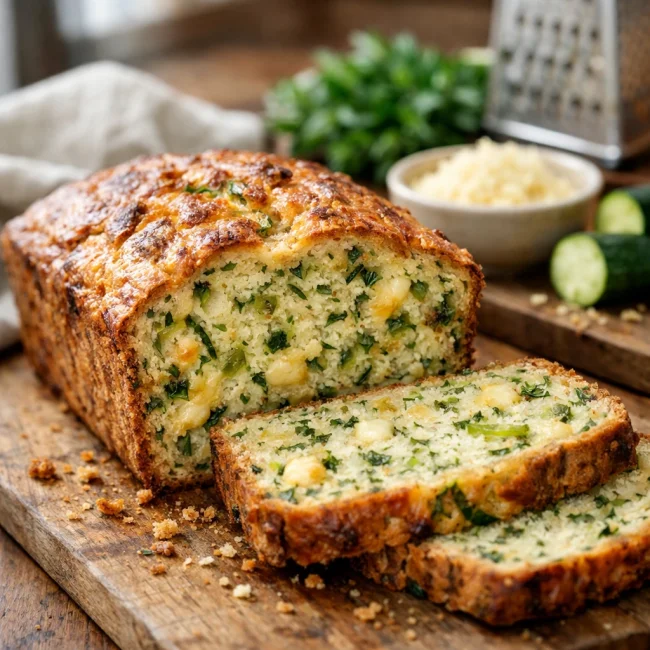
Savory Zucchini Bread
Savory Zucchini Bread is a delectable twist on traditional zucchini recipes, combi...
View RecipeFrequently Asked Questions
- Can I use a different type of meat?
- Yes, beef shank or tripe are great alternatives.
- Is there a vegetarian version?
- Try substituting the meat with tofu and mushrooms for a vegetarian twist.
- What can I use instead of annatto powder?
- Spanish paprika can be used as an alternative for color, though it will slightly alter the flavor.
Serving Ideas for Filipino Kare-Kare
Kare-Kare is traditionally served with steamed white rice to soak up the delicious sauce. A side of bagoong (fermented shrimp paste) is often provided for those who want an extra burst of umami. Consider pairing it with a simple cucumber and tomato salad to cut through the richness.
More Soups & Stews Recipes
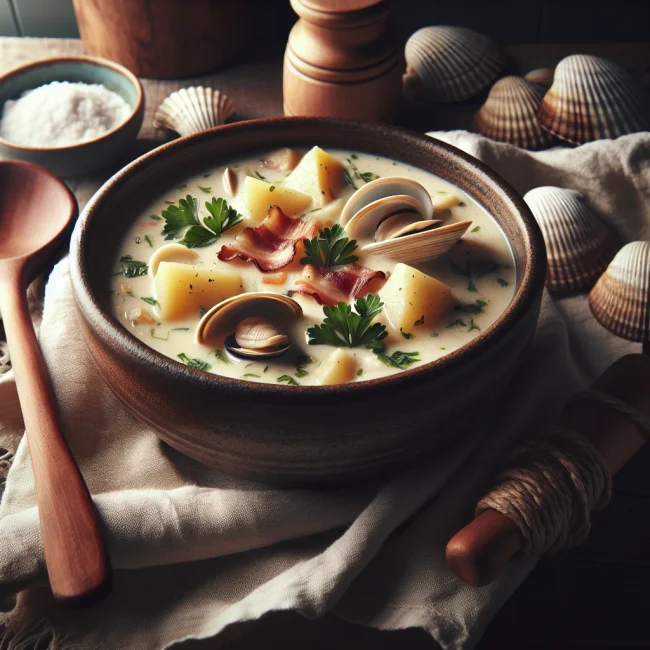
Classic Clam Chowder
Indulge in a timeless seaside staple with our Classic Clam Chowder recipe, a rich ...
View Recipe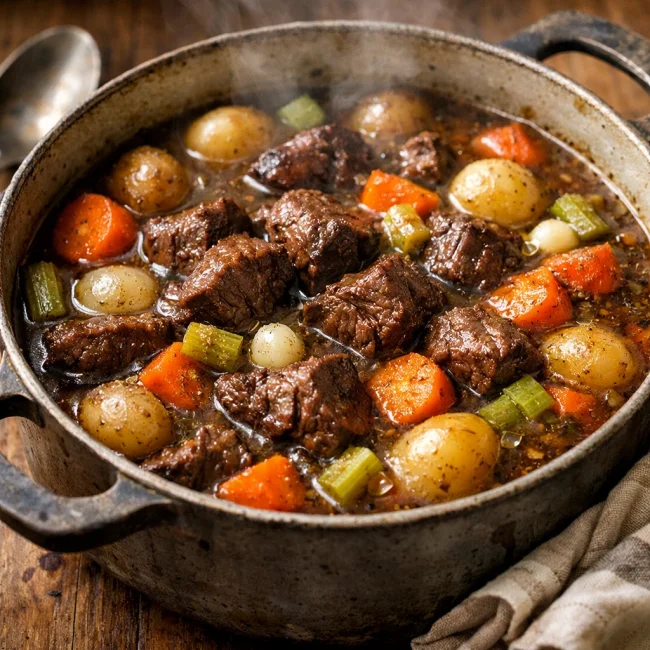
Traditional Beef Stew
A heartwarming traditional beef stew that combines tender beef chunks with classic...
View Recipe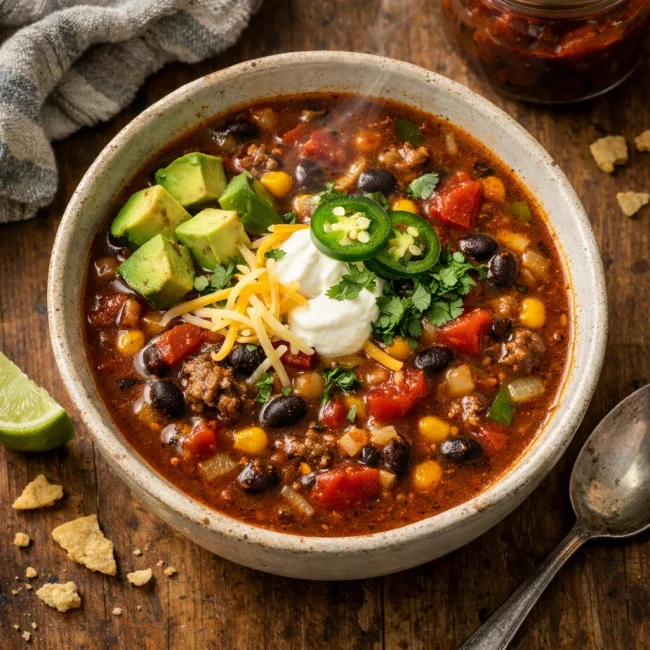
Southwestern Chipotle Taco Soup
Explore the bold flavors of the Southwest with this unique variation of taco soup,...
View Recipe
Southwest Fiesta Taco Soup
Discover the vibrant flavors of our Southwest Fiesta Taco Soup, a quick and hearty...
View Recipe