
Filipino Dinuguan
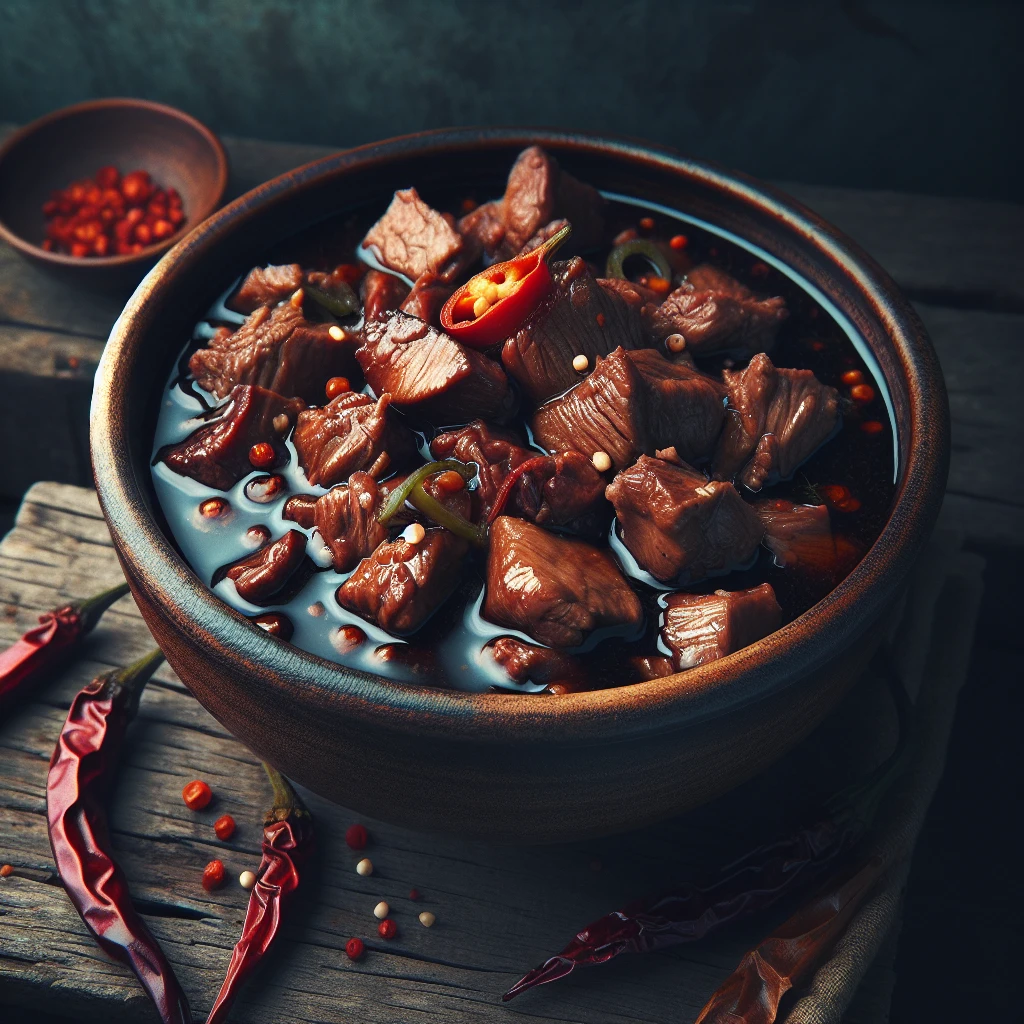
Filipino Dinuguan, also known as "chocolate meat," might sound adventurous, but it's a flavorful, comforting dish that's a staple in Filipino cuisine. This savory stew is a delicious way to explore authentic Filipino flavors, combining tender pork and a rich, savory sauce.
 Share
Share
This post may contain affiliate links. As an Amazon Associate, we earn from qualifying purchases.
Ingredients for Filipino Dinuguan
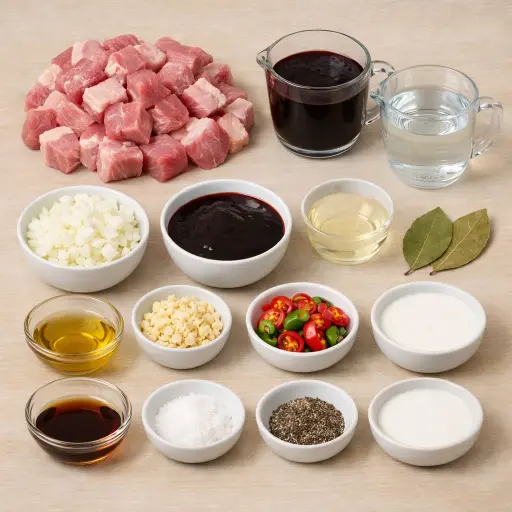
The star of this dish is the pork shoulder, known for its tenderness and ability to absorb flavors. The pig's blood might seem unusual, but it creates a rich, thick sauce that gives Dinuguan its signature taste. Vinegar adds a tangy note, balancing the richness of the dish. Hot peppers provide a spicy kick, which you can adjust to your liking. The coconut milk is optional but adds a creamy twist to the sauce.
Why This Filipino Dinuguan Works
As the onion and garlic cook in oil, they soften and lose their sharp bite, so they blend into the sauce instead of standing out. Once the pork hits the pot, the outside browns and firms up a bit. That browning keeps the meat from falling apart later, even after it simmers for a long time. While it simmers in water and vinegar, the pork slowly loosens and turns tender, but the pieces still hold their shape.
During the simmering time, vinegar also keeps the pig’s blood from clumping later. By the time the peppers and seasonings go in, the pork is already soft, so the last part of cooking is mostly about the sauce. When the blood is poured in slowly and stirred, it spreads through the liquid and thickens it into a smooth, dark gravy that clings to the meat. If coconut milk is added at the end, it softens the sharp edge of the vinegar and makes the sauce feel creamier without thinning it too much.
Filipino Dinuguan Tips & Tricks
- For the best texture, stir the pig's blood continuously as you pour it in to prevent curdling.
- If you're not a fan of too much heat, reduce the number of hot peppers or remove their seeds.
- Using fresh pig's blood is crucial for the authentic texture and flavor of this dish.
Mistakes To Avoid
Pouring the pig’s blood in all at once often makes it seize into rubbery clumps. The hot liquid shocks the blood, so it sets in chunks instead of blending in. The finished dinuguan ends up with grainy bits and a thin, watery broth instead of a smooth, thick sauce.
Letting the pork boil hard the whole time can make the meat tough outside and dry inside. The fast boil tightens the meat fibers before they soften. The stew then has chewy pork and a sauce that reduces too quickly and tastes harsh.
Adding the coconut milk at the same time as the vinegar and simmering it for too long causes the sauce to split. The fat separates and floats on top while the liquid underneath stays thin. The dish looks oily and broken instead of having a creamy, even sauce.
Skipping the browning of the pork and just boiling it in the liquid leaves the meat pale and a bit rubbery. The outside never gets that slight crust that helps it hold together. The cubes can shred apart in the pot and the sauce feels flat and thin.
Equipment Used:
Ingredients
- 2 lbs pork shoulder, cut into cubes
- 1 cup fresh pig's blood
- 1/2 cup vinegar
- 2 cups water
- 3 tbsp oil
- 1 large onion, chopped
- 5 cloves garlic, minced
- 2-3 hot peppers, sliced
- 1 tbsp fish sauce
- 1 tsp salt
- 1/2 tsp ground black pepper
- 2 bay leaves
- 1/2 cup coconut milk (optional)
Step-by-step Instructions
- 1. Heat the oil in a large pot over medium heat. Sauté the onion and garlic until translucent.
- 2. Add the pork cubes and cook for about 7-10 minutes until browned on all sides.
- 3. Pour in the vinegar and water, then add the bay leaves. Bring to a boil, then reduce the heat and let it simmer for about 30 minutes, until the pork is tender.
- 4. Stir in the hot peppers, fish sauce, salt, and ground black pepper. Simmer for another 10 minutes.
- 5. Slowly pour in the pig's blood while stirring continuously to avoid curdling. Cook for an additional 10-15 minutes until the blood has thickened into a sauce.
- 6. If using, add the coconut milk and simmer for another 5 minutes for a richer flavor.
- 7. Taste and adjust seasonings as necessary before serving.
Trending Now

Zesty Summer Squash Casserole
This delightful summer squash casserole combines vibrant garden-fresh vegetables w...
View Recipe
Classic Cucumber Salad
A refreshing and light cucumber salad featuring crisp cucumbers and a tangy vinaig...
View Recipe
Classic Banana Bread
Classic Banana Bread is a timeless dessert beloved for its moist texture and sweet...
View Recipe
Traditional Dump Cake
Discover the timeless delight of the Traditional Dump Cake, a simple and scrumptio...
View RecipeFrequently Asked Questions
- Can I use other cuts of pork?
- Yes, pork belly or pork hock are great alternatives if you prefer a fattier cut.
- Is there a substitute for pig's blood?
- Unfortunately, pig's blood is essential for an authentic Dinuguan. If you're unable to find it, consider making a different Filipino dish.
- How do I store leftovers?
- Store leftovers in an airtight container in the refrigerator for up to 3 days. Reheat gently on the stove.
Serving Ideas for Filipino Dinuguan
Dinuguan pairs wonderfully with steamed rice or a traditional Filipino rice cake called "puto." The rice helps balance the richness of the stew, making for a satisfying meal. You could also serve it with a fresh green salad to add a crisp contrast to the hearty stew.
More Soups & Stews Recipes
Classic Clam Chowder
Indulge in a timeless seaside staple with our Classic Clam Chowder recipe, a rich ...
View Recipe
Traditional Beef Stew
A heartwarming traditional beef stew that combines tender beef chunks with classic...
View Recipe
Southwestern Chipotle Taco Soup
Explore the bold flavors of the Southwest with this unique variation of taco soup,...
View Recipe
Southwest Fiesta Taco Soup
Discover the vibrant flavors of our Southwest Fiesta Taco Soup, a quick and hearty...
View Recipe