
Fiery Cajun Jambalaya
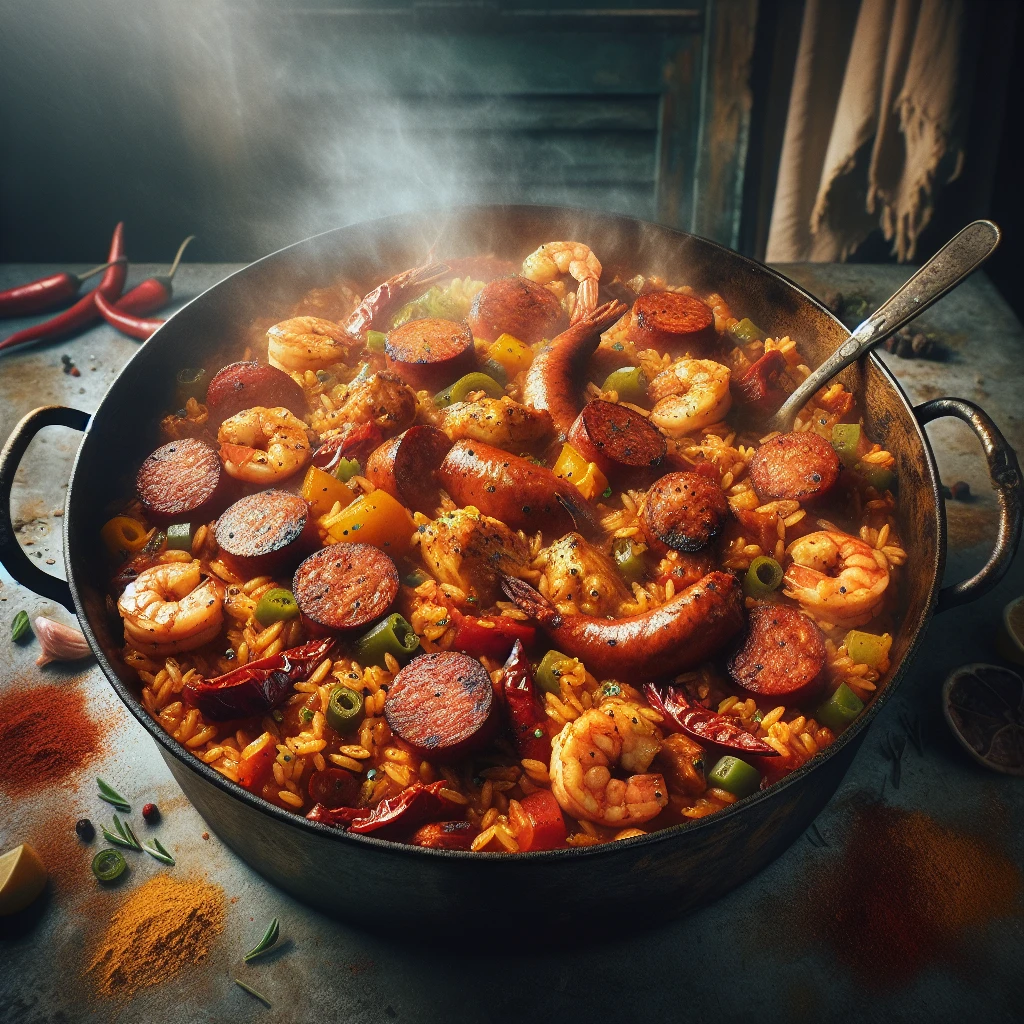
Fiery Cajun Jambalaya is a vibrant dish that brings the taste of Louisiana straight to your kitchen. With its bold flavors and a hint of heat, it's perfect for anyone looking to add a bit of spice to their dinner routine. This one-pot wonder is as satisfying as it is easy to make.
 Share
Share
This post may contain affiliate links. As an Amazon Associate, we earn from qualifying purchases.
Ingredients for Fiery Cajun Jambalaya
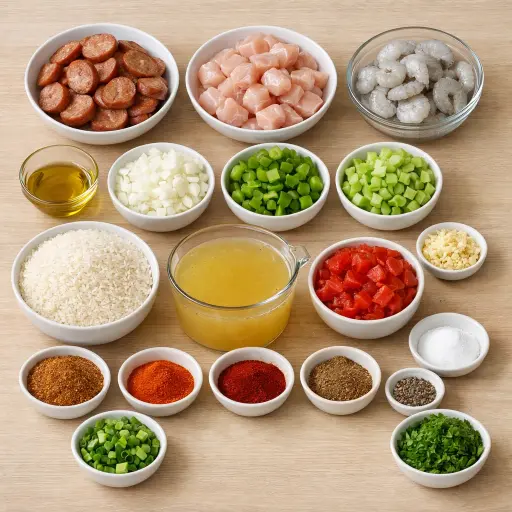
The star of the show here is the Andouille sausage, bringing that smoky, spicy flavor that defines Cajun dishes. Alongside it, chicken breast adds a mild, tender protein, while shrimp offers a sweet, briny contrast. Olive oil helps everything cook up nicely without sticking. The onion, green bell pepper, and celery make up the traditional Cajun "holy trinity" that forms the flavor base. Adding garlic gives an aromatic depth. Long-grain white rice is ideal for absorbing all those wonderful juices. Chicken broth ensures the rice stays moist and flavorful, while diced tomatoes add acidity and richness. The Cajun seasoning and cayenne pepper provide the fiery kick, balanced by smoked paprika and a touch of salt and black pepper. Finally, green onions and fresh parsley are sprinkled on top for a fresh, vibrant finish.
Why This Fiery Cajun Jambalaya Works
As the sausage browns in the hot oil, the edges crisp and some of the fat melts into the pot. That flavored fat coats the chicken when it goes in next, so the chicken browns instead of steaming and stays juicy inside. After the meat comes out, the onion, pepper, and celery land in all that tasty fat. They soften, shrink, and give off some liquid, which loosens the browned bits stuck to the bottom of the pot.
Once the rice is stirred in, every grain gets coated in oil and vegetable juices. That thin coating keeps the rice from clumping and lets it cook up fluffy instead of mushy. As the broth and tomatoes go in and everything simmers, the rice slowly soaks up the liquid along with the spices, so the heat spreads through the pot evenly. By the time the shrimp are added at the end, the rice is almost done, so the shrimp only need a few minutes. They cook through without getting rubbery, and the jambalaya thickens just enough to hold together but still scoop easily.
Fiery Cajun Jambalaya Tips & Tricks
- If you’re sensitive to spice, start with half the amount of cayenne and Cajun seasoning, then adjust to taste.
- For extra smoky flavor, try grilling the sausage before slicing.
- Keep the shrimp tails on for extra flavor if you don’t mind a bit of extra work while eating.
Mistakes To Avoid
Letting the rice simmer on too high a heat makes the liquid boil off too fast. The bottom layer starts to catch and burn while the top stays undercooked and hard. The pot ends up with scorched bits stuck to the base and rice that never gets evenly tender.
Adding the shrimp at the same time as the chicken and sausage keeps them in the pot way too long. The shrimp tighten up, turn rubbery, and can even shrink into tough little curls. In the finished jambalaya, the meats feel mismatched, with juicy sausage and chicken but chewy, dry shrimp.
Skipping the step of browning the sausage and chicken in batches leaves a lot of liquid in the pot. Instead of getting a bit of color, the meat steams and turns pale, and the extra moisture throws off the rice-to-liquid balance. The jambalaya can end up slightly mushy, with meat that tastes flat and watery.
Stirring the rice too often while it simmers breaks the grains and releases extra starch. The mixture thickens in a heavy, sticky way instead of staying loose. The final pot looks more like a gummy rice stew than separate, fluffy grains.
Equipment Used:
Ingredients
- 1 lb Andouille sausage, sliced
- 1 lb chicken breast, diced
- 1/2 lb shrimp, peeled and deveined
- 2 tbsp olive oil
- 1 large onion, diced
- 1 green bell pepper, diced
- 2 celery stalks, diced
- 4 garlic cloves, minced
- 2 cups long-grain white rice
- 4 cups chicken broth
- 1 can (14.5 oz) diced tomatoes
- 2 tbsp Cajun seasoning
- 1 tsp cayenne pepper
- 1 tsp smoked paprika
- 1/2 tsp salt
- 1/4 tsp black pepper
- 1/4 cup green onions, chopped
- 1/4 cup fresh parsley, chopped
Step-by-step Instructions
- 1. Heat olive oil in a large pot over medium-high heat. Add sliced Andouille sausage and cook until browned, about 5 minutes. Remove sausage and set aside.
- 2. In the same pot, add diced chicken and cook until golden, about 5-7 minutes. Remove chicken and set aside.
- 3. Add onions, bell pepper, and celery to the pot, sautéing until softened, about 5 minutes. Stir in garlic and cook for another minute.
- 4. Add rice to the pot, stirring to coat with the vegetable mixture. Pour in chicken broth and diced tomatoes, stirring to combine.
- 5. Return the sausage and chicken to the pot, and add Cajun seasoning, cayenne pepper, smoked paprika, salt, and black pepper. Bring to a boil, then reduce heat to low, cover, and simmer for 20 minutes.
- 6. Stir in the shrimp, cover, and cook until shrimp are pink and cooked through, about 5 minutes.
- 7. Remove from heat and let stand for 5 minutes. Fluff the jambalaya with a fork and garnish with green onions and parsley before serving.
Trending Now
Oven-Baked Pork Chops
Enjoy a delightful dinner with these tender and juicy oven-baked pork chops, seaso...
View Recipe
Traditional Corn Casserole
A delightful corn casserole dish that embodies the comforting flavors of sweet cor...
View Recipe
Traditional Cucumber and Tomato Salad
A refreshing and simple salad combining crisp cucumbers and juicy tomatoes, season...
View Recipe
Savory Zucchini Bread
Savory Zucchini Bread is a delectable twist on traditional zucchini recipes, combi...
View RecipeFrequently Asked Questions
- Can I use brown rice instead of white rice?
- Yes, but you’ll need to adjust cooking time and liquid amounts as brown rice takes longer to cook.
- What if I don’t have Andouille sausage?
- Any smoked sausage will work, though it may alter the flavor slightly.
Serving Ideas for Fiery Cajun Jambalaya
This jambalaya pairs beautifully with a simple green salad tossed in a light vinaigrette. For a bit of extra indulgence, serve with a side of crusty French bread to sop up all the delicious juices.
More Main Dishes Recipes
Unique Homemade Corned Beef
Discover the ultimate homemade corned beef recipe that balances rich flavors and t...
View Recipe
Spicy Lime Seared Ahi Tuna
Experience a burst of flavor with our Spicy Lime Seared Ahi Tuna, a perfect fusion...
View Recipe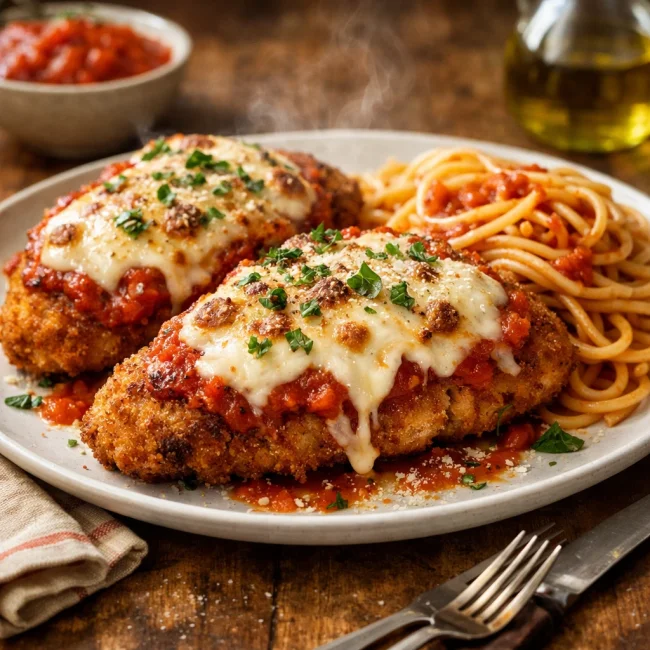
Traditional Chicken Parmesan
Savor the authentic taste of Italian cuisine with our Traditional Chicken Parmesan...
View Recipe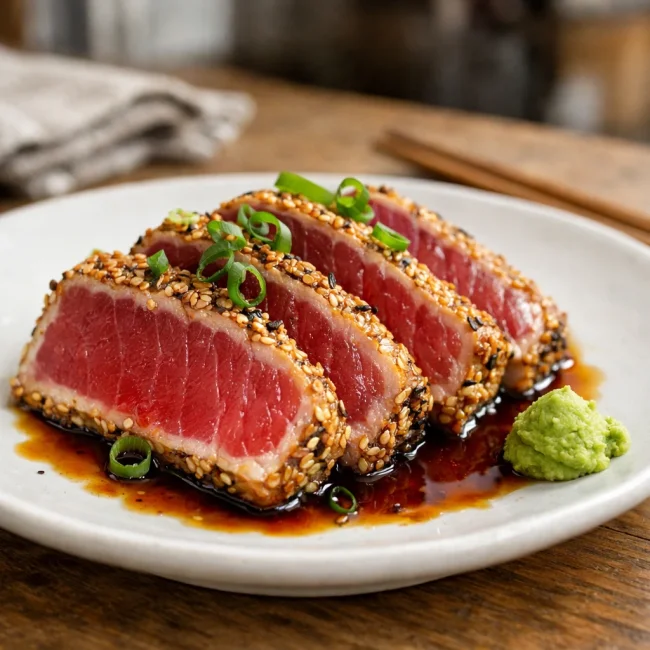
Seared Ahi Tuna
Experience the sublime taste of seared Ahi tuna, a Japanese-inspired dish that hig...
View Recipe